
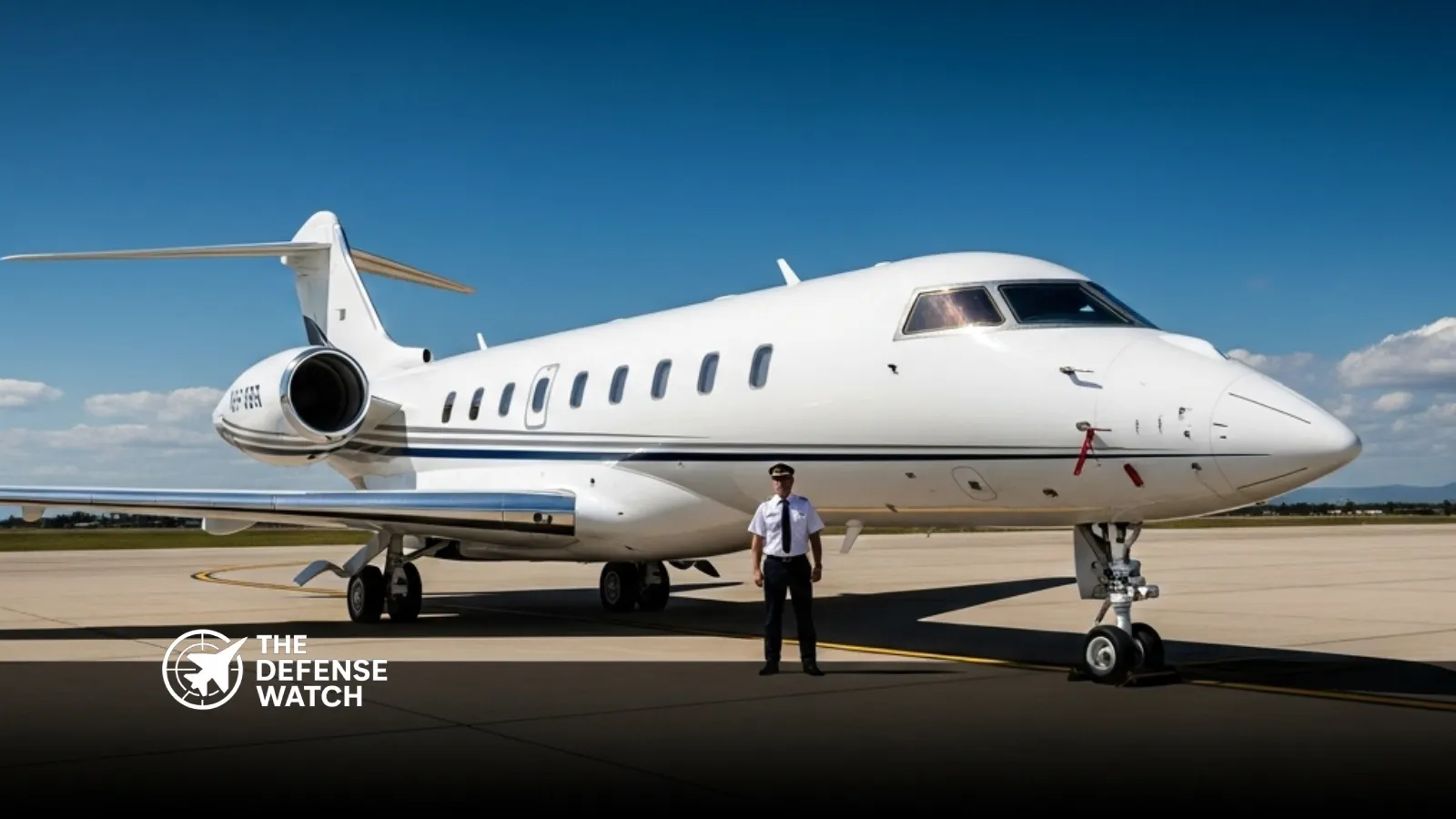
US Decertifies Bombardier Global Express in Certification Standoff
The United States said it would decertify Bombardier Global Express business jets until Canada completes certification of several Gulfstream aircraft, escalating a trade dispute between the two countries. The move was announced by President Donald Trump in a social media post on January 29, 2026, drawing reactions from industry and government sources.
What Trump Announced
President Trump said the U.S. is withdrawing certification for Bombardier’s Global Express jets and “all aircraft made in Canada” until Ottawa certifies key Gulfstream models. He added that Canada’s actions are blocking U.S.-made Gulfstream jets from the Canadian market.
Trump also threatened a 50 percent tariff on Canadian aircraft exports to the United States if the issue is not swiftly resolved. Airlines, customers, and industry analysts reacted with concern about the potential impact on civil aviation operations.
Certification Background
Under international aviation rules, the country where an aircraft is designed typically holds the primary type certification. Other nations usually validate that decision, allowing the aircraft to operate within their airspace. Canada’s regulator, Transport Canada, has not completed certification for several Gulfstream jets, including models 500, 600, 700, and 800, according to Trump’s post.
The FAA and Europe’s EASA certified the Gulfstream G800 in 2025, while Canada’s own process can require additional data or tests. It remains unclear whether the FAA can revoke certification for planes on economic grounds rather than safety reasons.
Market Reaction and Industry Concerns
The announcement sent shock waves through aerospace circles. Bombardier’s stock dropped sharply in early U.S. trading after the news. Airlines and private operators voiced worry about uncertainty for Canadian-made aircraft already in service in the United States.
Data from aviation analytics firms indicate that hundreds of Canadian-built aircraft are registered in the U.S., including regional airliners and business jets. A blanket decertification could have significant operational and financial effects for operators.
Legal and Regulatory Questions
Legal experts highlighted that it is unclear whether the U.S. President or the FAA has the authority to decertify foreign-made aircraft for reasons unrelated to safety. The FAA typically bases certification decisions on airworthiness standards, not trade disputes.
Officials from Bombardier, Gulfstream, and Transport Canada had not publicly commented immediately following the announcement. Bombardier said it was in discussions with the Canadian government about the situation.
Broader Trade Context
The certification dispute comes amid wider U.S.-Canada trade tensions. Canadian Prime Minister Mark Carney has criticized some U.S. trade policies, prompting friction at diplomatic levels. Trump’s latest move could add another layer to discussions over aerospace cooperation and market access between the two countries.
Get real time update about this post category directly on your device, subscribe now.
