
U.S. Treasury Sanctions Iran-Venezuela Weapons Trade Targeting Combat Drone Transfer
The U.S. Department of the Treasury has imposed a fresh round of sanctions targeting Iran-Venezuela weapons trade networks that facilitate the transfer of combat unmanned aerial vehicles (UAVs) and components, underscoring Washington’s expanding counterproliferation enforcement and financial pressure on Tehran’s defense industrial base.
Treasury Designations Strike UAV Supply Chain
On December 30, 2025, the Treasury’s Office of Foreign Assets Control (OFAC) designated 10 individuals and entities operating in Iran and Venezuela for their roles in procuring and transferring Iranian-origin UAVs to Venezuelan defense structures.
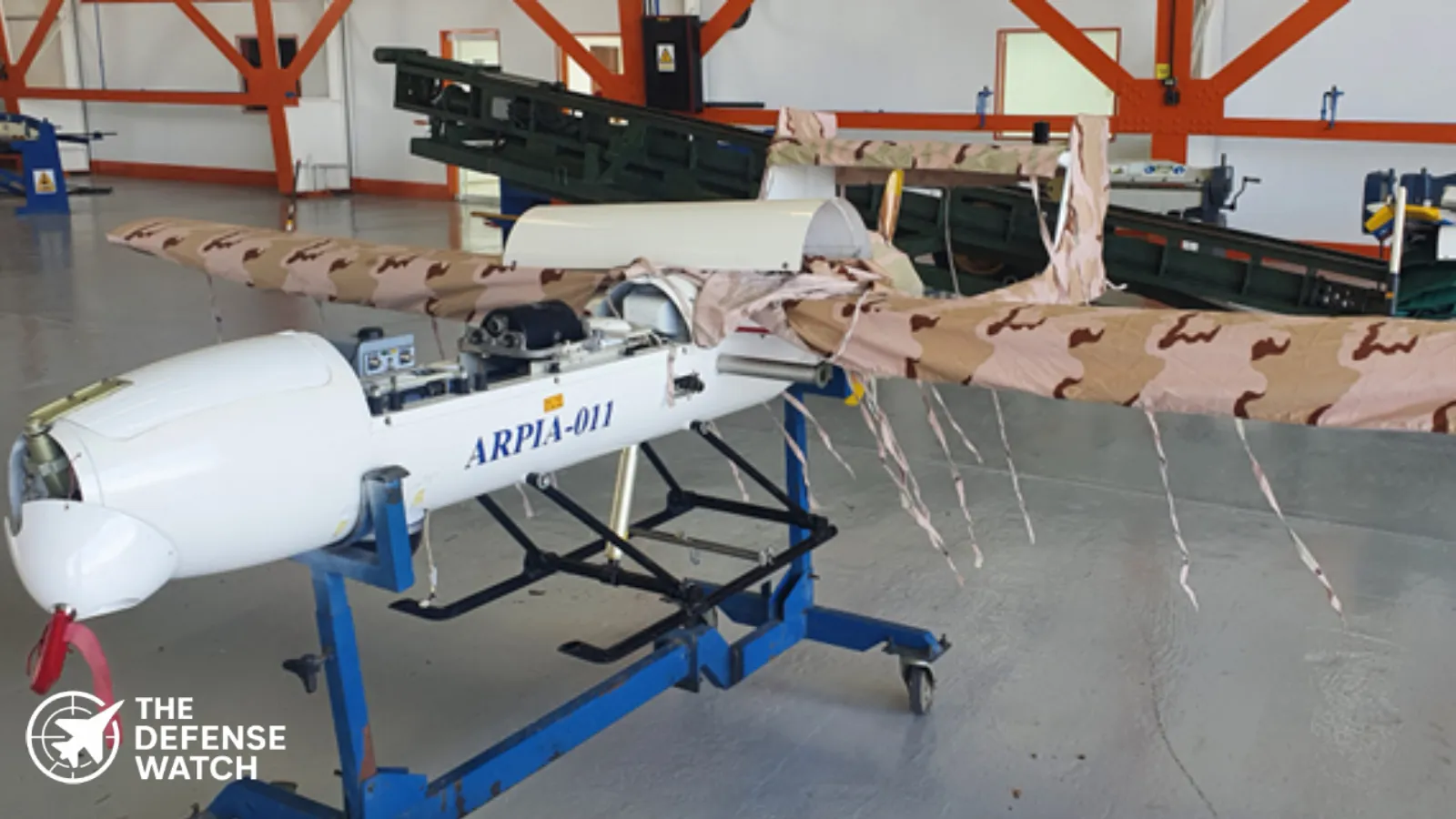
The action targets a Venezuelan aviation firm and its leadership that negotiated acquisition and assembly of Iranian-designed Mohajer-series UAVs—offered in Venezuela as the ANSU-series, including armed and ISR variants used by that nation’s military.
Treasury officials said the designations aim to deny Iran’s military-industrial complex access to the U.S. financial system and disrupt the proliferation of combat drones that pose risks to U.S. and allied security interests in the Western Hemisphere and beyond.
Counterproliferation Under Executive Orders
OFAC pursued the sanctions under U.S. executive authorities targeting weapons of mass destruction proliferators and conventional arms networks. The move builds on prior designations in October and November 2025 following renewed multilateral sanctions and aligns with National Security Presidential Memorandum 2, which directs U.S. agencies to curtail Iran’s ballistic missile and asymmetric weapons programs.
Highlighting Iran’s UAV Program Role
Iran’s UAV development and export activities have been central to Tehran’s military strategy, supplying partners with ISR and armed platforms that can complicate regional stability. OFAC’s actions spotlight Tehran’s use of intermediary firms in Venezuela to assemble, market, and transfer Iranian UAV technologies, enhancing those countries’ defense capacities outside U.S. oversight.
Entities designated include Qods Aviation Industries (QAI) affiliates and associated individuals involved in negotiating UAV procurement, as well as Iran-linked procurement agents engaged in sourcing dual-use materials crucial for Iran’s missile and UAV programs.
Strategic Implications for Security and Enforcement
By freezing assets and prohibiting U.S. persons from transacting with the designated parties, the Treasury is leveraging financial sanctions as a nonproliferation tool to interrupt revenue streams and supply chains that sustain Iran’s defense exports. These measures reinforce the broader U.S. strategy to constrain Tehran’s asymmetric capabilities and discourage state actors from proliferating advanced military hardware.
Defense analysts note that such sanctions also carry implications for global UAV supply networks, signaling concentrated U.S. efforts to link economic pressure with strategic deterrence in both the Middle East and Latin America.
Get real time update about this post category directly on your device, subscribe now.
