
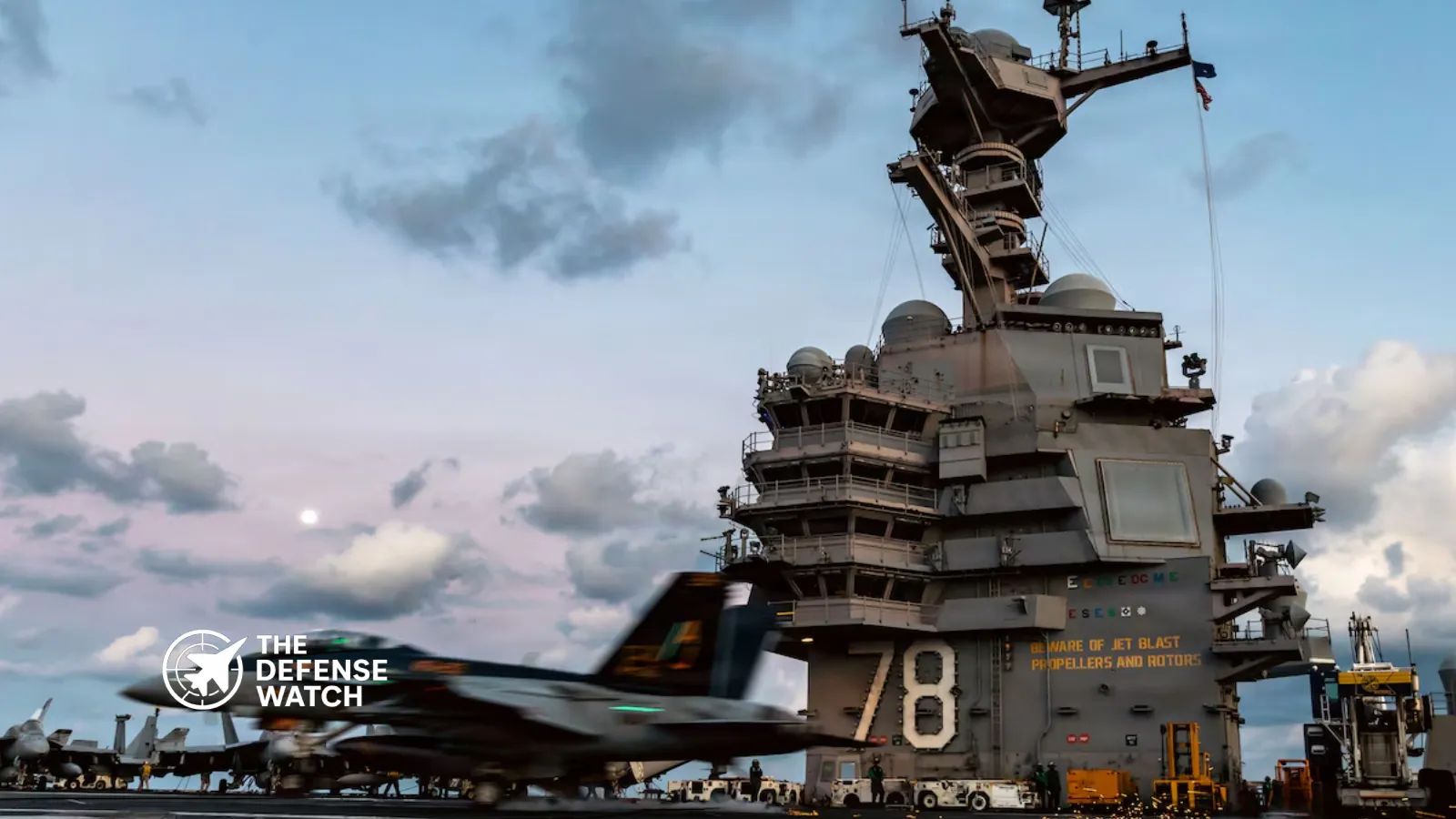
- Operation Epic Fury began on Feb. 28 under U.S. Central Command to target Iranian military infrastructure.
- U.S. strikes focus on missile launch sites, drone bases, naval forces, and command networks.
- Pentagon officials say the United States has sufficient munitions and resources to sustain operations.
- Early strikes targeted more than 1,000 sites in Iran during the opening phase of the campaign.
- The operation aims to eliminate Iran’s missile capabilities and prevent future nuclear weapon development.
Operation Epic Fury Signals Sustained U.S. Military Commitment
Operation Epic Fury remains a central element of the current U.S. military campaign against Iran, with Pentagon leaders emphasizing that American forces have both the resources and resolve to sustain the mission.
Speaking during a briefing at U.S. Central Command headquarters in Tampa, Florida, U.S. Secretary of War Pete Hegseth said Iran would be mistaken to assume that the United States lacks the ability or willingness to continue the operation. He stressed that American forces possess sufficient munitions, logistical support, and operational capacity to execute the mission.
The operation, launched under the direction of the U.S. president, targets Iran’s missile infrastructure, naval capabilities, and other elements of its military apparatus considered a threat to U.S. forces and regional allies.
The Big Picture
Operation Epic Fury reflects a major escalation in U.S. military action in the Middle East and represents one of the largest American combat operations in the region in recent years.
The campaign fits into a broader U.S. strategy focused on countering Iranian missile and drone capabilities while maintaining deterrence across the Gulf region. Iranian ballistic missile programs and drone warfare capabilities have become central tools in Tehran’s regional military strategy, allowing the country to threaten U.S. bases and allied infrastructure across the Middle East.
From Washington’s perspective, the campaign aims to dismantle the military systems that support Iran’s long range strike capabilities and reduce the threat they pose to regional stability.
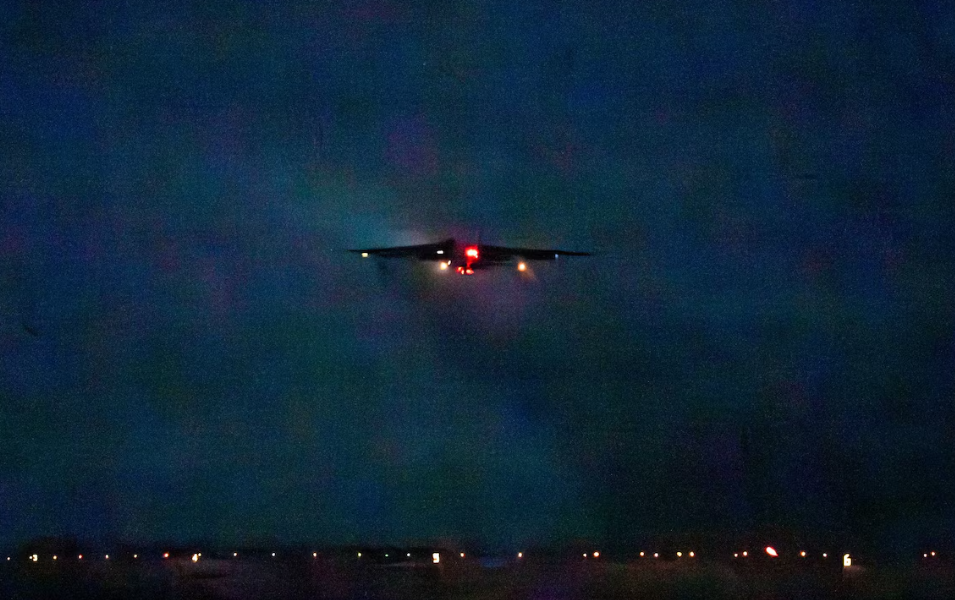
The operation also demonstrates the continued role of U.S. Central Command as the primary operational headquarters for American forces across the Middle East.
What’s Happening
Operation Epic Fury began in the early hours of Feb. 28, when U.S. and partner forces launched coordinated strikes across multiple Iranian military sites.
Targets included:
• Islamic Revolutionary Guard Corps command and control facilities
• Iranian air defense systems
• Missile and drone launch sites
• Military airfields and naval assets
According to U.S. military officials, the opening phase of the campaign involved strikes on more than 1,000 targets across Iran.
The strikes were designed to disrupt Iranian command networks and degrade the country’s ability to launch ballistic missiles or conduct drone attacks.
U.S. commanders reported that American forces quickly established localized air superiority, allowing follow on operations to continue with reduced risk to coalition aircraft.
Pentagon leaders say the mission is focused on clearly defined military objectives rather than open ended political goals.
Why It Matters
Operation Epic Fury highlights the continued importance of missile defense and counter strike capabilities in modern warfare.
Iran has invested heavily in ballistic missiles, cruise missiles, and armed drones over the past decade. These systems provide Tehran with a relatively low cost method to threaten U.S. bases, naval forces, and regional allies.
By targeting missile production facilities and launch infrastructure, the United States aims to weaken the backbone of Iran’s asymmetric military strategy.
The campaign also demonstrates the ability of the U.S. military to conduct large scale joint operations involving air, naval, and cyber forces within a short timeframe.
Strategic Implications
The scale and scope of Operation Epic Fury carry significant implications for regional deterrence.
A sustained U.S. campaign targeting Iranian military infrastructure sends a signal to both allies and adversaries that Washington remains willing to use military force to counter perceived strategic threats.
For U.S. partners in the Gulf, including countries hosting American bases, the operation reinforces the credibility of U.S. security commitments.
At the same time, the strikes risk expanding regional tensions, particularly if Iran increases retaliatory attacks through proxy forces or missile strikes against regional targets.
The campaign therefore sits at the intersection of deterrence and escalation management, two central challenges in Middle East security policy.
Competitor View
Strategic competitors are closely watching how Operation Epic Fury unfolds.
Russia and China have both criticized past U.S. military interventions in the Middle East and may frame the campaign as an example of American unilateral force projection.
For Iran itself, the operation represents a direct challenge to the core pillars of its defense doctrine. Tehran has relied on missile forces, drones, and naval assets in the Persian Gulf as tools to offset conventional military disadvantages.
By targeting these systems directly, the United States seeks to weaken Iran’s ability to threaten regional shipping lanes and U.S. bases.
Capability Gap
The operation addresses a long standing challenge facing U.S. forces in the Middle East: the growing threat posed by Iranian missile and drone networks.
Iran’s strategy relies heavily on distributed launch sites, mobile missile units, and proxy forces capable of launching attacks across the region.
These capabilities complicate missile defense planning and increase the risk to U.S. personnel and installations.
Operation Epic Fury aims to reduce this threat by targeting production facilities and launch infrastructure rather than simply intercepting incoming missiles.
However, analysts note that Iran’s dispersed military infrastructure and underground facilities may limit the long term effectiveness of air strikes alone.
What To Watch Next
Several developments will determine how Operation Epic Fury evolves in the coming weeks.
First, analysts will monitor whether U.S. forces expand strikes beyond missile and naval infrastructure to additional military targets.
Second, the pace of Iranian retaliation will influence the scope of the conflict and the risk of regional escalation.
Third, the ability of U.S. forces to sustain high intensity strike operations will remain a key factor in determining the campaign’s duration.
Pentagon officials have declined to provide a specific timeline for the operation, indicating that the mission will continue until its objectives are achieved.
The Bottom Line
Operation Epic Fury demonstrates the United States’ willingness and capability to conduct sustained military operations aimed at dismantling Iran’s missile and naval strike infrastructure.
Get real time update about this post category directly on your device, subscribe now.
