
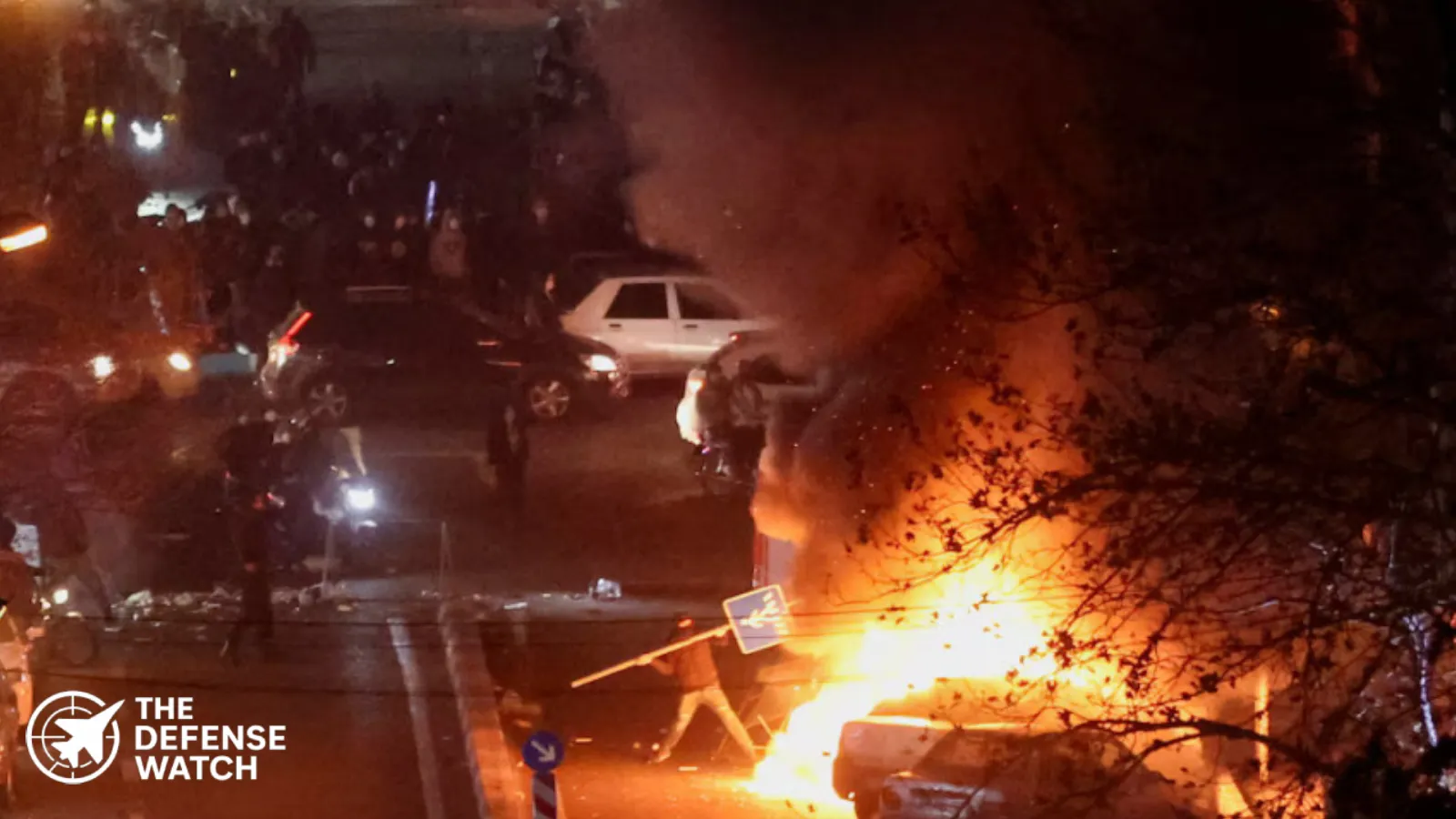
Iran Protest Death Toll Triggers U.S. Response
Iran has officially acknowledged that approximately 2,000 people were killed during nationwide protests, as President Donald Trump confirmed he is considering military strikes against Iran, escalating tensions between Washington and Tehran.
The admission marks the first time Iranian authorities have publicly confirmed the scale of casualties from the two-week crackdown, which followed widespread demonstrations across multiple provinces. The unrest has drawn international condemnation and intensified U.S. policy pressure.
Trump Signals Military and Economic Pressure
President Trump stated Tuesday that airstrikes remain among “many, many options” under review, underscoring that military action is still on the table despite ongoing diplomatic signals from Tehran.
On Monday, the White House announced a 25% tariff on any country conducting business with Iran, representing Trump’s first concrete economic action in response to the unrest. The measure is designed to isolate Iran economically while increasing leverage over its leadership.
Trump also confirmed that Iranian officials have reached out seeking negotiations, but cautioned that U.S. action could precede any formal meeting, reflecting a hardline posture amid deteriorating internal conditions in Iran.
Iranian Crackdown Draws Global Scrutiny
Iranian officials described the violence as a response to what they labeled “foreign-backed unrest,” while human rights organizations and Western governments have accused Tehran of excessive and lethal force against civilians.
The confirmation of 2,000 deaths significantly exceeds earlier unofficial estimates and raises questions about command authority, internal stability, and the regime’s ability to contain dissent without further escalation.
The protests represent one of the deadliest episodes of civil unrest in Iran in decades, amplifying regional security concerns at a time of already heightened Middle East tensions.
Strategic Implications for U.S. Defense Policy
For U.S. defense planners, the situation introduces renewed operational and strategic considerations, including force posture in the region, air and missile defense readiness, and escalation management.
While no formal strike orders have been issued, Trump’s remarks signal that military options remain active within U.S. contingency planning, particularly if Iran’s internal instability spills over into regional threats or direct provocations.
Get real time update about this post category directly on your device, subscribe now.
