- ► Lockheed Martin Missiles and Fire Control in Grand Prairie, Texas, won a $33,800,000 cost-plus-incentive-fee award for PAC-3 test support.
- ► The work covers Lower Tier Air and Missile Defense Sensor PAC-3 ground and flight test support.
- ► Bids were solicited via the internet with a single offer received.
- ► Work locations and funding terms will be set with each order.
- ► Completion is expected by March 31, 2027.
The U.S. Army awarded Lockheed Martin Missiles and Fire Control a $33,800,000 cost‑plus‑incentive‑fee contract for Lower Tier Air and Missile Defense Sensor PAC‑3 system ground and flight test support, reinforcing ongoing efforts to sustain and improve the Army’s core missile defense capabilities.
The Army Contracting Command at Redstone Arsenal, Alabama, announced the award Feb. 18, 2026. The contract will fund engineering and test activities tied to the PAC‑3 missile family and associated sensor systems through March 31, 2027.
Lockheed Martin’s Missiles and Fire Control unit, based in Grand Prairie, Texas, will carry out ground and flight test support under a cost‑plus‑incentive‑fee arrangement. The sole bid was received after the solicitation was published online, a typical approach for specialized defense work of this type.
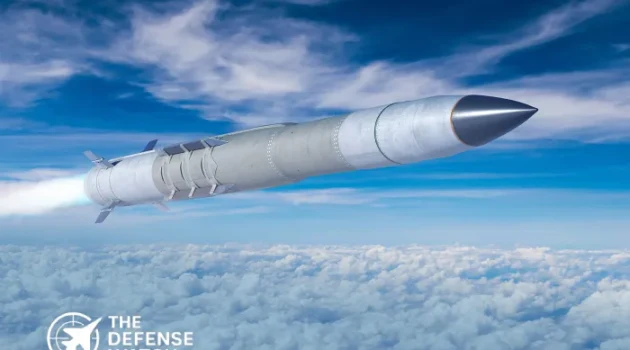
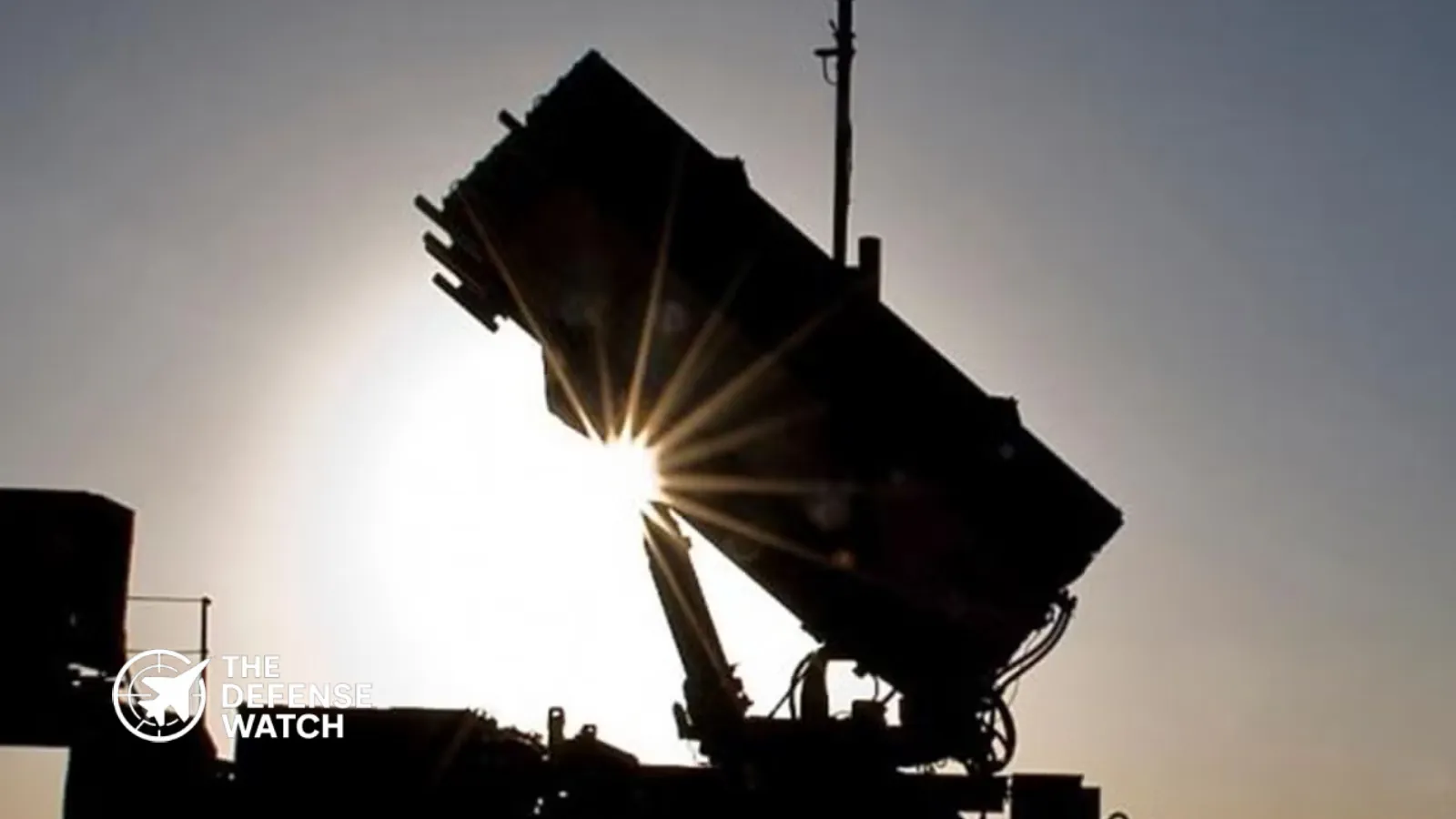
The PAC‑3 (Patriot Advanced Capability‑3) missile is a hit‑to‑kill interceptor used by the U.S. Army and allied forces for lower tier air and missile defense operations. PAC‑3 interceptors work with systems such as the Lower Tier Air and Missile Defense Sensor to detect, track and engage tactical ballistic threats, cruise missiles and aircraft at close ranges.
PAC‑3 variants include the Missile Segment Enhancement (MSE) interceptor, a more agile version with improved seeker and control surfaces. In September 2025 the Army awarded a separate production contract to Lockheed Martin for nearly 2,000 PAC‑3 MSE missiles and hardware, the largest production award in the program’s history.
The Lower Tier Air and Missile Defense Sensor is part of the broader Integrated Air and Missile Defense architecture, a network of radars, command systems and interceptors designed to respond to evolving threats. Sensor capability improvements can enhance PAC‑3 mission effectiveness by providing higher fidelity tracking data for fire control and engagement decisions.
The Army did not disclose specific funding allocations at the time of award. Funds and work sites will be identified as individual orders are issued over the contract term.
The award continues a series of recent Army contracts aimed at sustaining missile defense readiness. Earlier defense contracting announcements show Lockheed Martin remains a key partner in Army air and missile defense, with additional work spanning launcher support and other fire control systems.
Get real time update about this post category directly on your device, subscribe now.