Executive Summary:
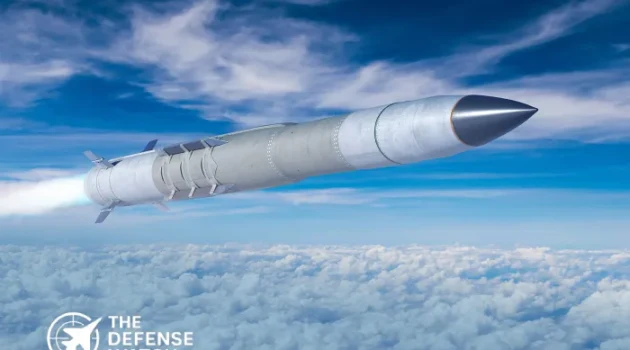
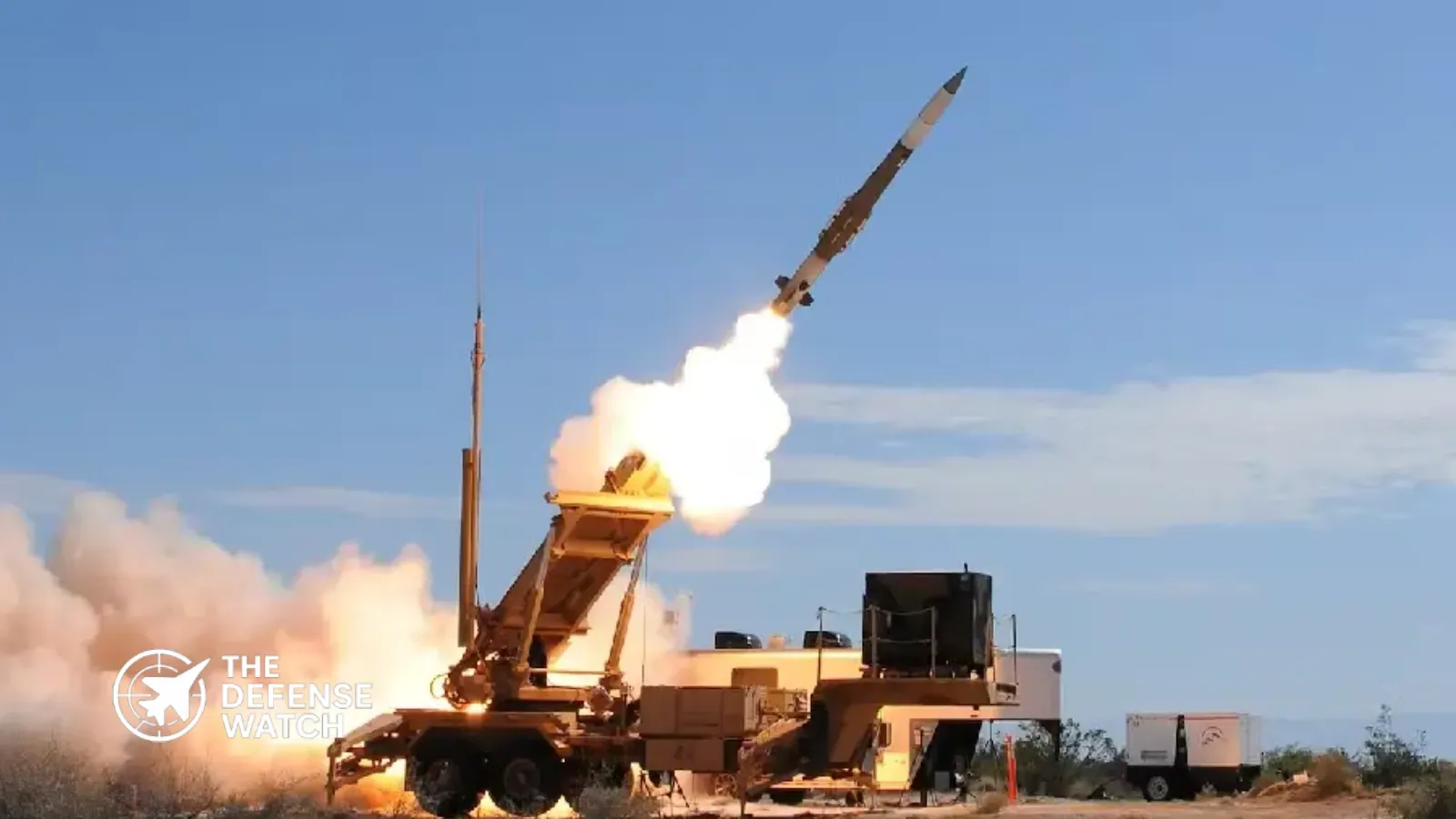
L3Harris Technologies, Lockheed Martin, and the U.S. Department of War have established a seven year manufacturing framework designed to nearly triple production of propulsion systems for the PAC-3 Missile Segment Enhancement interceptor. The agreement provides long term demand certainty for suppliers while supporting expanded Patriot missile production to meet growing requirements from the United States and allied nations.
L3Harris Expands PAC-3 MSE Propulsion Production Under New Framework
L3Harris Technologies will significantly expand PAC-3 MSE propulsion production under a new seven year framework agreement with Lockheed Martin and the U.S. Department of War, marking another major step in Washington’s effort to accelerate missile manufacturing capacity across the defense industrial base. According to company and government statements, the agreement is expected to become L3Harris’ largest PAC-3 propulsion award once a production contract is finalized later this year.
The framework leverages U.S. multi year procurement authorities to provide manufacturers with stable long term demand, allowing industry to invest in additional production capacity, workforce expansion, automation, and supplier development before annual procurement decisions are finalized.
The agreement follows similar production expansion frameworks signed with Lockheed Martin, Boeing, and Honeywell as the Patriot industrial base prepares for substantially higher interceptor output over the coming years.
Propulsion Components At The Center Of PAC-3 MSE Production
Under the agreement, L3Harris will increase manufacturing of several critical propulsion elements used in the PAC-3 Missile Segment Enhancement interceptor:
| Component | Operational Role |
|---|---|
| Two pulse solid rocket motor | Provides primary propulsion and extended engagement range |
| Attitude Control Motors (ACM) | Enables high maneuverability during terminal intercept |
| Lethality Enhancer | Expands interceptor effectiveness against incoming threats |
These propulsion systems enable the PAC-3 MSE to engage tactical ballistic missiles, cruise missiles, advanced aircraft, and other high speed aerial threats. The interceptor remains the primary hit to kill missile used within the Patriot air and missile defense system deployed by the U.S. Army and numerous allied operators.
L3Harris manufactures these propulsion systems at its Camden, Arkansas facility, where the company has invested in dedicated processing bays and automated digital X ray inspection equipment to shorten manufacturing and quality assurance timelines.
Part Of A Broader Missile Production Expansion
The propulsion agreement forms one element of a much larger U.S. effort to expand PAC-3 MSE production across the complete manufacturing chain.
Earlier framework agreements established plans to increase annual PAC-3 MSE interceptor production from approximately 600 missiles per year to roughly 2,000 annually over seven years. Lockheed Martin reported delivering a record 620 PAC-3 MSE interceptors during 2025 and intends to continue scaling production through investments in facilities, workforce, tooling, and supplier capacity.
Boeing is simultaneously expanding production of the missile’s advanced seeker, another critical subsystem that historically limited overall manufacturing throughput.
By expanding propulsion, seeker, and final interceptor assembly simultaneously, the Department of War aims to remove bottlenecks throughout the Patriot production ecosystem rather than increasing output at only one stage of manufacturing.
Why Long Term Framework Agreements Matter
Unlike traditional annual procurement contracts, the new framework provides manufacturers with predictable production demand extending over seven years.
That certainty allows companies to:
- Invest in new manufacturing facilities.
- Hire and train skilled workers.
- Expand supplier networks.
- Purchase long lead production equipment.
- Automate manufacturing processes.
According to the Department of War, the initiative supports its broader Acquisition Transformation Strategy, which seeks to reduce procurement delays and place U.S. defense manufacturing on a more responsive footing capable of sustaining prolonged high volume missile production.
Strategic Analysis
The propulsion agreement illustrates that expanding missile production is no longer viewed as solely an industrial objective but as a strategic requirement for U.S. and allied deterrence.
Recent conflicts have highlighted the enormous consumption rates of modern air defense interceptors, while growing demand from NATO, Indo Pacific allies, and Middle Eastern operators continues to pressure existing production capacity. Expanding Patriot manufacturing therefore requires synchronized investment across every supplier responsible for propulsion, guidance, seekers, electronics, and final missile integration.
The L3Harris agreement is particularly significant because solid rocket motors remain one of the most constrained segments of the U.S. missile industrial base. Increasing production of these propulsion systems helps reduce one of the most important bottlenecks affecting not only Patriot interceptors but broader precision munitions manufacturing.
The framework also reflects a shift in U.S. acquisition policy. Rather than relying on short term annual orders that discourage capital investment, the Department of War is providing industry with long term production visibility, allowing manufacturers to finance facility expansion with substantially lower business risk. If successfully implemented across multiple missile programs, this model could become a template for future production increases involving THAAD, Precision Strike Missile, JASSM, LRASM, and other critical munitions programs.
Growing global demand further reinforces this approach. The Patriot system remains one of the world’s most widely deployed integrated air and missile defense platforms, and expanding interceptor production directly improves the ability of the United States to replenish inventories while supporting allied procurement without extending delivery timelines.
Key Program Data
Category Details Framework Duration Seven years Prime Participants L3Harris Technologies, Lockheed Martin, U.S. Department of War Primary Product PAC-3 Missile Segment Enhancement propulsion systems Manufacturing Site Camden, Arkansas Major Components Two pulse solid rocket motor, Attitude Control Motors, Lethality Enhancer Production Objective Nearly triple propulsion manufacturing capacity Related Expansion PAC-3 MSE interceptor production planned to increase from about 600 to 2,000 annually