
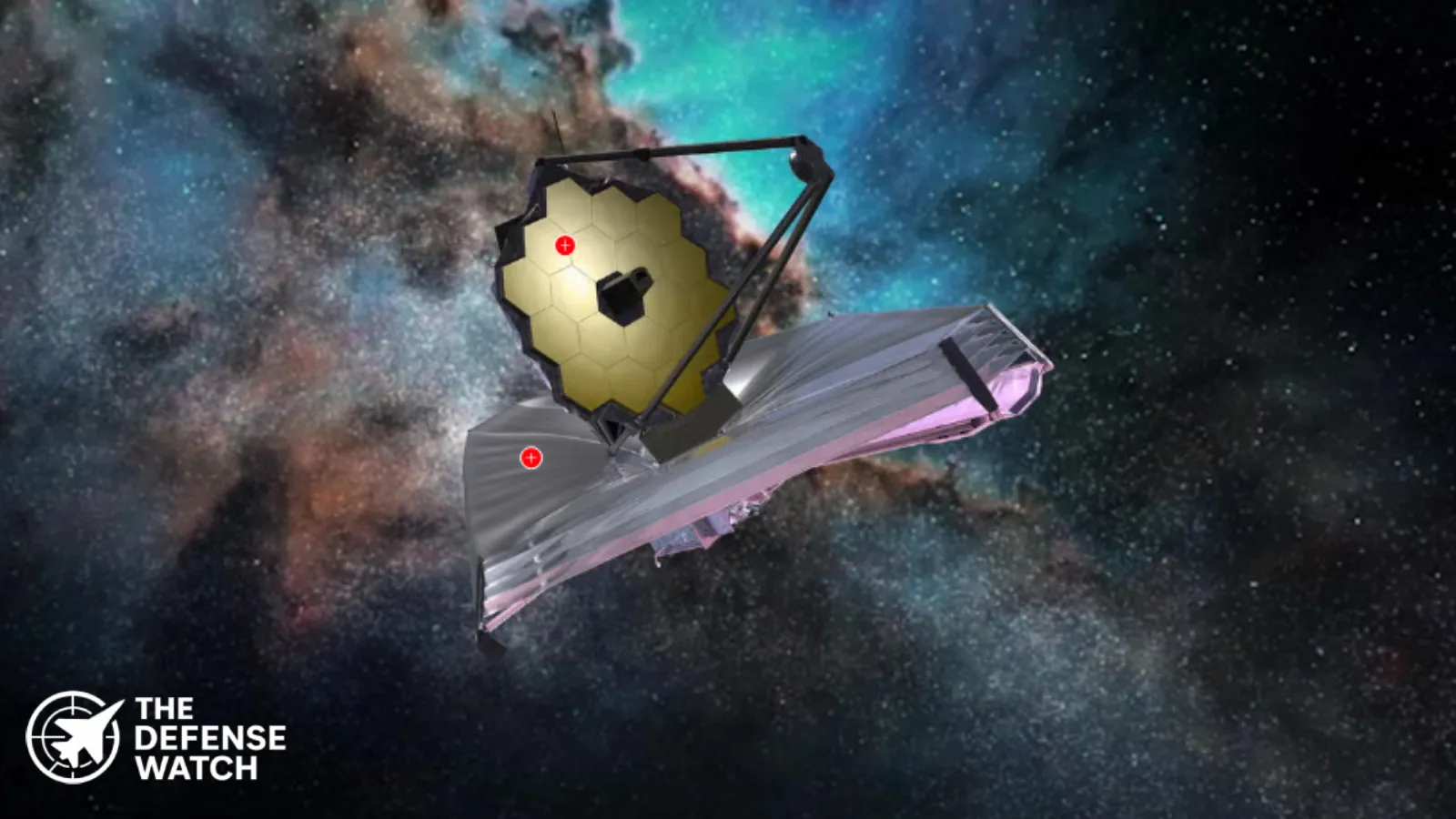
L3Harris Technologies Inc. has received a 62.7 million contract modification from the US Space Force to support long term sustainment of critical space surveillance systems. The L3Harris space surveillance contract expands ongoing work tied to radar and electro optical assets that monitor objects in deep space and Earth orbit, according to official US Department of Defense contract announcements.
The modification continues a long running relationship between L3Harris and the Space Force focused on maintaining high availability of sensors that underpin space domain awareness. The award reflects steady investment by the US military in protecting space based infrastructure and tracking potential threats in increasingly congested orbital environments.
Contract details and scope of work
The contract modification, valued at 62,749,158 dollars, was issued as modification P00353 under the previously awarded contract FA8823 20 C 0004. The work covers Option Year Seven for several interconnected programs, including the Eglin Radar, round based Electro Optical Deep Space Surveillance Telescope, the Space Surveillance Telescope, and Agile Portfolio Engineering sustainment activities.
With this action, the total cumulative face value of the contract rises to approximately 1.506 billion dollars, up from about 1.443 billion dollars. This scale highlights the long term nature of the effort and the importance of continuous sustainment for space surveillance systems that operate around the clock.
According to the Department of Defense, work will be performed in Colorado Springs, Colorado, a major hub for US Space Force operations and industry support. The effort is scheduled for completion by Jan. 31, 2027.
No funds are being obligated at the time of award. Fiscal 2026 operations and maintenance funds, along with fiscal 2026 research development test and evaluation funds, will be incrementally funded prior to the start of the performance period. The contracting activity is the Space Systems Command Directorate of Contracting at Peterson Space Force Base in Colorado.
Why space surveillance sustainment matters
The L3Harris space surveillance contract focuses on sustainment rather than new system development, but this role is no less critical. Space surveillance sensors must remain highly reliable to detect, track, and characterize objects ranging from operational satellites to debris and potential adversary systems.
The Space Surveillance Telescope and associated radar and electro optical systems contribute to the broader US Space Force mission of space domain awareness. This mission supports collision avoidance for satellites, monitoring of foreign space activity, and early detection of actions that could threaten US or allied space assets.
As orbital traffic increases and counter space capabilities continue to develop globally, sustainment contracts ensure that existing sensors do not degrade or fall behind operational requirements. Engineering support, upgrades, software maintenance, and logistics planning all factor into keeping these systems effective.
L3Harris role in US space security
L3Harris has built a strong portfolio in space and missile defense, sensor integration, and command and control systems. The company is a long standing supplier to the US Air Force and the US Space Force, particularly in areas tied to surveillance, communications, and electronic systems.
In Colorado Springs, L3Harris supports multiple national security space programs, working closely with Space Systems Command and other defense organizations. The sustained investment reflected in this contract modification underscores trust in the company’s technical expertise and program management experience.
Publicly available company materials highlight L3Harris involvement in radar modernization, space situational awareness tools, and resilient architectures designed to operate in contested environments. While this contract action does not introduce new capabilities, it ensures continuity for systems already integrated into daily Space Force operations.
Space Systems Command and acquisition approach
Space Systems Command is responsible for acquiring, fielding, and sustaining space systems for the US Space Force. Its Directorate of Contracting manages large and complex contracts that often span decades and multiple option years, as seen in this case.
Incremental funding, as noted in the contract announcement, is a common approach for sustainment efforts. It allows the Space Force to align spending with annual budget authorities while maintaining flexibility to adjust scope as mission needs evolve.
This contract modification fits within broader Department of Defense priorities to maintain readiness across all domains, including space. Senior defense leaders have repeatedly emphasized that space systems require the same disciplined sustainment planning long applied to aircraft, ships, and ground systems.
Broader context of space surveillance investments
The L3Harris space surveillance contract comes amid continued US investment in space monitoring infrastructure. In recent years, the Space Force has pursued both ground based and space based sensors to improve coverage and resilience.
Ground based assets such as radar sites and optical telescopes remain a foundational layer of space domain awareness. Sustainment ensures these systems can integrate with newer capabilities, share data across networks, and adapt to changing threat profiles.
Authoritative sources such as the US Space Force, Space Systems Command, and Congressional budget documents consistently identify space surveillance as a priority area for funding. Industry partners like L3Harris play a key role in translating those priorities into operational capability through long term support contracts.
What this means for defense and industry
For the defense industry, the modification highlights the enduring value of sustainment work. While new program awards often attract headlines, long running contracts provide stable revenue and reinforce relationships between government and industry.
For the US Space Force, the award supports continuity in operations at a time when space is increasingly recognized as a contested domain. Reliable surveillance underpins deterrence, operational planning, and protection of national security assets.
From a policy perspective, steady funding for sustainment reflects recognition that capability is only as strong as its availability. Engineering and logistics work often determines whether advanced sensors can deliver their intended value over decades of service.
Get real time update about this post category directly on your device, subscribe now.
