
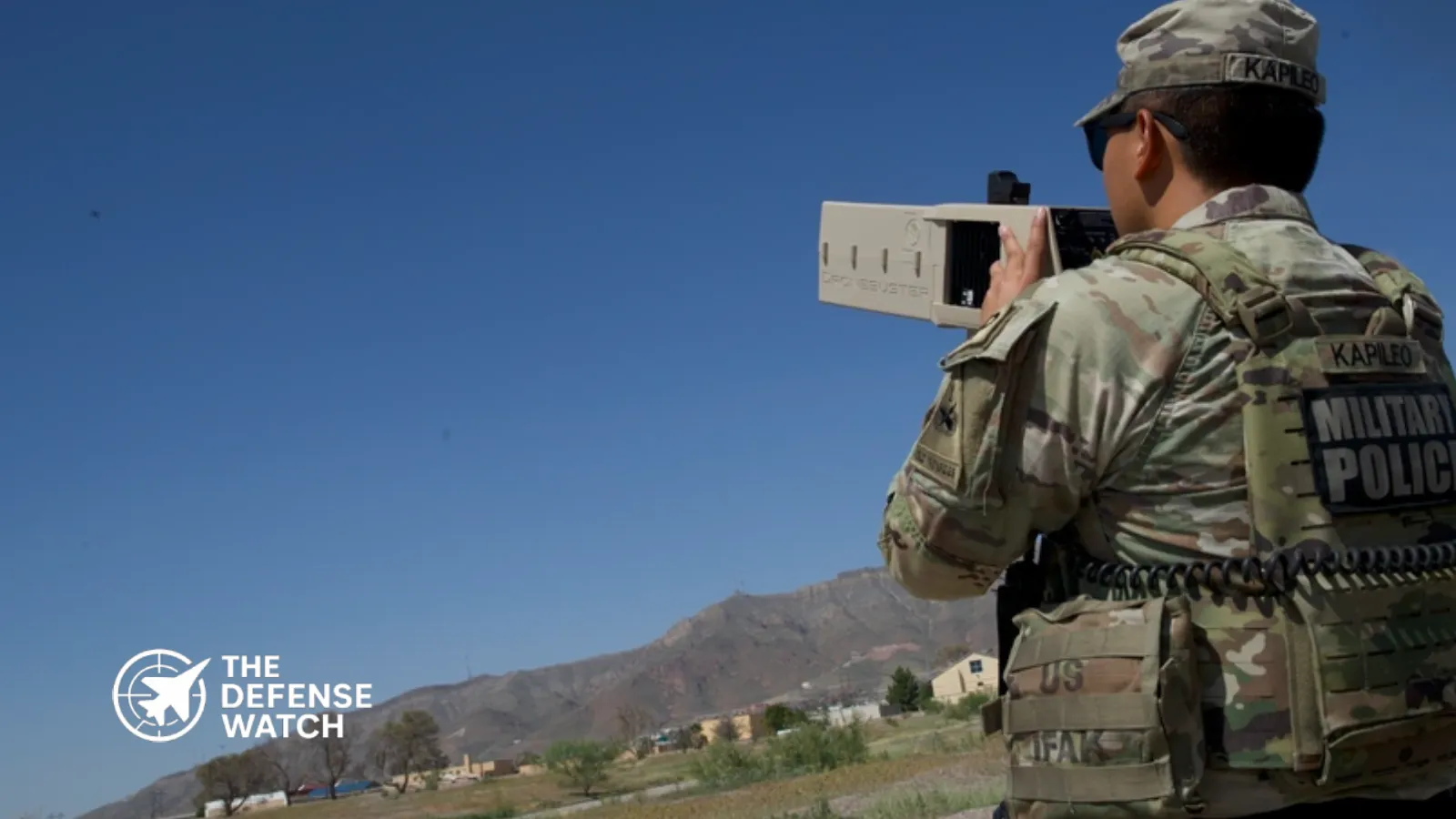
BAE Systems Wins $145M Counter Unmanned Aerial Systems Contract
BAE Systems has secured a $145 million Counter Unmanned Aerial Systems contract from the U.S. Air Force to develop, manufacture, and deliver advanced C-UAS weapon systems.
According to a Department of Defense contract announcement released on Feb. 11, 2026, BAE Systems Inc., based in Nashua, New Hampshire, was awarded a cost-plus-fixed-fee indefinite-delivery/indefinite-quantity contract, designated FA8681-26-D-B001, with a ceiling value of $145,000,000.
The award also includes an initial delivery order, FA8681-26-F-B012, valued at $66,673,298.
Scope Of The Counter Unmanned Aerial Systems Contract
The Counter Unmanned Aerial systems contract covers the development, manufacturing, and delivery of C-UAS weapon systems. These systems are designed to detect, track, and defeat hostile or unauthorized unmanned aerial systems, a growing threat across operational theaters.
Work will be performed in Hudson, New Hampshire. The ordering period runs from Feb. 12, 2026, through Feb. 12, 2031. Completion of work tied to the initial delivery order is expected by July 31, 2027.
The contract was awarded by the Air Force Life Cycle Management Center at Eglin Air Force Base, Florida, which serves as the contracting activity. The center is responsible for managing a wide range of Air Force acquisition programs, including aircraft, munitions, and electronic warfare systems.
Sole Source Acquisition
The award was issued as a sole source acquisition under Federal Acquisition Regulation 6.302-1, titled Only One Responsible Source. Under this provision, the government may limit competition when only one contractor is capable of fulfilling the requirements.
Sole source awards are typically used when specific technical capabilities, proprietary technologies, or urgent operational needs limit viable alternatives. The Department of Defense announcement did not provide additional technical details on the C-UAS configuration.
Funding And Contract Structure
Fiscal Year 2026 research, development, test, and evaluation funds totaling $26,048,932 were obligated at the time of award. This initial funding supports ongoing development activities under the Counter Unmanned Aerial Systems contract.
The broader IDIQ structure allows the Air Force flexibility to issue additional task or delivery orders over the five-year ordering period, up to the contract ceiling of $145 million.
Cost-plus-fixed-fee contracts are commonly used for development programs where requirements may evolve and costs cannot be fully defined at the outset. This structure provides reimbursement of allowable costs plus a negotiated fee.
Growing Focus On Counter-UAS Capabilities
The Counter Unmanned Aerial Systems contract reflects the Air Force’s continued investment in layered defenses against unmanned threats.
Small drones and more advanced unmanned platforms have increasingly been used in reconnaissance, strike missions, and asymmetric operations. As a result, U.S. military services have accelerated efforts to field scalable C-UAS solutions capable of addressing both low-cost commercial drones and more sophisticated systems.
While specific system details were not disclosed, C-UAS weapon systems typically integrate sensors, command and control software, electronic warfare tools, and kinetic or non-kinetic defeat mechanisms.
BAE Systems has a broad portfolio in electronic warfare, precision guidance, and advanced munitions, positioning the company to support integrated counter-drone missions. The firm’s U.S. subsidiary operates across multiple domains, including air, land, and maritime systems.
Program Oversight
The Air Force Life Cycle Management Center at Eglin AFB oversees acquisition and sustainment for a wide range of Air Force weapon systems. Its responsibilities include program management, engineering, contracting, and lifecycle support.
By structuring the Counter Unmanned Aerial Systems contract as an IDIQ vehicle, the Air Force retains the ability to scale procurement based on operational needs and available funding.
The award date was officially recorded as Feb. 11, 2026.
Why This Counter Unmanned Aerial Systems Contract Matters
The $145 million ceiling value signals continued prioritization of counter-drone capabilities within the Air Force modernization portfolio.
As unmanned threats expand in number and capability, demand for adaptable C-UAS weapon systems continues to grow. Programs like this are intended to provide operational units with more effective tools to detect and neutralize aerial threats across multiple environments.
Further contract actions under this IDIQ may follow as requirements mature and funding becomes available.
Get real time update about this post category directly on your device, subscribe now.
