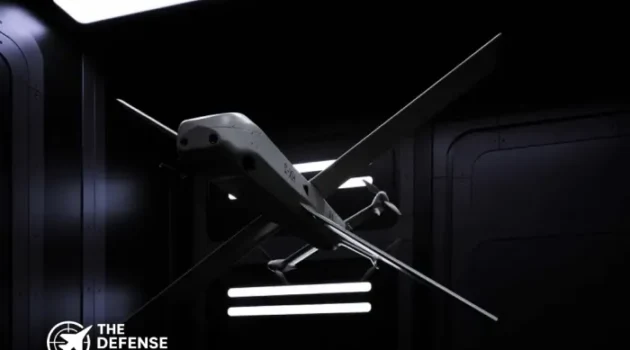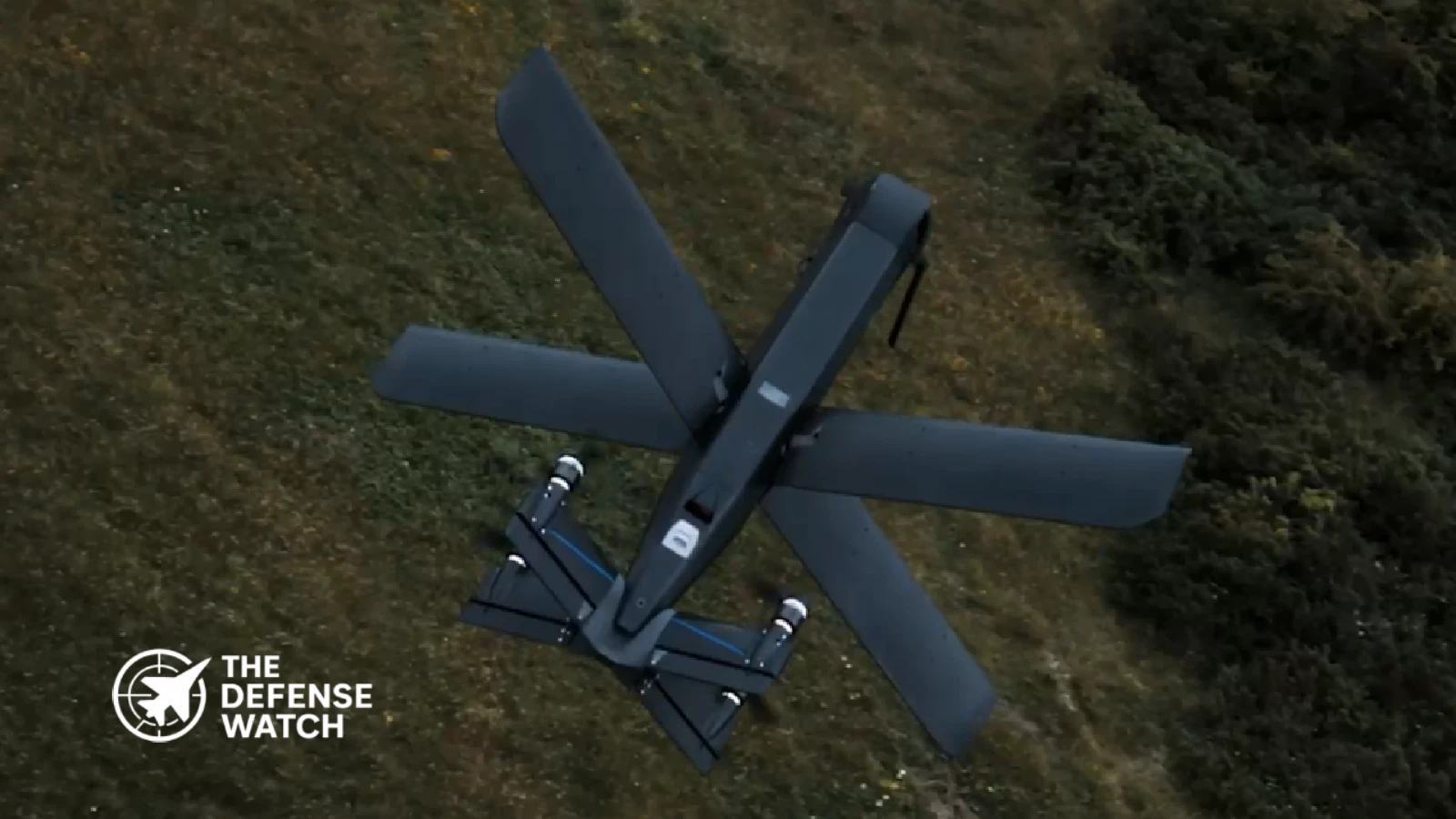
Executive Summary: German defense technology company Helsing has partnered with Japan’s Rakuten to help finalize a potential military sale of its HX-2 strike drone to Japan’s Ground Self-Defense Force. The move comes as Tokyo accelerates investment in unmanned systems amid growing regional security concerns and places greater emphasis on autonomous capabilities.
Helsing HX-2 Drone Deal Moves Closer In Japan
The Helsing HX-2 drone Japan effort has gained momentum after German defense technology company Helsing enlisted Japanese conglomerate Rakuten to help broker a military deal, according to Reuters. The Japanese Ground Self-Defense Force is already testing Helsing’s HX-2 strike drone, while Rakuten is expected to help bridge the commercial and procurement requirements involved in completing a potential agreement.
Reuters reported that an initial agreement has already been reached, with Rakuten’s role focused on helping Helsing navigate Japan’s defense procurement process. The development is notable because Rakuten has extensive commercial and financial operations in Japan but comparatively limited experience as a traditional defense-sector intermediary.
For Helsing, the Japanese opportunity represents another step in the company’s expansion from European battlefield AI software into autonomous and unmanned weapons.
Japan Tests Helsing’s HX-2 Strike Drone
The HX-2 is an electrically powered strike drone designed around onboard artificial intelligence and software-defined functions. Helsing says the system has a range of up to 100 kilometers and is designed to operate in environments where satellite navigation and communications may be disrupted by electronic warfare.
The company also says the HX-2 can operate as part of a swarm and can be integrated with its Altra reconnaissance and strike software. The system is intended to allow multiple drones to be coordinated while keeping a human operator involved in critical actions.
That combination is relevant to Japan’s growing interest in unmanned capabilities. Tokyo’s defense planning identifies unmanned defense capabilities as one of seven priority areas for strengthening the country’s military posture. Japan’s Defense Ministry has also highlighted the ability of unmanned systems to operate in dangerous environments and remain airborne or deployed for extended periods.
Japan has already decided to introduce the MQ-9B SeaGuardian for long-endurance unmanned operations and is developing unmanned aircraft intended to support its next-generation fighter program.
Why Japan Is Looking At Autonomous Strike Drones
Japan’s interest in systems such as the HX-2 comes against a broader effort to strengthen its ability to operate across a large geographic area while dealing with increasingly complex air and maritime threats.
Japan’s Ministry of Defense has identified China’s expanding military capabilities and increased activity around the East China Sea and the western Pacific as major security concerns. The ministry’s latest defense white paper also points to China’s expanding use and development of unmanned aircraft, including reconnaissance and strike systems.
This environment increases the importance of systems that can provide persistent surveillance, precision effects and distributed operations without relying exclusively on traditional crewed aircraft.
The Helsing Japan military drone deal therefore fits into a wider Japanese effort to build a more diverse force structure in which unmanned platforms complement conventional aircraft, ships and ground forces.
The potential procurement also illustrates how the Ukraine war has influenced defense requirements. Helsing’s HX-2 has been developed with battlefield experience in Ukraine in mind, while the company says its AI and electronic-warfare-resistant functions have been tested through operational use.
Rakuten Takes An Unusual Role In Defense Procurement
Rakuten’s involvement is one of the more unusual elements of the deal.
The company has a large domestic business network and experience operating across Japanese commercial and financial markets. Reuters reported that Rakuten intends to use this network to assist defense startups seeking access to Japan’s procurement system.
The company has also previously supported a demonstration involving Ukrainian drone software company Swarmer and AI-controlled drone swarms. Rakuten founder Hiroshi Mikitani has been an outspoken supporter of Ukraine, adding another connection between the company’s technology interests and the rapidly evolving defense-drone sector.
For smaller defense technology companies, entering a major foreign military market can involve requirements that extend well beyond the technical performance of the equipment. Local partnerships, government relationships, regulatory compliance, sustainment and procurement procedures can all influence whether a system progresses from testing to an actual contract.
Rakuten’s involvement could therefore be important not because the company manufactures the drone, but because it can help Helsing navigate the Japanese market.
Helsing Expands Beyond Europe
The Helsing HX-2 drone Japan initiative comes as the Munich-based company rapidly expands its defense portfolio and financial base.
Founded in 2021, Helsing initially focused on artificial intelligence software for analyzing battlefield data before expanding into autonomous strike drones, underwater surveillance and military aircraft applications.
In July, Helsing announced a $1.8 billion Series E funding round that valued the company at approximately $18 billion. The funding included major U.S. and Canadian financial investors while Helsing emphasized that the company remained majority European-owned.
The company has also secured European government and defense-industry contracts and has supplied drones to Ukraine through German government-backed programs.
Its international expansion is significant because the defense-drone market is increasingly moving toward systems that combine relatively low-cost airframes with software, artificial intelligence, electronic-warfare resilience and networked operations.
What The Japan Deal Could Mean
The immediate question is whether the current Japanese testing and agreement will result in a formal procurement contract.
The Reuters report indicates that Rakuten’s involvement is intended to help finalize the deal rather than announce a completed large-scale purchase. That distinction is important. Testing and preliminary agreements can establish a pathway to procurement, but they do not necessarily represent a finalized operational order.
If completed, however, a Japanese procurement would give Helsing another major customer outside its European base and could provide a further demonstration of demand for AI-enabled strike drones.
It would also reinforce Japan’s broader move toward unmanned systems as a component of its defense modernization strategy. Tokyo is already investing in long-endurance UAVs, unmanned aircraft for future fighter operations and other autonomous capabilities.
From an industry perspective, the development also highlights a changing defense procurement model. Companies such as Helsing are bringing software-driven systems into markets traditionally dominated by large prime contractors. At the same time, local commercial companies can play an increasingly important role in connecting emerging defense firms with established government procurement structures.
For Japan, the HX-2 represents another potential tool for expanding unmanned strike capacity. For Helsing, the proposed agreement could mark an important entry into the Indo-Pacific defense market.