Executive Summary:
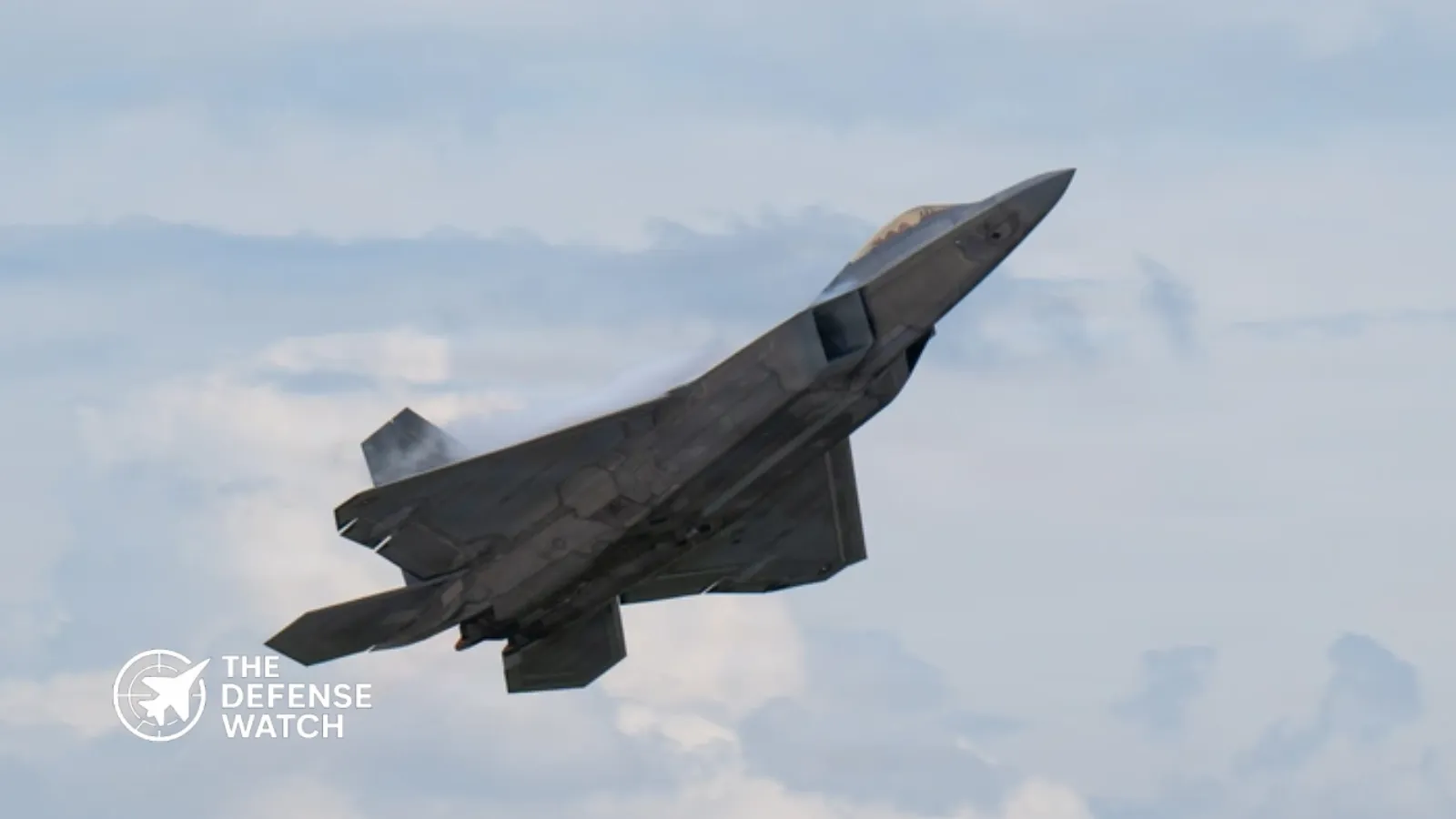
Qarbon Aerospace has returned to the U.S. Air Force’s F-22 Raptor program after securing a contract to manufacture composite structures supporting long term fleet sustainment. The award strengthens the industrial base responsible for maintaining America’s premier air superiority fighter while helping preserve aircraft availability as the Air Force continues operating the platform into the next decade.
Qarbon Aerospace Returns To F-22 Raptor Program With Composite Structures Contract
Qarbon Aerospace has secured a new contract to support the F-22 Raptor sustainment program by supplying advanced composite structures for the U.S. Air Force’s fifth generation air superiority fighter. The company announced the award as part of its renewed participation in one of the Pentagon’s highest priority aircraft sustainment efforts, reinforcing the industrial capability required to keep the stealth fleet mission ready.
According to Qarbon Aerospace, the contract marks the company’s return to the F-22 program after previously contributing composite components during earlier production phases. The latest agreement focuses on manufacturing structural composite assemblies that will support long term maintenance, repairs, and lifecycle sustainment of the operational fleet.
Composite Structures Remain Critical To F-22 Sustainment
Unlike conventional aluminum airframes, the F-22 relies extensively on advanced composite materials throughout its structure. These lightweight components reduce overall aircraft weight while maintaining exceptional strength and contributing to the fighter’s low observable characteristics.
As production of new F-22 aircraft ended in 2012, sustaining the existing fleet has become increasingly dependent on a resilient domestic supply chain capable of manufacturing replacement structural components.
Under the new contract, Qarbon Aerospace will manufacture precision composite assemblies designed to meet the demanding structural and stealth requirements of the aircraft.
Why Composite Manufacturing Matters
Composite structures offer several operational advantages:
Capability Operational Benefit Reduced structural weight Improved maneuverability and fuel efficiency High strength to weight ratio Greater durability under operational stress Corrosion resistance Lower long term maintenance requirements Precision manufacturing Supports stealth shaping and aerodynamic performance Long service life Extends aircraft operational availability Maintaining these capabilities requires specialized manufacturing processes, certified materials, and highly trained technicians capable of meeting stringent military quality standards.
Supporting America’s Air Superiority Fleet
The F-22 Raptor remains the U.S. Air Force’s premier dedicated air superiority fighter despite the growing role of the F 35 Lightning II. Designed primarily to establish air dominance against advanced adversaries, the aircraft combines stealth, supercruise, advanced sensors, and exceptional maneuverability.
Although the Air Force is developing the Next Generation Air Dominance (NGAD) family of systems, the F-22 continues to serve as a cornerstone of U.S. tactical air power. Fleet sustainment therefore remains essential to preserving combat readiness during the transition toward future sixth generation capabilities.
Qarbon Aerospace’s return to the program supports this broader strategy by helping ensure critical structural components remain available throughout the aircraft’s remaining service life.
Expanding Industrial Base Resilience
One of the Pentagon’s recurring challenges has been maintaining production capacity for aircraft that are no longer in full rate manufacturing. As production lines close and suppliers leave defense programs, replacement parts can become increasingly difficult and expensive to obtain.
Reintroducing experienced suppliers into legacy aircraft programs helps reduce these risks.
Qarbon Aerospace specializes in advanced composite manufacturing across defense, aerospace, and space applications. Its experience producing complex composite assemblies positions the company to support aging fleets requiring highly specialized structural repairs.
From an industrial perspective, expanding the supplier base improves resilience against production disruptions while preserving advanced manufacturing skills considered strategically important for future defense programs.
Technical Challenges Of Sustaining The F-22
Maintaining the F-22 differs significantly from supporting legacy fourth generation fighters.
The aircraft incorporates:
- Complex carbon fiber composite structures
- Low observable surface treatments
- Tight manufacturing tolerances
- Specialized bonding techniques
- Precision structural assemblies
Any replacement component must precisely match the original design to preserve both aerodynamic performance and stealth characteristics.
This makes qualified composite manufacturers particularly valuable within the defense industrial base.
Strategic Importance For The U.S. Air Force
Beyond replacing aging components, contracts such as this help maintain operational readiness for one of America’s most capable combat aircraft.
The Air Force continues investing in F-22 modernization, including upgrades to sensors, communications, electronic warfare capabilities, and mission systems. Those improvements can only deliver operational value if sufficient aircraft remain available for training and combat operations.
Sustainment therefore represents a strategic investment rather than simply routine maintenance.
As global security competition intensifies across the Indo Pacific and Europe, preserving high readiness rates among advanced fighter fleets remains a key element of U.S. deterrence strategy.
Analysis: Why This Contract Matters Beyond One Supplier
While the financial value of the contract was not disclosed, its strategic importance extends well beyond a single manufacturing award.
First, it demonstrates the Pentagon’s continued emphasis on strengthening domestic aerospace manufacturing capacity for legacy fifth generation aircraft. Even after production has ceased, sustainment requires specialized industrial expertise that cannot be recreated quickly if suppliers exit the market.
Second, advanced composite manufacturing has become a foundational technology across virtually every modern combat aircraft, including the F 35, B 21 Raider, and future NGAD platforms. Preserving experienced suppliers today also supports tomorrow’s aircraft programs by retaining skilled labor, manufacturing processes, and quality assurance capabilities.
Finally, sustainment contracts increasingly represent a larger share of defense spending as aging fleets remain operational longer than originally planned. Rather than replacing aircraft immediately, the Department of Defense continues balancing modernization with lifecycle extension, making reliable suppliers an increasingly valuable component of national defense preparedness.
Looking Ahead
Qarbon Aerospace’s return to the F-22 Raptor program reinforces the long term sustainment strategy supporting one of the U.S. Air Force’s most advanced fighter aircraft.
As the Air Force modernizes its tactical aviation portfolio and prepares future sixth generation capabilities, maintaining a healthy industrial base capable of supporting existing fifth generation fleets remains essential. Composite manufacturing expertise will continue playing a central role in ensuring the F-22 remains combat ready throughout its planned service life.
Top 5 American Fighter Jets
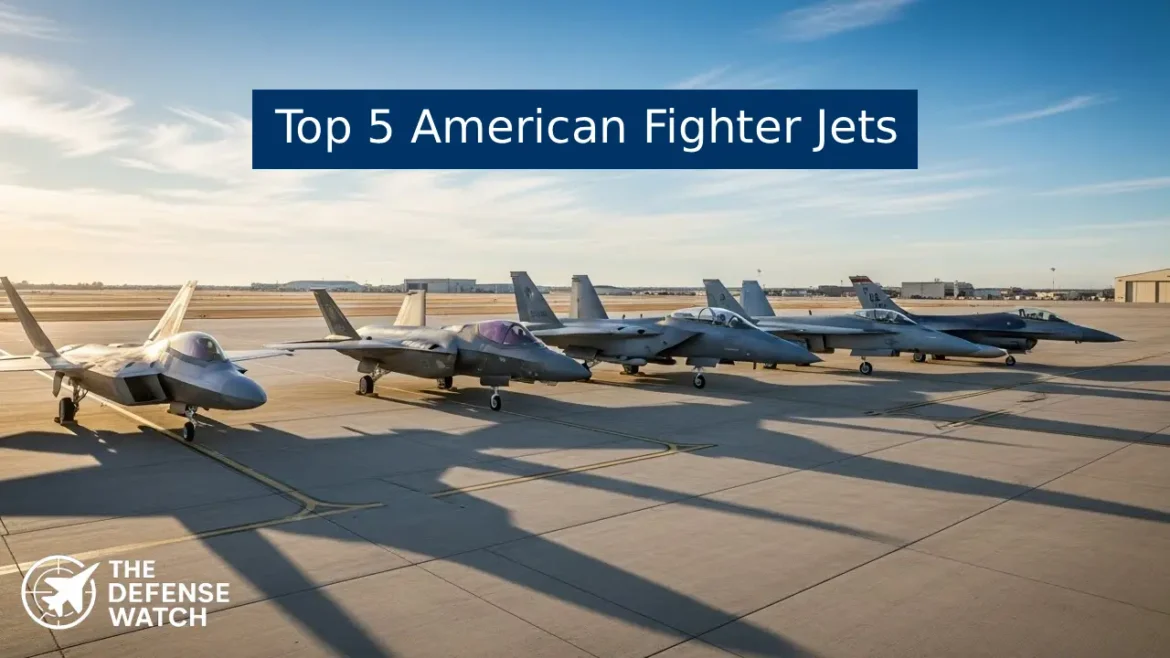
The top 5 American fighter jets define the core of United States airpower, and each American fighter jet in this group supports a different mission set across global operations. These aircraft cover air dominance, strike, electronic attack, and multirole missions. They also form the backbone of joint and allied air campaigns.
This report outlines the current inventory, the roles of each platform, and the factors that continue to shape U.S. air combat planning.
The Top 5 American Fighter Jets
1. F 22 Raptor
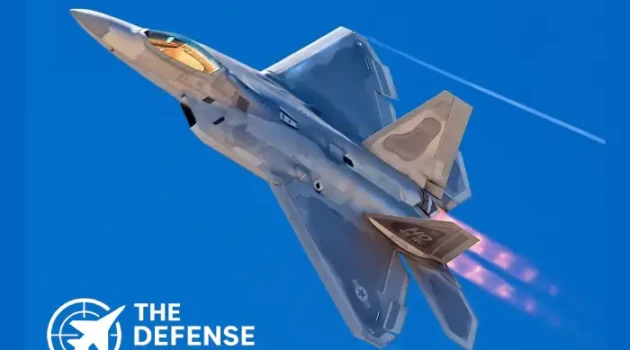
The F 22 serves as the primary air superiority fighter in U.S. service. It uses low observable shaping, advanced avionics, and high thrust to weight performance. The aircraft excels in beyond visual range engagement, but it can also operate in dense threat environments for air to air work. The fleet remains limited in size, and production ended in 2012. The platform still holds a unique position due to its supercruise speed and sensor fusion.
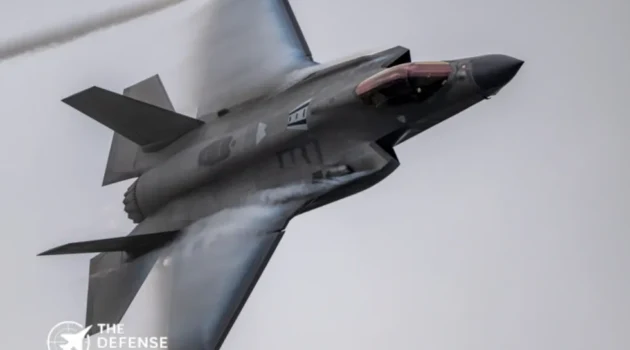
2. F 35 Lightning II
The F 35 is the widest fielded fifth generation fighter in U.S. service. It comes in three variants for the Air Force, Navy, and Marine Corps. The aircraft integrates strike, electronic attack, and intelligence functions. Its ability to pass targeting data to other platforms is a core feature of joint operations. The large procurement program makes it central to long term planning, both for the United States and allied fleets.
3. F 15EX Eagle II
The F 15EX is the newest evolution of the F 15 line. It keeps the well known range and payload of earlier Eagles but adds an open systems backbone, upgraded mission computers, and the latest radar set. The aircraft provides capacity for large weapon loads during stand off strike operations. It also offers rapid integration of new air to air and air to ground weapons due to its digital architecture.
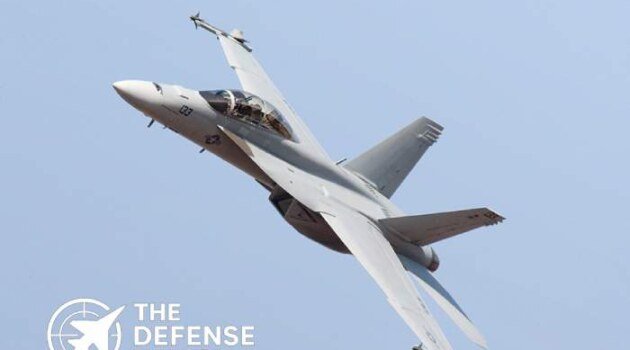
4. F 18E and F 18F Super Hornet
The Super Hornet remains the core carrier based fighter for the Navy. It covers strike, air defense, and maritime missions. It also serves as a key node in naval air wings due to its reliability and broad mission loadout. Modernization programs continue to support radar upgrades and new weapons integration.
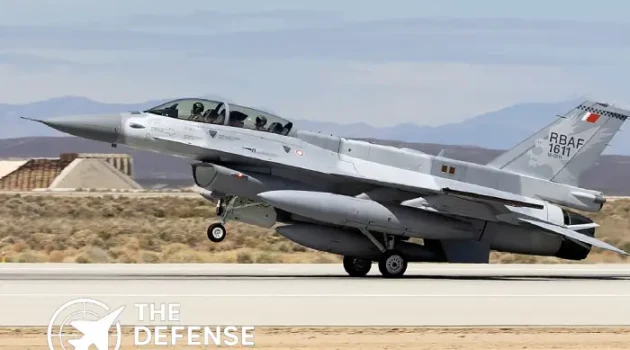
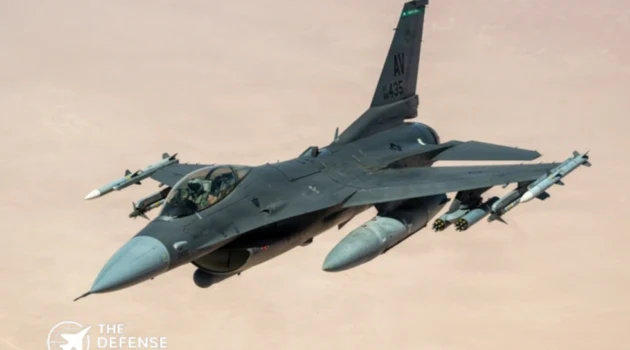
5. F 16 Fighting Falcon
The F 16 remains a large portion of the Air Force fleet. It is used for homeland defense, forward deployments, and precision strike. Even as fifth generation jets expand, the F 16 continues to receive avionics upgrades and radar improvements. Its smaller size and lower operating cost make it suited for steady state operations in multiple theaters.

Mission Roles Across the Fleet
Air Superiority
The F 22 and F 15EX carry the largest air to air loadouts and operate at long ranges. These platforms protect airspace, support joint forces, and counter advanced threats.
Multirole Strike
The F 35, F 18, and F 16 each handle both air to air work and ground attack missions. Their flexibility allows the Air Force and Navy to assign them to rapid deployments or integrated exercises.
Carrier Operations
Only the F 18 and the short takeoff version of the F 35 operate from ships. This gives the Navy and Marine Corps fixed wing strike capacity in distant regions without relying on land bases.
Modernization and Future Direction
The mix of fifth generation and advanced fourth generation fighters reflects the current transition in U.S. planning. The Air Force continues service life extensions for the F 16, while the F 35 fleet grows each year. The F 15EX fills a high payload role that fifth generation aircraft cannot match. The Navy uses the Super Hornet as a bridge while the carrier based F 35C expands.
A future sixth generation platform is in development, but until it enters production the top 5 American fighter jets listed here will remain the primary tools for combat aviation.
Analysis
The combination of stealth aircraft, high capacity fighters, and long serving multirole platforms reflects a layered approach to air combat. Each aircraft supports a specific mission while contributing to shared sensor networks and distributed operations. This model seeks to counter advanced air defense systems, extend engagement ranges, and support joint strike missions across maritime and land theaters.
As global competitors increase investment in long range missiles and modern fighters, the United States continues to focus on survivability, electronic attack, and shared targeting. The F 35 plays a central role in this networked model. The F 22 still shapes air dominance doctrine, but its limited numbers highlight the need for a future air superiority platform. The large fleets of F 16 and Super Hornet remain important because they provide operational volume during long deployments.
The final structure of the future U.S. force will depend on budgets, production rates, and technology timelines, but current plans suggest the top 5 American fighter jets will stay in service well into the 2030s.
FAQs
What is the most advanced American fighter jet?The F 22 holds the highest air to air performance in U.S. service.
Which American fighter jet is the most widely used?The F 16 has the largest fleet, while the F 35 is the largest ongoing procurement program.
What fighter jet does the U.S. Navy rely on?The Navy operates the F 18E and F 18F, alongside the carrier variant of the F 35.
Are all American fighter jets stealth platforms?No. Only the F 22 and F 35 are low observable. The F 15EX, F 18, and F 16 are advanced fourth generation designs.
How long will these jets remain in service?Most platforms are planned to remain through the 2030s, with upgrades extending service life where required.