
Poland’s Xerall ATD All-Terrain Drone Targets Multi-Domain Rescue Missions
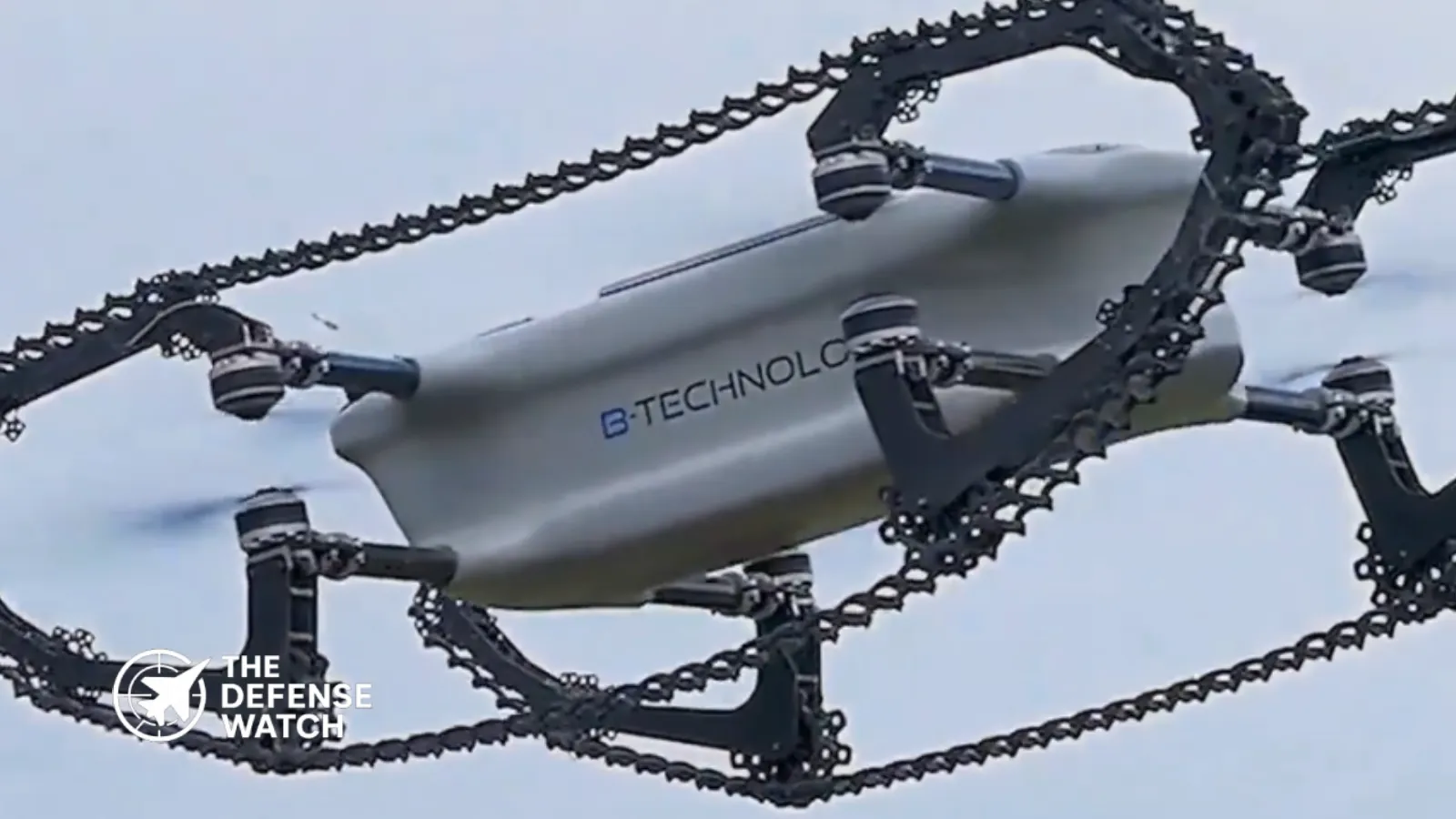
The Xerall ATD all-terrain drone developed by Xerall represents a new approach to unmanned systems by combining air, land, and water mobility in a single platform designed for high-risk environments.
The system is engineered to operate across multiple domains without requiring platform changes, allowing it to fly, drive, and swim depending on mission requirements. It also features vertical takeoff and landing, enabling deployment in confined or infrastructure-limited areas.
- Poland-based Xerall developed the Xerall ATD, a multi-domain drone capable of air, land, and water operations.
- The system features vertical takeoff and landing and can transition between flying, driving, and swimming modes.
- Designed for extreme environments, the drone supports search and rescue missions in hazardous or inaccessible areas.
- The platform aims to reduce risk to human responders during disaster relief and emergency operations.
- The development reflects growing demand for multi-role unmanned systems across civilian and defense sectors.
This combination addresses a persistent gap in search and rescue operations, where terrain and environmental constraints often delay response times or limit access altogether.
Designed For High-Risk And Complex Environments
The Xerall ATD all-terrain drone is primarily aimed at search and rescue missions, particularly in areas that are difficult or dangerous for human responders. These include flood zones, mountainous terrain, collapsed urban structures, and remote wilderness areas.
Its amphibious capability allows it to transition seamlessly between water and land, a key advantage during flooding or maritime emergencies. Meanwhile, aerial mobility provides rapid situational awareness and access to otherwise unreachable locations.
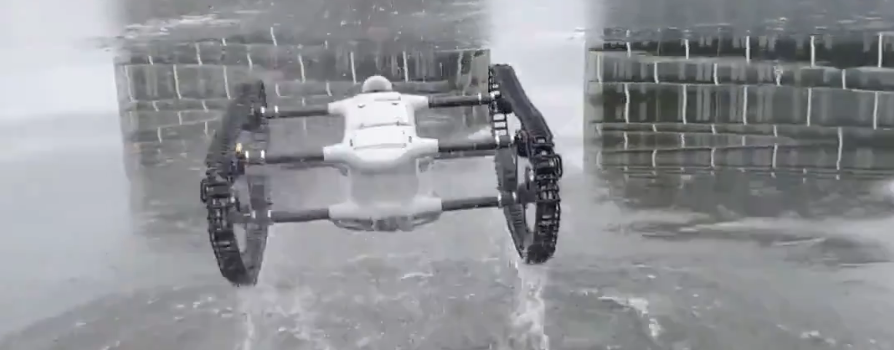
Such versatility reduces reliance on multiple specialized systems, which can complicate logistics and increase operational costs during time-sensitive missions.
From an operational standpoint, the platform could support first responders by delivering supplies, conducting reconnaissance, or locating survivors without exposing personnel to immediate danger.
Growing Demand For Multi-Domain UAV Systems
The development of the Xerall ATD all-terrain drone aligns with broader trends in unmanned systems, where flexibility and multi-role capability are increasingly prioritized.
Defense and emergency management agencies are seeking platforms that can adapt to diverse mission sets while minimizing deployment complexity. Traditional UAVs, while effective in aerial roles, often lack the ability to operate once grounded or in aquatic environments.
By contrast, hybrid systems like the Xerall ATD aim to bridge that gap. Similar concepts have been explored globally, but practical, field-ready implementations remain limited.
Industry analysts note that multi-domain drones could play a critical role in future disaster response frameworks, particularly as climate-related emergencies increase in frequency and severity.
Operational Implications And Potential Use Cases
While the Xerall ATD all-terrain drone is positioned primarily for civilian applications, its underlying technology has clear dual-use potential.
Military forces could employ such systems for reconnaissance in contested or denied environments, especially in areas with mixed terrain such as coastal regions or riverine zones. The ability to operate across domains without manual intervention offers tactical flexibility and reduces exposure of personnel.
In addition, the platform could support logistics missions in austere environments, where conventional vehicles or aircraft face limitations.
However, adoption will depend on factors such as endurance, payload capacity, and system reliability under real-world conditions, areas that typically determine whether emerging UAV technologies transition from prototype to operational deployment.
Technology Integration And Future Outlook
The Xerall ATD all-terrain drone highlights ongoing innovation within the European unmanned systems sector, where smaller firms are increasingly contributing to niche capability development.
As governments and agencies prioritize resilience and rapid response, demand for adaptable systems is expected to grow. Platforms capable of multi-environment operation may become a standard component of future emergency response and defense toolkits.
At the same time, integration with existing command and control systems, as well as regulatory considerations, will shape how quickly such technologies are adopted at scale.
Get real time update about this post category directly on your device, subscribe now.
