

Executive Summary:
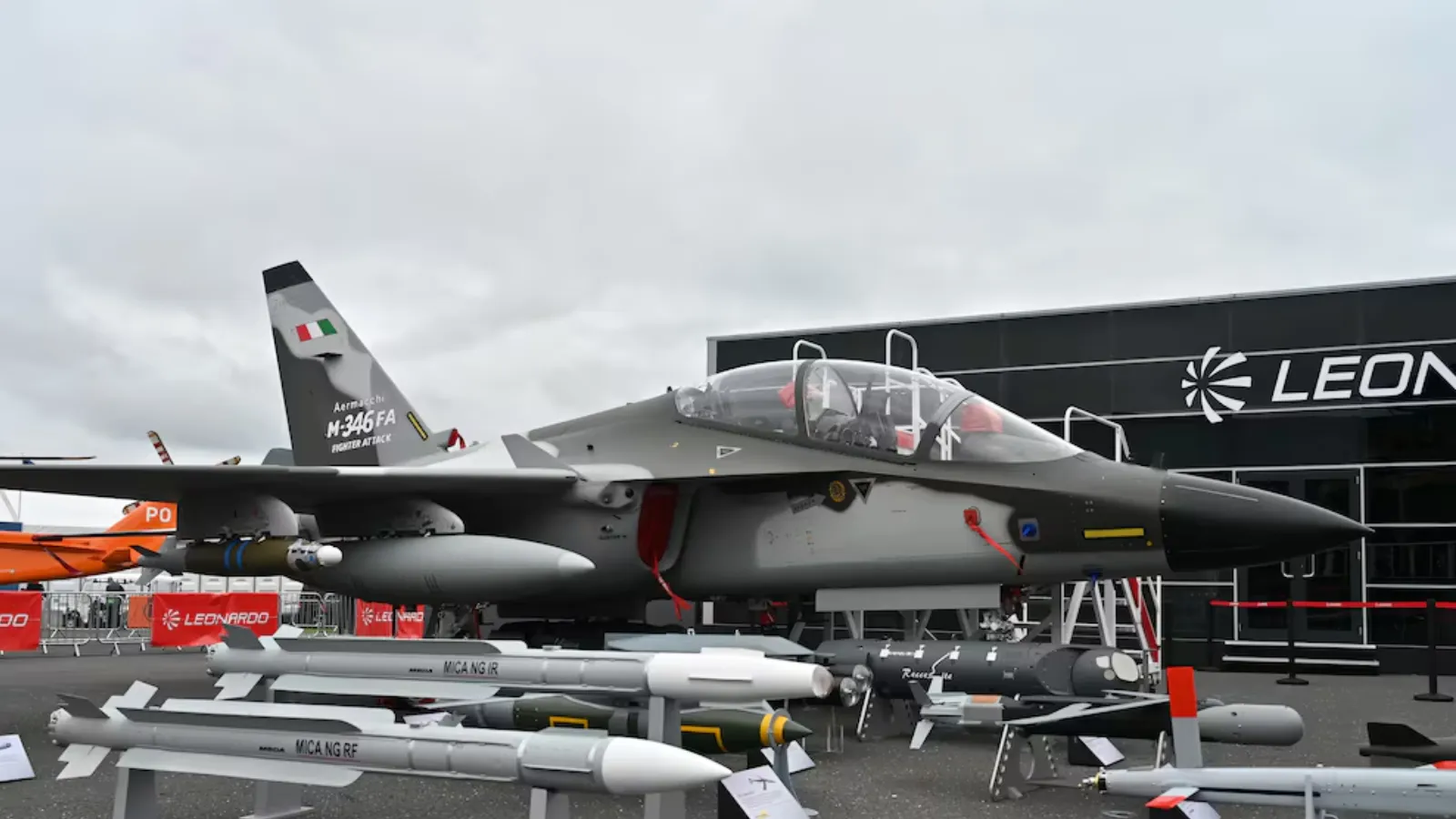
Indonesia has finalized an order for 12 Leonardo M-346F Block 20 light fighter aircraft, marking the country’s latest investment in combat aviation modernization. At the same time, Jakarta has signed a Letter of Intent to explore procurement of AW149 naval helicopters, expanding cooperation with the Italian defense company across both air force and naval aviation programs.
Indonesia Orders Leonardo M-346F Light Fighters To Expand Air Combat Capability
Indonesia has ordered 12 Leonardo M-346F Block 20 light fighters, reinforcing its long term air force modernization strategy while broadening defense cooperation with Italy. The agreement, announced by Leonardo during the Farnborough International Airshow, includes aircraft deliveries beginning in 2030 alongside localized maintenance, overhaul, training, and industrial support capabilities.
The procurement makes Indonesia the 23rd operator of the M,346 family and the first customer in Asia for the latest Block 20 fighter variant. According to Leonardo, the agreement also supports technology transfer and workforce development through cooperation with Indonesian industry.
What Indonesia Is Buying
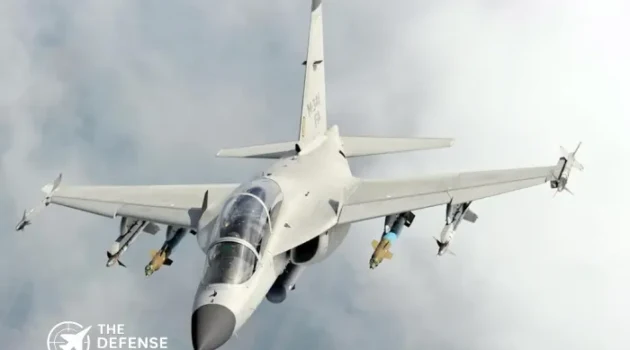
Unlike the well known M,346 advanced jet trainer, the M-346F Block 20 is configured as a dedicated multirole light fighter capable of both combat and operational conversion training.
Key capabilities include:
| Capability | Details |
|---|---|
| Radar | Active Electronically Scanned Array (AESA) radar |
| Data Link | Link 16 tactical network |
| Weapons | Seven external hardpoints |
| Refueling | Air to air refueling capability |
| Survivability | Integrated electronic countermeasures |
| Role | Light attack, air policing, advanced pilot training |
Leonardo says the M-346 fleet has accumulated more than 170,000 flight hours worldwide, demonstrating operational maturity across multiple international operators.
Local Industry Plays A Major Role
Beyond the aircraft themselves, the contract places significant emphasis on Indonesia’s domestic aerospace sector.
The package includes:
- Local maintenance and overhaul capability
- Training infrastructure
- Technical support
- Human capital development
- Industrial cooperation with Indonesian partners
These provisions align with Jakarta’s broader defense industrial policy of pairing major foreign acquisitions with technology transfer and local capability development.
AW149 Naval Helicopters Also Under Consideration
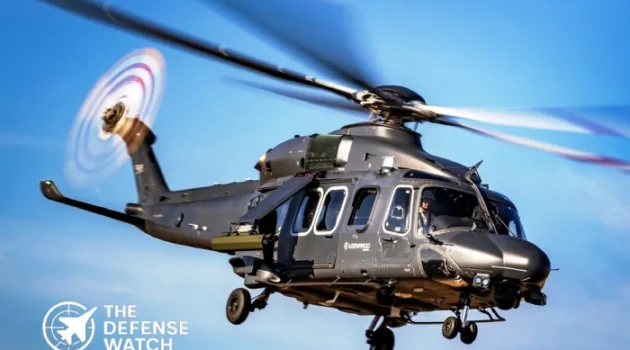
Alongside the fighter agreement, Leonardo, Indonesia’s Ministry of Defense, and PT ESystem Solutions signed a Letter of Intent covering the potential acquisition of AW149 medium military helicopters for the Indonesian Navy.
The proposed helicopters would support:
- Search and rescue missions
- Disaster response
- Maritime security
- Shipborne operations
- Land based utility missions
Indonesian defense officials emphasized that the Letter of Intent is an exploratory step rather than a finalized procurement contract. Officials have not disclosed the number of helicopters or a delivery timeline.
A More Diverse Air Force
The Leonardo purchase adds another platform to an already diverse Indonesian Air Force inventory.
Current and planned fighter aircraft include:
- F,16 Fighting Falcon
- Su,27 Flanker
- Su,30 Flanker
- T,50i Golden Eagle
- Dassault Rafale
- Leonardo M-346F Block 20
Indonesia also remains involved in South Korea’s KF,21 fighter development while continuing discussions surrounding other future combat aircraft programs.
This diversified procurement strategy reduces dependence on any single supplier but also increases long term demands for logistics, maintenance, pilot training, spare parts management, and interoperability.
Why The Procurement Matters
From a strategic perspective, the M-346F fills an important niche between advanced trainers and high end multirole fighters.
Rather than replacing aircraft such as the Rafale, the platform offers Indonesia a lower operating cost solution for:
- Air sovereignty patrols
- Pilot transition training
- Close air support
- Maritime strike with compatible weapons
- Homeland defense missions
This layered force structure allows expensive frontline fighters to focus on higher threat missions while the lighter M-346F performs routine operational tasks.
For Indonesia, whose territory stretches across more than 17,000 islands, maintaining persistent air coverage requires both capability and affordability. Light fighters can provide greater sortie generation at lower operating costs than larger fourth or fifth generation combat aircraft.
Implications For Regional Defense
The agreement also strengthens Italy’s position as an increasingly important defense partner in Southeast Asia.
Leonardo is no longer supplying only aircraft. Its growing role now includes:
- Combat aircraft
- Helicopter programs
- Industrial partnerships
- Training infrastructure
- Sustainment support
For Indonesia, this approach supports its long standing policy of diversifying defense suppliers while encouraging domestic industrial participation.
The proposed AW149 program similarly reflects Jakarta’s effort to expand naval aviation capabilities as it seeks greater maritime awareness across one of the world’s largest archipelagic regions. Additional medium helicopters would improve search and rescue coverage, humanitarian assistance, and embarked operations aboard future naval platforms.
Outlook
If deliveries proceed as scheduled, Indonesia is expected to begin receiving its M-346F Block 20 aircraft in 2030. Meanwhile, negotiations over the AW149 remain at the Letter of Intent stage and will require a formal procurement contract before production begins.
Together, the two initiatives highlight Jakarta’s continued investment in modernizing both its air force and naval aviation while expanding industrial cooperation with international defense partners.
Executive Summary:
Leonardo used the 2026 Farnborough International Airshow to showcase its expanding portfolio of multi domain defense technologies, including its role in the Global Combat Air Programme (GCAP), new counter drone capabilities, and the Michelangelo Dome integrated air defense architecture. The exhibition underscores the company’s growing focus on integrated sensing, electronic warfare, and sovereign industrial partnerships supporting UK and allied defense modernization.
Leonardo Highlights GCAP, Counter Drone And Michelangelo Dome Capabilities At Farnborough 2026
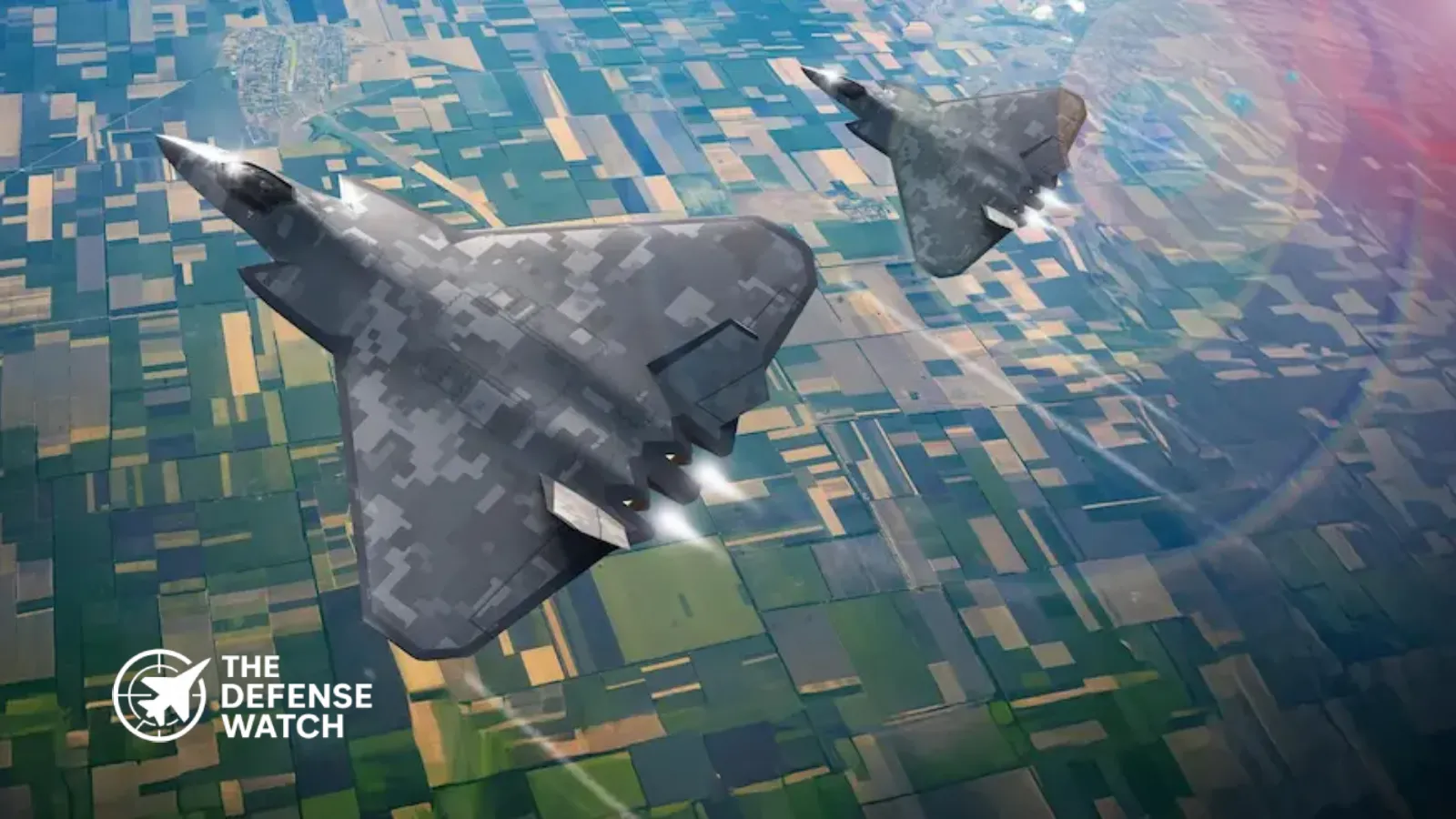
Leonardo’s GCAP technologies formed the centerpiece of the company’s presence at the 2026 Farnborough International Airshow, where it also introduced a broad portfolio of counter drone, electronic warfare, radar, and integrated air defense capabilities. The company said the display reflects its strategy of delivering connected, multi domain systems designed to address increasingly complex operational environments.
The exhibition comes as allied nations accelerate investments in integrated air and missile defense, electronic warfare, and next generation combat aircraft in response to rapidly evolving aerial threats, including drones, cruise missiles, and advanced long range strike systems.
According to Leonardo, its Farnborough showcase also highlights the company’s extensive industrial footprint in the United Kingdom, where thousands of employees contribute to research, manufacturing, and advanced defense technology development.
GCAP Remains Central To Leonardo’s Future Combat Vision
The Global Combat Air Programme (GCAP) remains one of Europe’s largest defense modernization initiatives. The trilateral program brings together the United Kingdom, Italy, and Japan to develop a sixth generation combat aircraft expected to enter service during the mid 2030s.
Leonardo is responsible for several critical technology areas, including:
Capability Leonardo Contribution Advanced sensors Multi-function radar and sensing architecture Electronic warfare Digital electronic attack and protection systems Mission systems Sensor fusion and battle management Communications Secure, high bandwidth information sharing Integrated avionics Next generation mission computing Rather than focusing solely on aircraft performance, GCAP is designed as a highly networked combat ecosystem capable of integrating crewed aircraft, autonomous systems, satellites, and ground based assets into a unified operational picture.
Leonardo stated that digital engineering and open systems architecture remain central to reducing development timelines while allowing future capability upgrades throughout the aircraft’s service life.
Counter Drone Technologies Address Rapidly Expanding Threat
A major portion of Leonardo’s exhibit focuses on counter unmanned aircraft systems (C-UAS), reflecting the growing operational importance of defending military bases, critical infrastructure, and deployed forces against increasingly sophisticated drone attacks.
The company’s counter drone portfolio combines multiple technologies into a layered defensive architecture, including:
- Advanced surveillance radar
- Passive radio frequency detection
- Electro-optical and infrared sensors
- Electronic warfare systems
- Command and control software
- Integrated effectors for threat neutralization
Leonardo emphasized that modern counter drone operations increasingly require rapid sensor fusion capable of identifying, tracking, classifying, and responding to multiple unmanned aircraft simultaneously.
The company noted that scalable architectures allow customers to tailor systems for fixed installations, expeditionary deployments, airports, ports, and critical national infrastructure.
Michelangelo Dome Brings Layered Air Defense Together
Another major capability on display is Michelangelo Dome, Leonardo’s integrated air defense architecture designed to combine sensors, command systems, and multiple defensive effectors into a unified network.
Rather than representing a single interceptor system, Michelangelo Dome functions as an integrated command architecture capable of coordinating:
- Air surveillance radars
- Counter drone sensors
- Air defense command networks
- Surface based interceptors
- Electronic warfare assets
The system is intended to improve situational awareness while enabling commanders to prioritize threats and coordinate responses across multiple defensive layers.
As drone swarms and mixed attacks involving cruise missiles and loitering munitions become increasingly common, integrated command architectures have become a priority across NATO and partner nations.
UK Industrial Base Plays Key Strategic Role
Leonardo used the Farnborough exhibition to emphasize its long standing presence within the United Kingdom’s defense industrial base.
The company supports thousands of highly skilled jobs across facilities involved in:
- Radar production
- Helicopter manufacturing
- Electronic warfare development
- Cyber capabilities
- Advanced aircraft technologies
- Space systems
The company said these investments contribute to sovereign defense capability while strengthening collaboration across government, academia, and industry.
Leonardo also highlighted ongoing cooperation with British small and medium sized enterprises, universities, and technology partners supporting innovation across future defense programs.
Why The Showcase Matters
Leonardo’s Farnborough presentation reflects broader changes occurring across Western defense planning. Modern military modernization programs increasingly prioritize integrated combat networks rather than standalone platforms.
Several operational trends explain this shift:
- Drone proliferation has expanded the requirement for layered air defense.
- Electronic warfare has become central to both offensive and defensive operations.
- Future combat aircraft must operate as networked command nodes instead of isolated platforms.
- Artificial intelligence and sensor fusion are becoming essential for reducing operator workload and accelerating decision making.
For the United States and allied militaries, these developments reinforce the importance of interoperability across NATO and partner nations. Programs such as GCAP complement other next generation initiatives by emphasizing open architectures capable of integrating multinational technologies.
Similarly, integrated air defense concepts like Michelangelo Dome reflect growing demand for systems that can combine radar, electronic warfare, and kinetic defenses into a coordinated response against increasingly complex aerial threats.
Rather than relying on individual weapon systems, future defense planning increasingly centers on connected ecosystems capable of sharing data across domains in real time. Leonardo’s latest portfolio demonstrates how European industry is positioning itself to support that transition.
Outlook
Leonardo’s presence at the 2026 Farnborough International Airshow illustrates the company’s continued investment in next generation combat aviation, integrated air defense, and counter drone technologies.
With GCAP progressing toward the next phase of development and demand for layered air defense continuing to grow, the company’s portfolio reflects broader priorities shaping defense modernization across Europe and allied nations. The emphasis on integrated sensors, electronic warfare, and digital command architectures aligns closely with evolving operational requirements driven by increasingly contested air and electromagnetic environments.


Executive Summary:
Italian aerospace and defense manufacturer Leonardo has secured an order for 15 helicopters from Avincis, Europe’s largest emergency aerial services provider. The acquisition will expand emergency medical services, search and rescue coverage, and offshore transport capabilities across several European markets between 2028 and 2031.
The agreement covers ten Leonardo AW169 light-intermediate twin-engine helicopters and five AW139 medium twin-engine helicopters. Deliveries are scheduled from 2028 through 2031 as part of Avincis’ long-term fleet modernization and expansion strategy. Financial terms were not disclosed.
Avincis, headquartered in Portugal, operates one of the world’s largest emergency aviation networks, supporting helicopter emergency medical services (HEMS), search and rescue (SAR), aerial firefighting, air ambulance, and offshore energy transport missions across Europe, Africa, and South America.
Deep Technical & Strategic Context Analysis
The order highlights a broader trend across Europe’s emergency aviation sector: operators are increasingly transitioning toward larger, multi-role helicopters capable of carrying more medical personnel, advanced life-support equipment, rescue hoists, and extended fuel loads without sacrificing performance. The AW169 and AW139 have emerged as two of the most successful platforms in this category because they bridge the gap between compact EMS helicopters and larger transport aircraft.
The AW169 occupies a unique position in the global rotorcraft market. With orders approaching 400 aircraft worldwide, it offers a modern digital cockpit, high power-to-weight ratio, and a spacious cabin optimized for medical evacuation missions. One of its most distinctive features is its Auxiliary Power Unit (APU) mode, which allows critical onboard systems, including climate control, communications equipment, and medical devices, to remain operational while the main rotors are stopped. This capability is particularly valuable during patient loading and treatment at accident scenes or hospital landing zones.
Meanwhile, the AW139 remains the benchmark in the medium twin-engine helicopter segment. More than 1,500 aircraft have been delivered to over 300 operators in roughly 90 countries, making it one of the most successful rotorcraft programs ever developed. The platform’s long-range capability, high dispatch reliability, and 60-minute run-dry main gearbox certification have made it a preferred choice for SAR, coast guard, offshore energy, and government operators worldwide.
From a strategic perspective, the contract reinforces Leonardo’s dominance in the civil and parapublic rotorcraft market at a time when European governments and regional authorities are expanding investments in emergency response infrastructure. Increasing climate-related disasters, offshore energy activity, and growing demand for rapid medical evacuation services are driving sustained demand for advanced twin-engine helicopters capable of operating in challenging weather and remote environments.
Contract Breakdown & Details
Order Composition
- 10 AW169 light-intermediate twin-engine helicopters
- 5 AW139 medium twin-engine helicopters
- Customer: Avincis
- Manufacturer: Leonardo
- Delivery Period: 2028 to 2031
- Contract Value: Not publicly disclosed
Planned Operational Roles
The aircraft will support:
- Helicopter Emergency Medical Services (HEMS)
- Air ambulance operations
- Search and Rescue (SAR)
- Maritime rescue missions
- Offshore energy transportation
- Public safety and emergency response operations
Swedish EMS Deployment
Leonardo confirmed that:
- Three AW169 helicopters will be assigned to emergency medical service operations in Sweden.
- The aircraft will support missions in the Uppsala and Västra Götaland regions.
- Deployments are tied to a recently awarded 10-year EMS services contract.
Existing Leonardo Presence Within Avincis
Avincis is already one of Leonardo’s largest civil rotorcraft operators in Europe.
Current fleet includes:
- Approximately 70 Leonardo helicopters
- Large numbers of AW139s
- Existing AW169 fleet
- Additional AW109 aircraft
The company became the first operator globally to exceed 5,000 flight hours on the AW169 platform during Swedish EMS operations.
Why This Order Matters
For Leonardo
- Strengthens its leading position in the European emergency services helicopter market.
- Expands backlog visibility through 2031.
- Reinforces the commercial success of both the AW169 and AW139 families.
- Supports a business segment that represented roughly a quarter of company revenue in recent years.
For Avincis
- Enhances fleet standardization.
- Improves operational flexibility across multiple mission sets.
- Supports expansion into new European service contracts.
- Provides greater capacity for growing EMS and SAR demand.

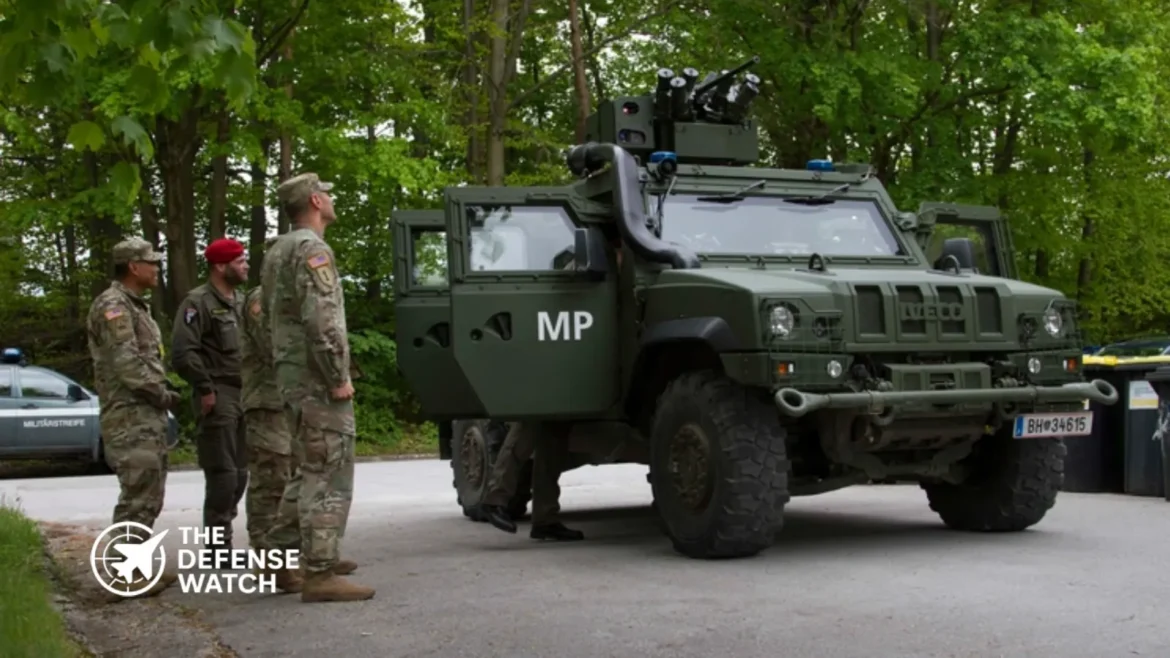
- Rheinmetall’s planned acquisition of Iveco’s military trucks business has been delayed.
- The delay stems from Leonardo’s pending €1.7 billion purchase of Iveco Defence Vehicles.
- The transaction forms part of a broader restructuring of Iveco’s commercial and defense operations.
- Rheinmetall had expected the military truck unit handover by the end of March 2026.
- The deal reflects growing consolidation in Europe’s land defense vehicle sector.
Rheinmetall Iveco Military Trucks Deal Delayed
The Rheinmetall Iveco military trucks deal has been delayed after Italy’s Leonardo has yet to finalize its acquisition of Iveco Defence Vehicles, creating a temporary pause in a broader restructuring of Europe’s land defense vehicle industry.
Executives at the German defense manufacturer confirmed the delay during an analyst call on March 11, noting that Rheinmetall expected to receive the military truck unit by the end of March but must now wait until Leonardo completes its purchase of the defense division.
The delay highlights the complex chain of transactions reshaping the European military vehicle market.
The Big Picture
European defense companies are undergoing rapid consolidation as governments increase defense spending and seek greater industrial sovereignty.
The restructuring surrounding Iveco illustrates this shift. The Italian truck maker has agreed to split its operations into two separate transactions.
India’s Tata Motors is acquiring Iveco’s commercial truck and bus business in a deal valued at approximately €3.8 billion, while Italy’s state-controlled Leonardo will purchase the defense unit Iveco Defence Vehicles (IDV) for €1.7 billion.
These moves aim to strengthen national control over strategic military manufacturing while enabling global partnerships in the commercial vehicle sector.
For Europe’s defense industry, the transaction reflects a broader effort to build stronger regional land systems capabilities amid rising geopolitical tensions and increased military spending across NATO.
What’s Happening
Rheinmetall had reached a handshake agreement to acquire the military truck operations from Leonardo once the Italian defense company completes its purchase of Iveco Defence Vehicles.
However, Leonardo has not yet finalized its acquisition from Iveco, delaying Rheinmetall’s next step.
Rheinmetall CEO Armin Papperger said the delay stems directly from the earlier transaction in the chain.
“The first deal between Iveco and Leonardo had a delay, and then our deal has also a delay,” Papperger said during the analyst call.
According to company officials, Rheinmetall expected the military truck business to transfer by the end of March 2026 but remains in regular contact with Leonardo regarding the timeline.
Leonardo has previously stated that its acquisition of Iveco Defence Vehicles should close during the first quarter of 2026, pending regulatory and procedural completion.
Why It Matters
Military logistics vehicles are critical assets for modern armed forces.
While tanks and armored vehicles often dominate headlines, heavy military trucks serve as the backbone of military logistics networks. They transport troops, ammunition, fuel, missile systems, and engineering equipment across operational theaters.
Companies such as Rheinmetall, Iveco Defence Vehicles, and Oshkosh Defense play major roles in this sector.
For Rheinmetall, the acquisition would expand its footprint in the wheeled military vehicle segment and strengthen its supply chain for NATO customers.
The move also complements the company’s broader land systems portfolio, which includes armored vehicles, artillery systems, and logistics platforms used by multiple European militaries.
Strategic Implications
The Rheinmetall Iveco military trucks deal forms part of a wider trend toward consolidation in Europe’s defense industrial base.
Several strategic implications stand out.
First, the transaction would deepen cooperation between German and Italian defense manufacturers. Rheinmetall and Leonardo already operate a joint venture focused on armored vehicles, strengthening cross-border industrial integration.
Second, acquiring the military truck unit would allow Rheinmetall to broaden its logistics vehicle production capabilities at a time when NATO members are rapidly expanding their military inventories.
European militaries are increasing procurement of transport trucks, armored logistics vehicles, and heavy mobility platforms to support expanded ground forces and high-intensity operations.
Third, the deal highlights Europe’s desire to keep sensitive defense manufacturing within allied industrial networks rather than allowing acquisitions by external companies.
Competitor View
Competitors are closely watching the consolidation of Europe’s land vehicle sector.
Russia maintains a large domestic military truck industry, supplying vehicles for logistics and missile platforms across its armed forces.
China has also expanded its military logistics vehicle production through companies such as Shaanxi Automobile Group and Dongfeng Motor Corporation.
Both countries rely heavily on domestic vehicle manufacturing to support large-scale military mobility.
From that perspective, European consolidation efforts may be interpreted as an attempt to strengthen NATO’s industrial base and ensure sustained production capacity during prolonged conflicts.
Such capacity has become a strategic priority following the war in Ukraine and the surge in European defense budgets.
What To Watch Next
The next milestone is the completion of Leonardo’s acquisition of Iveco Defence Vehicles.
Once that transaction closes, negotiations between Leonardo and Rheinmetall can formally proceed regarding the military trucks unit.
Analysts expect several developments to follow.
First, Rheinmetall could integrate the truck business into its existing land systems structure.
Second, the company may expand production capacity to meet rising European military demand.
Third, additional joint projects between Rheinmetall and Leonardo could emerge as the two firms deepen their industrial cooperation.
Capability Gap
European militaries face persistent logistics mobility challenges.
Large-scale land operations require thousands of reliable transport vehicles capable of operating across difficult terrain while supporting armored formations.
The integration of Iveco’s military truck technology with Rheinmetall’s defense systems could help address several capability gaps.
These include:
- high-mobility logistics vehicles
- protected transport trucks
- integrated support vehicles for missile and artillery systems
However, the sector also faces constraints such as supply chain pressures, production bottlenecks, and workforce shortages that could slow expansion efforts.
The Bottom Line
The Rheinmetall Iveco military trucks deal remains strategically important for Europe’s defense industry, but its progress now depends on the timely completion of Leonardo’s acquisition of Iveco Defence Vehicles.
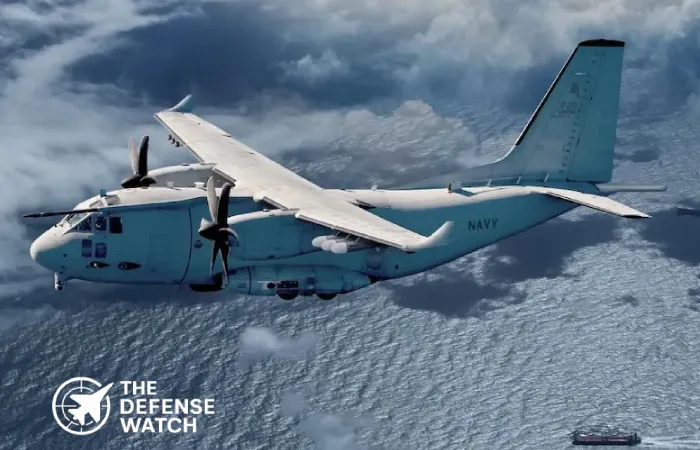
Saudi Arabia Signs Leonardo C-27J Maritime Patrol Aircraft Contract
Saudi Arabia’s Ministry of Defence has signed a contract with Italy’s Leonardo to acquire four C-27J Maritime Patrol Aircraft, with deliveries to the Royal Saudi Naval Forces beginning in 2029, according to official reports and industry sources.
(adsbygoogle = window.adsbygoogle || []).push({});The agreement marks a key expansion of Saudi military aviation, giving the kingdom new fixed-wing maritime patrol and multi-mission capabilities. The Royal Saudi Naval Forces will become the 21st global operator of the C-27J platform.
New C-27J Maritime Patrol Capability for Saudi Naval Aviation
The C-27J Spartan is a twin-engine tactical transport aircraft that has been adapted into a Maritime Patrol Aircraft (MPA) configuration for the Saudi contract. In this role the aircraft will support anti-submarine and anti-surface warfare, search and rescue missions, transport and airdrop operations.
Leonardo says the Saudi C-27J MPAs will include advanced mission systems, sensors and communications packages tailored for maritime surveillance and domain awareness. These systems are designed to detect, identify and track surface and submarine threats and provide real-time data sharing with command centers and other assets.
Strategic Context and Platform Versatility
The contract follows a prior 2025 order by Saudi users for C-27J aircraft in multi-role and firefighting configurations, reflecting growing demand for versatile fixed-wing platforms.
(adsbygoogle = window.adsbygoogle || []).push({});The MPA variant retains the core features of the C-27J Spartan Next Generation, including modern avionics, navigation, communication and self-protection systems. The aircraft can be reconfigured for transport, humanitarian aid or medical evacuation when required, underlining its multi-mission flexibility.
Deliveries and Operator Expansion
Deliveries will begin in 2029, with the Royal Saudi Naval Forces set to operate the aircraft in the coming years. Saudi Arabia’s introduction of the C-27J in the maritime patrol role expands the platform’s operational footprint beyond traditional tactical airlift missions.
- (adsbygoogle = window.adsbygoogle || []).push({});
The C-27J has logged more than 290,000 flight hours worldwide with existing operators across a range of mission sets, from troop and cargo transport to aerial firefighting and special missions.
Implications for Regional Naval Aviation
For Saudi Arabia, the addition of MPA-configured C-27Js reflects a broader effort to enhance naval and coastal security capabilities amid evolving maritime threat environments. The platform’s endurance, sensor suite and multi-role flexibility could support a spectrum of missions across the Red Sea, Arabian Gulf and beyond.
- (adsbygoogle = window.adsbygoogle || []).push({});

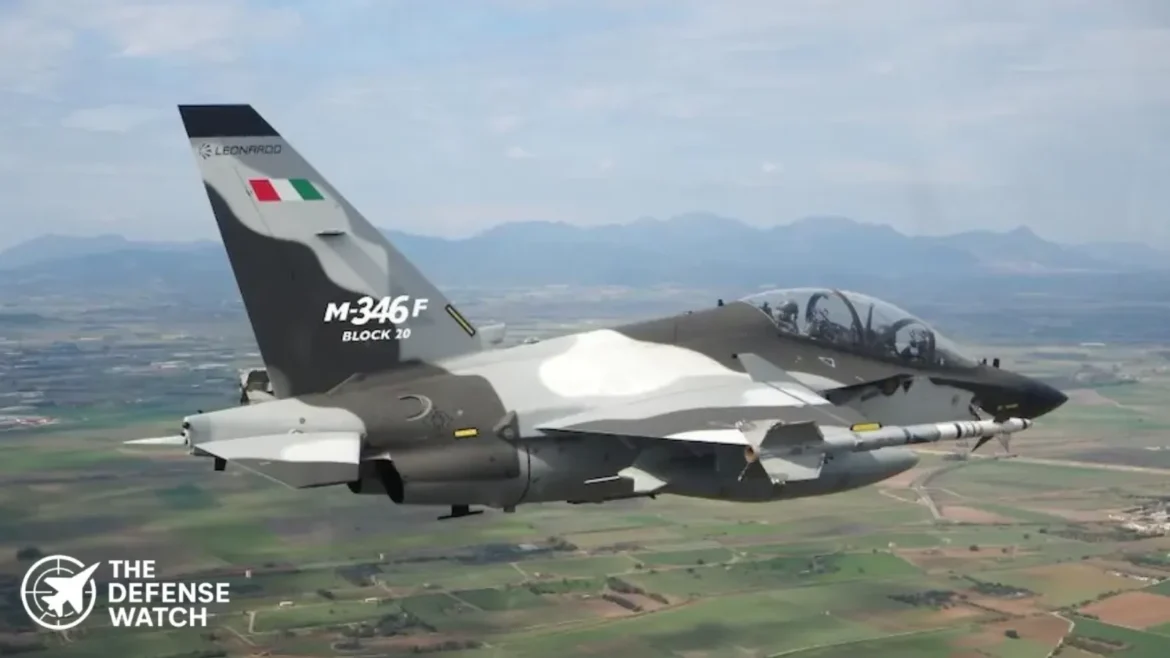
Indonesia Signs LOI With Leonardo for M-346 F Block 20
Indonesia and Italian defense company Leonardo have signed a Letter of Intent with PT ESystem Solutions Indonesia and the Ministry of Defence for the M-346 F Block 20 aircraft, aimed at meeting advanced training and light combat roles for the Indonesian Air Force, officials said at the Singapore Airshow 2026.
(adsbygoogle = window.adsbygoogle || []).push({});The agreement follows Jakarta’s selection of the M-346 platform to support operational training and replace ageing trainers in its fleet.
Letter of Intent Details
The LOI outlines cooperation on supply, training, and in-country support for the M-346 F Block 20 variant. It includes provisions for local maintenance, overhaul, pilot training, and workforce development in Indonesia. The parties said they will move toward a full procurement contract.
M-346 F Block 20 Platform Capabilities
The M-346 F Block 20 is the fighter-trainer version of Leonardo’s advanced jet trainer. It pairs pilot training features with light combat capabilities including sensors, weapons systems, and tactical data links. The aircraft’s cockpit has large area displays and advanced avionics, and the Block 20 standard incorporates digital upgrades to enhance mission flexibility.
According to Leonardo, the M-346 series has more than 150,000 flight hours logged and has been selected by some 20 countries worldwide for training and operational roles.
Strategic Context for Indonesia
Indonesia is in a broader phase of modernizing its air force fleet. Advanced trainer and light combat platforms help bridge training gaps and support transition to more capable fighters, while also replacing older types such as the BAE Systems Hawk.
Localizing maintenance and training support can strengthen Indonesia’s defense industrial base and human capital, officials said.
(adsbygoogle = window.adsbygoogle || []).push({});M-346 in the Global Market
The M-346 has been marketed globally as an advanced jet trainer with optional light fighter capability. In December 2025, Leonardo signed a contract with Austria to supply 12 M-346 F Block 20 aircraft under a government-to-government agreement, with deliveries slated from 2028.
Block 20 updates are part of Leonardo’s broader strategy to keep the M-346 competitive with modern training and operational requirements, including advanced avionics, integrated training systems, and enhanced networking capabilities.
What Comes Next
Officials said discussions will now continue toward finalizing a procurement contract. Neither Indonesia nor Leonardo has released specifics on numbers or delivery timelines.

U.S. Navy expands F-35 missile defense capability
The U.S. Navy has ordered Leonardo BRITECLOUD missile defense decoys to strengthen F-35 self protection against advanced radar guided threats. The move supports Navy efforts to improve aircraft survivability in high threat air defense environments.
The decoys will be used as part of the F-35 electronic warfare suite, adding an extra layer of defense against modern surface to air and air to air missile systems.
How BRITECLOUD supports F-35 survivability
BRITECLOUD is a small, expendable active decoy designed to defeat radar guided missiles. Once deployed, it creates a stronger radar signal than the aircraft, drawing incoming missiles away from the fighter.
Leonardo states that BRITECLOUD uses digital radio frequency memory technology to counter multiple threat types. The system is already in service with several allied air forces and is cleared for use on a range of combat aircraft.
For the F-35, BRITECLOUD missile defense decoys complement the jet’s stealth design and onboard sensors. Rather than replacing stealth, the system provides a backup option when aircraft are detected or operating closer to hostile air defenses.
Navy focus on layered aircraft protection
The U.S. Navy continues to invest in layered protection for its tactical aircraft. While the F-35 relies heavily on low observability and situational awareness, recent conflicts have shown the growing reach and density of integrated air defense systems.
By adding Leonardo BRITECLOUD decoys, the Navy improves resilience during contested operations, especially in maritime and expeditionary scenarios where escape options may be limited.
Program context and industry role
Leonardo UK leads BRITECLOUD production, with the system already integrated on platforms such as the Eurofighter Typhoon and Gripen. The Navy order reflects continued confidence in allied electronic warfare technology to meet evolving threat profiles.
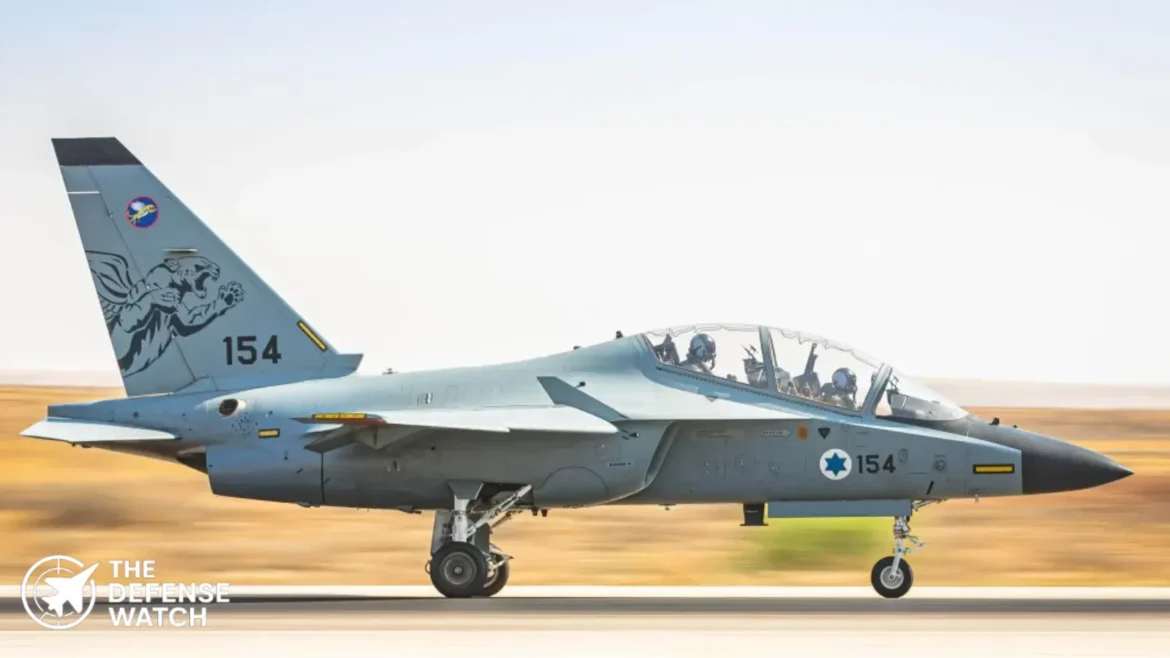
Austria’s federal government has signed a contract to buy 12 Leonardo M-346F Block 20 light combat aircraft for the Austrian Air Force, the Ministry of Defense and Leonardo confirmed in Rome on December 17, 2025. The aircraft will play a key role in Austria’s future air defense and pilot training programs, with the first deliveries expected in 2028.
New Acquisition for Air Defense and Training
Under the government-to-government agreement with Italy, Austria has contracted Leonardo to supply a fleet of 12 M-346F Block 20 light fighter and advanced trainer aircraft to the Luftstreitkräfte. The deal also includes training systems, simulator equipment for pilots and maintenance crews, spare parts, ground support gear and six years of logistical backing following first delivery.
The contract marks a significant step in modernizing Austria’s air capabilities. It follows earlier procurement cooperation between Vienna and Rome, such as recent orders for AW169M light utility helicopters.
What Are M-346F Block 20 Aircraft
The M-346F Block 20 represents a light combat version of Leonardo’s M-346 advanced jet trainer. It combines pilot training capabilities with multirole light strike functions. The aircraft features modern avionics including a large area display in the cockpit, active electronically scanned array (AESA) radar, a Link 16 datalink and electronic countermeasures. It can operate air-to-air and air-to-surface systems, extending its role beyond pure training.
This mixed-role design allows the Austrian Air Force to use the M-346F for advanced pilot training and lower-intensity combat tasks, freeing up heavier fighters for more demanding missions.
Contract Details and Delivery Schedule
The signed agreement covers aircraft delivered in a light fighter configuration under the M-346F Block 20 standard. In addition to the jets, the package includes complete simulation systems, spare parts, ground equipment, and six years of maintenance support counted from the first delivery, scheduled for 2028.
Austria’s choice of the M-346F follows international interest in light fighter aircraft, a market driven by nations seeking more versatile and cost-effective air platforms. The new aircraft will replace older training jets and handle missions that do not require full-size fighter jets.
Training and Support Elements
The contract anticipates a broad training setup that goes beyond aircraft delivery. It will include advanced simulation tools for pilots and maintenance personnel. This integrated training capability is designed to improve readiness and ensure that Austrian crews can fully exploit the aircraft’s multirole functions.
Such systems are part of Leonardo’s broader offering for the M-346 family, which integrates live, virtual and constructive training environments. These tools help pilots transition more effectively from training to operational missions.
Strategic Context and Force Structure
Austria retired its Saab 105 jets in 2020, leaving a gap in advanced jet training that was partly handled abroad. The acquisition of the M-346F aims to bring that training function back within national reach and enhance Austria’s air sovereignty.
In recent years, Austria has also operated Eurofighter Typhoons for air policing. While capable, those aircraft are costly to fly and maintain. The M-346F’s addition brings a complementary asset that is more economical for routine missions, while preserving Typhoons for higher-end tasks.
What Comes Next
With the contract signed and the delivery timeline set, final preparations will now focus on aircraft production schedules and domestic integration plans. Austria will work with Leonardo and Italian partners to ensure infrastructure, training pipelines, and support services are in place ahead of first deliveries.
As the Austrian Air Force transitions to the new platform, the M-346F fleet is expected to enhance national airspace defense and improve pilot training efficiency. These improvements could also strengthen bilateral defense ties between Austria and Italy.
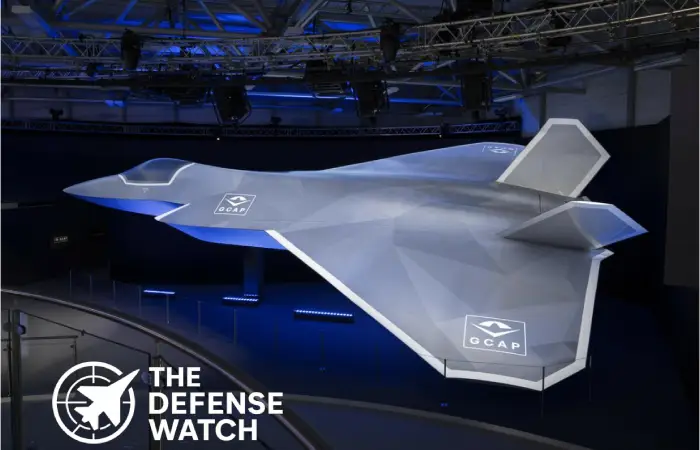
The trilateral partnership of the United Kingdom, Italy and Japan has ramped up its ambitions for the Global Combat Air Programme (GCAP) — a next-generation, sixth-generation stealth fighter program designed to deliver a cutting-edge combat aircraft by around 2035. This article examines the latest developments in GCAP, explores what it means for U.S. defense interests and the broader global combat-air market, and assesses the strategic technology implications.
What is GCAP and how does it differ from prior programs?
The GCAP programme merges three national efforts — the UK’s “Tempest”, Italy’s participation, and Japan’s F-X project — into a unified development programme for a sixth-generation stealth fighter. The objective: develop a multirole, stealth-optimized, networked combat aircraft capable of manned-unmanned teaming, advanced sensors, internal weapon bays and long-range global reach.
Key milestones include:
- Demonstrator flight targeted for 2027.
- Entry into service expected around 2035.
- Joint venture (design authority) formed by BAE Systems (UK), Leonardo (Italy) and Japan Aircraft Industrial Enhancement Co. Ltd. (JAIEC, Japan), each holding roughly equal shares.
- Governance through the inter-governmental organisation (referred to as GIGO) to manage the multi-national structure.
Compared to earlier programmes like the F‑35 Lightning II, GCAP emphasises greater internal payload, global range without refuelling, advanced AI and drone control capabilities. For example, observers note that GCAP partners aim to carry “roughly double an F-35A’s [weapon] payload” and cross the Atlantic on internal fuel.

Latest Developments
In June 2025, the joint-venture “Edgewing” was officially named as the design authority for the GCAP airframe, signalling a transition from concept into structural implementation.
In December 2024, industry partners reached a landmark agreement outlining the structure of the joint venture, expected to be established by mid-2025, with the lifetime of product extending beyond 2070.
Meanwhile, media reports highlight timeline pressures: the U.S. is already pursuing a sixth-generation project (the F-47), meaning GCAP must accelerate to stay relevant.
Analysis: Implications for U.S. Defense & Global Security
1. Competitive landscape
For U.S. defence planners, GCAP represents both a peer-level challenge and a potential partner. The U.S. has long held near-monopoly on fifth-generation fighters globally, but the UK-Italy-Japan axis is seeking to forge a coalition with export potential and sovereign capability outside U.S. export and upgrade constraints.
This may press U.S. industry to sustain lead in sixth-generation fighter development, improve interoperability, and accelerate schedule.
2. Interoperability & coalition operations
There is explicit intent within GCAP to ensure interoperability with allied systems, including U.S. platforms. For example, an Italian official noted the GCAP jet and the prospective U.S. F-47 are “two elements in an integrated system of fighters, not competitors.” This suggests U.S. forces may need to plan for joint operations with GCAP participants, adopt compatible standards and consider data-link/sensor fusion frameworks.
3. Technology leap and risk
The ambition of GCAP reflects a generational leap — advanced manned-unmanned teaming, sensor fusion, directed-energy weapons, digital twin modelling, modular open architecture and AI-enabled decision-support. U.S. aerospace and defence firms will need to match such capabilities. At the same time, as with past multinational programmes (e.g., F-35), schedule risk and cost overruns are real concerns — GCAP’s success or failure will influence U.S. decisions on future fighter programmes.
4. Strategic balance & export control
GCAP represents a path for Japan (and potentially other partners) to reduce reliance on U.S.-supplied fighters and associated restrictions (e.g., on upgrades). For the U.S., preserving its qualitative edge in fighter aviation means tracking such initiatives and possibly accelerating sixth-generation efforts under U.S. leadership or co-operation frameworks.

Outlook & Conclusion
The GCAP partnership among the UK, Italy and Japan is shaping up as a major entry into the sixth-generation combat air domain. With a service target around 2035 and world-class ambitions, it will influence not just partner-nation air forces but also U.S. defence planning, global export dynamics and aerospace innovation.
For the U.S., the emergence of GCAP reinforces the necessity to accelerate its own next-gen programmes, ensure interoperability with allied systems and maintain technological superiority.
With prototypes slated by 2027 and production airframes by the mid-2030s, both strategic risk and opportunity looms large — not just for the partner nations, but across the global combat-air ecosystem.