Executive Summary:
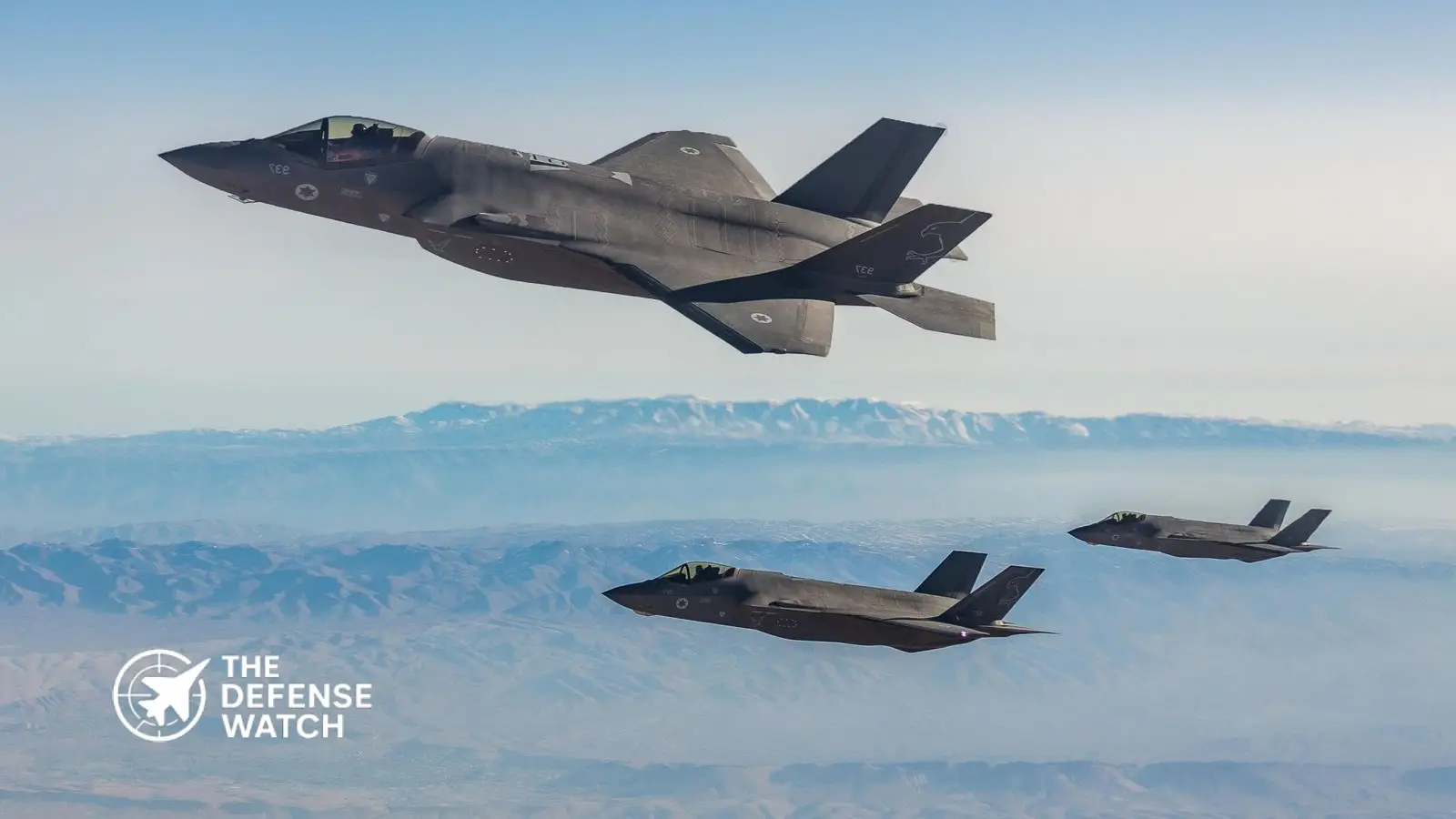
Israel has awarded Elbit Systems a new contract aimed at extending the operational range of the Israeli Air Force’s F-35I Adir stealth fighter fleet. The program reflects Israel’s continued focus on long-range strike capability, regional deterrence, and operational flexibility amid evolving Middle East security challenges.
Israel Expands F-35I Adir Operational Reach
The F-35I Adir remains central to Israel’s airpower strategy, and the latest agreement with Elbit Systems highlights a growing emphasis on extended operational reach and mission endurance.
The Israeli Ministry of Defense selected Elbit Systems to develop and integrate capabilities designed to increase the operational range of the F-35I Adir fleet operated by the Israeli Air Force. The contract supports Israel’s long-term modernization roadmap for fifth-generation combat aviation and advanced strike operations.
The F-35I Adir is Israel’s customized variant of the Lockheed Martin F-35 Lightning II. Unlike standard export variants, the aircraft incorporates Israeli-developed systems and mission-specific modifications approved under a unique bilateral arrangement with the United States.
While financial details of the contract were not publicly disclosed, the effort is expected to focus on advanced airborne systems, mission support technologies, and enhancements intended to improve operational flexibility during long-range missions.
Long-Range Strike Capability Remains A Strategic Priority
Israel’s decision to expand the operational range of the F-35I Adir comes as regional security dynamics continue to evolve across the Middle East.
The Israeli Air Force has increasingly prioritized deep-strike capability, survivability, and rapid-response operations against emerging threats across extended distances. Analysts have long viewed range and endurance enhancements as critical components of Israel’s future airpower doctrine, particularly as regional adversaries continue investing in integrated air defense systems, long-range missiles, and dispersed military infrastructure.
The F-35I already provides Israel with low observable penetration capability, advanced sensor fusion, electronic warfare systems, and network-centric operational advantages. Extending the aircraft’s effective operational reach could improve flexibility for intelligence, surveillance, strike, and deterrence missions without relying heavily on forward basing options.
Elbit Systems has played a significant role in several Israeli combat aviation modernization efforts, including helmet-mounted systems, electronic warfare technologies, avionics, and mission support equipment. The company’s involvement in the F-35I program reinforces Israel’s strategy of integrating domestic defense technologies into imported platforms to preserve operational independence and customization capability.
F-35I Adir Continues To Anchor Israeli Airpower
The Israeli Air Force was among the first international operators to declare the F-35 operational. Since entering service, the aircraft has become a key component of Israel’s multi-domain combat architecture.
Israel has previously stated that the F-35I has participated in operational missions across the region, including intelligence gathering and precision strike operations. The aircraft’s stealth characteristics and advanced electronic warfare suite are widely considered essential for operating in contested environments defended by modern surface-to-air missile systems.
The latest range enhancement initiative may also support future mission profiles involving longer-duration patrols, strategic deterrence operations, and expanded strike planning options.
Defense analysts note that survivability alone is no longer sufficient for fifth-generation aircraft operating in increasingly complex threat environments. Range, data connectivity, electronic warfare integration, and logistical sustainability are becoming equally important factors in modern air combat operations.
Broader Regional And Industrial Implications
The contract also reflects the continued strength of Israel’s domestic defense industrial base. By assigning key integration and upgrade responsibilities to Elbit Systems, Israel continues to reinforce local technological expertise while reducing dependence on external modification pathways.
The move aligns with broader global trends in military aviation, where operators increasingly seek sovereign control over mission systems, software integration, and platform-specific upgrades.
For Israel, maintaining technological superiority remains a core national security objective. Investments tied to the F-35I Adir demonstrate how the country continues adapting Western-built platforms to meet regional operational requirements.
The agreement further underscores the strategic importance of the F-35 program within Middle East defense planning. Several regional states are expanding air defense capabilities and investing heavily in long-range missile systems, unmanned platforms, and electronic warfare assets. In that environment, operational reach and survivability remain decisive factors.
Israel Ministry of Defense Signs $130M CH-53K Integration Deal
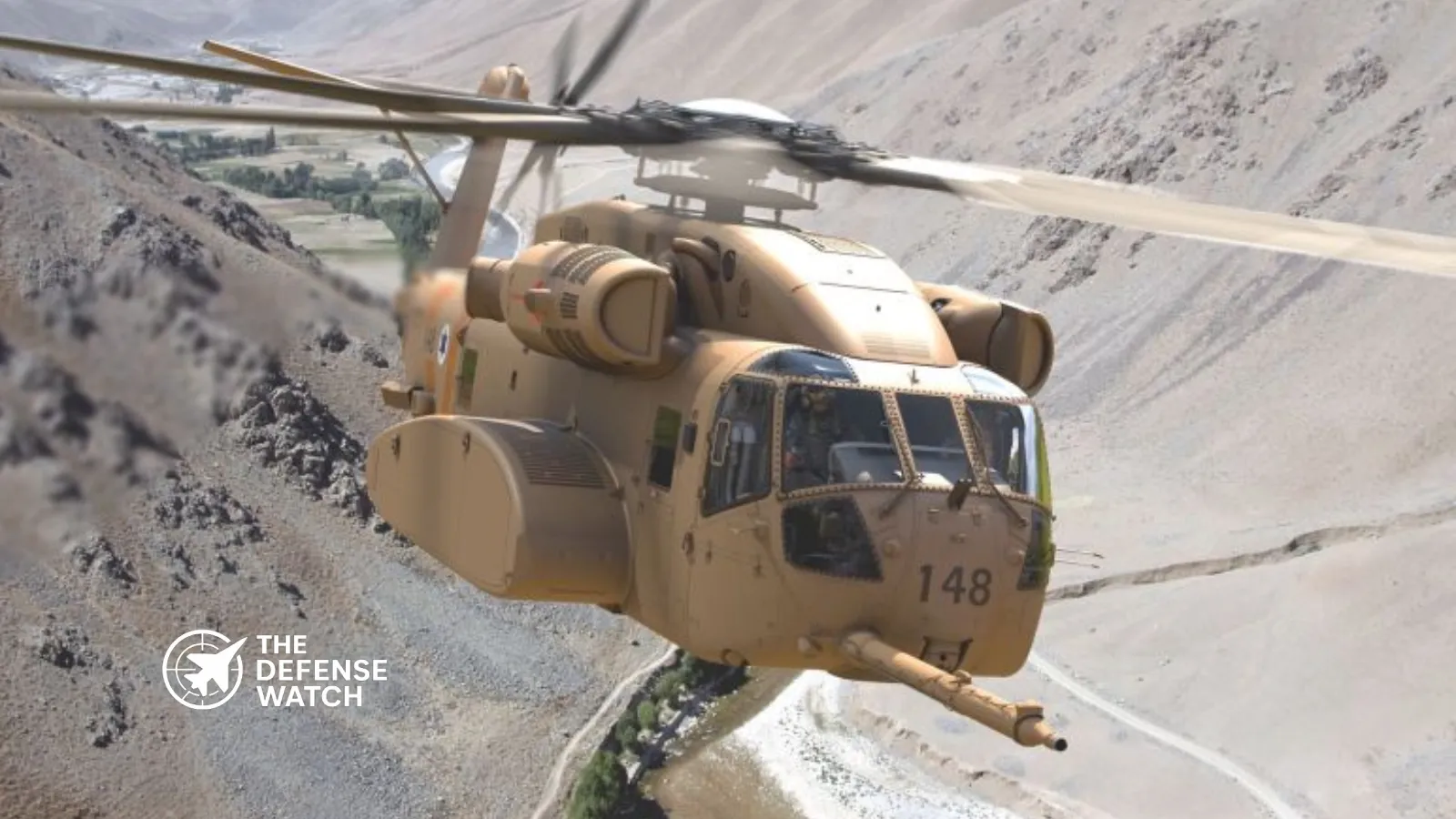
The Israel Ministry of Defense has signed an approximately $130 million agreement with Elbit Systems to integrate Israeli-developed systems on the CH-53K Pereh heavy lift helicopters, marking a major milestone in the Israeli Air Force modernization effort.
The contract was signed by the Defense Procurement Directorate within the ministry as part of preparations for the delivery of 12 CH-53K helicopters, which will replace the Israeli Air Force aging CH-53D Yasur fleet that has been in service for decades.
According to the Ministry of Defense, the deal exceeds NIS 400 million and covers the integration of Israeli command and control systems, advanced avionics, electronic warfare suites, and an advanced directional infrared countermeasures system designed to protect the aircraft against missile threats.
Elbit Systems to Lead Israeli-Specific Integration
Under the agreement, Elbit Systems will serve as the prime contractor responsible for adapting the US-built CH-53K helicopters to Israeli operational requirements.
The integration package includes mission systems tailored to Israeli Air Force doctrine, with a focus on survivability, situational awareness, and all-weather operations. The upgraded cockpit environment is expected to improve crew workload management while enabling operations in complex terrain and contested environments.
Israeli officials say the systems will support improved obstacle detection, identification of safe landing zones, and enhanced coordination with other air and ground assets.
Elbit Systems has previously delivered avionics, electronic warfare, and self-protection suites for multiple Israeli and international helicopter platforms, including the UH-60 Black Hawk and CH-47 Chinook.
CH-53K Pereh Acquired Through US FMS Program
The CH-53K helicopters were acquired through a Foreign Military Sales agreement between Israel and the US government, signed several years ago. The aircraft are manufactured by Lockheed Martin Sikorsky and represent the latest evolution of the long serving CH-53 family.
Assembly of the Israeli aircraft is currently underway at Sikorsky primary production facility in Connecticut.
Once assembly is completed, the helicopters will be transferred to a dedicated installation and production line where Israeli systems will be integrated into the baseline American configuration. This approach allows Israel to retain commonality with US Marine Corps CH-53K aircraft while incorporating mission-specific technologies.
Enhancing Heavy Lift and Long-Range Operations
The CH-53K Pereh is expected to significantly enhance the Israeli Air Force heavy lift capability. Compared to the legacy Yasur helicopters, the new platform offers greater payload capacity, extended range, improved digital architecture, and enhanced survivability.

With the integration of Israeli electronic warfare and self-protection systems, the CH-53K fleet is intended to operate in high-threat environments, including scenarios involving advanced air defenses and man-portable missile systems.
The addition of a directional infrared countermeasures system is particularly relevant for low altitude operations, special forces insertion, and resupply missions.
Strategic Importance for Israeli Defense Planning
The CH-53K integration deal reflects Israel broader approach to defense procurement, combining US platforms with domestically developed systems to maintain operational independence and technological superiority.
Israeli defense officials have repeatedly emphasized the importance of tailoring foreign platforms to local requirements, especially in areas such as electronic warfare, communications, and networked operations.
The helicopter fleet is expected to play a key role in a wide range of missions, including long-range transport, special operations, combat search and rescue, and logistical support under fire.
Program Timeline and Next Steps
The Israeli Ministry of Defense has not publicly disclosed the full delivery timeline for the CH-53K Pereh fleet. However, initial aircraft are expected to arrive later this decade following completion of assembly, testing, and system integration.
Once delivered, the helicopters will undergo operational testing and evaluation with the Israeli Air Force before entering full operational service.
The Elbit Systems integration work will proceed in parallel with aircraft production, reducing the time required to achieve initial operational capability.
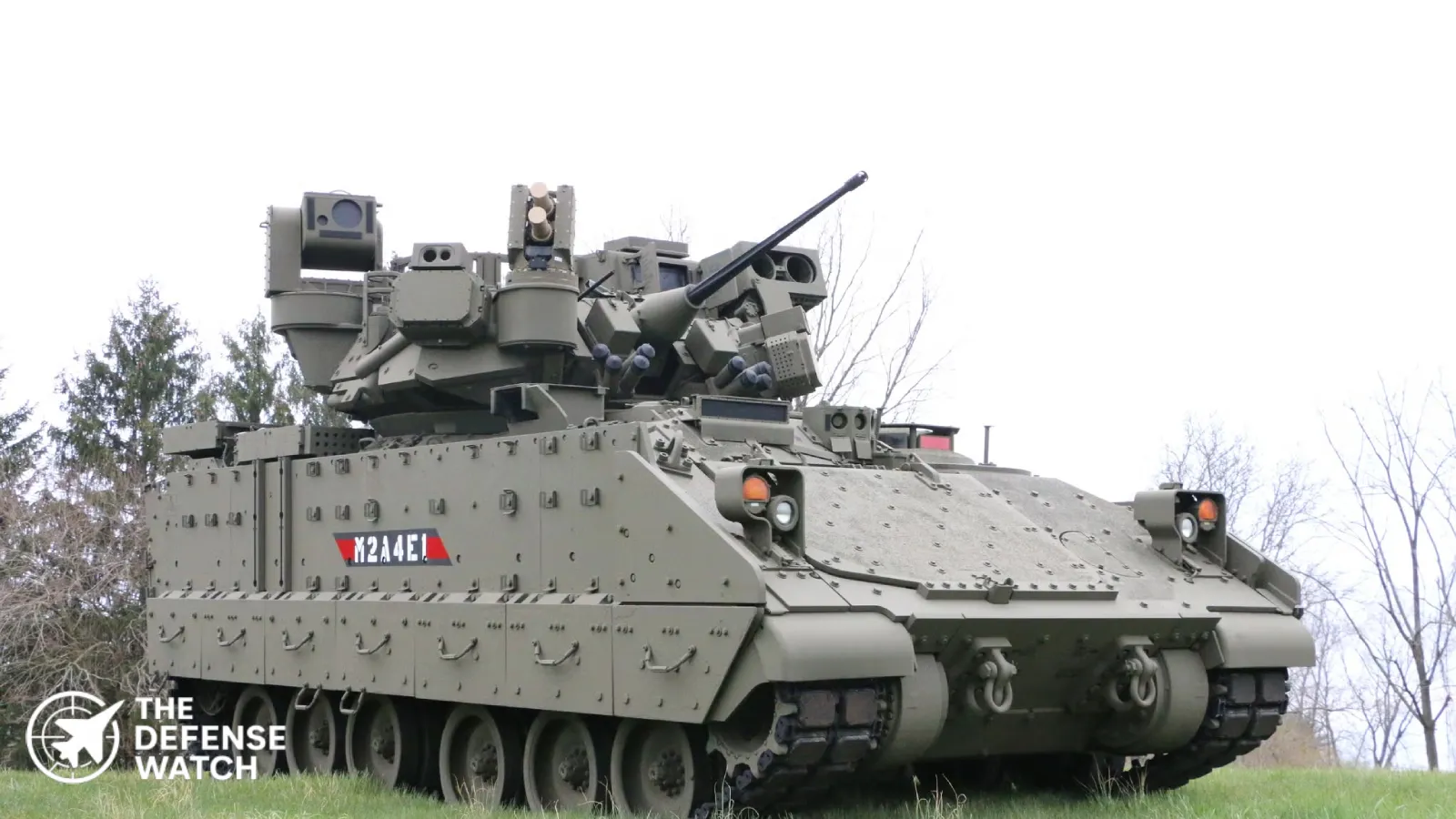
Elbit Systems has secured a $228 million follow-on contract to deliver its Iron Fist active protection system for the U.S. Army’s Bradley infantry fighting vehicle upgrade program, the company and industry sources reported. The award continues integration of the Iron Fist system as part of wider force modernization efforts.
What the Contract Covers
Under the contract awarded to Elbit Systems by General Dynamics Ordnance and Tactical Systems (GD-OTS), the company will supply Iron Fist active protection systems over a three-year period for Bradley IFV upgrades. This follows earlier contracts, building on work begun with an initial award in 2024.
The Iron Fist APS is designed to detect and defeat incoming threats such as anti-tank rockets, anti-tank guided missiles, unmanned aerial systems, loitering munitions and kinetic tank projectiles. The system offers 360-degree protection while keeping weight, volume and power demands suitable for integration onto armored vehicles.
Why It Matters
Active protection systems like Iron Fist are becoming a priority for modern armored forces. Emerging battlefield threats, including advanced guided missiles and small drones, have driven investment in technologies that can detect and neutralize threats before they strike. The U.S. Army’s decision to continue with Iron Fist reflects this demand.
Iron Fist has already been selected by the Israel Defense Forces and several NATO partners for different armored platforms. The current award marks the third selection of Iron Fist by the U.S. Army, highlighting sustained interest from Pentagon acquisition programs.
Background on the Bradley and Iron Fist
The Bradley infantry fighting vehicle has been in U.S. Army service for decades, and recent upgrade efforts aim to improve protection, mobility and sensor suites. In previous contracts, Elbit Systems provided Iron Fist APS units as part of the Bradley M2A4E1 upgrade package. These upgrades also include vision and control system enhancements to increase battlefield effectiveness.
Iron Fist is a hard-kill APS, meaning it intercepts and destroys incoming threats at close range. Its radar and sensor suite work together to detect, track and defeat attacks, improving crew and vehicle survivability in combat.
Industry and Strategic Context
Iron protection systems now compete with other APS technologies globally. Investments in these systems reflect lessons from recent conflicts, where armored vehicles have faced persistent threats from guided rockets, drones and other modern weapons. Elbit’s continued selection suggests confidence in its performance and integration capabilities.
What Comes Next
Production and delivery under the $228 million contract will occur through the next three years. Integration of Iron Fist onto Bradley IFVs supports broader Army modernization goals. Officials from Elbit Systems have underscored their strategic partnership with GD-OTS and the U.S. Army in statements tied to the award.
Elbit Iron Fist APS Wins $150M NATO CV90 Contract After Live-Fire Milestone
Elbit Systems has secured approximately $150 million in contracts to deliver its Iron Fist Active Protection System (APS) for integration on NATO CV90 infantry fighting vehicles, following a rare live-fire demonstration success in Europe.
The awards, made through Swedish armored vehicle maker BAE Systems Hägglunds, will see Iron Fist fitted to CV90 IFVs operated by European NATO member states as part of ongoing efforts to improve armored vehicle survivability.
Rare Live-Fire Validation Boosts Confidence
The latest contract follows a September 2025 live-fire event in Europe where Iron Fist successfully intercepted more than a dozen 120mm kinetic energy (KE) APFSDS tank rounds — a notable achievement for vehicle APS technology.
Iron Fist combines radar and electro-optical sensors with interceptor munitions to provide 360-degree “hard kill” protection against a wide spectrum of threats, including:
- Anti-tank rockets and guided missiles
- Unmanned aerial systems and loitering munitions
- Kinetic energy tank rounds and shaped charges
Expanding Western Amphibious Protection
As the Israel Defense Forces’ second-generation APS, Iron Fist has seen growing adoption in Western armored vehicle modernization programs, reinforcing its reputation among NATO partners. Elbit emphasized that the live-fire results “reinforce trust in the system’s capabilities,” with the BAE Systems Hägglunds partnership central to expanding its European footprint.
What This Means for CV90 Operators
The CV90 family — operated widely across NATO Europe — stands to benefit from improved survivability against evolving battlefield threats. Countries fielding CV90 IFVs have increasingly prioritized active protection technologies alongside traditional armor upgrades.