F-47 Fighter Explained: Specs, Cost, First Flight and Timeline (2026)
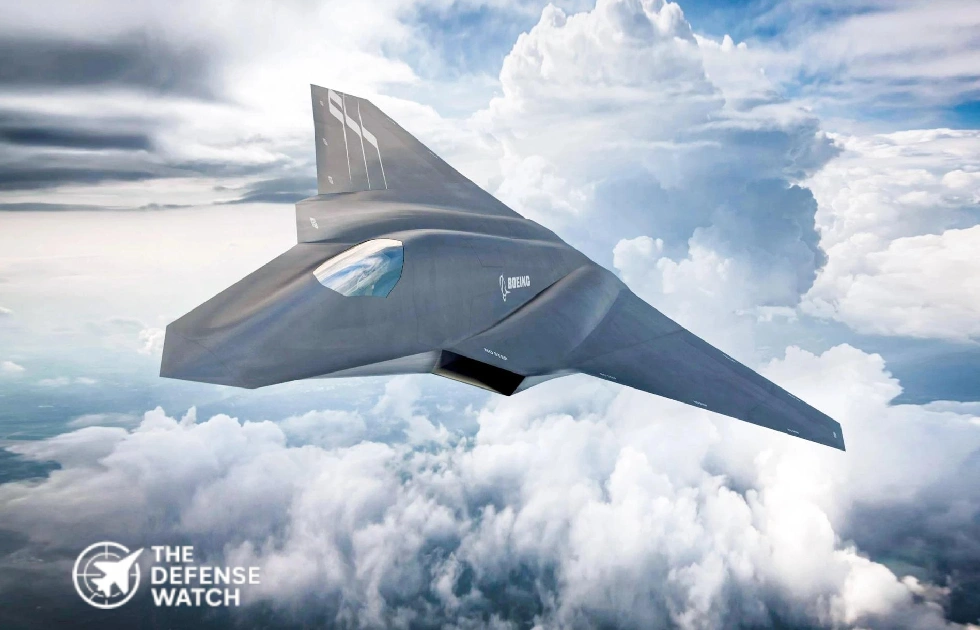
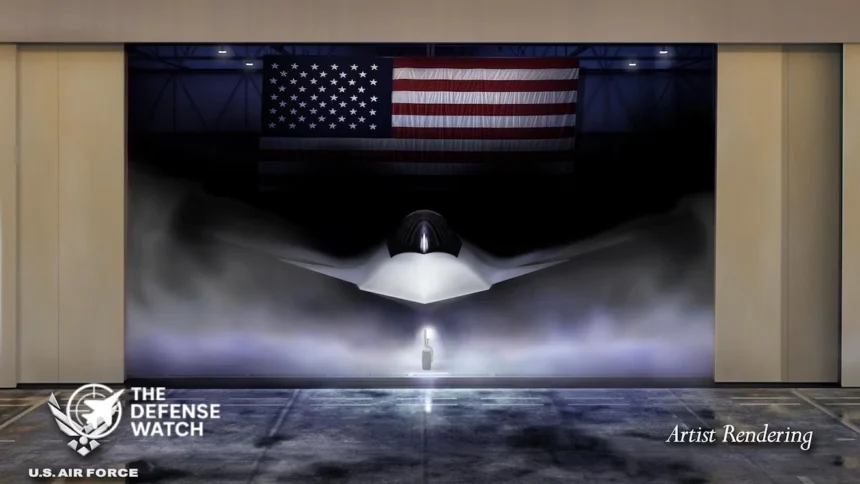
The Boeing F-47 is the U.S. Air Force’s planned sixth-generation air-superiority fighter, developed under the Next Generation Air Dominance (NGAD) program to replace the F-22 Raptor. Selected for development in March 2025, the aircraft is intended to combine advanced stealth, longer range, new mission systems and the ability to operate with uncrewed combat aircraft.
- F-47 Fighter Explained: Specs, Cost, First Flight and Timeline (2026)
- F-47 at a glance
- What is the F-47, and why is the Air Force developing it?
- F-47 fighter specifications: What is publicly known?
- How much will the F-47 cost?
- F-47 first flight and development timeline
- Early NGAD research
- Experimental aircraft fly
- Boeing selected
- Design development continues
- Expected first flight window
- Longer-term fleet transition
- How will the F-47 work with combat drones?
- F-47 vs. F-22 Raptor: What changes?
- F-47 vs. F-22 Raptor: What changes?
- What could delay the F-47 program?
- What the F-47 means for U.S. airpower
As of October 2026, the F-47 remains in development. The Air Force and Boeing are progressing toward a first flight expected within the next two years, according to Aviation Week reporting published in September 2026. The aircraft’s detailed design, engine configuration, weapons load and many performance characteristics remain classified or undisclosed.
F-47 at a glance
What is the F-47, and why is the Air Force developing it?
The F-47 is the crewed fighter component of the broader NGAD effort. Rather than relying on a single aircraft, the Air Force plans a connected combat system combining crewed aircraft, uncrewed platforms, sensors, communications and other supporting capabilities.
The program addresses a growing operational challenge. In a potential conflict against a technologically advanced adversary, U.S. fighters could face longer-range air defenses, electronic warfare, advanced sensors and threats to aerial refueling aircraft. These conditions place a premium on aircraft that can penetrate defended airspace, operate at greater distances and coordinate with other platforms.
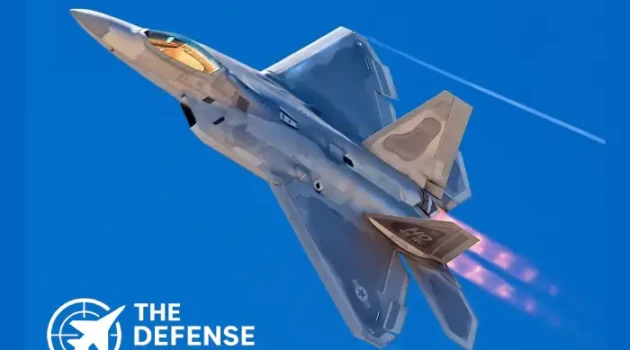
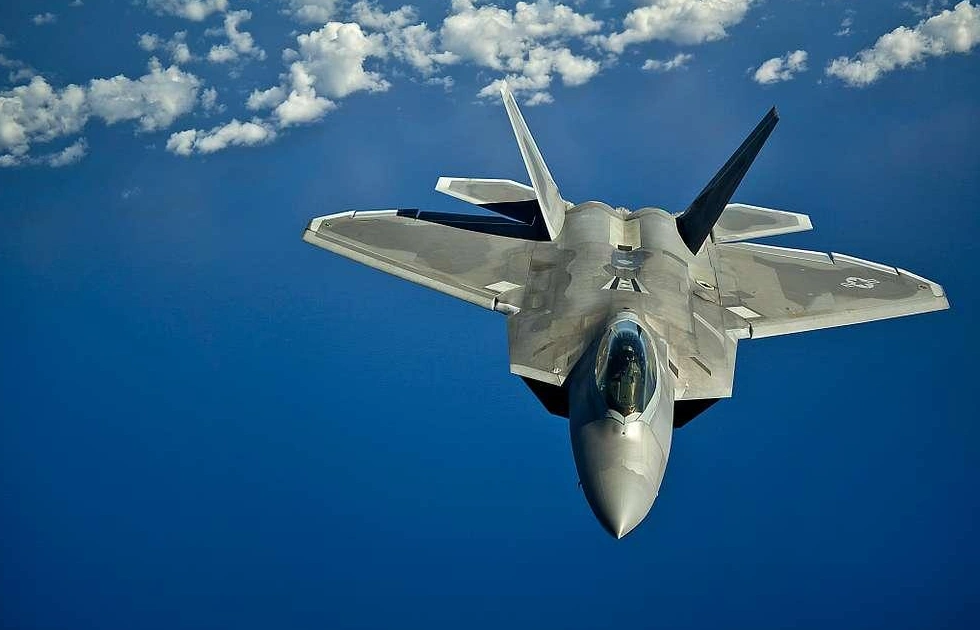
The F-22 remains the Air Force’s existing dedicated air-superiority fighter. However, its original design dates to an earlier threat environment, and the fleet was limited to 187 production aircraft. The F-47 is intended to provide a successor with greater range and survivability while supporting a more distributed approach to air combat.
F-47 fighter specifications: What is publicly known?
The Air Force has released a limited set of performance targets, but it has not published a complete technical specification sheet. The following figures should therefore be read as official program objectives rather than independently verified performance from a production aircraft.
Specification Publicly available information Aircraft type Crewed next-generation air-superiority fighter Manufacturer Boeing Maximum speed Air Force has described a target above Mach 2 Combat radius More than 1,000 nautical miles, according to Air Force information summarized by the Congressional Research Service Stealth Designed for improved low observability Propulsion Final engine configuration and production specifications not publicly confirmed Radar and sensors Detailed configuration remains undisclosed Weapons Exact internal weapons capacity and loadout remain undisclosed Crew Crewed aircraft; detailed cockpit configuration not publicly released Uncrewed teaming Designed to operate as part of a wider NGAD family of systems Speed and range
The Air Force has described the F-47 as capable of exceeding Mach 2, or twice the speed of sound under the relevant flight conditions. Its stated combat radius of more than 1,000 nautical miles is particularly important for operations across the vast distances of the Indo-Pacific.
Combat radius is not the same as maximum ferry range. It refers to the distance an aircraft can operate on a mission and return under specified conditions. Actual mission performance depends on factors such as payload, flight profile, reserves, weapons employment and refueling support.
The published range target suggests the Air Force wants to reduce its dependence on vulnerable forward bases and aerial refueling during long-range operations. The exact advantage over the F-22 cannot be independently quantified until more comparable performance data becomes available.
Stealth and survivability
The F-47 is intended to improve on the low-observable characteristics of current fifth-generation fighters. Its detailed shape, radar signature, infrared characteristics and electronic warfare systems have not been publicly disclosed.
Stealth is not invisibility. It reduces an aircraft’s detectability under particular conditions, helping complicate an adversary’s detection, tracking and engagement process. Its effectiveness depends on sensor type, frequency, viewing angle, operating environment and other factors.
The Air Force has also emphasized adaptability and supportability. These attributes matter because a high-end fighter must remain effective as adversaries improve their radars, weapons and electronic warfare systems. Public information does not yet establish the F-47’s actual detection avoidance performance or its survivability against specific air-defense systems.
Engines, sensors and weapons
The F-47’s final propulsion configuration has not been publicly confirmed. The Air Force has supported advanced propulsion research through its Next Generation Adaptive Propulsion effort, including General Electric’s XA102 and Pratt & Whitney’s XA103 engine prototypes. These projects provide relevant technological context, but their existence does not establish which engine will power the operational F-47.
Likewise, the aircraft’s radar, infrared sensors, electronic warfare suite, onboard computing architecture and weapons integration remain insufficiently disclosed for a reliable technical comparison.
Claims about exact radar detection distances, missile loads, maximum payload or operational altitude should be treated cautiously unless supported by an authoritative source.
How much will the F-47 cost?
The Air Force’s development contract with Boeing was announced in March 2025 and was reported at more than $20 billion. That figure covers a major development effort, not the purchase of a completed fleet of operational fighters.
Three separate cost measures are important when evaluating the program.
- Development contract: More than $20 billion was announced for Boeing’s engineering and manufacturing development work.
- Cost per aircraft: The Air Force has not publicly established a final production unit price for the F-47.
- Total program cost: The long-term cost will depend on development, testing, production quantities, engines, weapons, training, infrastructure, maintenance and future upgrades.
The Congressional Research Service reported that the Air Force requested $2.58 billion for F-47 development in fiscal 2026. Its July 2025 report also noted that Congress had provided $400 million to accelerate F-47 production through additional legislation. These are separate funding measures and should not be added to the original contract figure without accounting for their different purposes and budget treatment.
An older Congressional Budget Office estimate from 2018 suggested that an NGAD aircraft could cost as much as $300 million per airframe. That estimate predates Boeing’s selection and should not be presented as the F-47’s current official price.
The key cost question is whether the Air Force can produce enough aircraft at a sustainable price while funding the wider NGAD system. A high unit price could limit fleet size, while lower production numbers could increase the pressure on each aircraft to perform a wider range of missions.
F-47 first flight and development timeline
The F-47’s development schedule is moving from technology maturation into aircraft design, manufacturing and flight testing. The milestones below distinguish completed events from targets that remain ahead.
2014Early NGAD research
The Defense Science Board and defense research community examined ways to maintain U.S. air superiority against increasingly capable threats. This work helped establish the foundation for later NGAD efforts.
2019 to 2022Experimental aircraft fly
DARPA reports that Boeing and Lockheed Martin developed experimental aircraft under risk-reduction contracts. The demonstrators first flew in 2019 and 2022, respectively, helping mature technologies for NGAD. They were not operational F-47 fighters.
March 2025Boeing selected
The U.S. Air Force announced Boeing as the contractor for the F-47 engineering and manufacturing development phase. President Donald Trump publicly announced the F-47 designation on March 21, 2025.
2026Design development continues
In September 2026, Aviation Week reported that the Air Force and Boeing were progressing toward finalizing the design. The program remained on track for a first flight within the next two years.
By 2028Expected first flight window
A first flight by 2028 is consistent with the September 2026 reporting. This is a projected window, not a confirmed flight date. Flight testing, design changes and subsequent evaluations would still be required.
2030sLonger-term fleet transition
The F-47 is intended to succeed the F-22, with operational introduction expected as the program matures. A firm initial operational capability date, production delivery schedule and complete fleet transition timeline have not been publicly established in the sources cited here.
The distinction between first flight and operational service is important. A successful first flight demonstrates that an aircraft can begin flying under test conditions. It does not establish that the aircraft has completed weapons integration, operational evaluation, pilot training or readiness for combat deployment.
How will the F-47 work with combat drones?
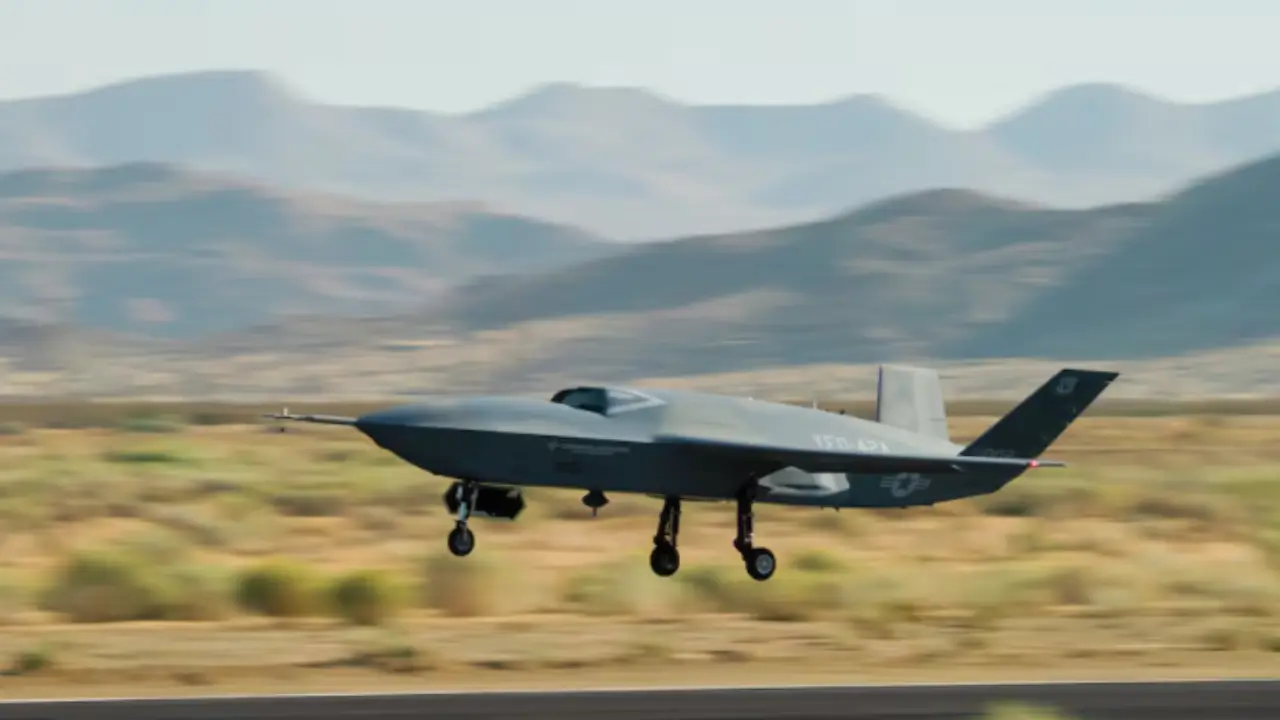
The F-47 is being developed as part of a wider air-combat system rather than as a standalone replacement for the F-22. One of the central ideas is crewed and uncrewed teaming, with Collaborative Combat Aircraft (CCA) intended to provide additional capabilities alongside crewed fighters.
Depending on their eventual configurations, uncrewed aircraft could support missions such as surveillance, electronic warfare, weapons carriage or additional sensing. The specific division of tasks between the F-47 and its future accompanying aircraft has not been fully disclosed.
The approach could allow the Air Force to distribute risk across several aircraft instead of relying on one expensive fighter to carry every sensor and weapon. However, effective teaming will depend on reliable communications, autonomous mission software, electronic warfare resilience and the ability to coordinate operations when networks are disrupted.
The F-47 program’s success will therefore depend partly on the maturity of the wider system, including uncrewed aircraft and supporting infrastructure, rather than only on the performance of the crewed fighter.
F-47 vs. F-22 Raptor: What changes?
F-47 vs. F-22 Raptor: What changes?

F-22 Raptor
Existing fifth-generation fighter
- Entered service in 2005.
- Designed primarily for air superiority.
- Combines stealth, maneuverability and integrated avionics.
- Operates within an established fleet and support system.
F-47
Next-generation development program
- Intended to replace the F-22.
- Designed for greater combat radius and improved stealth.
- Planned to integrate with uncrewed combat aircraft.
- Flight performance and operational readiness remain unproven.
The principal difference is the intended operating concept. The F-22 is a fielded fighter with established capabilities, while the F-47 is being designed for future threats and a more connected force structure.
The Air Force has described the F-47 as having greater range, improved stealth and better adaptability than existing fighters. Those are program objectives, not proof that the new aircraft has already demonstrated superior performance in operational conditions.
What could delay the F-47 program?
Several challenges could affect the schedule and eventual cost.
Engineering and flight testing: The transition from design development to flight testing can reveal issues that require changes to the aircraft, software or manufacturing process. The first flight alone will not resolve these risks.
Engine development: Advanced propulsion systems must meet demanding requirements for performance, reliability, thermal management and maintenance. The final production engine configuration remains undisclosed.
Manufacturing capacity: Boeing must establish repeatable production methods for a highly classified aircraft while managing other defense programs. Production targets and the eventual manufacturing rate have not been publicly confirmed.
Cost and fleet size: The Air Force needs to balance capability against affordability. The number of aircraft purchased will influence unit costs, force structure and the amount of funding available for other modernization priorities.
Integration with uncrewed systems: The benefits of crewed and uncrewed teaming will depend on software, communications, autonomy and mission integration. These systems must work together reliably in a contested environment.
These are standard areas of risk for a complex advanced fighter program, not evidence that the F-47 is currently experiencing a specific delay.
What the F-47 means for U.S. airpower
The F-47 is intended to preserve the U.S. Air Force’s ability to establish air superiority against advanced opponents as air defenses, sensors and long-range weapons improve. Its projected range and integration with uncrewed aircraft address operational problems that extend beyond the performance of any single fighter.
The program also creates a long-term industrial challenge. Boeing must turn classified design work into a testable aircraft, then demonstrate that the fighter can be manufactured, maintained and upgraded at a cost the Air Force can sustain.
For now, the most useful indicators of progress are the design review milestones, first flight, flight-test results, engine selection, weapons integration and the release of credible production cost information. Until those milestones are achieved, the F-47’s published specifications should be treated as planned capabilities rather than demonstrated operational performance.