Table of Contents
The chinook helicopter has been a central element of US Army aviation for more than six decades. Known formally as the CH 47 helicopter, the tandem rotor aircraft fills a role no other US platform fully replaces. It moves troops, vehicles, artillery, fuel, and relief supplies across long distances and difficult terrain. From combat deployments to disaster response, the chinook cargo helicopter continues to shape how the US military moves and sustains forces.
Designed for reliability and capacity rather than speed or stealth, the CH 47 Chinook helicopter remains one of the most heavily used army helicopters in service today. Continuous upgrades have kept the platform relevant despite its Cold War origins.
Origins and Development of the CH 47 Helicopter
The chinook helicopter traces its roots to the early 1960s, when the US Army sought a heavy lift aircraft capable of operating in austere conditions. Boeing Vertol developed the original CH 47A, building on experience with tandem rotor designs.
The twin rotor layout eliminated the need for a tail rotor and allowed more engine power to be dedicated to lift. This design choice also improved stability while carrying large external loads.

The Chinook entered service in 1962 and was rapidly deployed to Vietnam. Combat experience shaped early upgrades, including stronger airframes, improved engines, and better survivability systems. These lessons established a pattern that continues today.
Design Features and Airframe Layout
Tandem Rotor Configuration
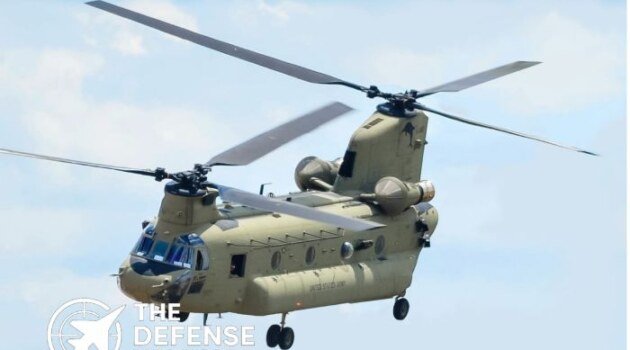
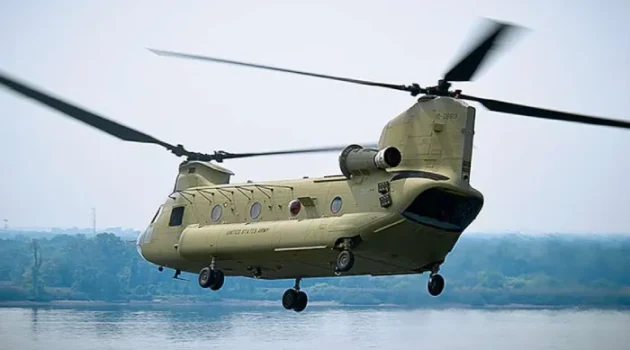
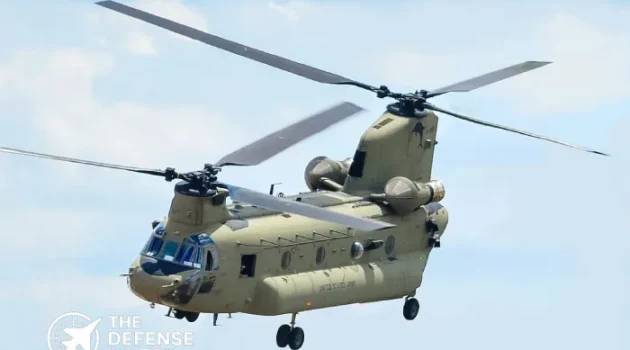
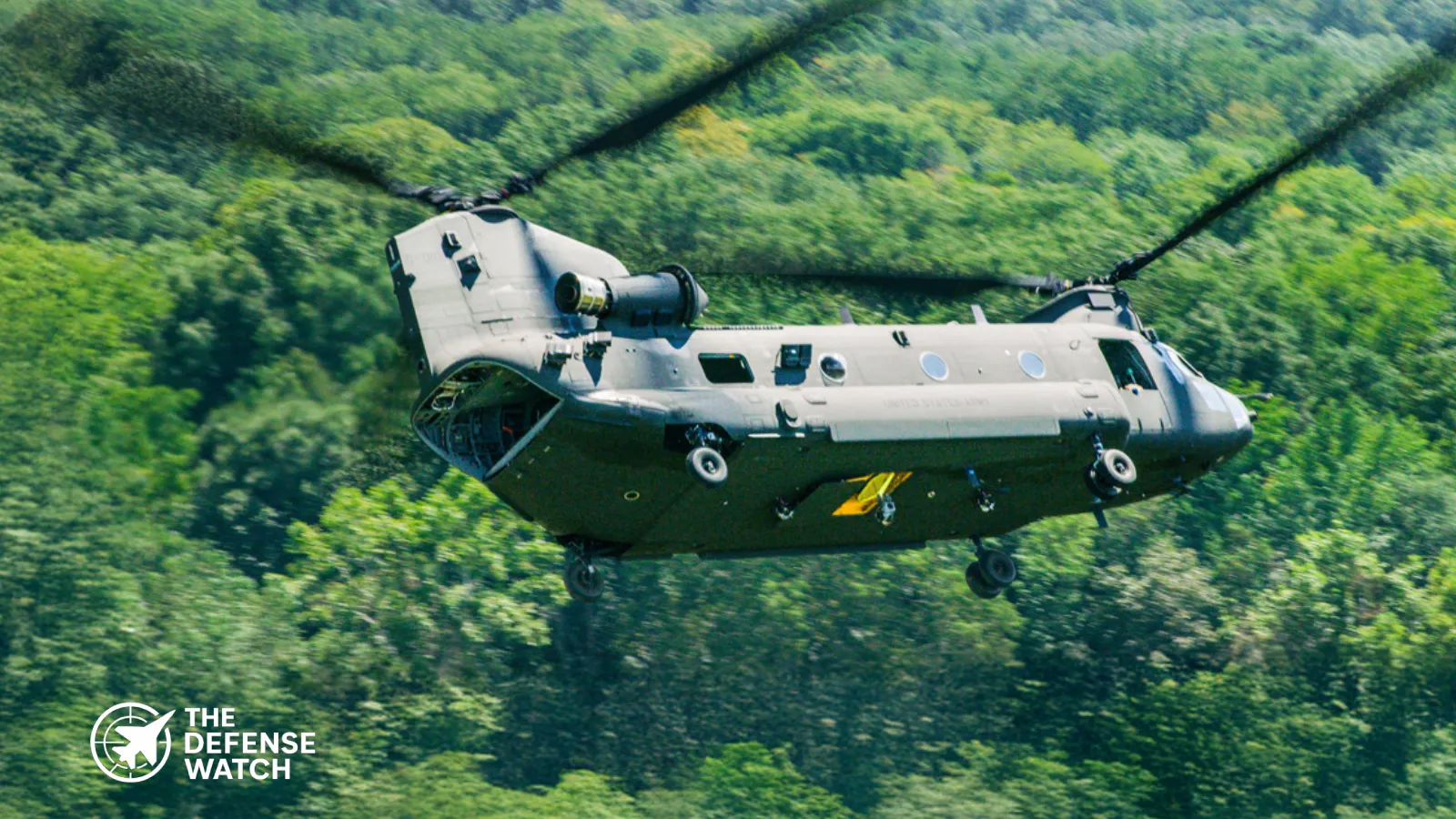
The most visible feature of the chinook helicopter is its tandem rotor system. Two large rotors mounted fore and aft provide lift and balance. This configuration allows the aircraft to carry heavy loads without excessive fuselage length.
The absence of a tail rotor also reduces mechanical complexity and improves safety during ground operations, especially in confined landing zones.
Cargo Focused Fuselage
The CH 47 helicopter was built around cargo movement. The wide cabin supports palletized loads, vehicles, and up to 33 troops in standard configuration. A rear loading ramp enables rapid loading and unloading, even while engines remain running.
Externally, the chinook cargo helicopter can carry sling loads exceeding 10 tons, depending on conditions. Artillery pieces, engineering equipment, and light armored vehicles are routinely moved this way.
Powerplant and Performance
Modern variants use twin Honeywell engines delivering over 4,800 shaft horsepower each. These engines allow high altitude operations, including missions in mountainous regions like Afghanistan.
Cruise speed averages around 160 knots, faster than many other transport helicopters. Range exceeds 400 nautical miles with internal fuel, extendable with auxiliary tanks.
Variants in US Army Service
CH 47D
The CH 47D became the backbone of the fleet in the 1980s and 1990s. It introduced more powerful engines, composite rotor blades, and a modernized cockpit.
Many D models have since been retired or transferred to partner nations, but the variant defined modern Chinook operations.
CH 47F
The CH 47F is the current standard US Army model. It features a reinforced airframe, digital cockpit, and advanced flight control systems. The aircraft is designed for higher gross weight and longer service life.
Block II upgrades now entering service further increase payload capacity, improve fuel systems, and extend operational relevance into the 2040s.
MH 47G Special Operations Variant
US Army Special Operations Aviation Command operates the MH 47G. This variant supports long range infiltration and resupply missions. It includes terrain following radar, aerial refueling probes, and enhanced defensive systems.
The MH 47G is often the first aircraft into contested environments, highlighting the platform’s adaptability.
Chinook Helicopter in Combat Operations
The chinook helicopter has supported nearly every major US conflict since Vietnam. In Iraq and Afghanistan, it served as the primary heavy lift platform for forward bases.
Its ability to operate from unimproved landing zones proved critical in regions with limited infrastructure. The aircraft routinely evacuated damaged vehicles, delivered ammunition under fire, and conducted mass troop insertions.
Despite its size, survivability upgrades such as missile warning systems, countermeasures, and ballistic protection have allowed the CH 47 Chinook helicopter to operate in high threat areas.
Role in Humanitarian and Domestic Missions
Beyond combat, the chinook cargo helicopter plays a major role in disaster relief. US Army and National Guard units regularly deploy Chinooks after hurricanes, floods, and wildfires.
The aircraft can move generators, water supplies, and medical equipment faster than ground transport in damaged regions. During overseas humanitarian missions, Chinooks often support United Nations and allied efforts.
This dual use role strengthens political support for continued investment in the platform.
Global Operators and Allied Use
More than 20 countries operate variants of the CH 47 helicopter. Key allies include the United Kingdom, Australia, Japan, Italy, and the Netherlands.
Interoperability is a major advantage. Shared logistics, training pipelines, and common upgrade paths allow allied forces to operate together with minimal friction.
Boeing continues to support international customers through production, remanufacturing, and sustainment programs. Additional sales remain likely as nations seek proven heavy lift solutions.
Sustainment and Industrial Base
The chinook helicopter supports a wide US defense industrial footprint. Final assembly occurs in Pennsylvania, with suppliers across multiple states.
Long term sustainment contracts cover engine support, avionics upgrades, and structural refurbishment. These efforts aim to keep the fleet operational beyond 2060.
According to Boeing and US Army budget documents, planned upgrades focus on payload growth, digital backbone improvements, and reduced maintenance hours.
Analysis Why the Chinook Still Matters
While newer aircraft programs often focus on speed or autonomy, the chinook helicopter remains essential because it solves a basic problem. Moving heavy equipment and people reliably still matters more than advanced features in many scenarios.
Future Vertical Lift programs may eventually introduce replacements, but cost, risk, and mission overlap suggest the CH 47 Chinook helicopter will remain in service alongside newer platforms.
In contested logistics environments, the ability to move large loads quickly can determine operational tempo. Few aircraft match the Chinook’s balance of payload, range, and availability.
FAQs
What is the primary role of the chinook helicopter?The primary role is heavy lift transport of troops, vehicles, artillery, and supplies in support of ground forces.
How much cargo can a CH 47 helicopter carry?Depending on conditions, internal payload exceeds 20,000 pounds, with similar capacity for external sling loads.
Is the Chinook still being produced?Yes. New build and remanufactured aircraft are in production for the US Army and international customers.
How long will the CH 47 remain in service?Current plans project service life into the 2050s and potentially beyond with upgrades.
How does the Chinook compare to other army helicopters?It carries far more cargo than medium lift helicopters and complements them rather than replacing them.
Get real time update about this post category directly on your device, subscribe now.