U.S. forces operating under U.S. Central Command (CENTCOM) have received more than 25,000 unmanned systems and counter-drone capabilities during 2026, as the Pentagon accelerates efforts to expand the military’s use of autonomous platforms.
The deliveries include more than 1,300 one-way attack unmanned aerial vehicles (UAVs), over 100 unmanned surface and underwater vessels, and more than 24,000 counter-unmanned aircraft systems (C-UAS). The U.S. Department of War announced the figures on November 4, describing the effort as part of its wider push for drone dominance and the development of Project Agincourt.
The Pentagon said approximately $782 million has been invested in the effort this year through the Direct Reporting Portfolio Manager for Unmanned Systems (DRPM-UxS). The deliveries are intended to expand both offensive unmanned capabilities and protection against hostile drone attacks across the CENTCOM area of responsibility.
The scale of the deployment is notable, but the numbers represent different categories of equipment. The 24,000-plus counter-UAS systems are defensive capabilities, not additional attack drones. Similarly, the unmanned maritime platforms extend the effort beyond aerial warfare.
How the Pentagon Is Expanding CENTCOM’s Drone Capabilities
The delivery effort is being coordinated through DRPM-UxS, an organization established in July 2026 to accelerate the development, procurement and deployment of unmanned capabilities.
The organization brought together existing Pentagon efforts, including Joint Interagency Task Force 401, the War Department Innovation Unit and the Defense Autonomous Warfare Group.
Its responsibilities cover offensive and defensive unmanned systems, including one-way attack vehicles operating in the air, on the surface and underwater.
According to the Department of War, more than 1,300 one-way attack UAVs and over 100 unmanned maritime vessels have reached CENTCOM forces through an investment of approximately $782 million.
Joint Interagency Task Force 401, meanwhile, has delivered more than 24,000 counter-UAS capabilities to help establish a layered defense against hostile unmanned aircraft.
The Pentagon has not published a detailed breakdown of the individual systems, their manufacturers, deployment locations or operational performance. It is therefore not possible to determine how many of the delivered capabilities are currently operational or how they are distributed among CENTCOM components.
Project Agincourt Moves Beyond Drone Procurement
The CENTCOM deliveries form part of a wider organizational change within the Pentagon.
Project Agincourt, introduced in September 2026, gives the DRPM-UxS team an additional responsibility: preparing the establishment of a proposed Autonomous Warfare Command, commonly referred to as AUTOWARCOM.
The planned command is intended to coordinate unmanned and autonomous warfare across the U.S. military services and combatant commands.
Owen West, director of DRPM-UxS, is leading the effort alongside Navy SEAL Senior Chief Max Strasiser. Their stated objective is to connect operational units more directly with developers and manufacturers, allowing equipment to be evaluated and improved through practical military use.
In an October 23 industry letter, the two leaders described a procurement approach in which operational performance, exercises and combat results would help determine which systems receive further investment.
The Pentagon expects the Autonomous Warfare Command to become operational by October 1, 2027. That remains a planned milestone, not an already completed organizational transition.
The distinction matters. Project Agincourt is not simply another drone purchasing program. It is intended to change how the military identifies operational requirements, funds development and integrates autonomous capabilities across different services.
Drone Dominance Targets Larger Production Volumes
The Pentagon’s Drone Dominance initiative provides another part of the procurement framework supporting the expansion of unmanned warfare.
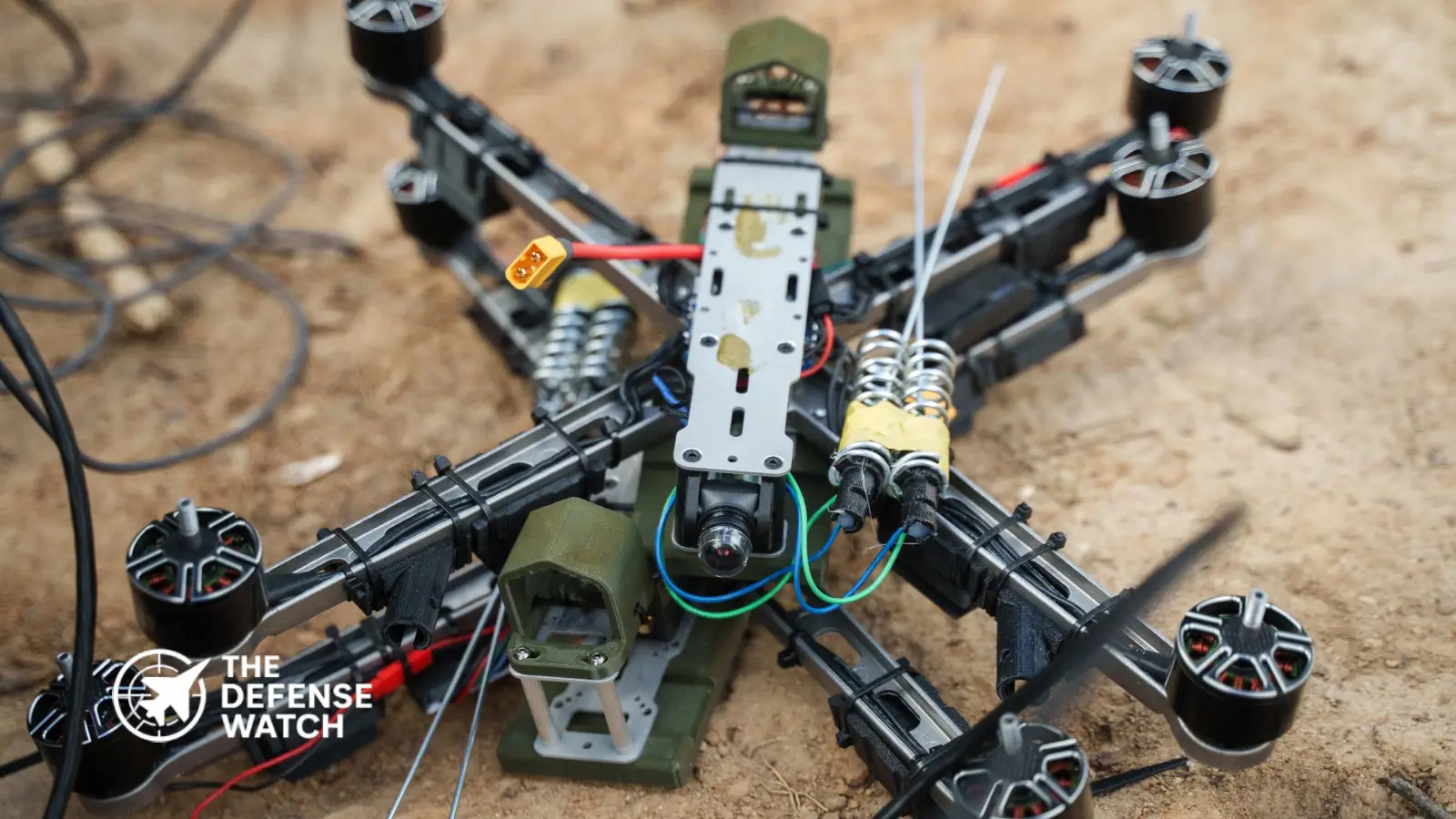
The official program describes a $1 billion plan to purchase small, low-cost attack drones over two years, with an objective of acquiring more than 200,000 systems by 2027.
Rather than relying exclusively on traditional defense procurement, the initiative uses competitive production challenges known as Gauntlets to encourage manufacturers to develop and deliver affordable systems.
The first Gauntlet resulted in orders for 30,000 drones. The second phase, which began in August 2026, is intended to expand procurement volumes.
The program’s longer-term production targets include increasing orders through successive competitions while reducing the target unit price. The official Drone Dominance website outlines an objective of reaching 150,000 drones in the fourth phase, with a target price of $2,300 per unit. These are program targets, not evidence that the systems have already been delivered.
The Department of War also said it has invested more than $6 billion in unmanned systems over the preceding year, covering a wider effort to accelerate capabilities across air, land and maritime domains.
These figures should not be combined as though they represent a single CENTCOM procurement award. The $782 million figure relates to the reported fielding effort for CENTCOM, while the $1 billion Drone Dominance initiative and the broader $6 billion investment describe wider Pentagon activities.
Why Counter-Drone Defenses Matter in the Middle East
The defensive component of the CENTCOM deliveries is particularly important because relatively inexpensive unmanned aircraft can impose disproportionate costs on military forces.
Small attack drones can threaten personnel, logistics facilities, airfields and other military infrastructure. Their relatively low acquisition costs can also create an unfavorable exchange when defenders rely primarily on expensive interceptor missiles.
A layered counter-UAS approach can combine detection, tracking, electronic warfare, kinetic interception and other defensive measures. The appropriate combination depends on the threat, the operating environment and the capabilities available to individual units.
The Pentagon’s reported delivery of more than 24,000 counter-UAS capabilities suggests a substantial investment in defensive capacity. However, the department has not explained how many are detection systems, electronic warfare equipment, interceptors or complete integrated defensive platforms.
That distinction is important when assessing actual protection levels. A high equipment delivery total does not automatically establish that every military installation or deployed unit has comprehensive counter-drone coverage.
The offensive deliveries also have implications beyond aerial attack missions. Unmanned surface and underwater vessels can support maritime surveillance, reconnaissance, mine-related operations and other missions that may expose crewed platforms to unnecessary risk.
The U.S. Army previously reported that CENTCOM autonomous surface systems helped rescue two downed Apache helicopter pilots off the coast of Oman in June 2026. That incident provides an operational example of how unmanned maritime platforms can support military personnel beyond conventional combat missions.
The Challenge Is Sustaining the Expansion
Delivering thousands of unmanned systems is only one part of the Pentagon’s challenge. Maintaining them, training operators, integrating software and ensuring compatibility with existing command networks will determine how much operational value the new equipment provides.
The growing number of unmanned platforms also creates demands for batteries, communications equipment, replacement components, software updates and manufacturing capacity.
Electronic warfare presents another concern. Adversaries can attempt to disrupt communications, navigation and control links, potentially reducing the effectiveness of some unmanned systems. Platforms designed to operate in contested electromagnetic environments will therefore require continued testing and adaptation.
Project Agincourt’s proposed model places greater emphasis on feedback from frontline personnel. Whether that approach can shorten development cycles while maintaining reliability, cybersecurity and operational safety remains an important question.
For CENTCOM, the immediate development is the expansion of offensive unmanned capabilities alongside a much larger investment in counter-drone protection. For the wider U.S. military, the longer-term objective is to make autonomous systems a more integrated part of joint operations rather than treating them as isolated equipment purchases.
The Pentagon has disclosed substantial delivery figures, but has not yet provided enough information to assess the operational effectiveness of the full deployment.