Rolls-Royce is presenting a broad range of naval propulsion and ship automation technologies at Euronaval 2026 in Paris, with particular attention to diesel engines certified for autonomous naval operations and the company’s MT30 marine gas turbine.
The exhibition, running November 3-6, brings together several parts of the company’s naval portfolio, including mtu marine diesel engines, mtu NautIQ automation systems, generator sets and gas turbine technology. Rolls-Royce is using the event to demonstrate how propulsion, electrical power generation and onboard monitoring can be integrated around the operational requirements of different naval vessels.
The presentation is an industry showcase rather than an announcement of a new naval engine contract or a confirmed procurement award. Its more significant operational context is the growing requirement for reliable propulsion systems aboard unmanned surface vessels and warships designed to operate with smaller crews.
Autonomous naval operations bring engine reliability into focus
One of the most relevant technologies in the Rolls-Royce presentation is its mtu Series 2000 and Series 4000 marine diesel engine families.
In September 2026, Rolls-Royce announced that both engine families had received U.S. Navy certification for autonomous naval vessel operations. The certification addresses the ability of propulsion systems to operate without onboard human intervention or preventive and corrective maintenance to specified critical engine systems.
The testing requirements are particularly relevant to unmanned surface vessels (USVs), which must remain operational for extended periods without an onboard engineering crew.
According to Rolls-Royce, the Series 4000 completed two 720-hour durability tests before receiving certification. The Series 2000 qualification was based on component testing and thousands of hours of operational experience.
The manufacturer disclosed the following propulsion capabilities:
- mtu Series 4000: Up to 4,300 kW of propulsion power and 3,000 kWe of electrical generation capacity, depending on configuration.
- mtu Series 2000: Propulsion applications up to 1,939 kW.
- Deployment qualification: Testing supports unmanned vessel deployments of up to 30 days without maintenance to the specified propulsion, fuel and oil systems.
The 30-day qualification should not be interpreted as a guarantee that every vessel using these engines can remain at sea for that period. Actual endurance also depends on fuel capacity, vessel design, mission profile, operating conditions and the reliability of other onboard equipment.
Relevance to the U.S. Navy’s unmanned fleet
The certification provides a propulsion option for naval programs seeking to increase the use of unmanned maritime platforms.
An unmanned surface vessel can undertake selected surveillance, monitoring, testing and other maritime missions without placing a crew aboard. However, removing personnel does not eliminate the need for mechanical reliability, power management, communications and remote supervision.
Rolls-Royce identifies Sea Hunter as an existing example of this propulsion approach. The U.S. Navy vessel uses twin mtu 12V 2000 engines and has accumulated substantial operating experience since its christening in 2016, according to the manufacturer.
For naval planners, the ability to operate propulsion machinery for extended periods without routine onboard maintenance is an important consideration. It can reduce the need for crewed maintenance support, although it does not remove the need for shore-based maintenance, technical oversight or recovery arrangements.
MT30 provides high-power propulsion for larger warships
While the mtu diesel families address a range of naval applications, the MT30 marine gas turbine occupies the higher-power segment of Rolls-Royce’s naval propulsion portfolio.
Designed and assembled at the company’s Bristol facility in the United Kingdom, the MT30 is an aero-derived marine gas turbine intended for ships requiring substantial propulsion and electrical power within relatively limited machinery spaces.
Rolls-Royce describes the MT30 as the world’s most power-dense marine gas turbine currently in service. Its published product information lists output ratings of 36 MW or 40 MW, depending on configuration, with mechanical, electrical and hybrid propulsion arrangements available.
The turbine has been selected for several major naval platforms, including:
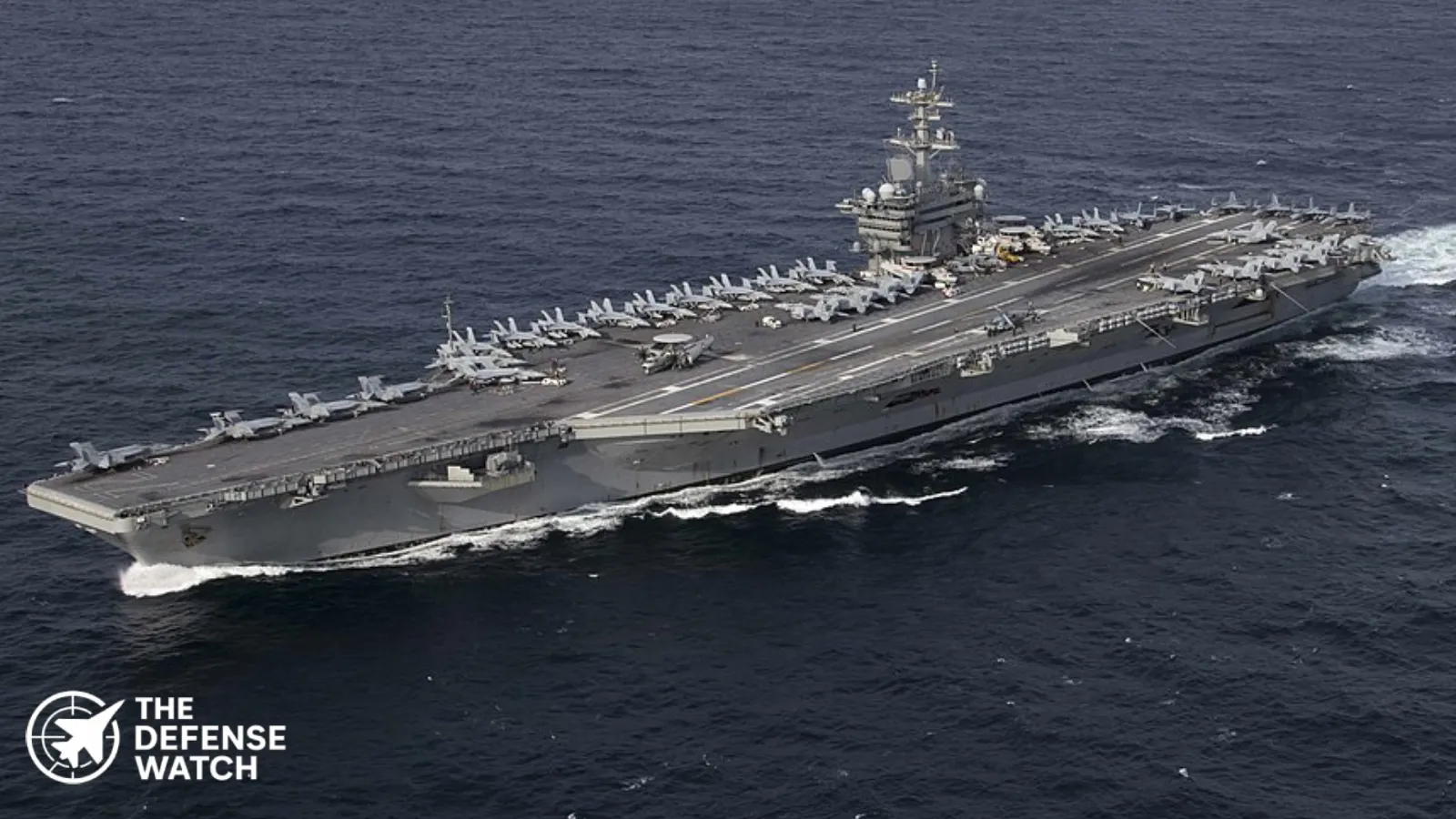
- Royal Navy Queen Elizabeth-class aircraft carriers.
- Royal Navy Type 26 frigates.
- U.S. Navy Freedom-class Littoral Combat Ships.
- U.S. Navy Zumwalt-class destroyers.
- Republic of Korea Navy Daegu-class frigates.
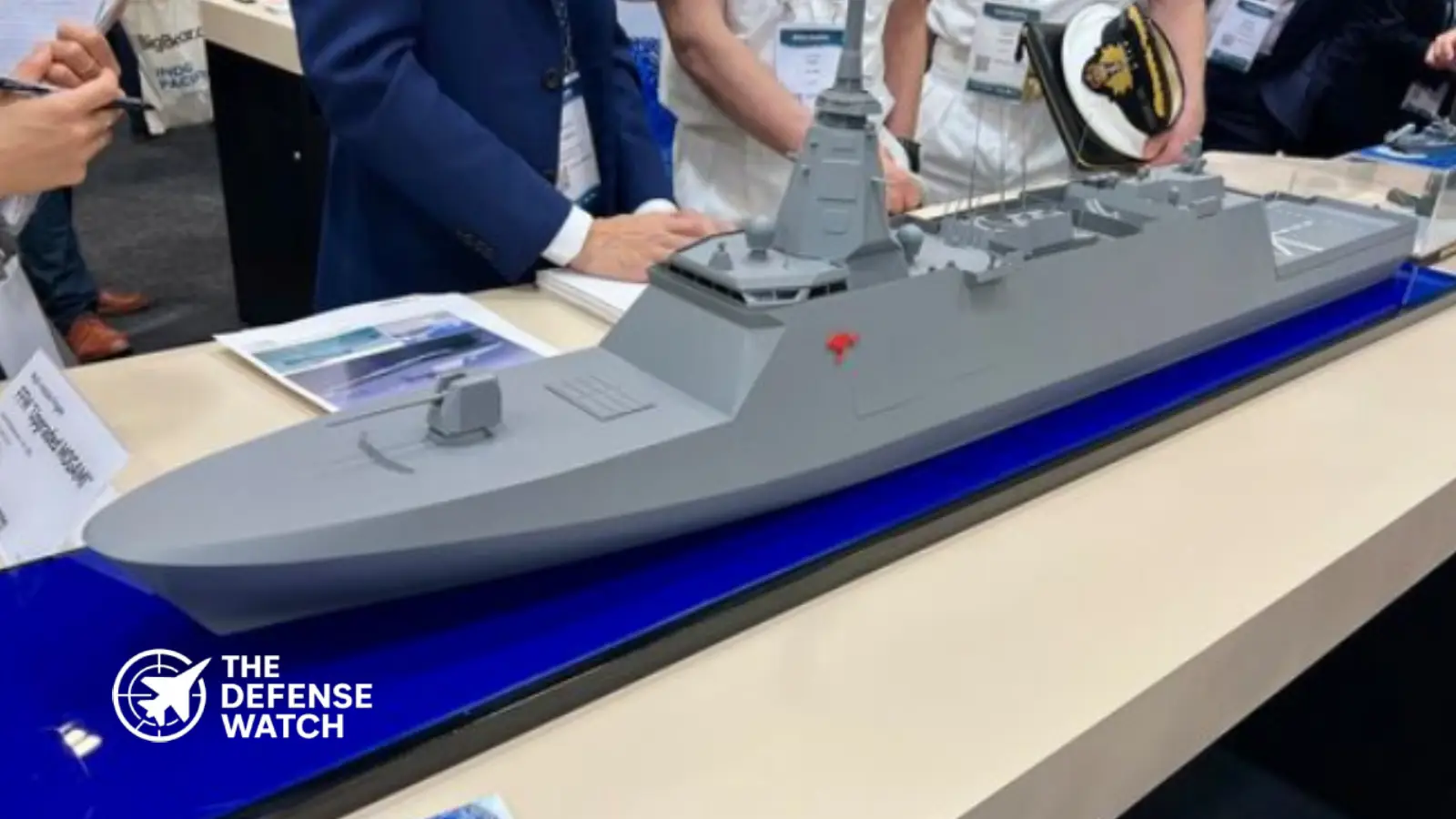
- Japan Maritime Self-Defense Force Mogami-class frigates.
- Italian Navy Trieste amphibious assault ship.
These applications demonstrate the turbine’s use across different vessel sizes and propulsion arrangements.
The MT30 is particularly relevant to integrated electric propulsion and hybrid configurations. In these arrangements, gas turbines and other prime movers can generate electricity for propulsion motors and onboard electrical systems rather than relying exclusively on direct mechanical connections to propellers.
This approach gives naval architects greater flexibility in allocating power between propulsion and electrical loads. It is also relevant as warships incorporate more sophisticated sensors, communications equipment and other electricity-intensive systems.
However, the advantages depend on the overall ship design. Gas turbine selection involves trade-offs involving fuel consumption, maintenance requirements, machinery-space arrangements and the vessel’s intended operating profile.
Automation connects propulsion with onboard equipment
Rolls-Royce is also presenting its mtu NautIQ marine automation portfolio, which addresses the monitoring and control requirements of modern naval vessels.
The company positions propulsion and automation as interconnected elements rather than separate equipment packages.
One of the systems highlighted is mtu NautIQ Foresight, an Equipment Health Management System designed to provide continuous, real-time monitoring of technical equipment aboard a vessel.
This type of monitoring can help ship operators identify equipment abnormalities, track machinery condition and plan maintenance activities before faults affect availability.
For unmanned and reduced-crew vessels, these functions have additional importance. Without a conventional engineering team onboard, operators need dependable information about machinery condition and the ability to identify developing problems remotely.
Automation, however, does not automatically make a vessel autonomous. Unmanned operations require additional capabilities, including reliable communications, navigation, cybersecurity, safety systems and remote or autonomous mission control.
The NautIQ portfolio addresses part of that technical requirement, but Rolls-Royce’s exhibition announcement does not establish that the system independently controls every function of an unmanned naval vessel.
A long-established diesel portfolio remains relevant
Alongside its newer autonomous-vessel applications, Rolls-Royce is highlighting the continuing role of its established mtu naval diesel engines.
The mtu Series 1163 reaches its 50th year of naval service in 2026. Rolls-Royce says it has delivered more than 1,000 engines from this series, almost all for naval vessels, including frigates and corvettes operated internationally.
The milestone illustrates the importance of established propulsion technology in naval procurement.
Warship propulsion systems must remain supportable throughout lengthy service lives. Navies generally consider not only engine performance but also maintenance infrastructure, spare-parts availability, technical support, fuel requirements and integration with existing ship systems.
A proven engine family can offer advantages where operators prioritize established maintenance arrangements and predictable lifecycle support. Continuous development is also necessary to keep older engine designs compatible with evolving operational and environmental requirements.
For Rolls-Royce, the combination of established diesel engines, gas turbines and automation provides access to different segments of the naval shipbuilding market.
What the Euronaval presentation means for naval shipbuilders
The company’s exhibition strategy reflects a practical issue facing modern naval forces: propulsion systems must support increasingly diverse vessel designs and operating concepts.
Traditional frigates, destroyers and aircraft carriers require propulsion arrangements suited to their size, speed and electrical demands. Smaller vessels and unmanned platforms have different priorities, particularly endurance, compact machinery and reduced maintenance requirements.
There is no single propulsion architecture that meets every requirement.
Diesel engines generally suit vessels that prioritize fuel efficiency and sustained operation at lower and moderate power demands. Gas turbines offer high power density and are relevant to ships requiring substantial output within constrained machinery spaces. Hybrid and integrated electric arrangements provide additional design flexibility but introduce their own engineering and integration requirements.
The growing use of autonomous vessels adds another consideration. Propulsion equipment must be dependable enough to operate for extended periods without routine intervention, while automation systems must provide operators with reliable information about equipment condition.
Rolls-Royce’s presence at Euronaval 2026 therefore centers on the integration of established propulsion technologies with the changing requirements of naval ship design.
The company has not announced a new procurement award, a specific customer order or a new engine development as part of this exhibition announcement. The immediate significance lies in demonstrating an existing portfolio that serves both conventional warships and the expanding market for autonomous maritime platforms.