Houthi Attacks on Saudi Arabia Mark Major Regional Escalation
Houthi attacks on Saudi Arabia have added a new cross-border front to the widening conflict involving Iran, the United States and their regional partners.
- Houthi Attacks on Saudi Arabia Mark Major Regional Escalation
- Takeaways
- Saudi Energy Infrastructure Comes Under Attack
- U.S. Forces Destroy Five Iranian Oil Carriers
- Iran Reports Retaliatory Missile Strike
- Why the Bab el-Mandeb Matters
- Conflict Pressure Extends Into Aviation and Trade
- What the Saudi Attacks Mean for Regional Security
- Energy Markets Remain a Key Pressure Point
- Bottom Line
The Iran-aligned Houthi movement said it launched missiles and drones against targets deep inside Saudi Arabia on Tuesday, September 8. Saudi authorities said attacks affected civilian and economic sites in Abha, Khamis Mushait, Jazan and Najran, with 73 people wounded, including women and children.
The strikes came as U.S. forces conducted their own escalation against Iran, destroying five Iranian crude oil carriers after the Islamic Revolutionary Guard Corps attempted to strike a U.S. Navy warship with ballistic missiles on two occasions over two days.
The simultaneous developments show how fighting that had centered on U.S. and Iranian forces is increasingly affecting neighboring countries, energy infrastructure and maritime routes.
Takeaways
The latest attacks have widened the conflict geographically, placing Saudi civilian and energy infrastructure under renewed pressure while U.S. and Iranian forces continue direct military exchanges.
Saudi Energy Infrastructure Comes Under Attack
The Houthi attacks focused on some of Saudi Arabia’s most strategically important southern areas.
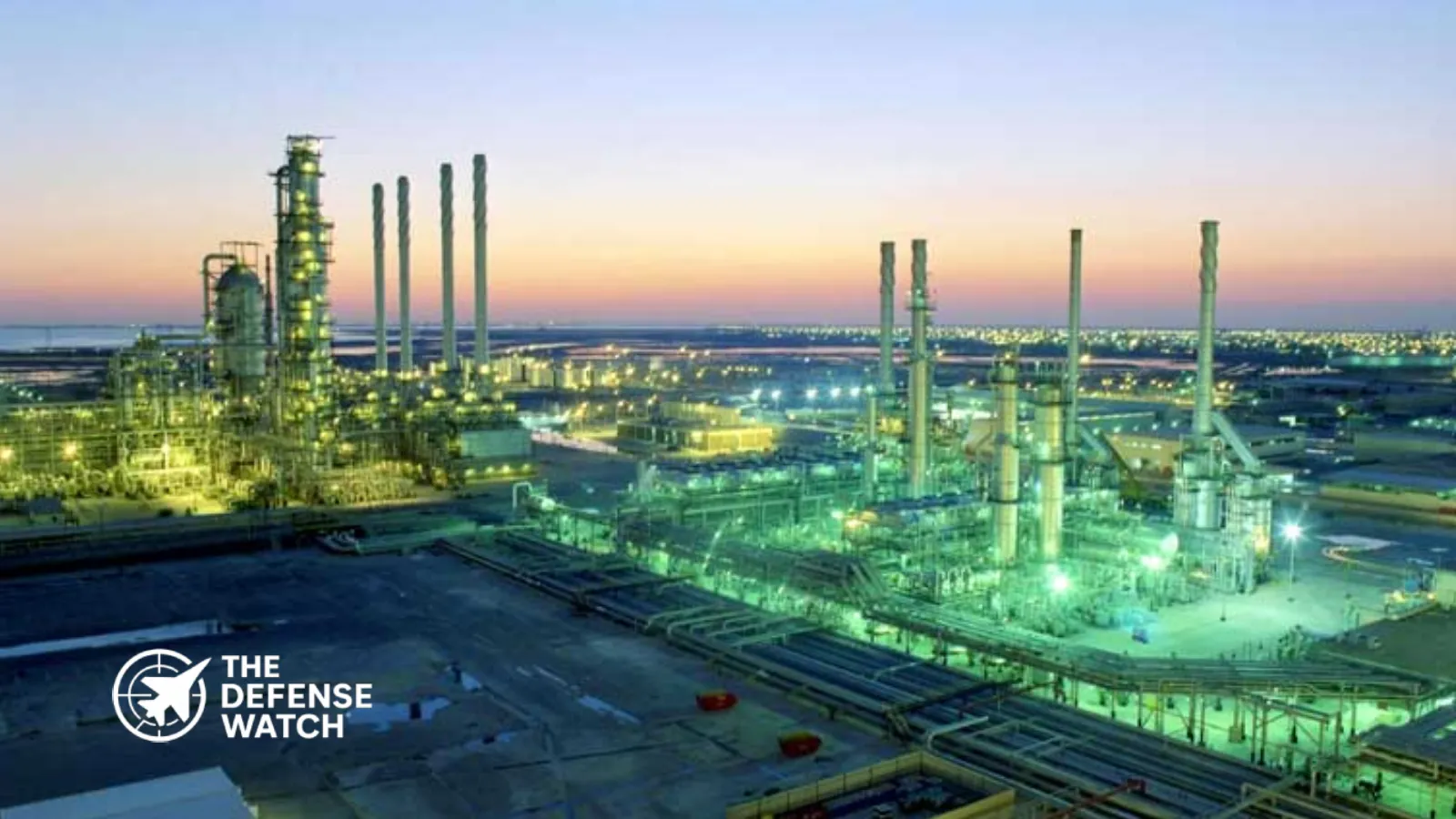
The Houthis said their forces targeted a Saudi airbase in Khamis Mushait and assets belonging to Saudi Aramco in Abha, Najran and Jazan. Saudi officials confirmed fires at several sites and said the attacks wounded 73 people.
Reuters reported that satellite imagery showed a large black smoke cloud over the Jazan refinery and white smoke near an oil distribution center in Abha. The imagery provided an independent indication that energy-related facilities were affected, although the full extent of physical damage remained unclear.
The attacks are significant because Saudi Arabia has increasingly relied on routes through the Red Sea as the conflict has constrained traffic through the Strait of Hormuz.
The U.S. Energy Information Administration reported that oil and petroleum liquid flows through Bab el-Mandeb averaged 8.1 million barrels per day in the second quarter of 2026, compared with 5.4 million barrels per day in the fourth quarter of 2025. The increase reflected Saudi efforts to reroute crude away from the Strait of Hormuz.
That makes renewed attacks around southwestern Saudi Arabia more important than a conventional cross-border exchange. Damage or prolonged disruption to infrastructure connected to Red Sea export routes could affect an already strained global energy system.
U.S. Forces Destroy Five Iranian Oil Carriers
The Saudi attacks occurred alongside a separate escalation between Washington and Tehran.
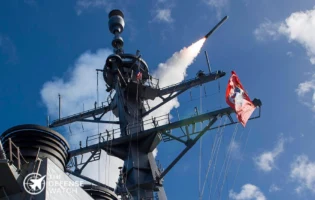
U.S. Central Command said its forces destroyed five Iranian crude oil carriers on September 8 after the IRGC targeted a U.S. Navy warship with ballistic missiles twice during the previous two days. CENTCOM said the warship avoided the attacks and that no American personnel were harmed.
The five vessels identified by CENTCOM were the M/T Kaviz, M/T Charminar, M/T Horizon 1 and M/T Riesco in the Gulf of Oman, along with the M/T Derya near Kharg Island.
CENTCOM said the ships were connected to what it described as a multibillion-dollar shadow network used to finance Iran’s Islamic Revolutionary Guard Corps and regional partners. U.S. forces directed crews to abandon the vessels before the ships were struck and rendered inoperable.
The action followed U.S. strikes against three other Iranian crude carriers on September 5. The expanding maritime campaign adds pressure on Iran’s oil export infrastructure while Washington seeks to restrict Tehran’s ability to finance military operations.
Iran Reports Retaliatory Missile Strike
Iran subsequently said it launched a ballistic missile attack against a U.S. base near Al Azraq in eastern Jordan.
Reuters reported that the claim came through an IRGC statement carried by Iranian state media. At the time of reporting, Jordan and the U.S. military had not independently confirmed the attack.
That distinction is important for accurate reporting because the status and effectiveness of the reported strike remained unverified.
The wider sequence nevertheless shows the increasingly interconnected nature of the conflict. Iranian military pressure on U.S. forces is occurring alongside attacks by the Houthis against Saudi Arabia and continued threats to maritime traffic around the Red Sea and Gulf.
Why the Bab el-Mandeb Matters
The Houthi attacks on Saudi Arabia also carry implications beyond the immediate battlefield.
The Bab el-Mandeb connects the Red Sea with the Gulf of Aden and is an important route for oil, container shipping and other commercial traffic. Saudi Arabia has used infrastructure connected to the Red Sea to redirect some oil flows away from the Strait of Hormuz.
EIA data shows how much the regional conflict has already altered those patterns. Oil and petroleum liquid flows through Hormuz averaged only 4.9 million barrels per day in the second quarter of 2026, compared with 21.6 million barrels per day in the fourth quarter of 2025. At the same time, Bab el-Mandeb flows increased to 8.1 million barrels per day.
This creates a strategic vulnerability. If both major routes face sustained disruption, producers and consumers have fewer practical alternatives.
EIA has previously noted that Saudi Arabia can redirect some crude through the East-West pipeline toward Yanbu and use alternative routes through the Suez Canal and Sumed pipeline. However, those options are more limited and can be more expensive than normal shipping routes.
Conflict Pressure Extends Into Aviation and Trade
The military escalation is also being reinforced by economic measures.
The U.S. Treasury Department announced sanctions on September 8 targeting 36 entities and individuals connected to Iran’s aviation sector. Treasury said the action was designed to restrict networks used to move weapons, personnel and illicit cargo and to limit Iran’s access to aircraft and sensitive aviation technology.
The measure forms part of Washington’s broader economic pressure campaign against Tehran.
Taken together with attacks on oil carriers, the sanctions show that the conflict is being fought through multiple channels: military strikes, maritime interdiction, financial restrictions and pressure on aviation networks.
What the Saudi Attacks Mean for Regional Security
The latest Houthi attacks on Saudi Arabia represent a significant expansion in the geographic reach of the current conflict.
Saudi Arabia has fought the Houthis for more than a decade as part of the broader Yemen war, but hostilities had eased substantially after the 2022 ceasefire. Reuters reported that the ceasefire has now broken down as Saudi-backed Yemeni forces conduct a multipronged offensive against Houthi-held areas.
The renewed fighting inside Yemen provides a direct context for the latest cross-border strikes.
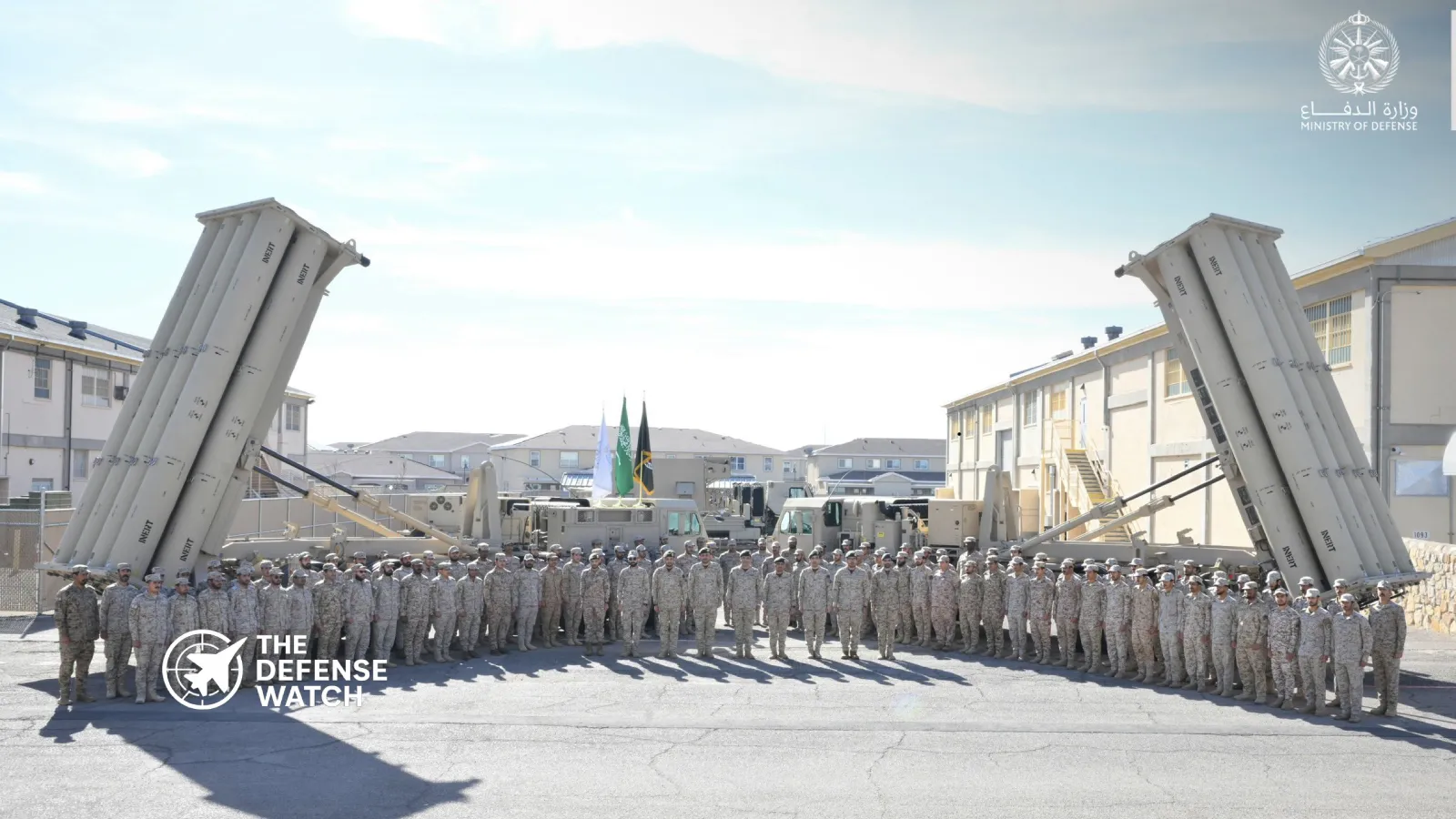
The Houthi ability to reach Saudi military and economic targets also reinforces the importance of layered air and missile defense across the kingdom. Protecting energy infrastructure requires more than defending individual facilities. It requires persistent detection, tracking, interception and rapid recovery after an attack.
For Saudi Arabia and its partners, the challenge is therefore both military and economic. Even limited physical damage can create wider effects if attacks force temporary shutdowns, disrupt shipping schedules or increase insurance and transportation costs.
Energy Markets Remain a Key Pressure Point
Oil prices responded to the latest developments, although Reuters reported that Brent crude remained below $100 per barrel despite the renewed disruptions. The benchmark had risen to its highest level since July 23 as the conflict intensified.
The market reaction reflects the central role of energy infrastructure in the current confrontation.
The Strait of Hormuz and Bab el-Mandeb are not interchangeable routes. They serve different geographic functions, but disruption at either chokepoint can increase shipping costs and reduce the flexibility available to producers and traders.
The attacks on Saudi facilities therefore have significance beyond the immediate damage assessment. If cross-border strikes become persistent, the risk shifts from isolated incidents toward a broader threat to regional energy logistics.
Bottom Line
The latest Houthi attacks on Saudi Arabia have opened another pressure point in an already expanding Middle East conflict.
Missile and drone strikes on Abha, Khamis Mushait, Jazan and Najran wounded 73 people and caused fires at energy-related sites, according to Saudi authorities. At the same time, U.S. forces destroyed five Iranian crude oil carriers after attempted Iranian attacks on a U.S. Navy warship.
The immediate military picture remains fluid, but the strategic concern is clear. Fighting is no longer confined to isolated exchanges between U.S. and Iranian forces. Saudi energy infrastructure, Red Sea shipping and Gulf maritime traffic are increasingly exposed to the same conflict.
For Washington and its regional partners, protecting those networks will be central to limiting the conflict’s wider military and economic effects.