• Home
  • About
  • Defense Systems
  • Manufacturer
  • Comparisons
  • Compare 
  • Tools
TheDefenseWatch.com
  • Aerospace & Aviation
  • Military & Ordnance
  • Naval & Maritime
  • Cyber & Space Defense
  • Policy & Strategy
  • Global News
  • Tools Library
    • Smart Calculator
    • Drone Flight Time Calculator
    • Drone Range Calculator
    • Counter-Drone Jammer Effective Range Calculator
    • Counter-Battery Radar Detection Calculator
    • Artillery Fire Correction Calculator
    • Thermal Camera Detection Range Calculator
    • Missile Range & Time-of-Flight Calculator
    • Radar Detection Range Calculator
    • FPV Strike Drone Payload vs Range Calculator
    • Loitering Munition Endurance Calculator
    • Sniper Ballistic Drop & Windage Calculator
    • Bullet Drop Calculator
    • U.S. Army Combat Fitness Test (ACFT) Calculator
    • Military Pension Calculator
    • Military Retirement Calculator
    • Military Pension Calculator
    • Large Number Calculator
Font ResizerAa

TheDefenseWatch.com

The Defense Watch | U.S. & Global Defense News, Analysis & Military Updates

Search
  • Home
  • About
  • Defense Systems
  • Manufacturer
  • Comparisons
  • Compare 
  • Tools

Stay Updated

Get the latest update

Subscribe

Explore

  • Drone
  • Fighter Jets & Military Aircraft
  • Hypersonic Weapons
  • Aircraft Carriers
  • Strategic History & Missions
  • Tools Library
Home » US Navy P-8A Poseidon Expands Anti-Submarine Warfare Capability Near Taiwan
Naval & MaritimeNaval Strategy & Maritime Security

US Navy P-8A Poseidon Expands Anti-Submarine Warfare Capability Near Taiwan

Kaleem Sheikh | Regional Defense Correspondent
Last updated: September 7, 2026 11:20 am
Kaleem Sheikh | Regional Defense Correspondent
Share
2 Min Read
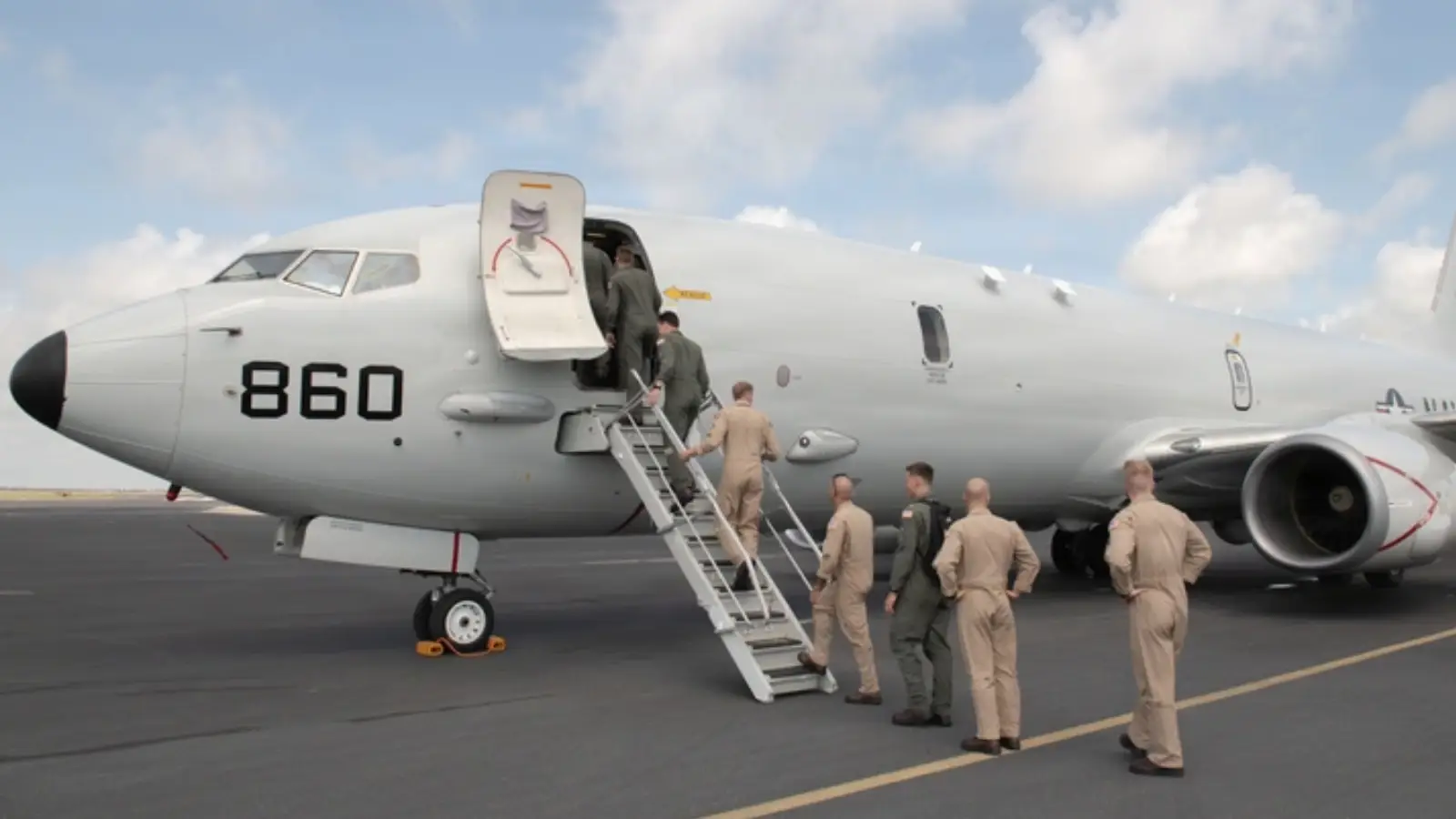
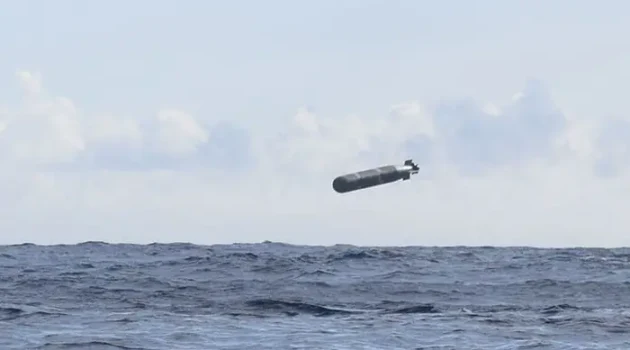
US Navy P-8A Poseidon maritime patrol aircraft releasing a Mk 54 torpedo during anti-submarine warfare exercises near Taiwan
Image: U.S. Navy
SHARE

Executive Summary:
The U.S. Navy deployed a P-8A Poseidon maritime patrol aircraft for live anti-submarine warfare operations near Taiwan using Mk 54 lightweight torpedoes. The exercise underscores Washington’s continued focus on undersea warfare readiness and maritime deterrence in the increasingly contested Indo-Pacific region.

U.S. Navy P-8A Poseidon Conducts Live Anti-Submarine Warfare Operations Near Taiwan

The U.S. Navy P-8A Poseidon conducted live anti-submarine warfare operations near Taiwan in a move that highlights growing American focus on maritime surveillance and undersea deterrence across the Indo-Pacific theater.

Contents
U.S. Navy P-8A Poseidon Conducts Live Anti-Submarine Warfare Operations Near TaiwanP-8A Poseidon Remains Central To U.S. Maritime Surveillance StrategyIndo-Pacific Undersea Competition Continues To IntensifyLive Torpedo Operations Signal Operational ReadinessAllied Maritime Coordination Expands Across The RegionStrategic Analysis

The exercise involved the deployment of live Mk 54 lightweight torpedoes during operational training missions designed to strengthen anti-submarine warfare readiness in strategically sensitive waters near Taiwan.

The drill reflects the expanding operational role of the P-8A Poseidon as the U.S. Navy continues increasing maritime patrol activities across the Western Pacific amid heightened regional military competition.

P-8A Poseidon Remains Central To U.S. Maritime Surveillance Strategy

The Boeing P-8A Poseidon has become one of the most important airborne assets in the U.S. Navy’s anti-submarine warfare architecture. Developed from the Boeing 737-800ERX airframe, the aircraft combines long-range surveillance, electronic intelligence collection, and anti-submarine combat capabilities within a single platform.

- Advertisement -

The aircraft is equipped with advanced maritime radar systems, acoustic sensors, sonobuoys, electro-optical targeting systems, and secure communications suites that allow crews to detect, classify, and track hostile submarines across large operational areas.

Its ability to deploy the Mk 54 lightweight torpedo gives the platform an immediate strike capability against submerged threats. The torpedo itself is optimized for both deep-water and littoral combat environments, making it suitable for operations across the complex maritime geography of the Indo-Pacific.

The latest exercise near Taiwan demonstrates how the U.S. Navy is integrating surveillance and strike capabilities into regular operational patrols rather than treating anti-submarine warfare as a standalone mission set.

Indo-Pacific Undersea Competition Continues To Intensify

The operational environment surrounding Taiwan has become increasingly important in modern naval strategy, particularly as regional powers continue investing heavily in submarine fleets and long-range maritime strike systems.

China’s rapid naval modernization has included significant expansion of the People’s Liberation Army Navy submarine force, including nuclear-powered ballistic missile submarines and advanced diesel-electric attack submarines designed for operations in contested regional waters.

For the United States and allied forces, maintaining anti-submarine warfare superiority has become critical to preserving freedom of navigation, carrier strike group survivability, and regional deterrence credibility.

  • MK 54 Lightweight Torpedo Missile

    MK 54 Lightweight Torpedo Missile

    • Guidance System: Active and Passive Acoustic Homing
    • Maximum Speed: Approximately 40 knots
    • Launch Compatibility: Aircraft, Helicopters, Surface Ships
    • Warhead Technology: High Explosive Blast Fragmentation
    • View Details →
    7.5

    The U.S. Navy P-8A Poseidon fleet plays a central role in this strategy by providing persistent maritime domain awareness across chokepoints and contested sea lanes stretching from the South China Sea to the Philippine Sea and East China Sea.

    Operational patrols near Taiwan also serve broader strategic objectives by demonstrating U.S. capability to monitor underwater activity in one of the world’s most strategically sensitive maritime corridors.

    Live Torpedo Operations Signal Operational Readiness

    Unlike routine surveillance missions, live torpedo exercises provide crews with real-world operational training under combat-like conditions. These drills test targeting procedures, sensor integration, communications coordination, and weapons deployment accuracy.

    The use of live Mk 54 torpedoes indicates a focus on maintaining combat proficiency rather than conducting symbolic presence operations alone.

    From a military readiness perspective, anti-submarine warfare remains among the most technically demanding naval mission areas. Modern submarines are increasingly quiet, difficult to detect, and capable of operating across shallow coastal waters where acoustic tracking becomes more challenging.

    By conducting live anti-submarine warfare drills near Taiwan, the U.S. Navy is reinforcing its ability to rapidly respond to underwater threats in a high-risk operational environment.

    • MK 54 Lightweight Torpedo Missile

      MK 54 Lightweight Torpedo Missile

      • Guidance System: Active and Passive Acoustic Homing
      • Maximum Speed: Approximately 40 knots
      • Launch Compatibility: Aircraft, Helicopters, Surface Ships
      • Warhead Technology: High Explosive Blast Fragmentation
      • View Details →
      7.5

      The exercise also reflects a wider Pentagon emphasis on distributed maritime operations and persistent forward presence across the Indo-Pacific region.

      Allied Maritime Coordination Expands Across The Region

      The P-8A Poseidon platform is also widely operated by U.S. allies and partners, including Australia, the United Kingdom, India, South Korea, Norway, and New Zealand. This growing multinational operator base enhances interoperability during coalition maritime operations and regional security patrols.

      In recent years, Indo-Pacific security cooperation has increasingly focused on maritime intelligence sharing, anti-submarine warfare coordination, and integrated surveillance operations.

      Taiwan’s surrounding waters remain particularly important due to their proximity to key shipping routes and military operating areas. The ability to monitor submarine activity in this environment provides strategic advantages for both deterrence and crisis response planning.

      As regional tensions continue evolving, maritime patrol aircraft such as the P-8A Poseidon are expected to remain among the most heavily utilized assets in forward U.S. naval operations.

      Strategic Analysis

      The latest U.S. Navy P-8A Poseidon anti-submarine warfare mission near Taiwan highlights a broader shift toward persistent undersea dominance operations across the Indo-Pacific.

      Rather than relying solely on large naval formations, the United States is increasingly leveraging networked surveillance aircraft, submarines, unmanned systems, and distributed sensor networks to counter emerging maritime threats.

      This approach reflects the growing recognition that future naval competition may be decided as much below the surface as above it.

      The combination of live weapons training, forward deployment patterns, and expanded allied interoperability suggests Washington intends to maintain continuous anti-submarine warfare pressure in strategically contested waters.

      For regional actors, these operations signal that maritime surveillance and undersea warfare capabilities will remain central components of Indo-Pacific military planning in the years ahead.
TAGGED:Anti-Submarine WarfareIndo-Pacific SecurityP-8A PoseidonTaiwan StraitUS Navy
Share This Article
Facebook Copy Link Print
ByKaleem Sheikh | Regional Defense Correspondent
Follow:
Kaleem Sheikh is a regional defense correspondent at TheDefenseWatch.com covering defense and security developments across Asia and the Middle East, including military operations, procurement, and regional security issues.
Leave a Comment

Leave a Reply Cancel reply

Your email address will not be published. Required fields are marked *

Search Defense Systems

Latest Defense Systems

  • F-47A Fighter Jet F-47A Fighter Jet
  • China DF-61 Missile China DF-61 Missile
  • B61 Nuclear Bomb B61 Nuclear Bomb
  • Japan E-767 Airborne Japan E-767 Airborne
  • Remington 870 Shotgun Remington 870 Shotgun
  • RUTA B1 Cruise Missile RUTA B1 Cruise Missile
  • XQ-67A Drone XQ-67A Drone
  • B-25 Mitchell Bomber B-25 Mitchell Bomber
  • F-100 Super Sabre F-100 Super Sabre

Recent Compares

  • J-10C vs JF-17 Thunder: Which Fighter Is More Capable? J-10C vs JF-17 Thunder: Which Fighter Is More Capable? View Comparison →
  • Tejas vs Gripen: Key Differences and Capabilities Tejas vs Gripen: Key Differences and Capabilities View Comparison →
  • Tejas vs MiG-21 Bison: How India Replaced Its Iconic Supersonic Fighter Tejas vs MiG-21 Bison: How India Replaced Its Iconic Supersonic Fighter View Comparison →
  • F-35 vs F-16: Stealth, Sensors and Combat Roles F-35 vs F-16: Stealth, Sensors and Combat Roles View Comparison →
  • Tejas Fighter Jet vs F-16 Fighting Falcon: Capability Compared Tejas Fighter Jet vs F-16 Fighting Falcon: Capability Compared View Comparison →
  • Rafale Fighter Jet vs F-16 Fighting Falcon : Which Fighter Has the Edge? Rafale Fighter Jet vs F-16 Fighting Falcon : Which Fighter Has the Edge? View Comparison →
  • Su-57 Fighter Jet vs J-20 Fighter Jet: Stealth and Air Combat Compared Su-57 Fighter Jet vs J-20 Fighter Jet: Stealth and Air Combat Compared View Comparison →
  • Mirage 2000 vs Tejas Mk1A: Legacy Combat Power vs Indigenous Modernization Mirage 2000 vs Tejas Mk1A: Legacy Combat Power vs Indigenous Modernization View Comparison →
  • Rafale Fighter Jet vs F-22 Raptor: Which Air Dominance Fighter Has the Edge? Rafale Fighter Jet vs F-22 Raptor: Which Air Dominance Fighter Has the Edge? View Comparison →
  • Tejas Fighter Jet vs. Rafale Fighter Jet: India’s Indigenous Fighter Meets France’s Proven Multirole Combat Aircraft Tejas Fighter Jet vs. Rafale Fighter Jet: India’s Indigenous Fighter Meets France’s Proven Multirole Combat Aircraft View Comparison →

Recent Posts

  • Marine One Explained: The Presidential Helicopter, Its Fleet and the VH-92A Transition
  • Sikorsky Wins South Korea Contract for Four S-92A+ Presidential Helicopters
  • Saudi Arabia Intercepts Missiles Targeting Riyadh as Aramco Building Is Damaged
  • US Approves Potential $1.08 Billion Black Hawk Helicopter Sale to Mexico
  • NASA Completes Final ISS Solar Array Installation, Raising Station Power Capacity by 30%

You Might Also Like

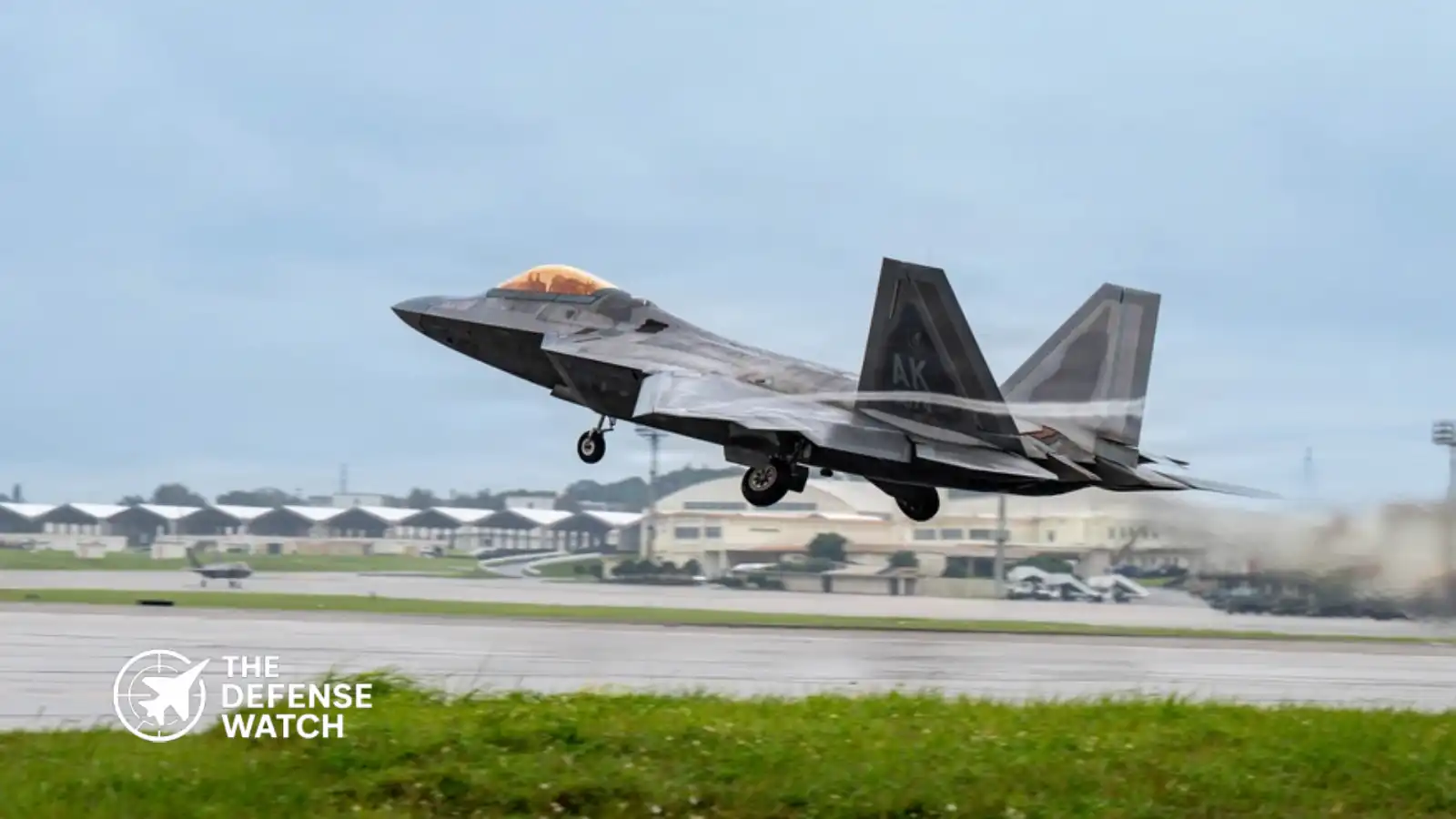
F-22 stealth fighters deployment
Aerospace & AviationFighter Jets & Military Aircraft

US Moves To Forward Deploy F-22 Stealth Fighters As Taiwan Tensions Rise

September 7, 2026
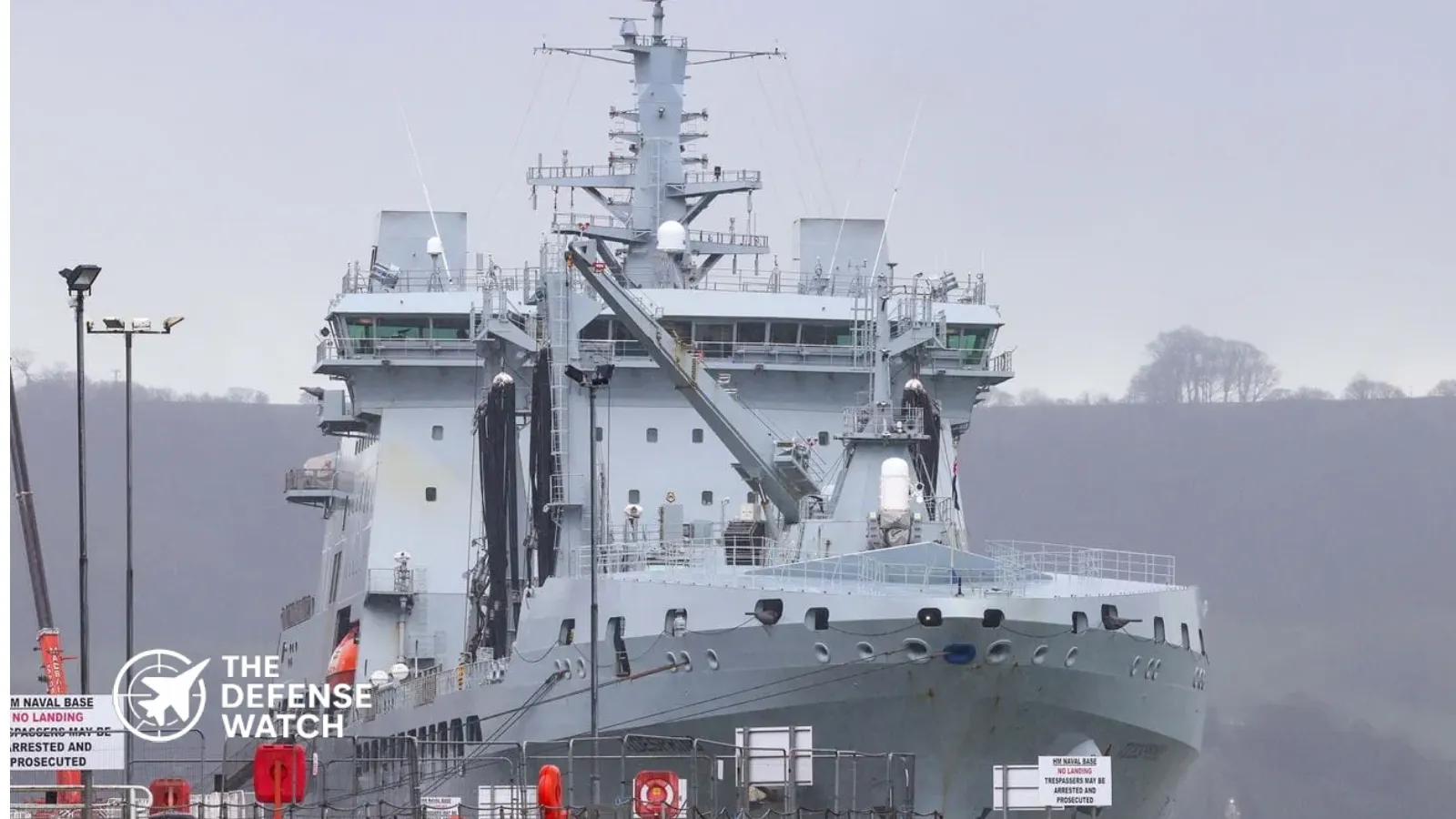
RFA Tidespring deployment mission
Naval & MaritimeNaval Strategy & Maritime Security

RFA Tidespring Completes Record 291-Day Mission Supporting UK Carrier Strike Group

September 7, 2026
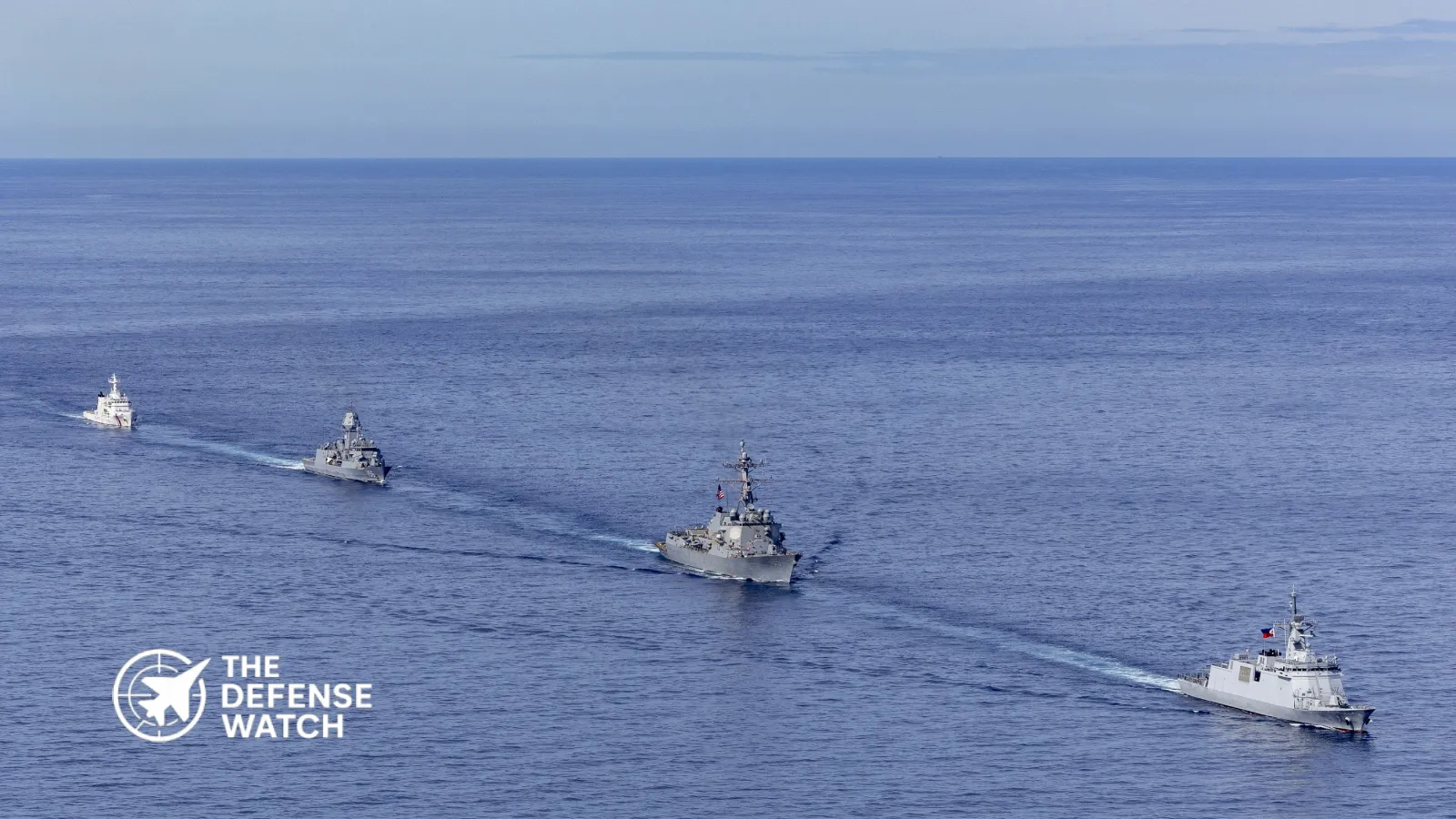
Maritime Cooperative Activity Philippines
Naval & MaritimeNaval Strategy & Maritime Security

Australia, Philippines, United States Conduct Maritime Cooperative Activity In Philippine EEZ

September 7, 2026
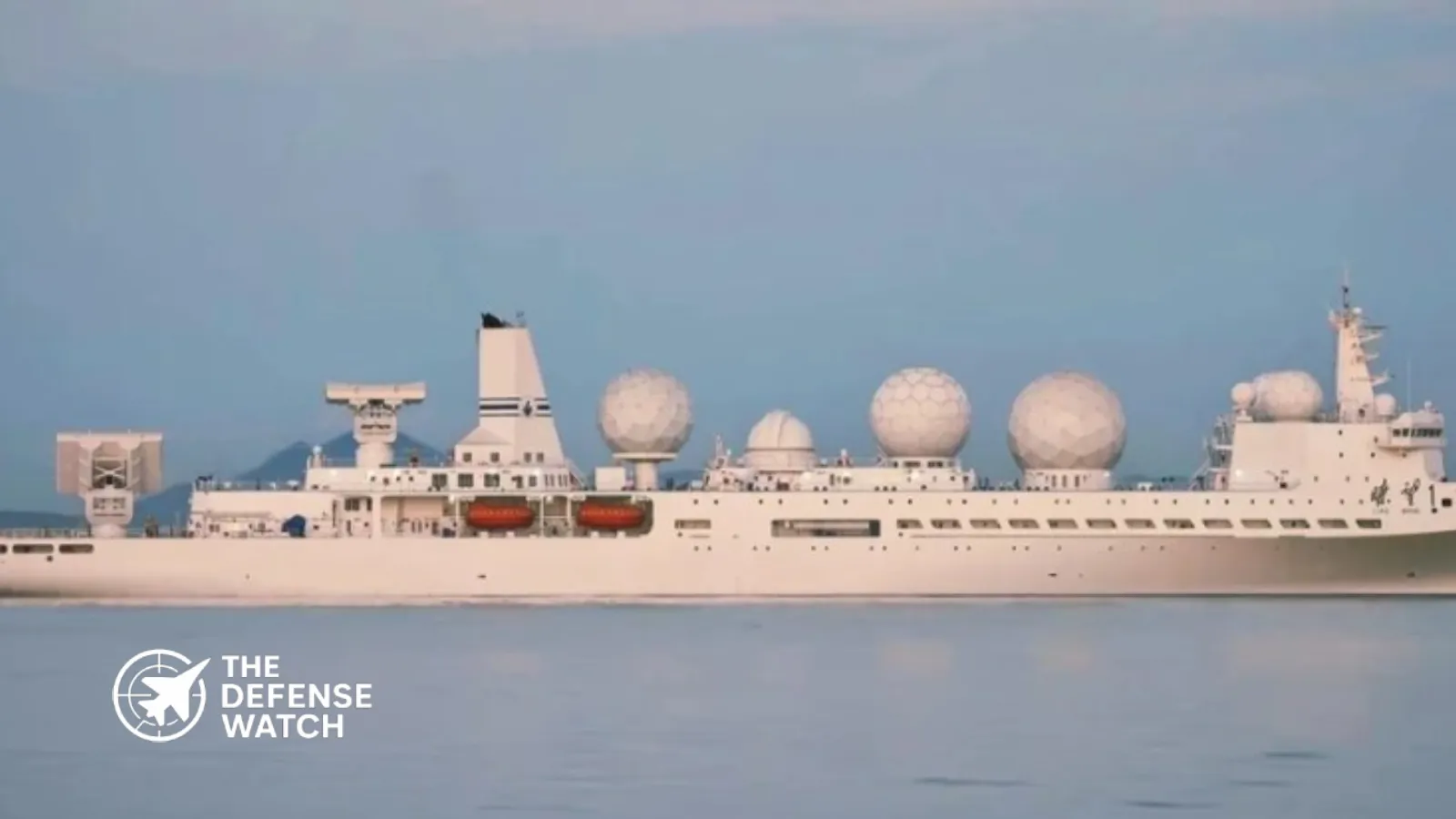
Chinese spy ship Liaowang-1
Naval & MaritimeNaval Strategy & Maritime Security

Iran Conflict 2026: Chinese Spy Ship Liaowang-1 Operating Near Oman Raises Concerns Over Monitoring Of US Military Operations

September 12, 2026

Logo

Copyright © 2026 TheDefenseWatch.com

Helpful Links

  • Home
  • About Us
  • Privacy Policy
  • Terms of Use / Disclaimer
  • U.S. Privacy Notice – CCPA Compliance

Defense Systems

  • Defense Systems
  • Comparisons 
  • Manufacturer
  • Tactical Calculators

Popuplar

Which 5 Air Forces Possess the Costliest Fighter Jet Fleets in the World
Evolving Strategic Value: Carrier Strike Groups in the Indo-Pacific’s Future Security Architecture
Autonomous Weapon Systems Spark U.S. Ethics Debate Amid Rapid Military AI Integration

We report on developments involving military forces, governments, defense companies, research organizations, and security institutions around the world. 

Welcome Back!

Sign in to your account

Username or Email Address
Password

Lost your password?