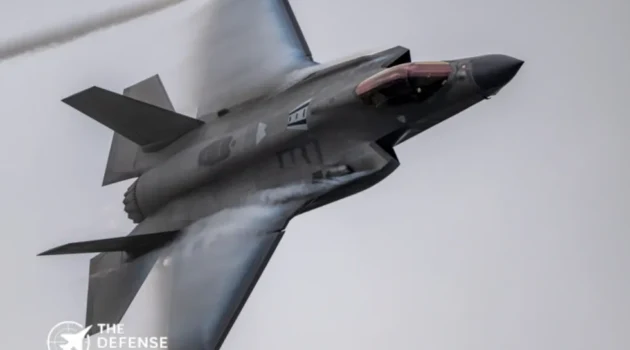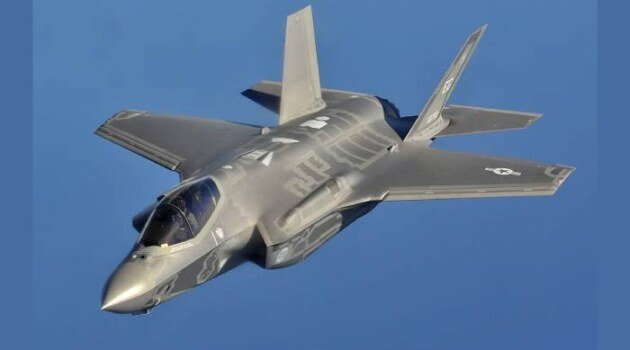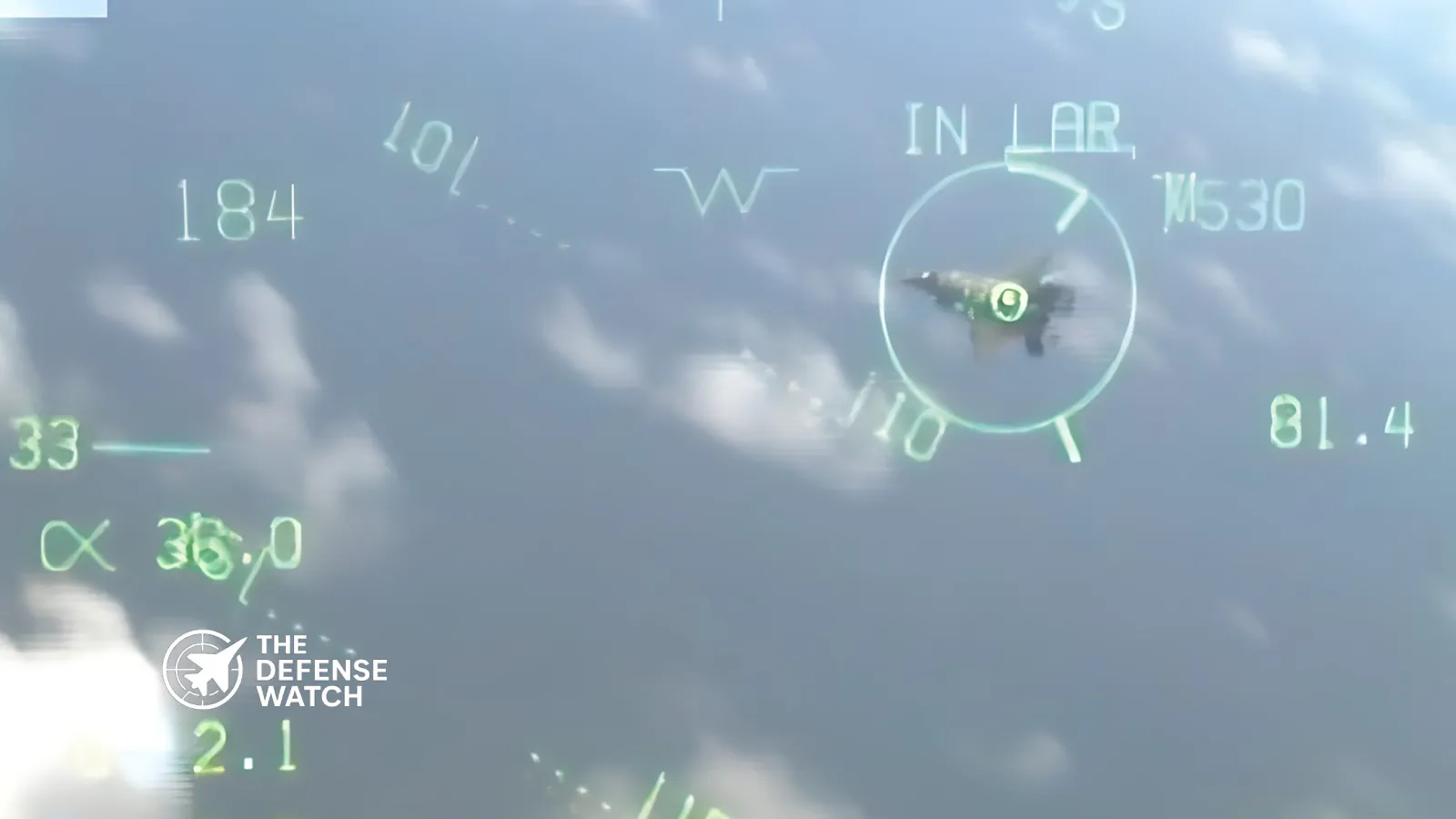
- ► Dutch F-35s deployed to the United States for high-tempo combat training operations.
- ► Training focuses on complex, large-scale air combat scenarios and interoperability.
- ► Deployment enhances NATO readiness amid evolving global security challenges.
- ► U.S.-based training provides access to advanced ranges and joint-force integration.
- ► Move underscores the Netherlands’ commitment to high-end airpower modernization.
Dutch F-35 Deployment To United States Strengthens Combat Readiness
The Dutch F-35 deployment to the United States marks a significant step in advancing high-tempo combat training and operational readiness for the Royal Netherlands Air Force.
The deployment places Dutch fifth-generation fighters in one of the most demanding training environments available to NATO air forces.
The aircraft involved are the F-35 Lightning II, a platform designed for stealth, sensor fusion, and network-centric warfare. By relocating to the United States, Dutch crews gain access to expansive training ranges and advanced simulation environments not available in Europe.
This move reflects a broader NATO trend of leveraging U.S.-based infrastructure to prepare allied air forces for high-intensity conflict scenarios.
High-Tempo Training Focuses On Complex Combat Scenarios
The primary goal of the deployment is to conduct high-tempo combat training that replicates real-world operational stress. This includes large-force employment exercises, multi-domain integration, and sustained sortie generation under pressure.
Training in the U.S. allows Dutch pilots to operate in complex airspace alongside American and allied aircraft. These environments simulate contested battlespaces, including electronic warfare, integrated air defense systems, and coordinated strike missions.
Such scenarios are critical for modern air warfare. Fifth-generation platforms like the F-35 are designed to operate as part of a network, not as standalone fighters. Training alongside U.S. forces enhances interoperability at both tactical and operational levels.
From an analytical standpoint, this type of training directly supports NATO’s shift toward deterrence by denial. Instead of relying solely on numerical strength, alliance airpower is increasingly focused on technological superiority and coordinated execution.
Strategic Value Of U.S.-Based Training Infrastructure
One of the key advantages of the Dutch F-35 deployment to the United States is access to large-scale training ranges. U.S. facilities offer expansive airspace, advanced threat replication systems, and integrated joint-force participation.
These elements are difficult to replicate in European airspace due to geographic and regulatory constraints.
The U.S. training ecosystem also supports live, virtual, and constructive training environments. This allows pilots to engage simulated threats that mirror near-peer adversary capabilities, including advanced surface-to-air missile systems and electronic attack platforms.
For the Netherlands, this represents a cost-effective way to maintain high readiness without duplicating infrastructure at home.
Enhancing NATO Interoperability And Deterrence
The deployment underscores the Netherlands’ commitment to NATO interoperability. Operating the F-35 within a multinational framework ensures that Dutch forces can seamlessly integrate into allied operations.
This is particularly relevant as more NATO members adopt the F-35 platform. Shared systems, data links, and operational concepts enable coordinated missions across national boundaries.
Interoperability is not just technical. It also involves doctrine, communication, and decision-making processes. Training in the United States accelerates alignment in these areas.
From a geopolitical perspective, such deployments send a clear signal of allied cohesion. They demonstrate that NATO air forces are actively preparing for high-end conflict scenarios, reinforcing deterrence against potential adversaries.
Operational Readiness And Force Generation
High-tempo training also tests the ability of units to sustain operations over time. This includes logistics, maintenance, and personnel endurance.
For the Royal Netherlands Air Force, deploying F-35s overseas provides valuable experience in expeditionary operations. It validates the ability to project airpower beyond national borders and sustain it in demanding conditions.
This is increasingly important as NATO emphasizes rapid response and forward presence.
The deployment also contributes to force generation cycles. Units returning from such training are typically better prepared for operational deployments, having already experienced realistic combat conditions.
Broader Implications For European Airpower
The Dutch F-35 deployment to the United States highlights a broader shift in European defense posture. Air forces are investing in advanced platforms and training methods to address evolving threats.
Fifth-generation aircraft are central to this transformation. However, their effectiveness depends on how they are employed. Training, therefore, becomes as important as procurement.
By integrating into U.S.-based exercises, European allies can accelerate their learning curve and maximize the capabilities of their F-35 fleets.
This approach also strengthens transatlantic defense ties. It reinforces the role of the United States as a central hub for advanced military training and operational integration.
Conclusion
The Dutch F-35 deployment to the United States represents more than a routine training rotation. It is a deliberate effort to enhance combat readiness, interoperability, and strategic deterrence.
As NATO adapts to a more complex security environment, such initiatives will play a critical role in maintaining a credible and capable airpower posture.