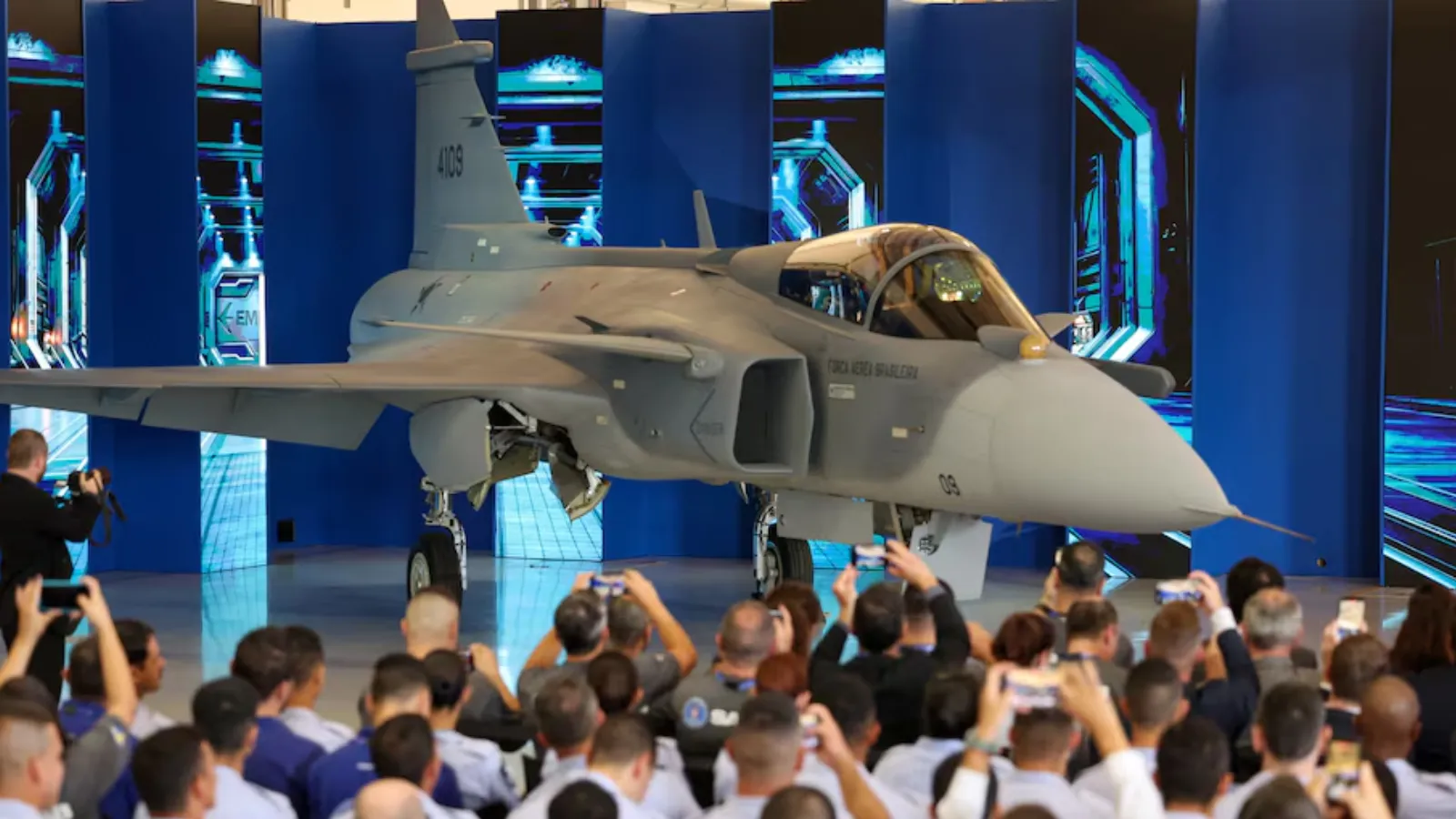
- Brazil has assembled its first domestically built supersonic fighter jet under a technology transfer program.
- The aircraft is part of the Gripen E/F program developed with Swedish manufacturer Saab.
- The initiative strengthens Brazil’s defense industrial base and reduces reliance on foreign production.
- Assembly takes place at Embraer’s facility, with full operational capability expected later this decade.
- The program positions Brazil as a regional leader in advanced combat aviation manufacturing.
Brazil Supersonic Fighter Jet Program Moves Into Domestic Assembly Phase
Brazil’s supersonic fighter jet program reached a key milestone with the first aircraft assembled domestically, marking a major step in the country’s long-term airpower modernization strategy.
The development reflects years of industrial cooperation between Brazil and Sweden and signals a shift toward greater self-reliance in advanced military aviation.
The Big Picture
Brazil has steadily expanded its defense industrial base as part of a broader effort to secure technological sovereignty in high-end military systems.
The country’s aerospace sector, led by Embraer, already holds a strong position in transport aircraft and regional jets. Moving into supersonic fighter production places Brazil among a small group of nations capable of assembling advanced combat aircraft domestically.
The program also aligns with global trends where middle powers seek to reduce dependence on external suppliers, especially in critical defense technologies.
What’s Happening
Brazil assembled its first domestically built supersonic fighter jet under the Gripen E/F program, developed in partnership with Swedish defense firm Saab.
The aircraft was assembled at Embraer’s facility in Gavião Peixoto, which serves as the central hub for Brazil’s fighter production and testing activities.
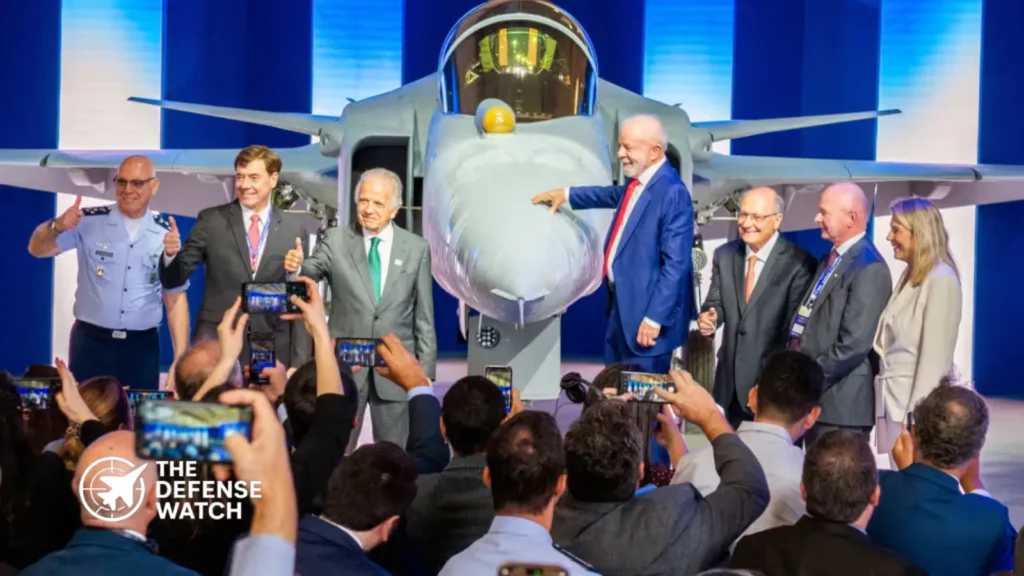
The program stems from a contract signed in 2014 for 36 Gripen fighters for the Brazilian Air Force. It includes extensive technology transfer provisions, allowing Brazilian engineers and technicians to participate in design, development, and assembly processes.
Initial aircraft were built in Sweden, but production is gradually shifting to Brazil as local capabilities mature.
Why It Matters
Domestic assembly of a supersonic fighter jet significantly enhances Brazil’s defense autonomy.
Local production reduces dependence on foreign supply chains and allows greater control over maintenance, upgrades, and lifecycle costs. It also strengthens Brazil’s ability to adapt the aircraft to specific operational requirements.
The program supports workforce development in advanced engineering fields, including avionics, systems integration, and aerostructures. These capabilities often spill over into civilian aerospace and other high-technology sectors.
For the Brazilian Air Force, the Gripen platform offers modern capabilities such as advanced sensors, network-centric warfare integration, and multirole flexibility.
Strategic Implications
Brazil’s supersonic fighter jet effort reshapes the balance of aerospace capability in Latin America.
The country now holds a unique position as a regional hub for advanced fighter production and sustainment. This capability could support future export opportunities or regional maintenance services.
The program also enhances Brazil’s deterrence posture. A modern fighter fleet equipped with advanced sensors and weapons improves airspace control and response capability.
From a geopolitical perspective, the partnership with Sweden reflects a diversified defense procurement strategy. Brazil avoids overreliance on any single major power while gaining access to high-end Western technology.
Competitor View
Regional competitors are likely to view Brazil’s progress as a significant upgrade in capability rather than a direct threat.
Countries such as Argentina and Chile operate modern aircraft but lack comparable domestic production capacity. Brazil’s industrial edge could translate into long-term operational advantages, particularly in sustainment and upgrades.
Global powers such as China and Russia may interpret the program as part of a broader trend of technology diffusion. However, Brazil’s reliance on Western systems and partnerships limits strategic alignment with those competitors.
What To Watch Next
The next phase focuses on increasing the share of locally produced components and expanding assembly rates.
Brazil will continue testing and certifying domestically assembled aircraft to ensure full operational capability within the Brazilian Air Force.
Future milestones include:
Completion of remaining aircraft deliveries
Integration of additional weapons and systems
Potential follow-on orders or export opportunities
Observers will also watch whether Brazil expands its role from assembly to deeper design participation in future variants.
Capability Gap
Brazil’s supersonic fighter jet program addresses a long-standing gap in advanced combat aviation capability.
Before the Gripen acquisition, the Brazilian Air Force relied on aging platforms that lacked modern sensors and network integration.
The new aircraft provides improved situational awareness, beyond-visual-range engagement capability, and interoperability with allied systems.
However, limitations remain. Brazil still depends on foreign suppliers for key subsystems, including engines and certain avionics components. Full independence in fighter production remains a long-term objective rather than an immediate reality.
The Bottom Line
Brazil’s domestically assembled supersonic fighter jet marks a decisive step toward aerospace independence and strengthens its position as a leading defense industrial power in Latin America.