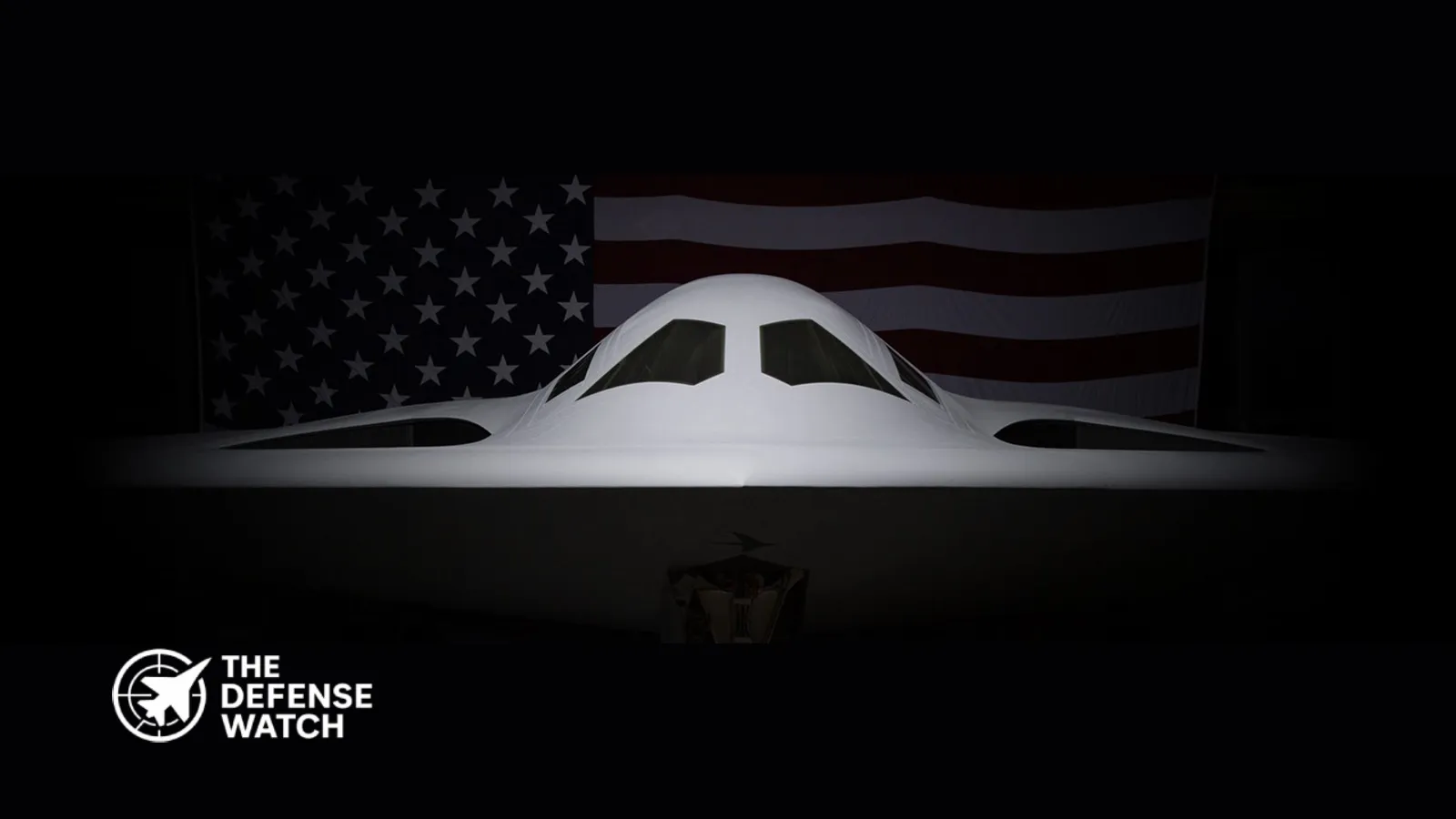
- Pentagon is evaluating a second production line for the B-21 Raider stealth bomber.
- The move aims to increase production rates and accelerate delivery timelines.
- Expansion reflects growing demand for long-range strike capabilities amid global competition.
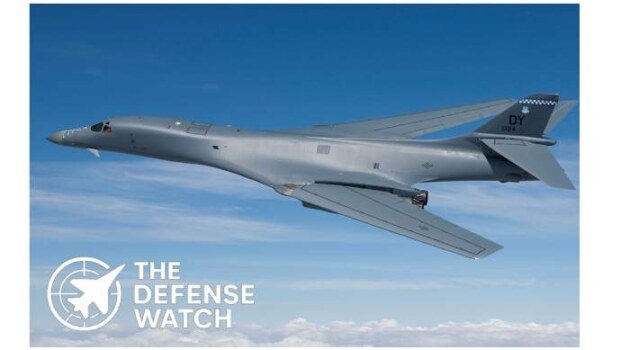
- The B-21 program is central to replacing aging B-1 and B-2 bomber fleets.
- Decision could reshape U.S. strategic deterrence posture over the next decade.
Pentagon Considers Expanding B-21 Raider Production Capacity
The B-21 Raider production line is under review as the Pentagon considers adding a second manufacturing line to accelerate delivery of its next-generation stealth bomber fleet.
The move reflects growing urgency within the U.S. Air Force to expand long-range strike capacity as global security dynamics shift and peer competition intensifies.
The Big Picture
The U.S. military is prioritizing long-range strike capabilities as a cornerstone of its modernization strategy. Stealth bombers remain one of the few platforms capable of penetrating advanced air defense systems operated by near-peer adversaries.
The B-21 Raider program sits at the center of this effort. Designed to replace portions of the aging B-1B Lancer and B-2 Spirit fleets, the aircraft is expected to provide both conventional and nuclear strike options under the U.S. nuclear triad.
Senior defense officials have increasingly emphasized the need for survivable, penetrating platforms that can operate in contested environments, particularly in the Indo-Pacific and European theaters.
What’s Happening
The Pentagon is actively assessing whether to establish a second B-21 Raider production line to increase output beyond current manufacturing capacity.
The aircraft is being developed and produced by Northrop Grumman, with initial production centered at its primary facilities in California. The evaluation comes as the U.S. Air Force signals interest in expanding the planned fleet size beyond earlier projections.
Officials are weighing industrial base capacity, cost implications, and supply chain resilience as part of the decision-making process.
The U.S. Air Force has previously indicated a minimum requirement of 100 B-21 aircraft, though recent discussions suggest that number could increase in response to evolving operational needs.
Why It Matters
The decision to expand B-21 Raider production capacity would directly affect the pace at which the U.S. can modernize its bomber fleet.
Faster production timelines would allow the Air Force to retire legacy aircraft sooner, reducing sustainment costs tied to aging platforms. At the same time, it would accelerate the deployment of stealth capabilities designed to survive in high-threat environments.
The B-21 is also designed with open architecture systems, allowing for rapid upgrades and integration of new technologies. Scaling production earlier in the program lifecycle could help standardize configurations and reduce long-term lifecycle costs.
Strategic Implications
Increasing B-21 production capacity would strengthen U.S. deterrence by improving the availability of long-range strike assets.
A larger stealth bomber fleet enhances operational flexibility. Commanders gain more options for global strike missions, persistent presence, and rapid response scenarios.
The move would also signal a long-term commitment to maintaining technological superiority in stealth and penetrating strike capabilities.
From an industrial perspective, a second production line could improve resilience against supply chain disruptions. It would also distribute workload across multiple facilities, potentially reducing bottlenecks.
Competitor View
China continues to invest heavily in integrated air defense systems and long-range strike capabilities, including its own stealth bomber development efforts. A larger U.S. B-21 fleet would complicate Chinese defense planning by increasing the number of survivable penetrating platforms.
Russia maintains a layered air defense network and is pursuing modernization of its bomber fleet. Increased U.S. stealth bomber production reinforces NATO’s long-range strike capabilities and strengthens deterrence in the European theater.
Both competitors are likely to interpret expanded B-21 production as a signal of sustained U.S. investment in strategic strike dominance.
What To Watch Next
Key milestones will include decisions on funding allocations within upcoming U.S. defense budgets and formal approval of any additional production infrastructure.
Observers will also track production rates as the B-21 transitions from low-rate initial production to full-rate manufacturing.
Testing and operational evaluation phases will remain critical. These will determine how quickly the aircraft can achieve initial operational capability and integrate into active units.
Capability Gap
The B-21 Raider production line expansion aims to address a clear capability gap in long-range, survivable strike capacity.
The current bomber fleet includes aging platforms that face increasing maintenance challenges and limited survivability against advanced air defenses.
However, scaling production introduces risks. Industrial capacity constraints, workforce availability, and supply chain dependencies could affect timelines and costs.
Balancing speed with program stability will remain a key challenge for the Pentagon.
The Bottom Line
Expanding B-21 Raider production would accelerate U.S. bomber modernization and strengthen long-range deterrence against advanced adversaries.