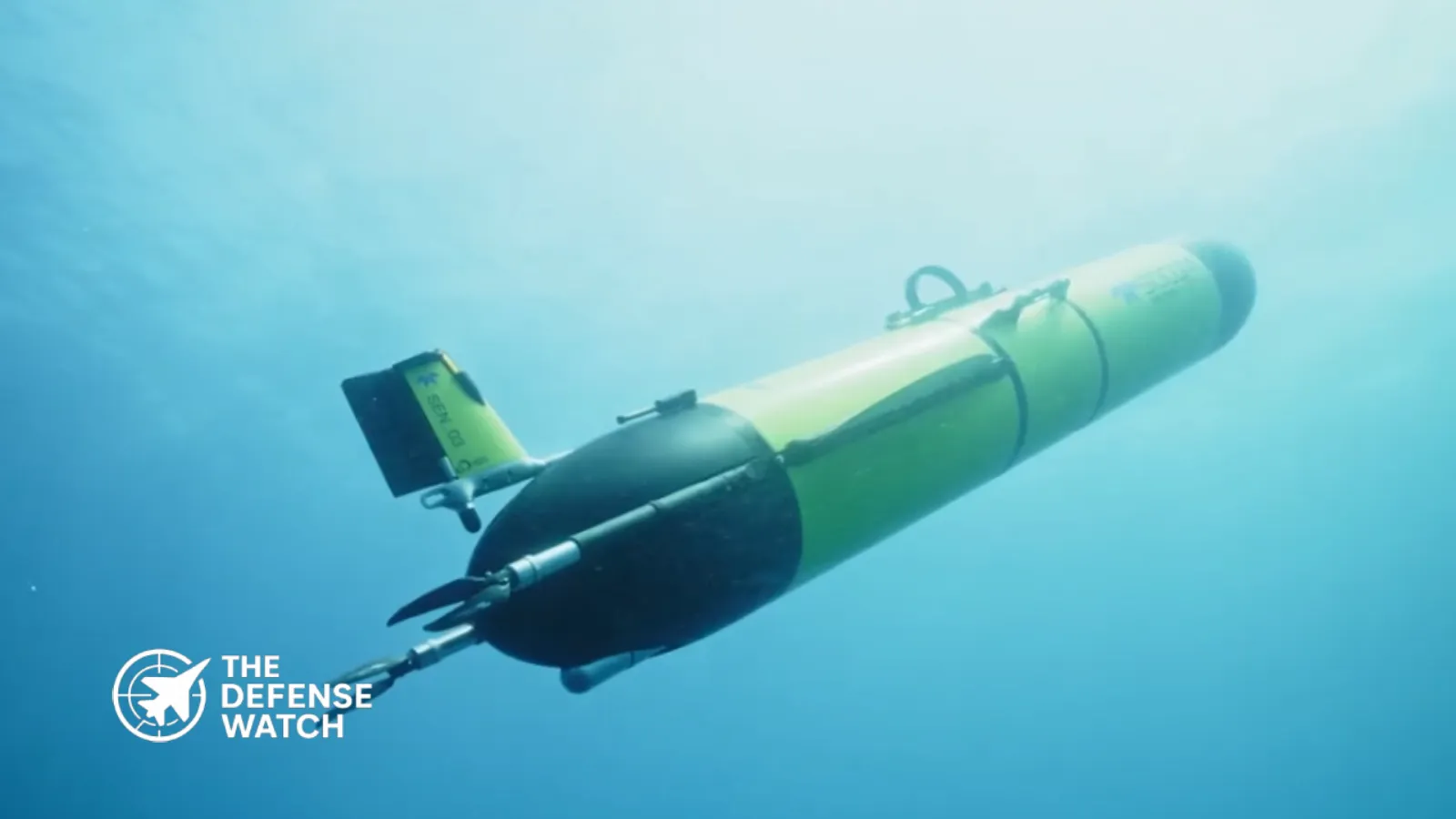
Royal Navy Plans Deal for More Teledyne Underwater Gliders
The Royal Navy is preparing to award a contract for additional Teledyne underwater gliders to expand its autonomous undersea sensing capabilities. The planned procurement would see up to 15 gliders and supporting systems purchased as part of a multi-million pound effort to strengthen long-endurance ocean data collection and operational awareness beneath the surface.
Expanded Glider Fleet Under Consideration
According to a UK Ministry of Defence contract notice, the Royal Navy intends to award a two-year contract worth up to £10 million to Teledyne Instruments for the supply of underwater gliders and supporting systems. The effort, titled FMDG Persistent Oceanographic Data Collect, would cover the planned purchase of up to 15 gliders.
The contract is being managed through the Ministry of Defence in Portsmouth, and builds on the service’s existing fleet of nine Teledyne Slocum gliders currently in use. Teledyne is identified as the original equipment manufacturer and as the sole provider with the proprietary design and integration protocols needed to ensure compatibility with U.K. undersea command, control, and secure data systems.
Underwater gliders like the Slocum are a class of long-endurance autonomous underwater vehicles (UUVs) that adjust buoyancy and internal weight to glide through the sea for extended periods, gathering oceanographic and environmental data without requiring frequent support vessels.
Role and Capabilities of Underwater Gliders
Underwater gliders operate by varying their buoyancy to move up and down while translating that motion into forward progress. They typically travel slowly but can remain at sea for months at a time, collecting high-resolution data on temperature, salinity, currents, and other ocean conditions.
While originally developed for scientific and environmental research, gliders have found increasing use in military settings for persistent monitoring of the undersea domain, informing tactical decisions, and supporting wider maritime domain awareness efforts. For example, Washington has tested air-deployable Slocum gliders to broaden U.S. Navy deployment options.
The Royal Navy’s interest in expanding its glider fleet reflects a broader trend in allied navies to leverage autonomous systems to extend undersea sensing reach and reduce reliance on crewed platforms. Japan’s Maritime Self-Defense Force has recently evaluated a range of underwater gliders from French and U.S. suppliers, underscoring international interest in the technology.
Procurement Context and Industry Support
The planned Teledyne glider purchase follows earlier Royal Navy procurements for unmanned systems including oceanographic UUVs and autonomous underwater vehicles from both U.S. and other suppliers. The U.K. Ministry of Defence has awarded contracts for UUV capabilities in recent years, including purchases of HII-built REMUS vehicles for undersea missions.
Teledyne Marine also continues to grow its United Kingdom presence. The company has expanded direct service and support facilities to better maintain and support its UUV portfolio, including Slocum gliders and Gavia AUVs, with dedicated service staff and regional repair facilities.
In addition, Teledyne and U.K. maritime engineering firm BMT signed a memorandum of understanding in late 2025 to strengthen collaboration on future maritime autonomy efforts, including lifecycle support and system assurance.
Strategic Implications
Persistent undersea sensing is increasingly important for naval operations. Autonomous platforms like gliders extend situational awareness across vast ocean areas with minimal human workload. Their data can support scientific research, environmental monitoring, and defense missions such as antisubmarine warfare and undersea infrastructure security.
The Royal Navy’s move to bolster its glider fleet positions the service to maintain and expand these capabilities as part of its broader maritime autonomy strategy.