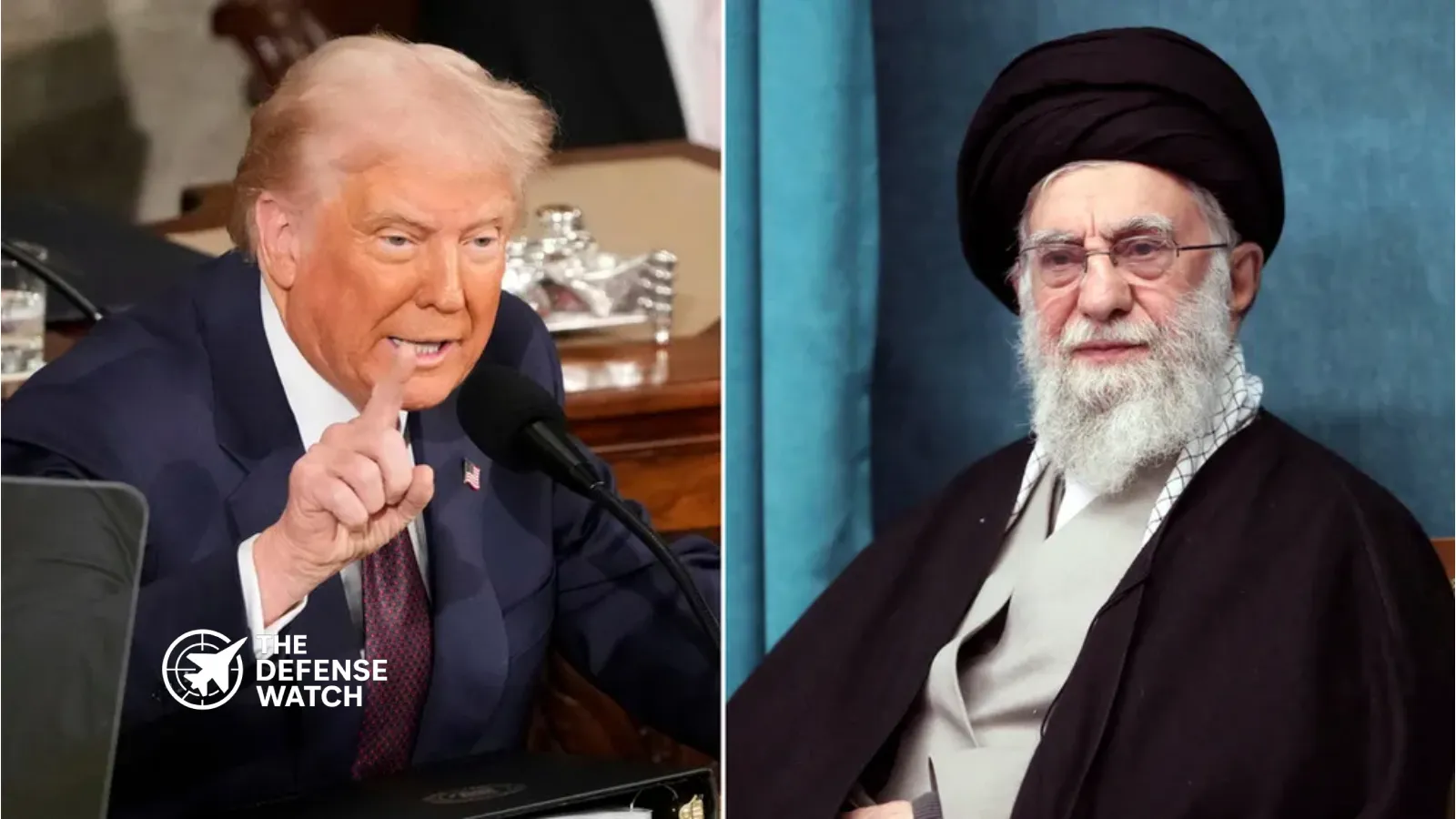
Latest US Iran Talks to Center on Nuclear Issue
US Iran talks nuclear focus returns to diplomacy with a planned meeting in Muscat, Oman where negotiators will concentrate on the Iranian nuclear programme, senior officials said. The United States and Iran agreed to meet Friday after earlier uncertainty over venue and scope of discussions.
The talks come amid rising tensions in the Middle East and sustained disagreements on issues such as Iran’s ballistic missiles and regional activities. Despite those broader concerns, both sides currently plan a nuclear-centric agenda.
Nuclear Issue Remains Top Priority
Iran insisted that the negotiations address only its nuclear programme, rejecting US efforts to expand the agenda to cover its ballistic missile arsenal or regional support to proxy groups. Iran’s demand to hold talks in Oman reflects that preference for a narrow focus.
The United States, backed by senior officials including Secretary of State Marco Rubio, pushed for a broader discussion that would include Iran’s long-range missiles, support for militant proxies in the region, and human rights concerns. Tehran has described such matters as outside the scope of the nuclear dialogue.
Diplomatic Hurdles and Venue Change
The talks were briefly at risk after Iran sought a shift from Istanbul to Oman and wanted the meeting strictly bilateral. That request initially led to uncertainty over whether the negotiations would proceed. Arab and regional pressure on Washington helped revive the talks.
Regional and Geopolitical Context
The scheduled talks take place against a backdrop of heightened tensions in the Gulf and wider Middle East. The United States has increased its military presence in the region, and Iranian leaders have issued warnings against potential attacks.
Turkey, which had been considered as a venue and mediator, has said it is working to prevent escalation between Tehran and Washington. German and Chinese officials have also weighed in, underscoring the broader international concern over escalation and regional stability.
What the Talks Could Cover
While US Iran talks nuclear focus is on Tehran’s enrichment programme and compliance with international commitments, key disputes remain unresolved:
- Uranium Enrichment Iran has significantly expanded enrichment activity, including levels close to weapons-usable concentrations. The International Atomic Energy Agency continues to monitor these developments.
- Missile Programmes Washington says Iran’s ballistic missile capabilities pose a proliferation and security risk. Tehran treats those capabilities as sovereign defence matters and outside the current negotiation scope.
- Sanctions Relief Tehran has repeatedly sought clear commitments on how sanctions would be lifted, while US officials have tied relief to verifiable nuclear constraints.
Wider Strategic Stakes
The outcome of these talks could shape broader US foreign policy in the Middle East. A diplomatic breakthrough might ease tensions, but deep disagreements suggest talks are likely to be protracted. Failure to find common ground risks further escalation, including renewed calls for military options from some US officials.