India Demonstrates SFDR Technology in Flight Test
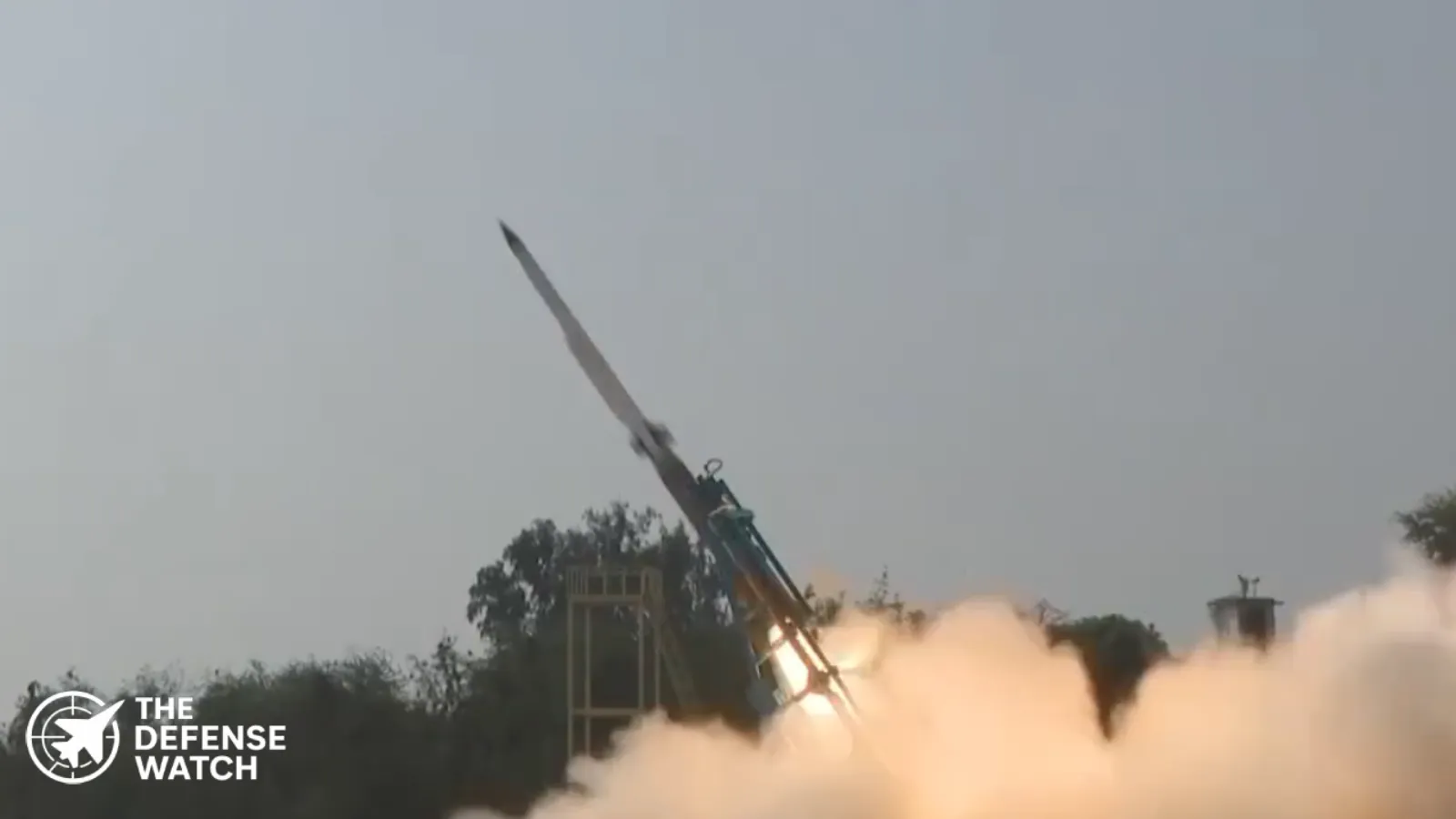
India’s Defence Research and Development Organisation (DRDO) has successfully flight tested Solid Fuel Ducted Ramjet (SFDR) technology, a propulsion system key to long range air to air missiles, from the Integrated Test Range (ITR) at Chandipur off the coast of Odisha. SFDR technology was flown and validated on February 3, 2026, marking a major step in developing advanced missile systems.
Short paragraphs make this easy to scan on mobile. DRDO confirmed that all major subsystems including the nozzle-less booster, solid fuel ducted ramjet motor and fuel flow controller performed as expected after the craft was boosted to the required Mach number by a ground launcher. Flight performance was confirmed using radar, telemetry and electro-optical tracking instruments.
What SFDR Means for Missile Development
SFDR is an air-breathing propulsion system that ingests atmospheric air to sustain combustion of solid fuel, allowing missiles to maintain thrust longer than traditional rocket motors. That sustained thrust improves terminal energy and range for beyond visual range (BVR) engagements compared with conventional solid rocket missiles.
The system’s air-breathing design also removes the need for carrying oxidizer onboard, which can reduce weight and simplify storability. According to technical literature, these characteristics can improve average speed and allow a missile to carry larger warheads or sensors without extra mass penalties.
Strategic Context
SFDR technology has been under DRDO development for several years with earlier flight trials in 2018, 2019 and 2021 showing incremental progress. Successful validation in 2026 places India among a small group of countries capable of mastering this propulsion approach for long range air-to-air missiles.
Officials have indicated that SFDR will be central to next generation Indian air-to-air systems, including the proposed Astra Mk-3 class of very long range missile. The ability to sustain high speed through ramjet propulsion supports extended engagement envelopes against modern threats.
Test Details and Technical Performance
The flight test took place at around 10:45 am on February 3, 2026. A ground-based booster accelerated the system to supersonic speed before the ramjet section engaged and sustained combustion. Subsystems such as the nozzle-less booster and fuel flow controller performed nominally, according to defence ministry statements.
Data from multiple range sensors tracking the flight path confirmed performance metrics, validating both propulsion and control aspects of the SFDR system. Senior scientists from DRDO facilities including Defence Research & Development Laboratory, High Energy Materials Research Laboratory and Research Centre Imarat were present to monitor the test.
What Comes Next
With this flight test complete, DRDO is likely to focus on integrating SFDR into operational missile systems and progressing towards airborne launch trials. Long range air-to-air capability is a priority for many air forces, and sustained thrust engines can offer tactical advantages in contested airspace.
SFDR technology could also support other advanced missile programs beyond air-to-air roles, including potential surface-to-air applications, as experts note its flexibility when compared with pure rocket systems.