Executive Summary:
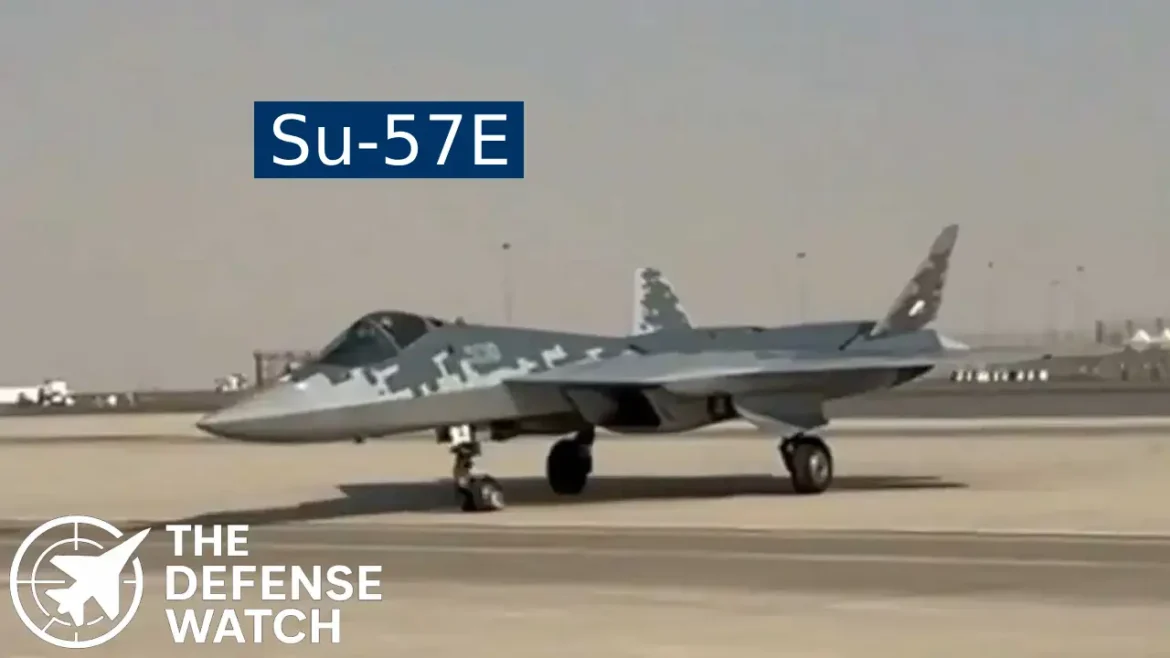
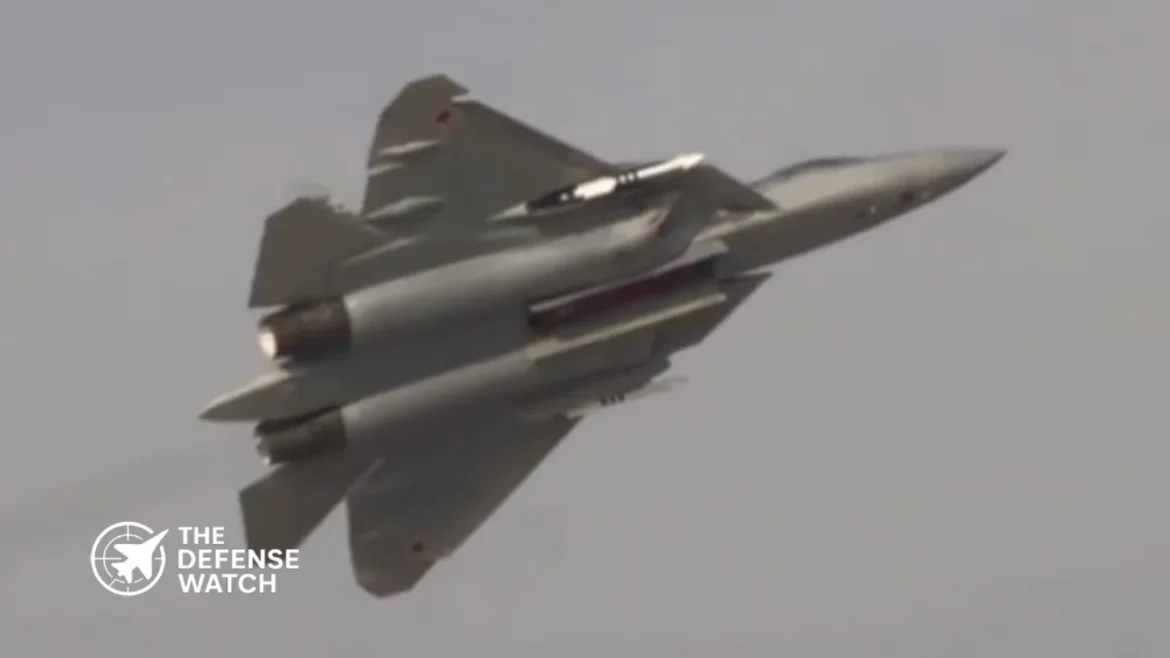
India has confirmed it is not pursuing the procurement of Russia’s Su-57E fifth-generation fighter in the near term. Instead, New Delhi is prioritizing upgrades for its Su-30MKI fleet, additional Rafale fighters, and development of the indigenous Advanced Medium Combat Aircraft (AMCA), reflecting a long-term strategy focused on capability enhancement and domestic defense production.
India Prioritizes Su-30MKI Modernization Over Su-57E Fighter Purchase
India’s decision to postpone any potential acquisition of Russia’s Su-57E fighter jet signals a significant shift in its fighter modernization roadmap. Rather than introducing another foreign combat aircraft into its inventory, New Delhi is concentrating on upgrading its existing fleet while accelerating indigenous aerospace development.
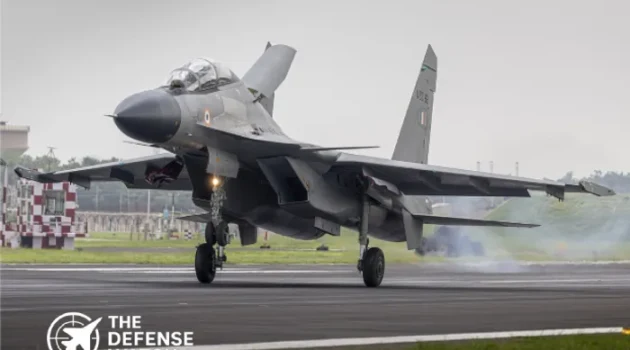
The announcement came from India’s Defense Ministry Secretary Rajesh Kumar Singh, who confirmed that the government is not considering the purchase of a new Sukhoi model at this stage. Instead, the Ministry’s immediate focus is on modernizing approximately 260 Su-30MKI multirole fighters currently serving with the Indian Air Force (IAF).
The move aligns with India’s broader modernization strategy, which emphasizes extending the operational life of proven platforms while investing in domestic defense manufacturing.
India Focuses On Upgrading Its Largest Fighter Fleet
The Su-30MKI remains the backbone of the Indian Air Force, accounting for a substantial portion of its frontline combat capability. Originally developed jointly by Russia and India, the aircraft has undergone continuous upgrades since entering service.
The planned modernization program is expected to introduce improvements across multiple areas, including:
- Advanced mission computers
- Modern active electronically scanned array (AESA) radar technology
- Enhanced electronic warfare systems
- Improved long-range weapons integration
- Updated cockpit avionics
- Expanded network-centric warfare capabilities
By upgrading the existing fleet instead of purchasing an entirely new fighter platform, India can improve operational capability while reducing logistical complexity and controlling long-term sustainment costs.
Defense planners have increasingly emphasized maximizing the effectiveness of aircraft already in service, particularly as regional security dynamics continue to evolve.
Su-57E Purchase Not Under Consideration
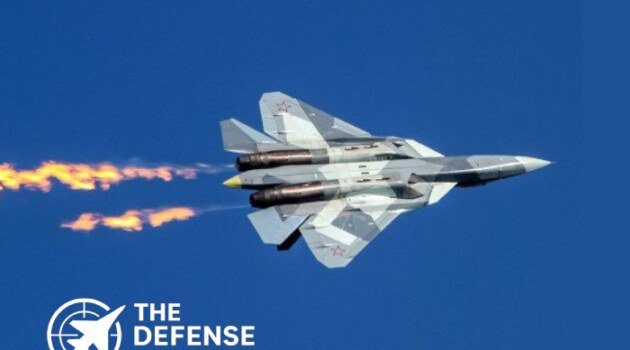
Russia has actively promoted the export version of its fifth-generation Su-57E fighter to international customers, with India frequently mentioned as a potential buyer because of its longstanding defense relationship with Moscow.
However, Rajesh Kumar Singh stated that India is not evaluating a new Sukhoi aircraft at present.
The statement effectively removes the Su-57E from India’s near-term procurement agenda, although it does not necessarily rule out future discussions should operational requirements change.
The announcement also reflects India’s preference to balance foreign acquisitions with indigenous defense development rather than expanding dependence on another imported combat aircraft.
Rafale Fleet Expansion Remains A Priority
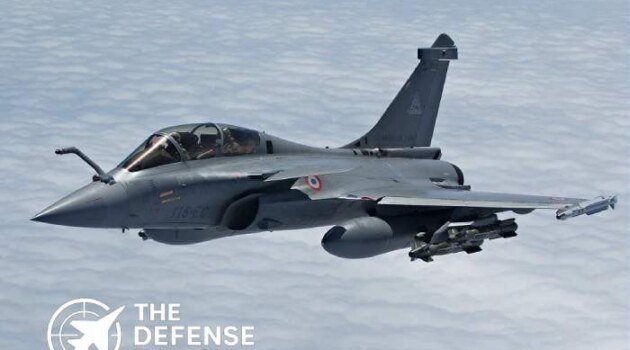
While ruling out the Su-57E for now, India continues to strengthen its fighter inventory through additional procurement of the French-built Rafale.
The Indian Air Force already operates Rafale fighters, and New Delhi has approved further acquisitions to expand advanced combat capabilities while addressing squadron strength requirements.
The Rafale offers modern sensors, advanced electronic warfare capabilities, precision strike weapons, and interoperability with India’s existing Western-origin systems.
Combined with upgraded Su-30MKIs, additional Rafales provide the IAF with a capable mix of heavy and multirole fighters during the transition toward future indigenous platforms.
AMCA Represents India’s Long-Term Vision
India’s long-term fighter modernization strategy increasingly centers on the Advanced Medium Combat Aircraft (AMCA) program.
The AMCA is India’s indigenous fifth-generation fighter project, designed to incorporate low observable characteristics, advanced sensors, internal weapons carriage, and modern network-centric capabilities.
Unlike purchasing another foreign fifth-generation aircraft, investing in AMCA supports India’s broader objectives under its domestic defense manufacturing initiatives by strengthening the national aerospace industry and reducing future dependence on overseas suppliers.
Although the AMCA remains under development, it represents the centerpiece of India’s next-generation combat aviation plans.
Analysis: Modernization Over Fleet Expansion
India’s latest position highlights an increasingly pragmatic procurement strategy.
Rather than introducing another complex fighter type into service, the government appears focused on maximizing existing investments while preparing for domestically produced next-generation aircraft.
Upgrading approximately 260 Su-30MKIs provides a substantial capability increase across the Air Force without requiring the infrastructure, training, maintenance, and supply chain associated with operating an entirely new fleet.
At the same time, additional Rafales help address immediate operational needs while the AMCA progresses through development.
This balanced approach allows India to maintain combat readiness in the near term while supporting longer-term industrial and technological goals.
From a force planning perspective, the decision also simplifies logistics by concentrating resources on aircraft already integrated into the Indian Air Force rather than introducing another high-end platform.
As regional air forces continue to modernize, India’s strategy suggests that enhancing existing capabilities and accelerating indigenous aerospace development remain higher priorities than pursuing a near-term purchase of the Russian Su-57E.

Indian Air Force Expands Dispersed Air Operations
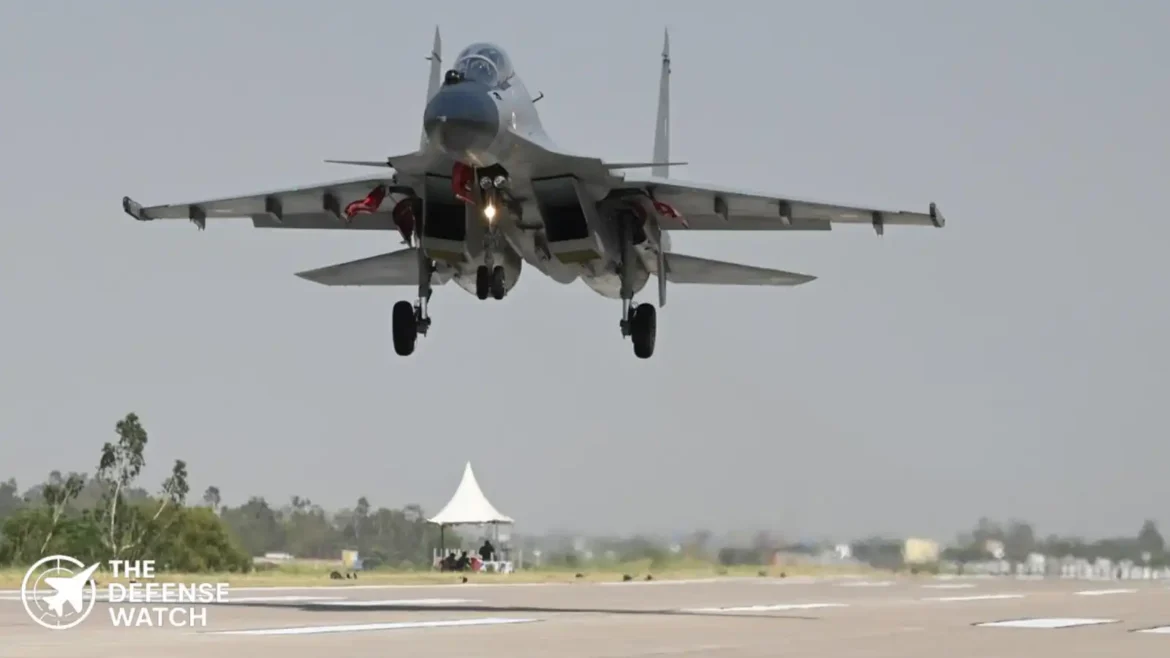
The Indian Air Force Emergency Landing Facility on the Purvanchal Expressway marks another step in India’s push to strengthen operational resilience and wartime flexibility. The newly activated strip allows military aircraft to land, refuel, redeploy, or stage missions from road infrastructure instead of relying solely on fixed airbases.
According to official statements, the drill demonstrated the IAF’s ability to operate beyond conventional airfields while reinforcing rapid disaster response capability. Senior attendees included Uttar Pradesh Minister Om Prakash Rajbhar, Air Marshal B Manikantan, Air Officer Commanding-in-Chief of Central Air Command, and UPEIDA CEO Deepak Kumar.
¦ KEY FACTS AT A GLANCE- Indian Air Force operationalised an Emergency Landing Facility on the Purvanchal Expressway in Uttar Pradesh.
- The facility enables military aircraft to use highway infrastructure when conventional airbases are unavailable or under pressure.
- The exercise highlighted rapid deployment capability, civil-military coordination, and disaster response readiness.
- Senior officials attending included Air Marshal B Manikantan and Uttar Pradesh minister Om Prakash Rajbhar.
- Highway landing strips are increasingly viewed as survivability assets in modern air warfare.
The event also showcased coordination between civilian state authorities and the military, an increasingly important factor in crisis response and national mobilization.
Why Highway Runways Matter In Modern Warfare
The Indian Air Force Emergency Landing Facility concept reflects a wider military trend. Fixed airbases are high-value targets in any conflict, especially under missile and drone attack. Dispersed operations using highways, auxiliary strips, and temporary bases can complicate enemy targeting and preserve sortie generation.
Several air forces, including those in Europe and Asia, regularly practice road-base operations for this reason. For India, the need is amplified by a two-front strategic environment involving both western and northern borders.
The Purvanchal Expressway site gives the IAF another option in northern India, where rapid aircraft movement can be critical during contingencies.
Purvanchal Expressway Adds Strategic Utility
The Purvanchal Expressway in Uttar Pradesh is already one of India’s major transport corridors. Converting sections into military-use landing strips adds dual-use strategic value to civilian infrastructure.
That model offers three advantages:
- Lower cost than building new dedicated airbases
- Faster expansion of emergency operating locations
- Improved military logistics during natural disasters or conflict
India has previously used expressways for fighter aircraft demonstrations and landing trials, but each new operationalised facility increases practical readiness rather than symbolic capability.
Beyond Combat, A Disaster Response Asset
The Indian Air Force Emergency Landing Facility is not only a wartime asset. It can support humanitarian relief after floods, earthquakes, or infrastructure failures by allowing transport aircraft and helicopters to stage closer to affected areas.
For a country with large geography and weather-related emergencies, this gives planners added flexibility. Military mobility often plays a decisive role in domestic disaster relief, especially when conventional airports are congested or damaged.
Regional Signaling And Readiness
The timing also matters. Across Asia, air forces are investing in survivability, mobility, and distributed basing. Precision strike weapons have changed the value of traditional large airbases. India’s investment in highway runway networks suggests planners are adapting to that reality.
While no specific threat was cited, the message is clear: the IAF wants the ability to continue operations even if standard infrastructure is disrupted.
That is a practical deterrence signal as much as a logistics upgrade.
Outlook
The Indian Air Force Emergency Landing Facility on the Purvanchal Expressway is a relatively low-cost capability with outsized strategic value. It enhances combat endurance, improves emergency response, and strengthens India’s dispersed air operations model.
As regional militaries modernize, infrastructure that can serve both civilian and military purposes is likely to become more common. India appears determined to stay ahead of that curve.
India Expands Air Defense Capacity With Zen Technologies License
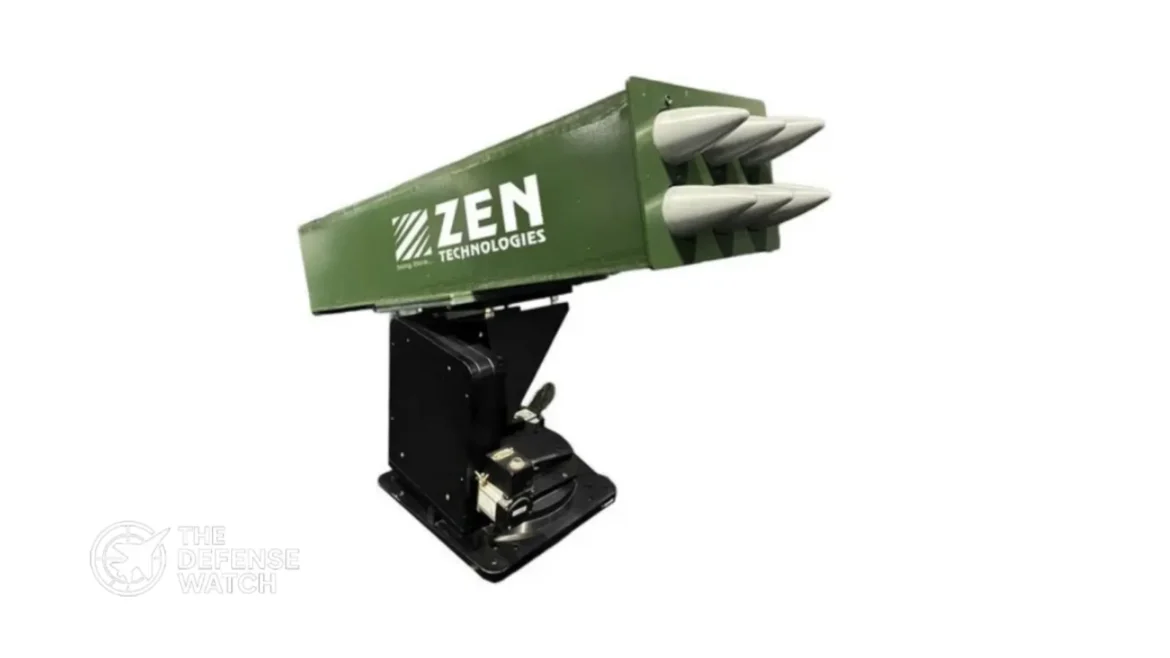
Zen Technologies air defense cannons moved into focus after the Indian government granted the company a manufacturing license covering several rapid-fire weapon calibers used in layered air defense systems. The approval authorizes production of 12.7mm, 23mm, 30mm, and 40mm cannons under India’s Arms Act, 1959.
¦ KEY FACTS AT A GLANCE- India granted Zen Technologies an arms manufacturing license under the Arms Act, 1959.
- Approval covers 12.7mm, 23mm, 30mm, and 40mm cannons.
- Systems are intended for air defense, naval operations, and counter-UAS missions.
- Cannons are positioned as last-layer defenses against drones and low-flying threats.
- Move supports India’s indigenous defense manufacturing strategy.
The company said the systems are designed for air defense, naval operations, and counter-unmanned aircraft system (C-UAS) roles. In practical terms, these cannons are often used as the final protective layer against drones, loitering munitions, helicopters, and other low-altitude threats that evade longer-range missile systems.
For India, the decision reflects a broader shift in military planning. Recent conflicts worldwide have shown that inexpensive drones can threaten expensive military assets, logistics hubs, and critical infrastructure. Rapid-fire cannon systems paired with radar and electro-optical sensors remain one of the most cost-effective answers to mass drone attacks.
Why Zen Technologies Air Defense Cannons Matter
Zen Technologies has been known primarily for training simulators, anti-drone solutions, and military technology systems. This new license expands the company deeper into hard-kill weapon manufacturing, potentially opening a new revenue stream while aligning with India’s self-reliance defense strategy.
That matters because India has increasingly prioritized domestic production over imports. Building cannon systems locally can reduce procurement delays, improve sustainment support, and create export opportunities if products meet international demand.
The approved calibers also matter strategically:
- 12.7mm systems can support anti-drone and vehicle defense roles
- 23mm and 30mm cannons are common short-range air defense calibers
- 40mm systems can offer heavier firepower for point defense and naval use
Counter-Drone Warfare Driving Demand
The rise of one-way attack drones and loitering munitions has changed procurement priorities globally. Missile interceptors are effective, but they can be expensive when used against low-cost drones. Cannons using programmable ammunition or radar cueing can offer a cheaper shot-per-kill option.
That likely explains why Zen Technologies air defense cannons were framed as systems for modern asymmetric threats. If integrated with sensors and automated fire-control networks, such weapons could help defend bases, fuel depots, border sites, and mobile formations.
Market And Strategic Outlook
While no contract awards were announced alongside the license, regulatory approval is often the first step before prototype development, military trials, and procurement competitions.
India’s defense sector has seen growing investment in air defense and anti-drone systems after regional tensions and lessons from Ukraine and the Middle East. This suggests demand for locally built short-range protection systems may continue rising over the next several years.
For U.S. and allied observers, the move is another sign that regional powers are investing heavily in layered defenses where guns, electronic warfare, and missiles operate together.
■ KEY FACTS AT A GLANCE- ► BDL completes First-off Production Model of Advanced Akash Weapon System.
- ► Upgraded subsystems improve tracking, engagement, and reliability.
- ► System designed to counter aircraft, drones, and cruise missile threats.
- ► Marks transition from development to scaled production phase.
- ► Enhances India’s layered air defense architecture and operational readiness.
Advanced Akash Weapon System FOPM Signals Production Breakthrough
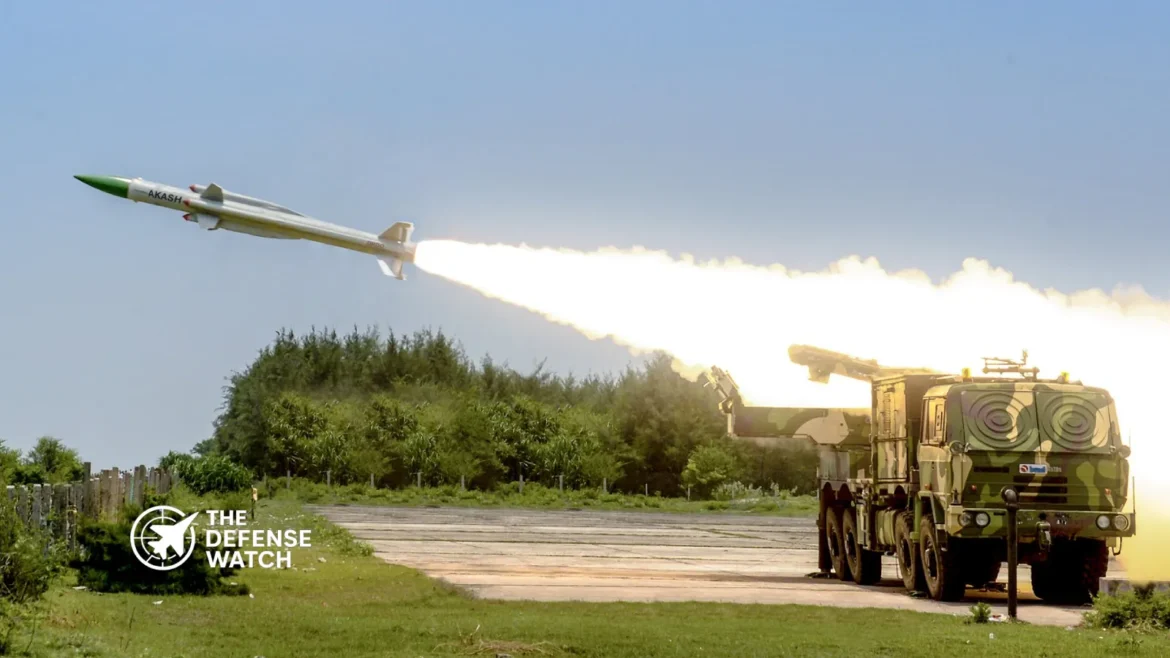
The Advanced Akash Weapon System FOPM has been successfully completed by Bharat Dynamics Limited (BDL), marking a key milestone in India’s air defense modernization effort. The First-off Production Model confirms that the upgraded system has transitioned from development into production-ready configuration.
BDL announced that the system incorporates improved subsystems designed to enhance overall performance, reliability, and combat effectiveness for the Indian Armed Forces.
This milestone follows ongoing efforts by India’s defense industry to strengthen indigenous missile capabilities under long-term modernization programs.
Upgraded Subsystems Enhance Combat Capability
The Advanced Akash system builds on the legacy Akash surface-to-air missile platform, widely deployed by both the Indian Army and Air Force. The upgraded version integrates refined electronics, improved guidance systems, and enhanced radar coordination.
These upgrades are expected to improve:
- Target tracking accuracy in complex environments
- Engagement capability against faster and lower-flying threats
- System reliability and maintainability in field conditions
The Akash system is designed to intercept a range of aerial threats, including fighter aircraft, unmanned aerial vehicles, and certain types of cruise missiles.
From an operational perspective, the improvements suggest a focus on countering evolving aerial threats, particularly those involving low-observable or high-speed targets.
Strategic Role in India’s Air Defense Network
The Advanced Akash Weapon System FOPM plays a key role in India’s layered air defense architecture. The system is positioned as a medium-range surface-to-air missile platform, bridging the gap between short-range air defense systems and longer-range assets such as the S-400.
Its mobility and networked radar integration allow it to be deployed for both point defense and area defense missions.
India’s approach reflects a broader trend seen globally, where countries are investing in multi-layered air defense systems to counter increasingly diverse aerial threats, including drones and precision-guided munitions.
Industrial and Production Implications
Completion of the First-off Production Model typically indicates that the system has passed validation checks required for series production. For BDL, this milestone confirms readiness to move toward larger-scale manufacturing.
As the primary production agency for several Indian missile systems, BDL’s role is central to sustaining supply chains and meeting operational requirements.
The transition to production also suggests that additional orders or follow-on contracts may be aligned with India’s long-term force structure planning, though no new procurement figures were disclosed in the announcement.
Broader Modernization Context
The Advanced Akash Weapon System FOPM milestone comes amid a wider push by India to upgrade its air defense capabilities across multiple layers.
This includes:
- Expansion of indigenous missile programs
- Integration of advanced radar and sensor networks
- Increased focus on counter-drone technologies
The emphasis on domestic production reflects policy priorities aimed at reducing reliance on foreign defense imports while strengthening local industry.
From a regional perspective, improvements to India’s air defense systems may influence threat calculations and defense planning across South Asia, particularly in scenarios involving contested airspace or rapid-response operations.
India Demonstrates SFDR Technology in Flight Test
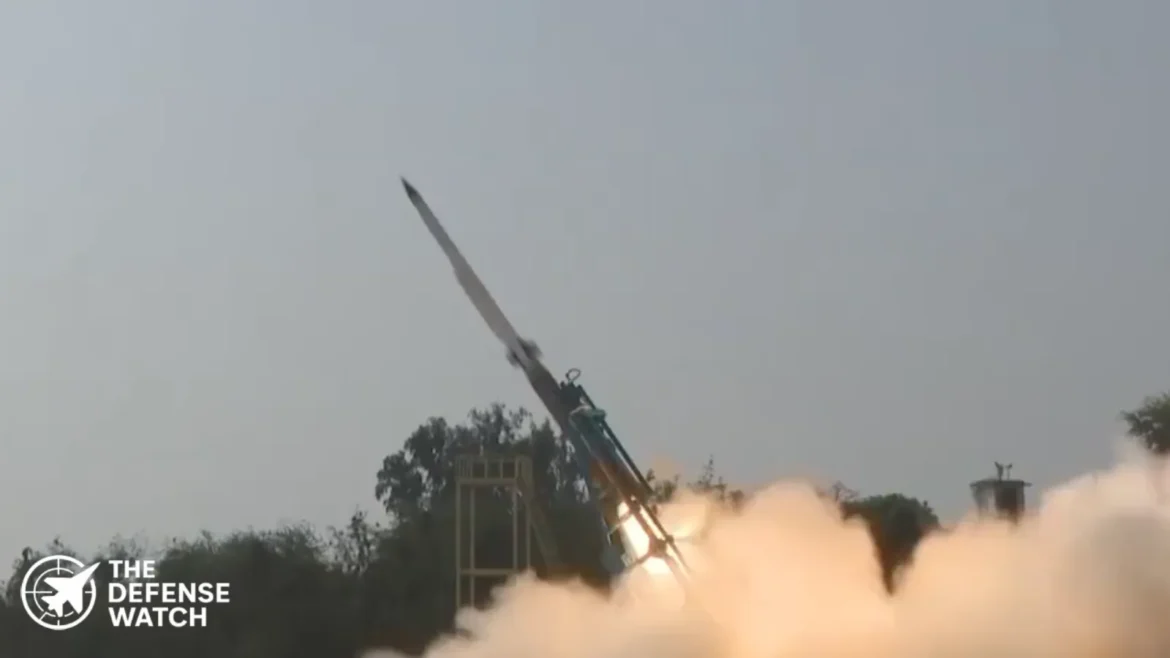
India’s Defence Research and Development Organisation (DRDO) has successfully flight tested Solid Fuel Ducted Ramjet (SFDR) technology, a propulsion system key to long range air to air missiles, from the Integrated Test Range (ITR) at Chandipur off the coast of Odisha. SFDR technology was flown and validated on February 3, 2026, marking a major step in developing advanced missile systems.
Short paragraphs make this easy to scan on mobile. DRDO confirmed that all major subsystems including the nozzle-less booster, solid fuel ducted ramjet motor and fuel flow controller performed as expected after the craft was boosted to the required Mach number by a ground launcher. Flight performance was confirmed using radar, telemetry and electro-optical tracking instruments.
What SFDR Means for Missile Development
SFDR is an air-breathing propulsion system that ingests atmospheric air to sustain combustion of solid fuel, allowing missiles to maintain thrust longer than traditional rocket motors. That sustained thrust improves terminal energy and range for beyond visual range (BVR) engagements compared with conventional solid rocket missiles.
The system’s air-breathing design also removes the need for carrying oxidizer onboard, which can reduce weight and simplify storability. According to technical literature, these characteristics can improve average speed and allow a missile to carry larger warheads or sensors without extra mass penalties.
Strategic Context
SFDR technology has been under DRDO development for several years with earlier flight trials in 2018, 2019 and 2021 showing incremental progress. Successful validation in 2026 places India among a small group of countries capable of mastering this propulsion approach for long range air-to-air missiles.
Officials have indicated that SFDR will be central to next generation Indian air-to-air systems, including the proposed Astra Mk-3 class of very long range missile. The ability to sustain high speed through ramjet propulsion supports extended engagement envelopes against modern threats.
Test Details and Technical Performance
The flight test took place at around 10:45 am on February 3, 2026. A ground-based booster accelerated the system to supersonic speed before the ramjet section engaged and sustained combustion. Subsystems such as the nozzle-less booster and fuel flow controller performed nominally, according to defence ministry statements.
Data from multiple range sensors tracking the flight path confirmed performance metrics, validating both propulsion and control aspects of the SFDR system. Senior scientists from DRDO facilities including Defence Research & Development Laboratory, High Energy Materials Research Laboratory and Research Centre Imarat were present to monitor the test.
What Comes Next
With this flight test complete, DRDO is likely to focus on integrating SFDR into operational missile systems and progressing towards airborne launch trials. Long range air-to-air capability is a priority for many air forces, and sustained thrust engines can offer tactical advantages in contested airspace.
SFDR technology could also support other advanced missile programs beyond air-to-air roles, including potential surface-to-air applications, as experts note its flexibility when compared with pure rocket systems.
India Tests K-4 Long Range Nuclear Missile From INS Arighaat Submarine
India has conducted a successful test of the K-4 long-range nuclear-capable submarine-launched ballistic missile (SLBM) from the newly commissioned nuclear-powered submarine INS Arighaat, Indian defense media report. This launch advances the Indian Navy’s sea-based nuclear deterrent and follows earlier developmental trials.
(adsbygoogle = window.adsbygoogle || []).push({});The launch occurred in the Bay of Bengal off the east coast of India near Visakhapatnam. The Defense Ministry has not issued an official public statement as of this writing, but multiple Indian news sources cite defense officials and local reports on the event.
The K-4 SLBM, developed by the Defense Research and Development Organisation, is designed to arm India’s Arihant-class ballistic missile submarines and has a reported range of about 3,500 kilometers.
Strategic Context
The K-4 launch from INS Arighaat is seen as a key step toward operationalizing India’s sea-based nuclear deterrent. India’s broader nuclear posture includes land-, air-, and sea-based delivery systems. Deployment of SLBMs from SSBNs is central to a survivable second-strike capability.
INS Arighaat, commissioned into the Indian Navy in August 2024, is the second submarine in the Arihant class capable of deploying ballistic missiles. The earlier lead vessel, INS Arihant, initially carried shorter-range SLBMs.
Technical Details
The K-4 is a two-stage solid-fuel intermediate-range ballistic missile tailored for submarine launch. It is roughly 12 meters long, weighs about 17 tons, and can carry a nuclear payload. Guidance systems combine inertial navigation with satellite navigation support for accuracy.
The missile ejection process involves launching from a submerged submarine tube, breaching the surface, and igniting its rocket motor to follow its trajectory.
(adsbygoogle = window.adsbygoogle || []).push({});Regional and Global Implications
The successful launch places India among a small group of nations fielding sea-based strategic weapons. SLBMs with ranges beyond 3,000 kilometers add survivability to a nuclear force by allowing patrols far from home ports.
Russia Puts Su-57E on Display in Dubai
At the Dubai Airshow 2025, Russia publicly displayed its Su-57E, the export variant of the Su-57 fifth-generation fighter, for the first time in the Middle East. According to Russian defense authorities, the aircraft performed both static demonstration and flight displays — including high-angle-of-attack maneuvers, yaw rolls, and post-stall flight — to showcase its supermaneuverability and advanced thrust-vectoring capability.
Rosoboronexport and Sukhoi officials emphasized the Su-57E’s role as a multirole stealth platform suited for both air-to-air combat and strike missions.
What Makes the Su-57E Distinct
The Su-57E is tailored for export customers with certain cost optimizations, while retaining core performance traits: low observability, internal weapons bays, and a highly agile airframe.
Moscow has offered unprecedented technology transfer, including full access to the aircraft’s source code, allowing buyers to integrate their own avionics, mission computers, and weapons.
In a proposal to India, Russia has offered to produce the Su-57E locally at HAL’s Nashik facility, leveraging India’s ongoing Su-30MKI production lines.
India: A Key Target for Su-57E Sales
Russia’s outreach to India is especially ambitious. The offer includes:
- 20–30 Su-57E jets delivered off-the-shelf in the short term.
- Deep localization with 40–60% of the aircraft built in India.
- Full transfer of source code, enabling integration of Indian weapons such as the Astra air-to-air missile, Rudram anti-radiation missile, and Virupaksha AESA radar.
- Engine support: Russia has proposed supplying its AL-41F1S engine and, in the future, the newer Izdeliye-177S engine to India.
- An invitation for Indian Air Force test pilots to evaluate the Su-57E firsthand.
A recent technical assessment by a Russian delegation reportedly found that HAL already possesses around 50% of the capacity needed to produce Su-57 jets.
Export Track Record: Algeria First Customer
Algeria became the first confirmed export customer of the Su-57E, with deliveries expected in 2025. Reports suggest an initial batch of six aircraft, along with pilot training in Russia and support infrastructure.
Despite being offered at a lower price point than Western stealth fighters, the Su-57E has raised questions about sustainment, production scale, and long-term support — especially in the context of Russia’s strained defense-industrial base under sanctions.
Analysis: What This Means for U.S. Defense and Global Security
Challenging U.S. Dominance in Stealth Exports:
The Su-57E’s public debut in Dubai signals Russia’s renewed ambition to compete in the global fifth-generation market. Traditionally, stealth fighter exports have been dominated by U.S. aircraft such as the F-35. Offering source code access and deep technology transfer marks a departure from conventional Western export models, potentially appealing to countries that prioritize operational sovereignty.Strategic Implications in the Indo-Pacific:
Russia’s pitch to India reflects a long-term vision. If India accepts and co-produces the Su-57E, New Delhi could develop a homegrown stealth ecosystem, weakening U.S. leverage and shifting the regional defense balance. This comes amid India’s development of its own Advanced Medium Combat Aircraft (AMCA), and could act as an interim solution for India’s fifth-generation ambitions.Sustainment Risks and Geopolitical Constraints:
However, questions remain. Russia’s own Su-57 program has faced production delays, and sanctions could complicate parts supply and long-term maintenance for export customers. For Gulf buyers, embracing the Su-57E may offer cost-effective stealth, but it also ties them to a partner facing geopolitical and industrial headwinds. These aspects could limit broad adoption unless Russia proves it can reliably deliver and sustain the platform.Conclusion: Strategic Push and Watch for Buyers
Russia’s showcase of the Su-57E at the Dubai Airshow may mark a turning point in global stealth fighter exports. By combining attractive pricing, technology transfer, and export readiness, Moscow is staking out a position as a major competitor to traditional Western suppliers.
For buyers in the Middle East and Asia, the Su-57E represents a compelling, sovereign-rich path to fifth-generation combat capability. But the critical test ahead will be whether Russia can deliver on sustainment, production scale, and parts reliability under increasingly challenging geopolitical conditions.
As discussions deepen — especially with key potential buyers such as India — the Su-57E deal could reshape regional airpower dynamics and trigger a reassessment of long-term procurement strategies. For U.S. defense stakeholders, this underlines the need to sharpen competitive offerings and deepen alliances to counter Russia’s growing influence in the global stealth market.
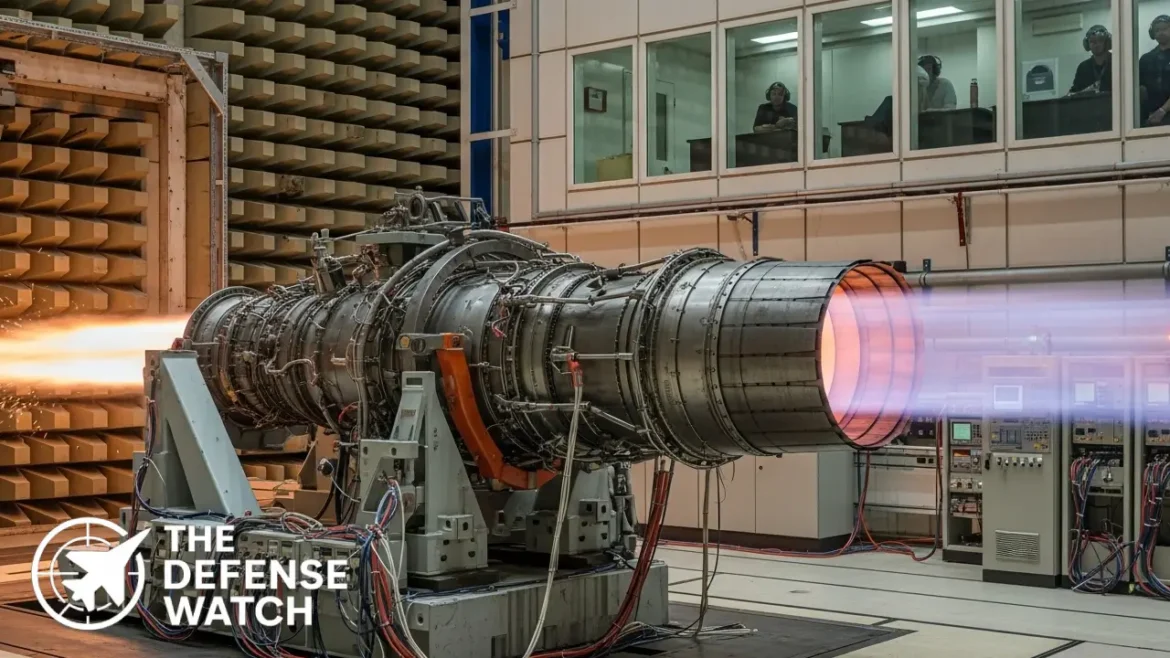
India’s defense manufacturing ecosystem is accelerating efforts to create an independent 110kN aero engine, with multiple private-sector companies seeking Ministry of Defence (MoD) support to develop a high-thrust propulsion solution outside the existing Gas Turbine Research Establishment (GTRE)–Safran joint venture. The emerging initiative, discussions for which advanced in recent months across New Delhi and Bengaluru, signals a growing push toward long-term propulsion self-reliance for India’s fighter aircraft programs.
Background: A Strategic Need for High-Thrust Propulsion
India’s pursuit of a domestic high-thrust turbofan stems from operational and industrial demands tied to the Tejas Light Combat Aircraft (LCA) program, future Advanced Medium Combat Aircraft (AMCA), and increasing emphasis on export competitiveness. While GTRE’s Kaveri derivative programs have delivered limited progress and the GTRE–Safran partnership is working toward a 110kN class engine with blade technology transfer by 2027, private firms believe parallel development is essential to reduce dependency and diversify design risk.
The term 110kN aero engine increasingly serves as a benchmark requirement, capable of powering medium-weight fighters in the 5th-generation class with improved thrust-to-weight ratios, supercruise potential, and higher thermal tolerance.
Private Sector Push: An Independent Pathway
According to industry sources, several leading Indian private aerospace manufacturers have approached the MoD requesting formal endorsement, seed funding, and access to defense testing infrastructure to pursue a clean-sheet 110kN turbofan design. Their proposals reportedly emphasize modular architecture, digital twin development, and high-temperature materials aimed at reducing life-cycle costs and improving growth potential.
Executives familiar with the discussions said companies aim to avoid duplicating GTRE’s ongoing work and instead propose a separate domestic track with global consultancy partnerships.
A senior industry representative noted that the private sector “is ready to assume a significant portion of risk and investment, provided there is clarity on long-term procurement needs and MoD’s willingness to certify and onboard indigenous propulsion systems.”HAL’s Scaling Plans Add Momentum
State-run Hindustan Aeronautics Limited (HAL), which is scaling Tejas Mk1A production and preparing for prototypes of Tejas Mk2, has been supportive of any propulsion program that creates domestic redundancy. The demand for engines is expected to grow sharply as HAL expands fighter production capacity to meet domestic and export orders.
The parallel Safran technology transfer program—focused on high-pressure turbine blade manufacturing—remains critical for India’s ability to indigenously sustain a 110kN aero engine by 2027. But industry strategists argue that an additional private-sector program could accelerate learning curves and reduce long-term reliance on foreign OEMs.
Government Considerations and Policy Climate
The MoD has previously signaled readiness to support private-sector engine programs via the Technology Development Fund and the Innovations for Defence Excellence (iDEX) scheme, though no large-scale propulsion project has yet been awarded. Officials say a decision on the new proposals may align with the next iteration of India’s defense indigenization roadmap.
Under the current policy, major engine development projects are categorized as “high criticality strategic programs,” requiring Cabinet-level approvals and multi-decade commitments. Private-sector leaders are urging the government to adopt a dual-track model: one centered on GTRE–Safran, and one on domestic private capabilities.
Expert View: A Multi-Track Engine Strategy
Defense analysts say bidding for an independent 110kN aero engine reflects a maturing of India’s aerospace ecosystem. According to propulsion experts, creating multiple development streams mitigates technological risk and builds domestic competition, which is standard practice in the US, France, and UK during major engine programs.
“India will need at least two to three viable domestic engine houses over the next decade if it wants to field next-generation fighters without foreign constraints,” said a former Indian Air Force engineering officer. He added that engine development cycles typically span 10–15 years, making early investment crucial.
What’s Next
If approved, the independent private-sector propulsion program could begin component-level testing by the late 2020s, with full engine demonstrators expected in the early 2030s. The push also aligns with India’s broader defense export ambitions, where indigenous engines are seen as essential for avoiding restrictive end-user licensing.
As India advances toward greater aerospace autonomy, the 110kN aero engine initiative—both public and private—remains central to the country’s vision of deploying fully indigenous fighter aircraft in the decades ahead.