Swedish Fighter Jets Intercept Russian Tu-22M Bomber Over Baltic Sea (H2)
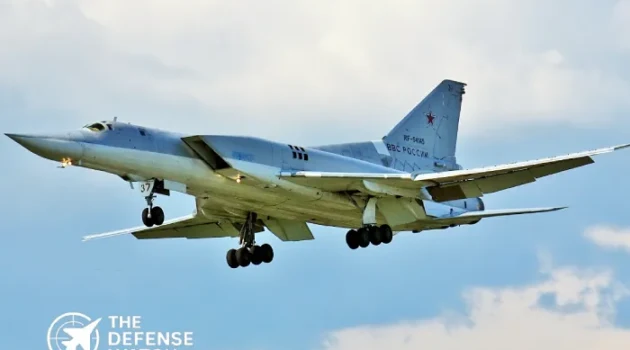
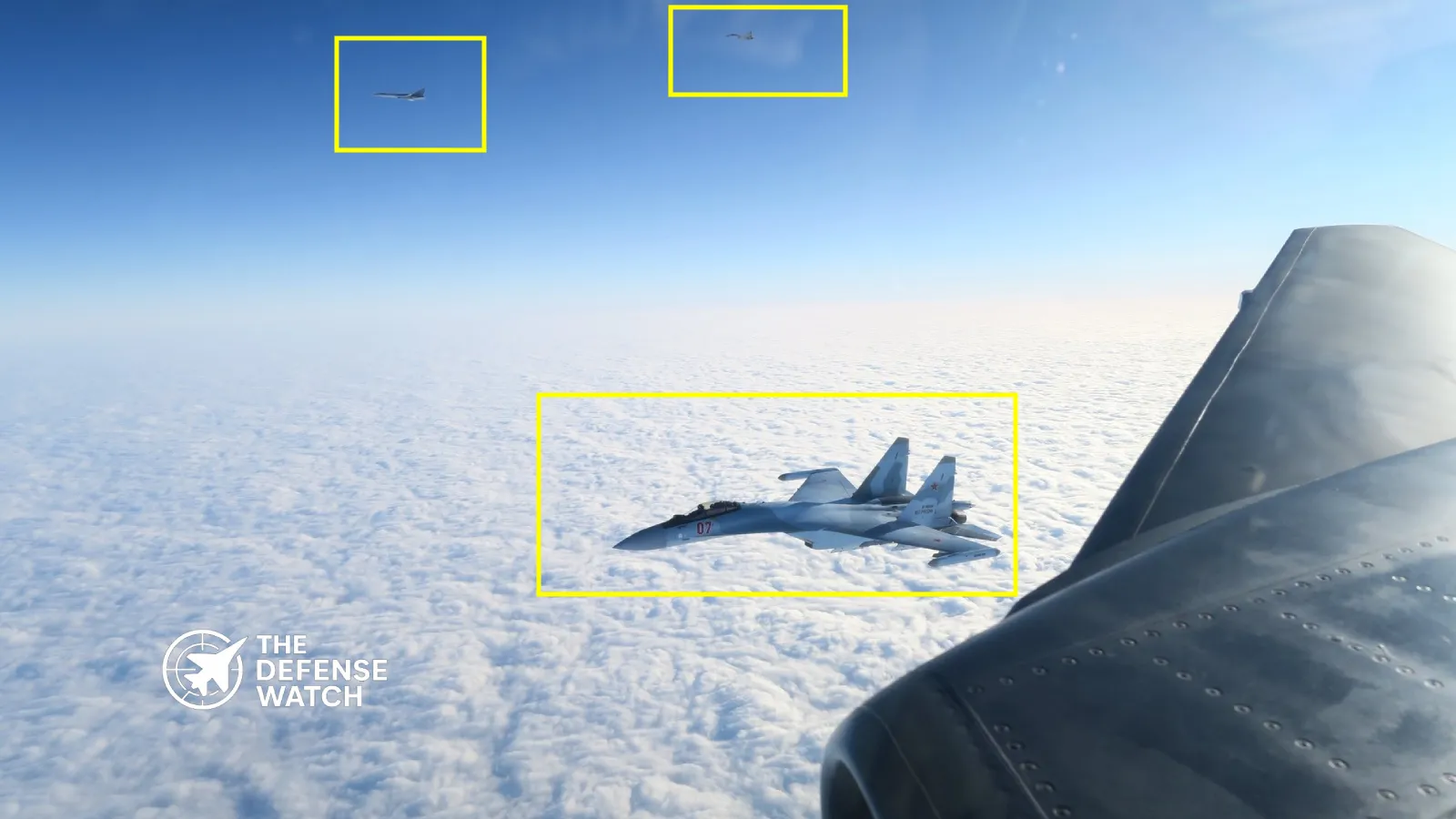
Swedish fighter jets intercepted a Russian Tu-22M long-range bomber escorted by two Su-35S fighters over the Baltic Sea on January 22, 2026, as part of routine NATO air policing operations. This encounter happened in international airspace and did not include any reported violation of sovereign territory, according to official reports from the Swedish Armed Forces.
Intercept Details
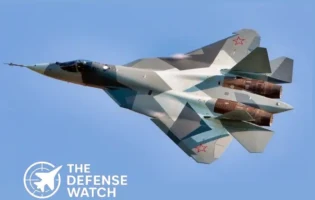
Radar networks detected the formation approaching the Swedish maritime identification zone, prompting Sweden’s Quick Reaction Alert (QRA) fighters to launch. Saab JAS 39 Gripen aircraft were scrambled to visually identify and shadow the Russian flight, which consisted of a Tu-22M bomber flanked by two Sukhoi Su-35S fighters.
Swedish authorities stated the mission was carried out in close coordination with NATO’s Baltic Air Policing units. The Russian aircraft remained in international airspace throughout the operation and did not enter Swedish or NATO airspace.
Strategic Context
Russian long-range aviation flights over the Baltic Sea have triggered frequent air policing responses from Sweden and other NATO members. These missions serve to monitor activity near alliance airspace and allow QRA forces to identify and record aircraft movements.
The Tu-22M series of bombers can carry long-range cruise missiles and form a core part of Russia’s long-range strike capability. Escorting fighters like the Su-35S add air-superiority protection and extend sensor coverage for the bomber formation.
(adsbygoogle = window.adsbygoogle || []).push({});NATO Air Policing and Regional Activity
Since Sweden joined NATO in 2024 it has increased its participation in alliance air policing missions. Swedish Gripen fighters have been deployed alongside other NATO QRA forces to maintain continuous surveillance of the Baltic air domain.
Past intercepts have involved a range of Russian aircraft including reconnaissance platforms and long-range bombers, with NATO aircraft visually identifying and shadowing these flights to ensure safety and adherence to international norms.
Operational Purpose
Intercept missions like this one are defensive in nature. They provide visual identification of aircraft approaching monitored airspace and help confirm that flights comply with international rules for the use of airspace. Swedish and NATO air forces use these operations to gather data, maintain readiness, and uphold collective defense commitments in the region.