Oreshnik Emerges as a Strategic Threat
Russia’s new hypersonic Oreshnik intermediate-range ballistic missile is rapidly changing the strategic balance in Europe and forcing NATO planners to weigh new risks to allied territory and U.S. interests. The missile, used at least twice in active combat in Ukraine, has a reported range that puts many European capitals within reach and a flight profile designed to compress interceptor reaction time.
- Oreshnik Emerges as a Strategic Threat
- What Is the Oreshnik Missile?
- Combat Use and Recent Strikes
- Technical Challenges for NATO Missile Defenses
- Belarus Deployment and Strategic Signaling
- Shifts in Arms Control and Strategic Stability
- Analysis: Strategic Implications for NATO and U.S. Planning
- Looking Ahead
- FAQs
In a January 9, 2026 operation, Russia confirmed it struck western Ukraine’s Lviv region with an Oreshnik missile, a launch that came amid broader Russian attacks across Ukrainian territory. The launch occurred about 60 kilometers from the Polish border, raising alarm in Warsaw and other NATO capitals.
What Is the Oreshnik Missile?
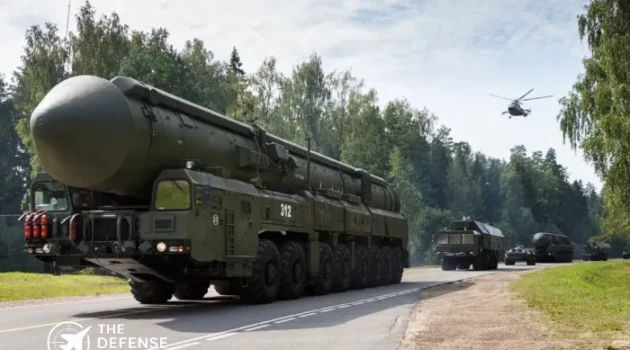
Oreshnik is a road-mobile, solid-fuel intermediate range ballistic missile (IRBM) developed by Russia’s strategic forces and entering active service in recent months. It is widely seen as an evolution of earlier programs such as the RS-26 Rubezh, yet tailored for both high-speed conventional and nuclear roles.

Key attributes include:
- Speed: Hypersonic flight exceeding Mach 10 during terminal phase.
- Range: Estimated between 3,000 and 5,500 kilometers, enough to reach deep into Europe and western Russia’s Western Hemisphere targets from forward positions.
- Mobility: Road-mobile transporter-erector-launcher increases survivability and complicates tracking.
- Payload: Designed for multiple independently targetable reentry vehicles (MIRVs), conventional submunitions, or low-yield nuclear warheads.
This combination challenges traditional missile defenses because hypersonic delivery compresses the time between launch detection and impact. Allied radar and interceptor systems may have limited windows to react if the Oreshnik is launched from closer locations such as Belarus or western Russia.
Combat Use and Recent Strikes
The Oreshnik missile first saw combat in November 2024 near Dnipro, Ukraine, and was again used in January 2026 in the Lviv region. In both cases, Moscow did not deploy a confirmed nuclear warhead, instead using conventional payloads in what Western analysts call a calibrated strategic message rather than purely tactical strikes.
The January 2026 launch, however, significantly escalated political tensions given its proximity to NATO territory. Ukrainian foreign officials labeled the strike a war crime and called for an emergency United Nations Security Council meeting to address the use of such strategic weapons near NATO borders.
Technical Challenges for NATO Missile Defenses
Russia’s Ministry of Defense asserts that Oreshnik is nearly impossible to intercept. While this claim is debated, the missile’s speed and potential for multiple warheads complicate engagement. Current NATO and U.S. missile defense systems such as Aegis SM-3, THAAD, and Arrow 3 provide exoatmospheric interception capabilities, but coverage gaps and limited inventory reduce confidence against a full Oreshnik strike.
Moreover, missile defense systems face unique difficulties:
- Compressed reaction windows due to hypersonic velocity
- Maneuverable reentry vehicles that can change trajectory
- Simultaneous targets from multiple warheads designed to saturate defenses
These factors create a calculus where defense planners must weigh strategic priorities against evolving Russian capabilities.
(adsbygoogle = window.adsbygoogle || []).push({});Belarus Deployment and Strategic Signaling
Russia has moved to station Oreshnik missile units in Belarus, a move aligned with strategic cooperation with Minsk and intended to reduce flight times to Western targets. Belarusian leaders have publicly confirmed deployment of missile systems and training of crews.
This forward placement significantly shortens strike distances to NATO member Poland and beyond, intensifying alliance concerns. Presence of IRBMs in Belarus also complicates European security planning, because shorter routes to Western territories create urgent timelines for early warning and response.
Shifts in Arms Control and Strategic Stability
The emergence of Oreshnik underscores gaps in post-Cold War arms control frameworks. The collapse of the Intermediate-Range Nuclear Forces Treaty in 2019 removed limits on ground-launched ballistic systems with intermediate ranges. Russia’s rapid adaptation of programs such as RS-26 into an operational IRBM illustrates how voids in formal controls can lead to new strategic capabilities.
At the same time, efforts to negotiate limits on these classes of weapons have stalled amid broader East-West tensions, leaving NATO to address changing threats through deterrence and defense rather than treaty constraints.
Analysis: Strategic Implications for NATO and U.S. Planning
The Oreshnik missile is not just another addition to Russia’s arsenal. It embodies a shift toward systems that blur traditional distinctions between theater ballistic roles and strategic reach. By combining hypersonic speed with mobile launch platforms and potential nuclear payloads, Moscow gains a lever to thwart predictable response timelines.
For NATO, this means two immediate challenges:
- Air and missile defense adaptation: Allies will need to accelerate deployment of sensors and interceptors optimized for high-speed terminal threats.
- Alliance cohesion tests: Proximity strikes near NATO borders create political pressures for responses or posture changes that could widen the conflict.
For the United States, the visibility of Oreshnik deployments and combat use presses a reassessment of deterrence strategies in Europe. U.S. defense planning may prioritize forward sensor integration and layered defenses that can provide early detection and engagement opportunities before hypersonic missiles enter their final terminal phase.
(adsbygoogle = window.adsbygoogle || []).push({});Looking Ahead
The Oreshnik missile’s growing role in Russia’s strategic posture signals that future European security will require adaptive planning, not simply extensions of Cold War-era frameworks. NATO’s capacity to absorb, deter, and respond to hypersonic IRBM threats will shape alliance readiness in the decade ahead.
The weapon’s existence and operational use sharpen debates on defense investment priorities, alliance force deployments, and the balance between deterrence and de-escalation in volatile times.
FAQs
What is the Oreshnik missile?It’s a Russian intermediate-range ballistic missile capable of hypersonic flight, dual conventional and nuclear payloads, and designed to challenge missile defenses across Europe.
Has the Oreshnik been used in combat?Yes, confirmed strikes occurred in 2024 near Dnipro and in early 2026 near Lviv in Ukraine.
Can NATO intercept an Oreshnik missile?Current defenses may struggle due to its speed and MIRV potential, though systems like Aegis and Arrow provide some capability.
Does Oreshnik carry nuclear weapons?It is designed to carry nuclear warheads, though there is no public evidence it has been armed with one in combat so far.
Why is NATO concerned?The missile’s range brings allied capitals within striking distance from forward areas, compressing reaction times and raising strategic risk.