

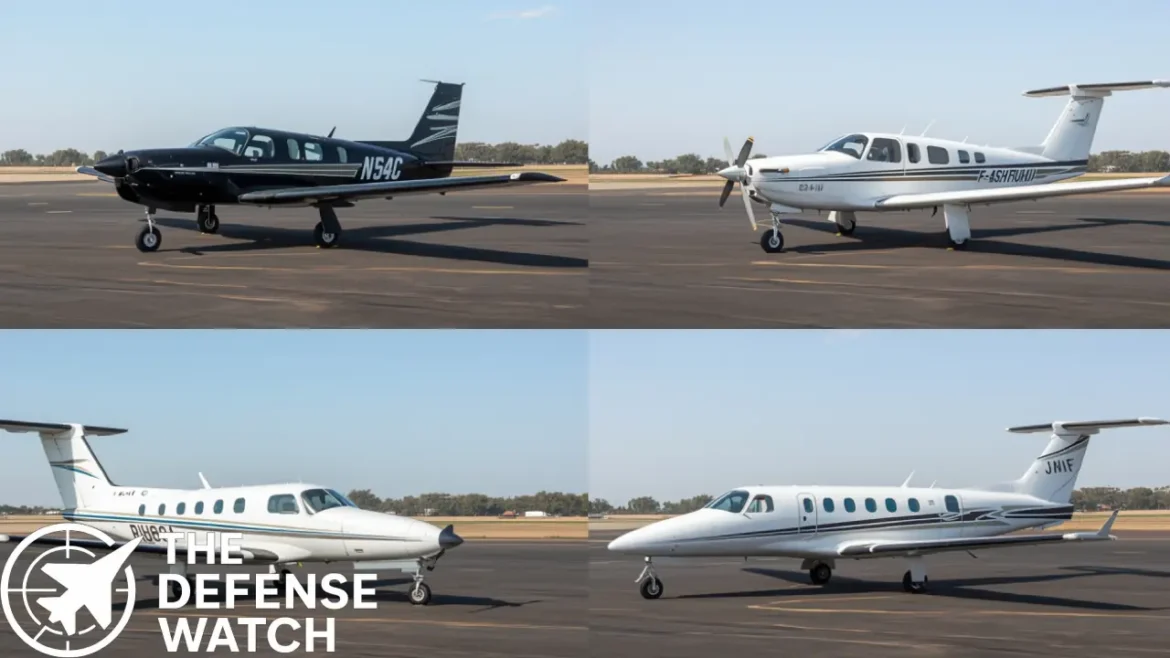
In an era marked by rising defense budgets and increasing scrutiny over military spending, cost-effective platforms are gaining renewed attention. This analysis spotlights the five cheapest U.S. Air Force aircraft still in service as of 2025, focusing on unit procurement cost, operational relevance, and strategic value.
Methodology & Context
The ranking is based on estimated procurement cost per unit drawn from recent 2024–2025 data, primarily sourced from a comprehensive cost breakdown published by 24/7 Wall St. All aircraft listed remain active with the U.S. Air Force as of this year.
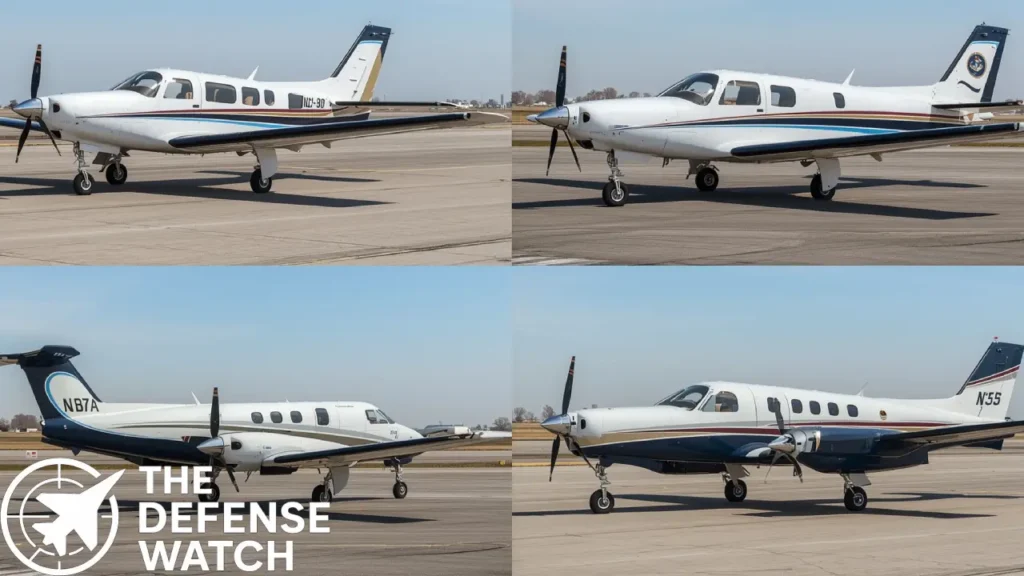
Top 5 Least Expensive USAF Aircraft
1 – T-34C Turbomentor
- Estimated Cost per Unit (2024): $1.14 million
- Role: Pilot proficiency and support services within fleet training
- Why It Matters: As the cheapest aircraft still flight-capable, the T-34C provides essential pilot currency and proficiency at minimal cost.
2 – Cessna 208 Caravan
- Estimated Cost per Unit: $3.35 million
- Role: Light transport duties
- Analysis: Ideal for low-cost, versatile missions—such as logistics and quiet geographic environments—its modest price point offers high utility.
3 – Beechcraft C-12 Huron
- Estimated Cost per Unit: $3.78 million
- Role: Transport and liaison duties
- Note: Popular across multiple commands for its reliability and affordability, the C-12 emerges as a cost-effective workhorse.
5 – Learjet 35
- Estimated Cost per Unit: $6.08 million
- Role: Light transport
- Perspective: Slightly pricier, yet still economical compared to larger jets, the Learjet offers speed and flexibility for VIP and rapid transport.
5 – UC-12 Huron Logistics Aircraft
- Estimated Cost per Unit: $7.18 million
- Role: Light passenger and cargo airlift
- Insight: Positioned between light jets and medium transports, the UC-12 strikes a balance between capacity and cost.
Analysis & Strategic Context
These aircraft underscore the Air Force’s need for a versatile mix of high-end and affordable platforms. While stealth fighters and next-generation bombers dominate headlines—and budgets—the low-cost fleet ensures foundational mission readiness, especially in non-combat or support roles.
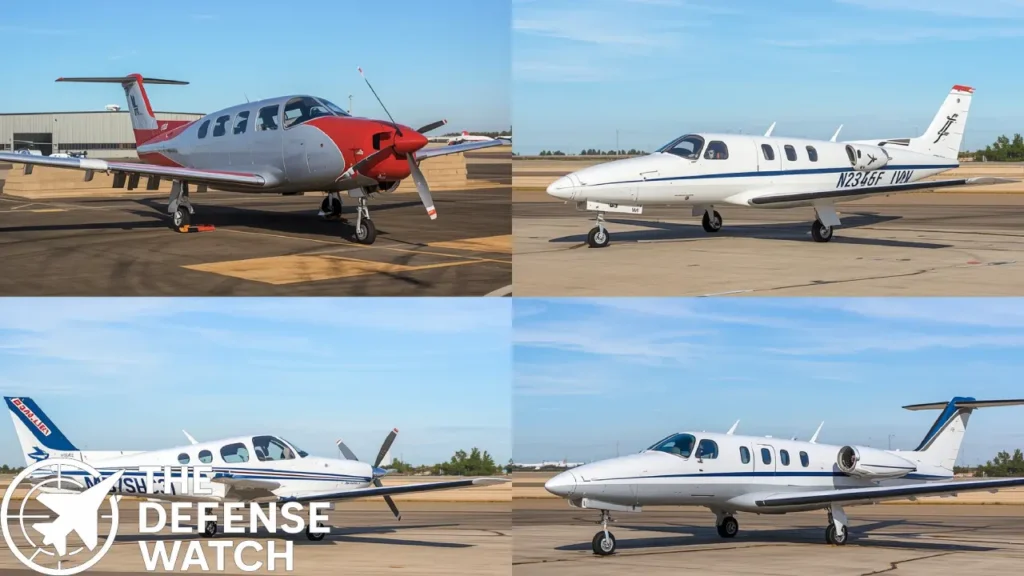
Despite their lower price tags, these platforms deliver vital capabilities—from training and liaison to logistics—complementing more sophisticated systems without burdening the budget. Especially in austere or dispersed operations, their low operating cost and simplicity offer tangible value.
FAQs
This list is based on unit procurement cost estimates (purchase price), not hourly operational cost.
Yes, all five remain in active service with the U.S. Air Force as of early 2025.
The focus here is on currently operational manned aircraft with publicly available cost data. Unmanned systems and classified platforms are outside the scope.