
Trump Greenland deal claims meet Danish resistance
President Donald Trump said the United States has reached an understanding with Denmark on Greenland after negotiations he described as successful, calling it a very important deal for US national security. Danish officials quickly pushed back, stating that any agreement does not involve a transfer of sovereignty and that Greenland remains part of the Kingdom of Denmark.
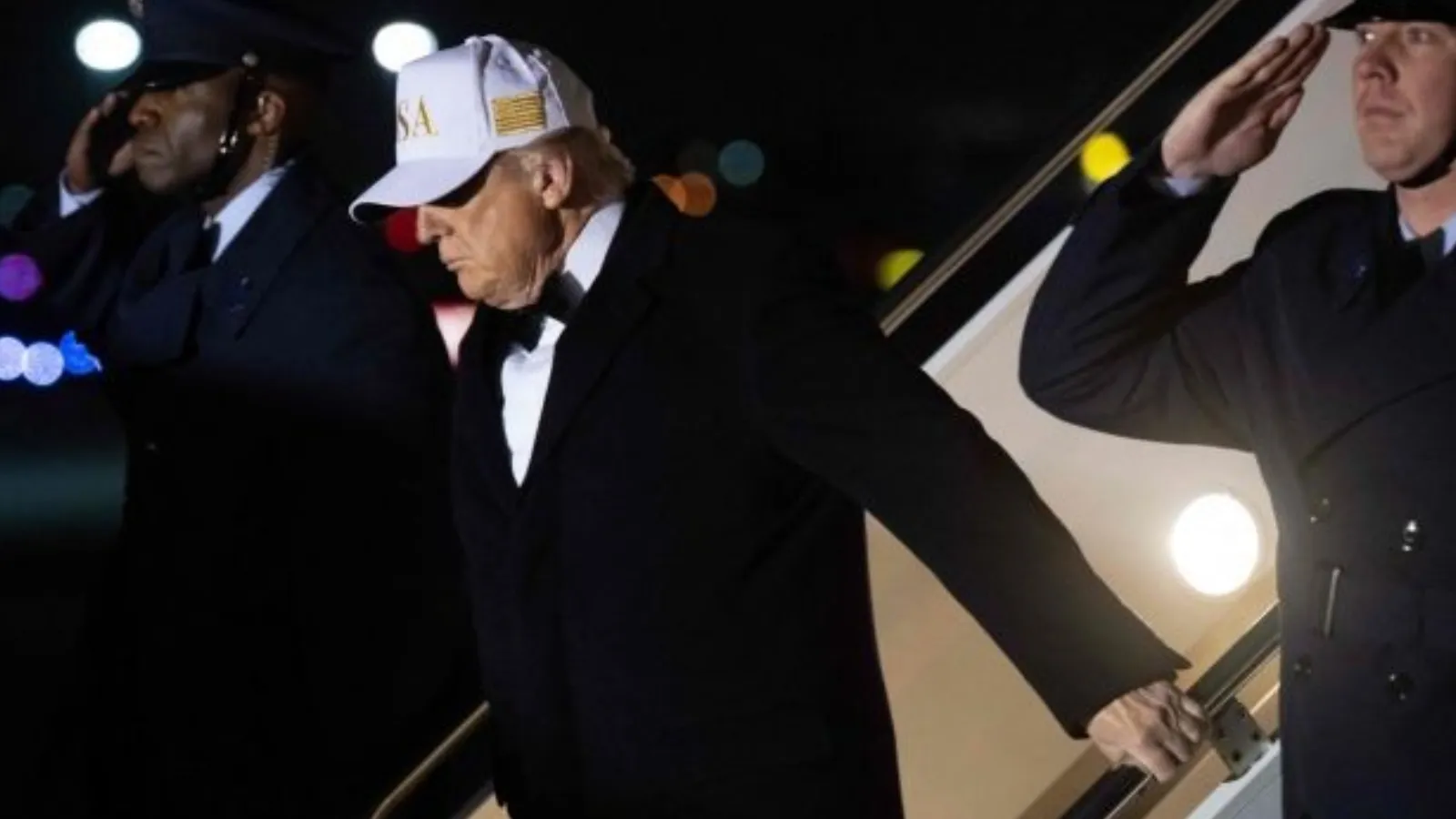
Speaking to reporters aboard Air Force One on January 31, Trump said negotiations had started and that consensus had been reached on numerous issues. He added that Europe also wants the United States to conclude an agreement, without providing details on scope, timing, or legal terms.
Danish leaders responded by reiterating long standing positions that Greenland is not for sale and that sovereignty is non negotiable. Officials emphasized that any discussions with Washington focus on cooperation, not ownership.
What Trump said and what remains unclear
Trump framed the Greenland talks as a strategic matter tied to national security, a theme he has raised repeatedly since his first term. He told reporters that the deal would be good for everybody and suggested progress across multiple areas.
No formal agreement text has been released. The White House has not published details on defense basing, investment, or governance arrangements. The absence of specifics has left analysts cautious, with Danish authorities underscoring that negotiations continue and that public claims should not be read as final outcomes.
From Copenhagen’s perspective, the talks fall within existing frameworks for defense cooperation and economic engagement, not territorial change. Greenland’s own elected government also plays a central role in decisions affecting the island.
Why Greenland matters to US defense planning
Greenland holds strategic value due to its location between North America and Europe and its proximity to the Arctic. The island hosts Pituffik Space Base, formerly Thule Air Base, a key node for US missile warning, space surveillance, and Arctic operations.
As Arctic ice recedes, shipping lanes and access to natural resources are expanding, drawing increased attention from major powers including Russia and China. US defense planners view Greenland as critical to early warning systems and to maintaining freedom of movement in the North Atlantic and Arctic regions.
These realities underpin Washington’s interest in deepening cooperation with Denmark and Greenland, particularly in areas such as missile defense, space domain awareness, and infrastructure resilience.
Denmark and Greenland responses
Danish officials moved quickly to clarify that sovereignty was not part of any discussion. Statements from Copenhagen stressed that Greenland’s status is defined by international law and by the self rule framework that grants Greenland broad autonomy over domestic affairs.
Greenlandic leaders have historically welcomed US investment and security cooperation, while also insisting on respect for local governance and environmental protections. Any expansion of US activity typically requires consultation with Nuuk as well as Copenhagen.
The Danish government emphasized that dialogue with the United States remains constructive and focused on shared security interests in the Arctic.
Broader geopolitical context
The Trump Greenland deal narrative emerges amid heightened competition in the Arctic. Russia has expanded military infrastructure along its northern coast, while China has declared itself a near Arctic state and invested in polar research and infrastructure.
NATO allies have responded by increasing exercises, surveillance, and coordination in the High North. Denmark, as a NATO member, views cooperation with the United States as essential, but within established alliance norms and legal frameworks.
For Washington, reinforcing Arctic presence aligns with broader defense priorities that include missile defense modernization, space security, and protection of transatlantic sea lanes.
What to watch next
Key questions remain unresolved. These include whether any new basing agreements are planned, how investment and infrastructure projects would be structured, and how Greenland’s government will shape outcomes.
Until formal documents are released or joint statements issued, the Trump Greenland deal remains more a political claim than a defined policy shift. Danish insistence on sovereignty suggests continuity rather than change in Greenland’s legal status.
Future clarity is likely to come through official communiqués from Washington, Copenhagen, and Nuuk, rather than through off the cuff remarks.
Get real time update about this post category directly on your device, subscribe now.
