Sweden Leads NATO Icelandic Air Policing Mission for First Time
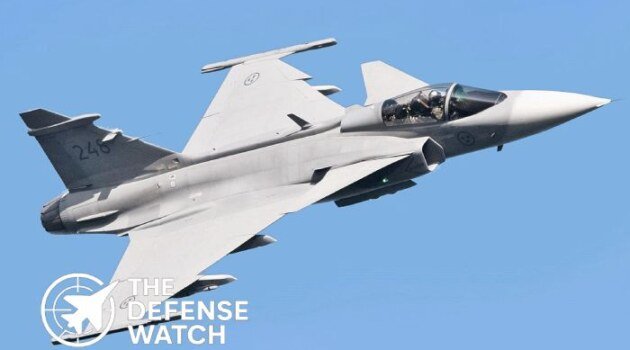
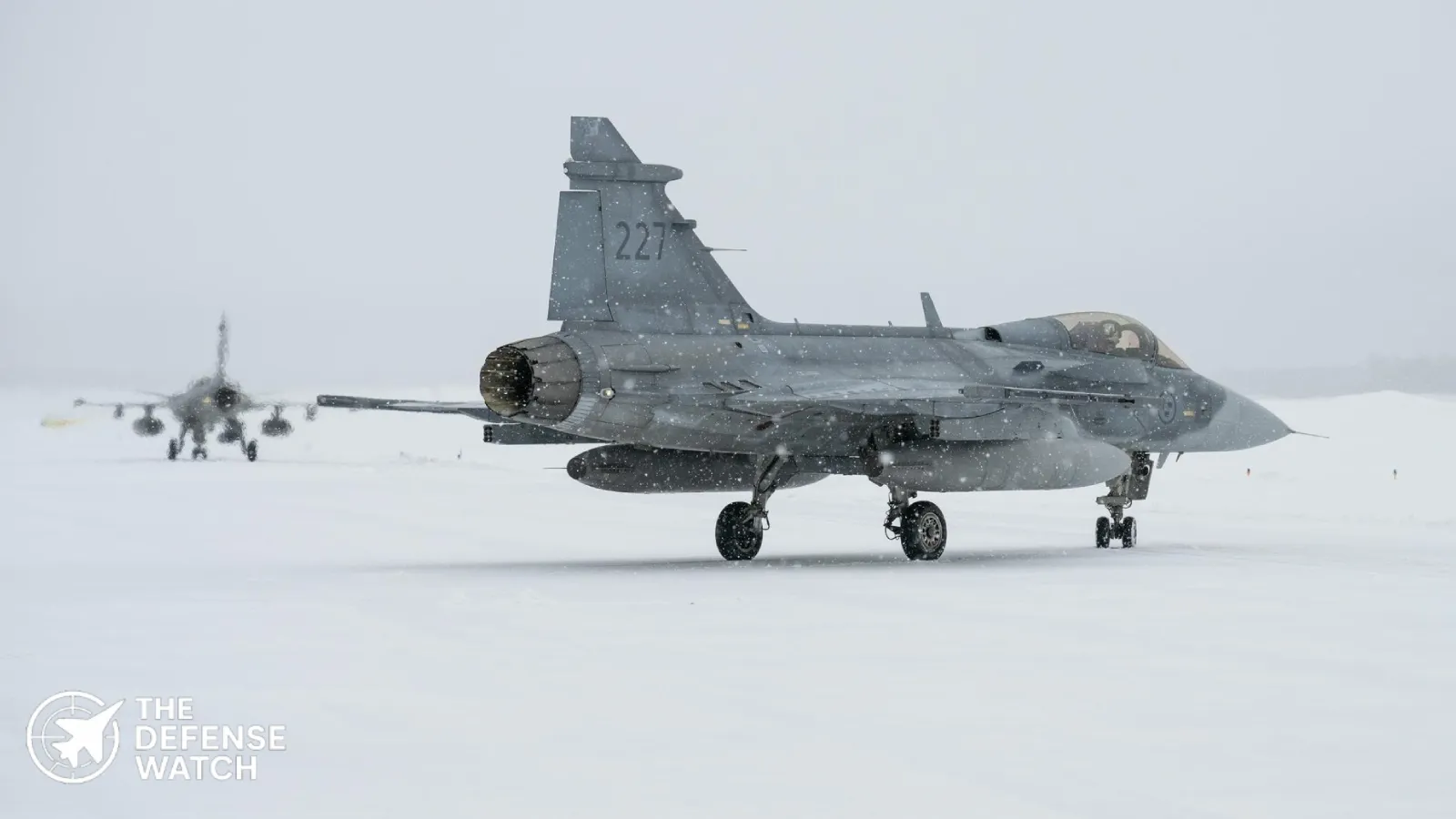
Sweden will lead the NATO Icelandic Air Policing mission for the first time since joining the alliance, marking a major milestone in Stockholm’s integration into NATO’s collective defense structure. Beginning in February, the Swedish Air Force will deploy JAS 39 Gripen fighter aircraft to Iceland, operating from Keflavik Air Base to support peacetime air surveillance and safeguard NATO airspace.
The deployment places Sweden in a leadership role within one of NATO’s long standing air defense missions and highlights the growing operational integration of Nordic air forces inside the alliance framework.
What the Icelandic Air Policing Mission Involves
Iceland does not maintain a standing air force, relying instead on NATO allies to conduct air policing missions from Keflavik Air Base. These rotations ensure continuous monitoring of Icelandic airspace and rapid response capability in the North Atlantic region.
Under the NATO Icelandic Air Policing mission, participating nations deploy fighter aircraft, aircrew, and support personnel for limited periods. The mission focuses on air surveillance, identification of unknown aircraft, and readiness to respond to potential airspace violations, all conducted during peacetime under NATO command and control arrangements.
Sweden’s assumption of mission leadership means it will be responsible not only for flying sorties but also for coordinating daily operations, planning activities, and working closely with NATO’s Combined Air Operations Centre.
Gripen Deployment to Keflavik Air Base
The Swedish Air Force will deploy Gripen multirole fighters, along with pilots, maintenance crews, and command staff. The Gripen is designed for dispersed operations, high sortie rates, and interoperability with NATO systems, making it well suited for air policing tasks in challenging environments.
Operating from Keflavik Air Base, the Swedish detachment will integrate with NATO air command structures, use alliance standard procedures, and coordinate with other allied forces operating in the North Atlantic. The deployment also allows Sweden to demonstrate its ability to sustain expeditionary air operations alongside NATO partners.
Strategic Importance for NATO and the Nordic Region
Sweden leading the NATO Icelandic Air Policing mission carries strategic weight beyond the immediate task of air surveillance. It signals a shift in the security architecture of Northern Europe, where Nordic countries are taking on more prominent roles in alliance operations.
The North Atlantic and Arctic adjacent regions have gained increased attention due to rising military activity, long range aviation operations, and strategic competition. Iceland’s geographic position makes it a key node for monitoring air traffic between North America and Europe.
By leading this mission, Sweden contributes directly to NATO’s deterrence posture while gaining operational experience in alliance led missions. It also strengthens cooperation with Iceland, Norway, Denmark, and other NATO air forces active in the region.
Sweden’s Growing Role Inside NATO
Since joining NATO, Sweden has moved quickly to align its forces with alliance standards and operational concepts. Participation in air policing missions is a visible and practical way to contribute to collective defense while building trust and familiarity with NATO command structures.
Taking command of the Icelandic Air Policing mission represents a step beyond participation. It reflects confidence from NATO allies in Sweden’s planning, leadership, and operational capabilities.
For the Swedish Air Force, the mission provides real world experience in leading multinational operations, managing logistics abroad, and operating under NATO rules of engagement and reporting chains.
Implications for Air Defense and Interoperability
The mission also reinforces interoperability between the Gripen and NATO systems, including command and control networks, identification procedures, and secure communications. These elements are essential for effective collective air defense.
From a modernization perspective, the deployment demonstrates how non US fighter platforms can integrate seamlessly into NATO air operations, contributing to burden sharing and operational diversity within the alliance.
Looking Ahead
Sweden’s leadership of the NATO Icelandic Air Policing mission is expected to conclude after the scheduled rotation, but its impact will extend well beyond the deployment period. The experience gained will inform future Swedish contributions to NATO air operations and strengthen the alliance’s overall air defense posture in the North Atlantic.
As NATO continues to adapt to evolving security challenges, Sweden’s role in Iceland underscores the alliance’s emphasis on shared responsibility, regional expertise, and credible peacetime defense operations.
Get real time update about this post category directly on your device, subscribe now.