
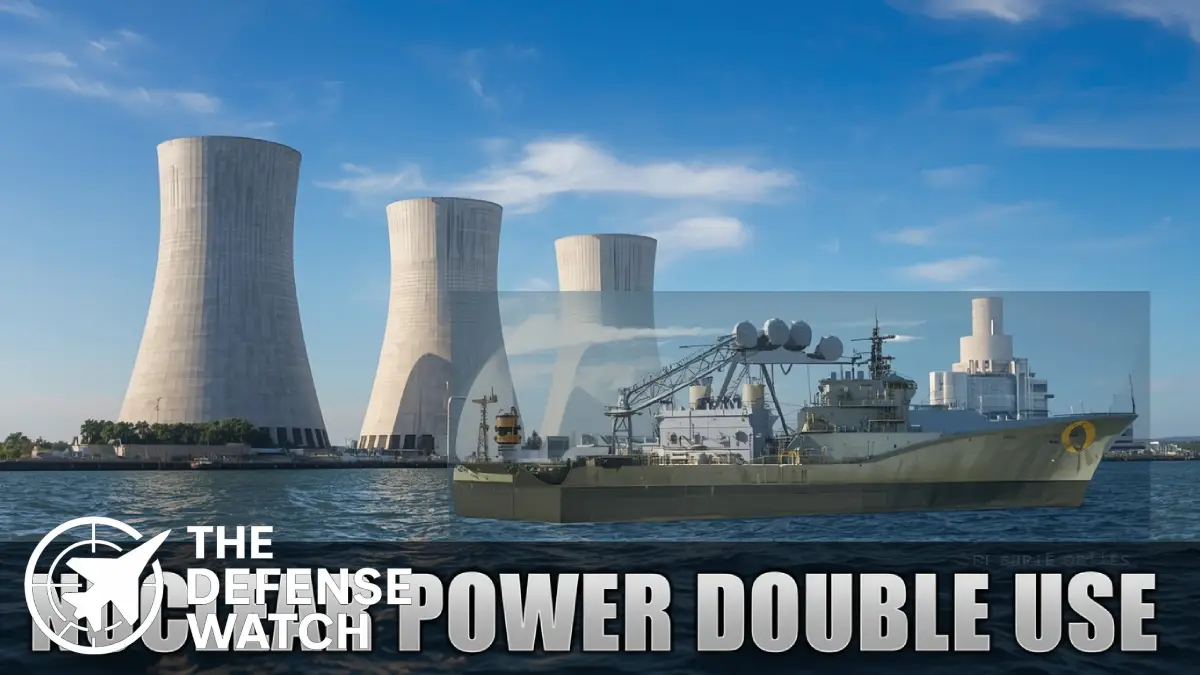
Nuclear Energy Back in Strategic Spotlight
Nuclear energy is reemerging as a central pillar in global defense and energy strategies. Once sidelined due to safety concerns and public resistance, nuclear power is now being reevaluated by major powers—including the United States, China, and Russia—not only as a clean energy source but also as a foundation for national security resilience.
Defense planners increasingly view nuclear energy as dual-use: sustaining military bases, powering advanced technologies, and reinforcing deterrence frameworks. The U.S. Department of Defense has already launched initiatives to deploy small modular reactors (SMRs) to provide reliable power for remote bases and forward-deployed operations. Similar efforts are underway in Europe and Asia, signaling a broader shift.

Source: IAEA – Nuclear Energy and Security
Nuclear Energy and Defense Resilience
Modern militaries are heavily dependent on stable energy supplies. Cyber threats, fuel shortages, and climate pressures have exposed vulnerabilities in traditional grids. Nuclear power—particularly in modular and mobile forms—offers independence from fragile supply chains.
- Small Modular Reactors (SMRs): Portable, low-maintenance reactors that can power military installations, radars, and space operations.
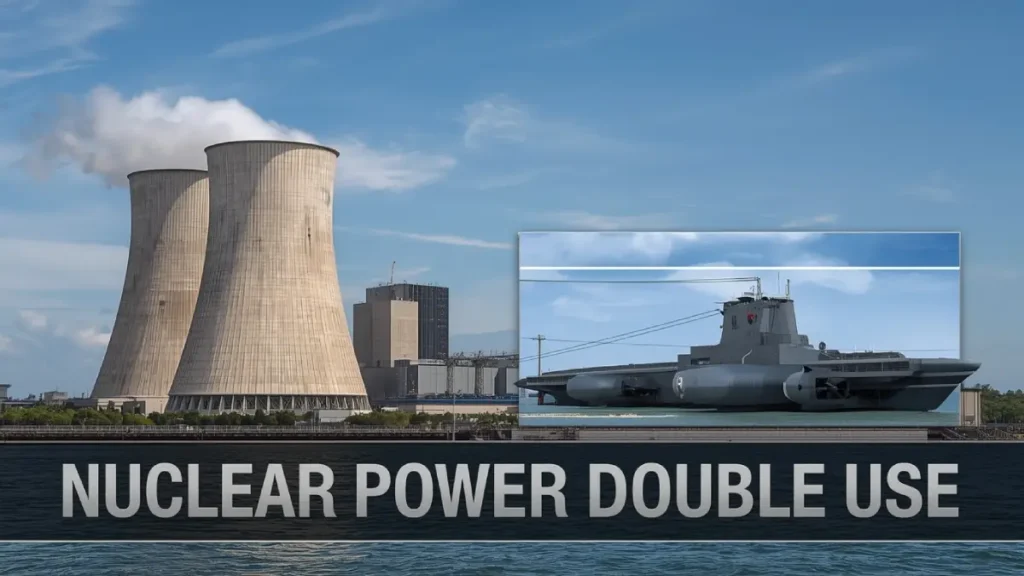
- Naval Propulsion: Nuclear-powered submarines and carriers remain unmatched in endurance, giving navies global reach without constant refueling.
- Energy Resilience: Bases powered by nuclear reactors are less exposed to fuel convoys, which are frequent targets in conflict zones.
Russia and China are also investing in advanced nuclear technologies, including floating reactors for Arctic operations and space-based nuclear propulsion systems—highlighting the military dimension of nuclear innovation.
Nuclear Energy in Geopolitical Competition
The return of great power competition has amplified the nuclear energy race. Beyond deterrence through warheads, civilian nuclear power is increasingly tied to influence and alliances.
- China is exporting nuclear technology through its Belt and Road framework, offering reactor deals to developing countries.
- Russia has positioned Rosatom as a state-backed supplier of nuclear reactors and fuel, locking in decades-long energy dependencies.
- The U.S. and allies are promoting nuclear partnerships under AUKUS and NATO frameworks, highlighting nuclear technology’s role in strategic balance.
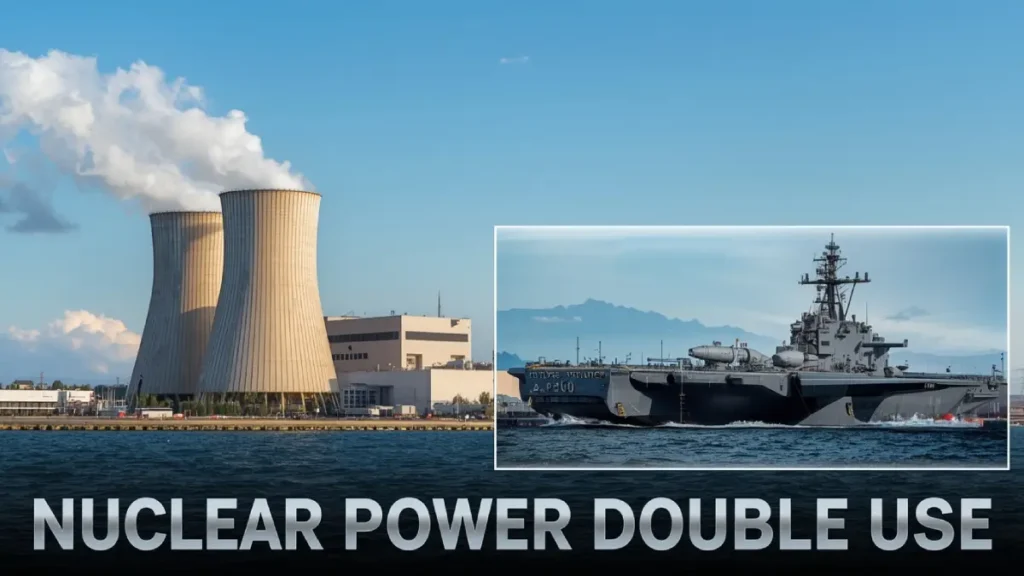
This competition is reshaping not just energy policy but also global security alignments. Nations that secure advanced nuclear capabilities are strengthening both their economies and defense structures.
Analysis: The Strategic Implications
For defense strategists, nuclear energy is more than a power source—it is a national security asset. As militaries adopt increasingly power-hungry systems, from directed energy weapons to advanced radar networks, demand for resilient power will intensify.
At the same time, nuclear energy plays into broader deterrence frameworks. Nations with robust nuclear infrastructure signal long-term resilience, reducing vulnerabilities that adversaries might exploit.
However, proliferation risks remain. Expanding civilian nuclear technology in unstable regions could open pathways for weapons development. Balancing strategic benefits with non-proliferation obligations will be a critical challenge for policymakers in the coming decade.
Conclusion
Nuclear energy’s dual role in defense and energy security ensures it will remain a focal point of strategic planning. From powering military bases to reshaping alliances, nuclear power is no longer just an energy issue—it is a geopolitical instrument.
As competition intensifies among major powers, nuclear energy will continue to shape the future of both defense and global security frameworks.
FAQs
Nuclear energy provides reliable, resilient power for bases, propulsion for submarines and carriers, and strengthens national energy security.
SMRs are compact nuclear reactors designed to provide flexible, mobile, and low-maintenance energy for civilian and defense needs.
The U.S., Russia, and China are all exporting nuclear technology, tying it to military resilience and geopolitical influence.
While enhancing resilience, nuclear expansion also risks proliferation, particularly in politically unstable regions.
Note: The images are AI-generated.
Get real time update about this post category directly on your device, subscribe now.

8 comments
[…] orbit—second only to the United States—China’s satellite capabilities are now critical to its military doctrine, particularly in enabling precision strikes and joint […]
[…] Beijing and Moscow stop short of a formal military alliance. Analysts note that much of the relationship is built on pragmatic alignment of interests rather […]
[…] and NATO commitments. A full trade breakdown could erode broader strategic cooperation or create policy dissonance at a time of rising global competition in aerospace, hypersonics and integrated air/missile-defence […]
[…] maintenance, sustainment and future modernization work. While this test does not mark a change in nuclear policy, it solidifies the fact that the U.S. land-based ICBM force remains active, visible and […]
[…] bomber fleet: With the B-2 ageing and legacy bombers like the B‑1 Lancer being phased out of the nuclear role, the B-21 becomes the linchpin of the bomber […]
[…] a defense-and-space policy standpoint, the lunar nuclear reactor initiative carries dual-use implications. Reliable power on the Moon could support infrastructure […]
[…] provide a dual advantage: operational resilience and logistical efficiency. Dr. Emily Sanders, an energy security analyst, stated, “Deployable microreactors like Janus allow the Army to maintain operational […]
[…] Gulf region remains strategically important for global energy security, trade routes, and broader Western security […]