What happened: Friendly fire over the Red Sea
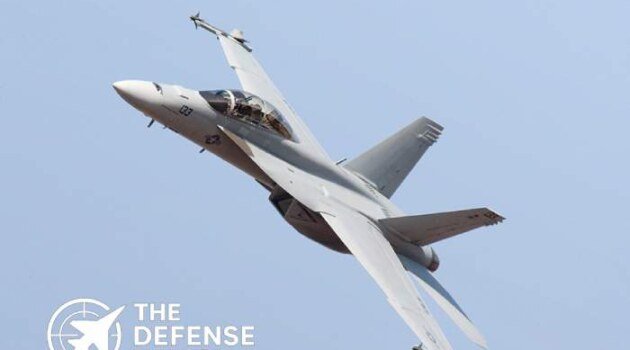
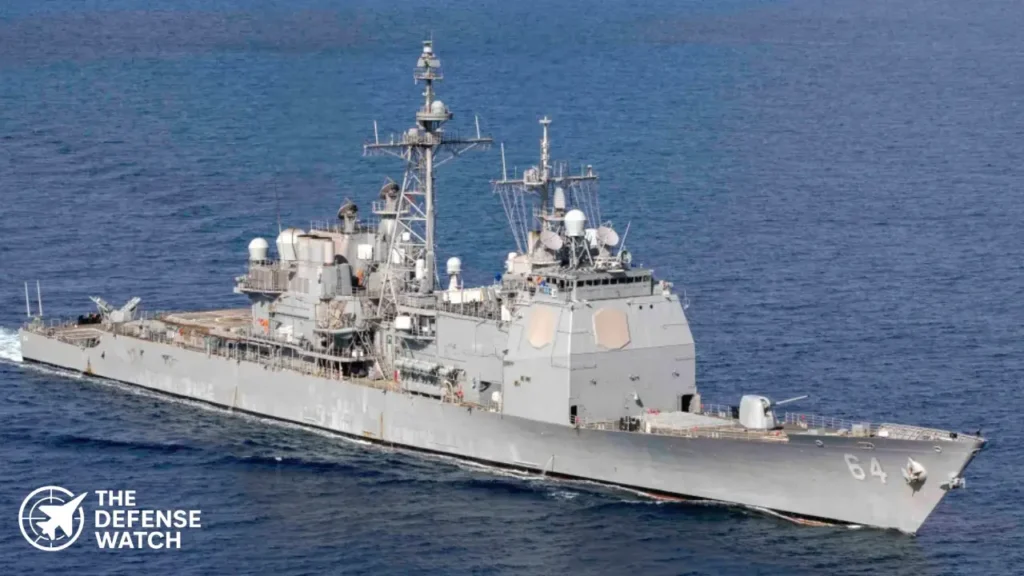
On December 22, 2024, a two-seat F/A-18 Super Hornet deployed with the USS Harry S. Truman Carrier Strike Group (CSG) was mistakenly shot down by missiles fired from the U.S. Navy guided-missile cruiser USS Gettysburg (CG-64) over the Red Sea, according to a combined statement by U.S. Central Command (CENTCOM) and the Navy. Both the jet’s crew — pilot and Weapons Systems Officer — ejected safely and were recovered, with one sustaining only minor injuries.
On December 4, 2025, the Navy publicly released its investigation summary into the incident, concluding that a combination of misidentification, procedural shortcomings, system deficiencies, and training gaps caused the friendly-fire shootdown.
Background: High-stakes operations in a volatile theater
The Truman CSG had been deployed to the Middle East in September 2024 to oversee U.S. naval and air operations in the Red Sea, amid escalating maritime threats from Houthi militants in Yemen. The region had seen repeated antiship missile and drone attacks targeting commercial and military vessels. Escorts such as Gettysburg were actively engaged in air-defense operations against those threats when the deadly error occurred.

The F/A-18 Super Hornet remains one of the U.S. Navy’s principal multirole carrier-based fighters — valued for its flexibility, range, and capability in both air-to-air and strike missions. However, its effectiveness depends heavily on rigorous coordination, identification protocols, and robust air-defense command-and-control, especially when operating alongside surface combatants under threat conditions.
Investigation Findings: What Went Wrong
Misidentification and System Failures
The central finding of the Navy’s report points to a misidentification by the cruiser’s combat systems. Despite radar and ship-to-ship / ship-to-air communication links between ships and aircraft in the strike group, the combat information center aboard Gettysburg failed to correctly classify the returning Super Hornet as friendly — treating it instead as an incoming hostile threat.
Contributing to that failure was an overreliance on degraded or insufficiently maintained sensor and identification systems, which hindered situational awareness under the high-pressure conditions of active engagement. The report described the incident as “not the result of hostile fire,” but a consequence of shortfalls within the group’s defensive systems.
Training, Cohesion and Procedural Shortcomings
The investigation also cited a lack of “integrated training opportunities” between Gettysburg and the broader Carrier Strike Group prior to deployment — a shortfall that significantly reduced the crew’s ability to coordinate identification and engagement decisions under stress.
Moreover, the report found that the cruiser lacked “forceful backup,” meaning there were insufficient procedural safeguards or secondary verification steps before engaging what was perceived as an aerial threat. Combined with a general lack of cohesion across the strike group, these deficiencies contributed to the friendly-fire event.
In a formal statement, Vice Chief of Naval Operations James Kilby said the Navy would address these gaps through enhanced training, improved system readiness, and structural reforms aimed at preventing repeat incidents.
Broader Pattern: Part of a Series of Mishaps
The Gettysburg shootdown was not an isolated accident. The December 2025 release also covered three additional incidents during the same deployment:
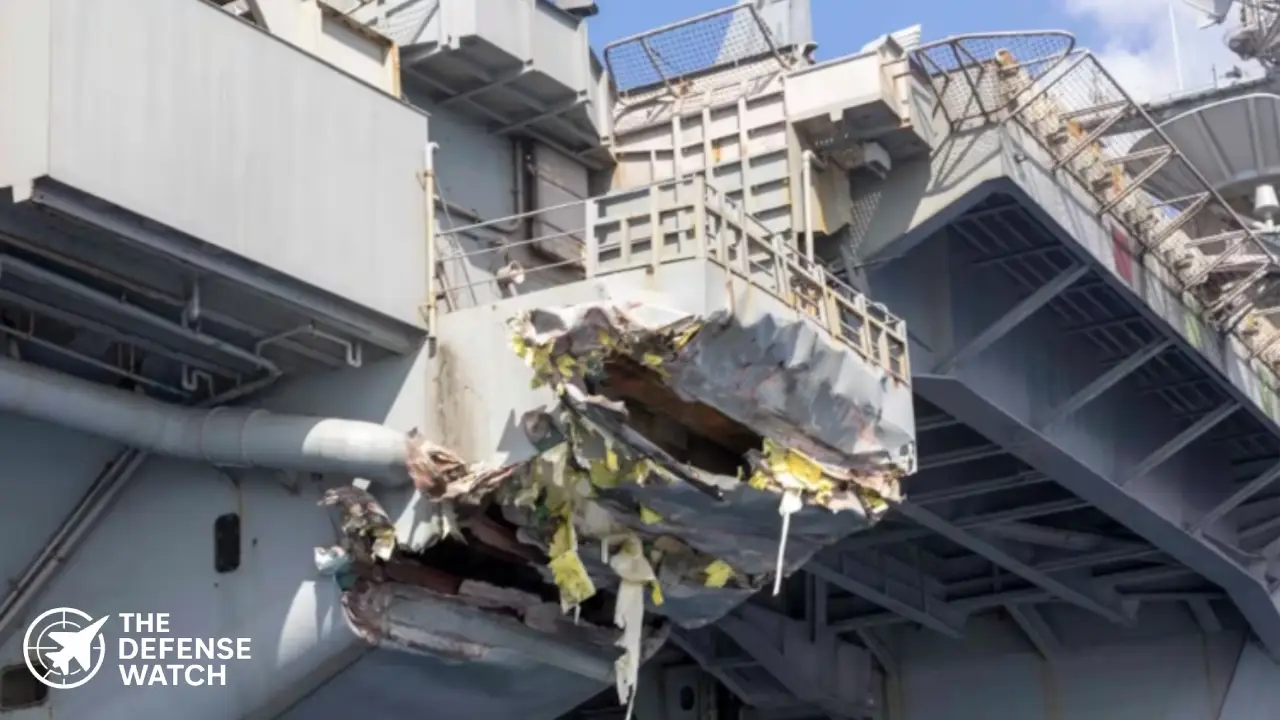
- In April 2025, an F/A-18E was lost overboard — along with its tow tractor — when the carrier made an evasive maneuver to avoid a Houthi ballistic-missile threat. That loss was traced to a brake-system failure on the jet, exacerbated by insufficient coordination between the bridge, flight deck control, and hangar-bay control.
- On May 6, 2025, another F/A-18F crashed into the sea during deck landing when the carrier’s #4 arresting wire failed — a result of a malfunctioning sheave damper, inadequate maintenance, insufficient personnel, and high operational tempo.
According to the Navy’s own assessment, this string of accidents reflects systemic stress on procedures, maintenance, and training — not just one-off mistakes.
Implications: Risk, Readiness and Reputation
Operational Risk and Loss of Capability
Each F/A-18 Super Hornet lost in these incidents is valued at roughly $60 million — a substantial material cost. But beyond the dollar value, the losses represent gaps in combat readiness, particularly troubling in a high-threat environment like the Red Sea. Losing multiple jets in quick succession, whether through friendly fire, deck mishaps, or maintenance failures, undermines sortie capacity and undermines deterrence credibility.
Pressure on Navy Doctrine and Procedures
The findings highlight the need for reinforced identification protocols, especially in mixed-domain threat environments involving missiles, drones, and manned aircraft. The Navy’s acknowledgment of degraded sensors, insufficient training, and low manning levels suggests that doctrine and resource planning must evolve to match the demands of modern naval warfare — especially in contested littoral zones.
Institutional and Command Impact
In the aftermath, the Navy relieved the commanding officer of USS Harry S. Truman — a sign of accountability linked directly to these cascading failures. Beyond individual accountability, the broader implication is likely a renewed push for force-wide retraining, review of maintenance cycles, upgrades to identification and radar systems, and perhaps changes in crew rotation schedules to avoid fatigue-driven errors.
What’s Next: Lessons and Repercussions
According to the Navy, new initiatives will aim at shoring up training for combined operations between carriers and escort vessels, increasing maintenance oversight, and restoring sensor and identification system reliability. Vice-Chief operations leadership has emphasized a commitment to learning from the incidents and implementing reforms across the Carrier Strike Group force.
Going forward, the misidentification and friendly fire incident over the Red Sea will likely prompt renewed discussion in defense circles about the risks of high-tempo operations without matching support and logistics — especially in conflict zones involving asymmetric threats like drones and missiles. Moreover, allied navies watching U.S. operations may re-evaluate their own carrier and cruiser coordination standards in light of these findings.
Get real time update about this post category directly on your device, subscribe now.