
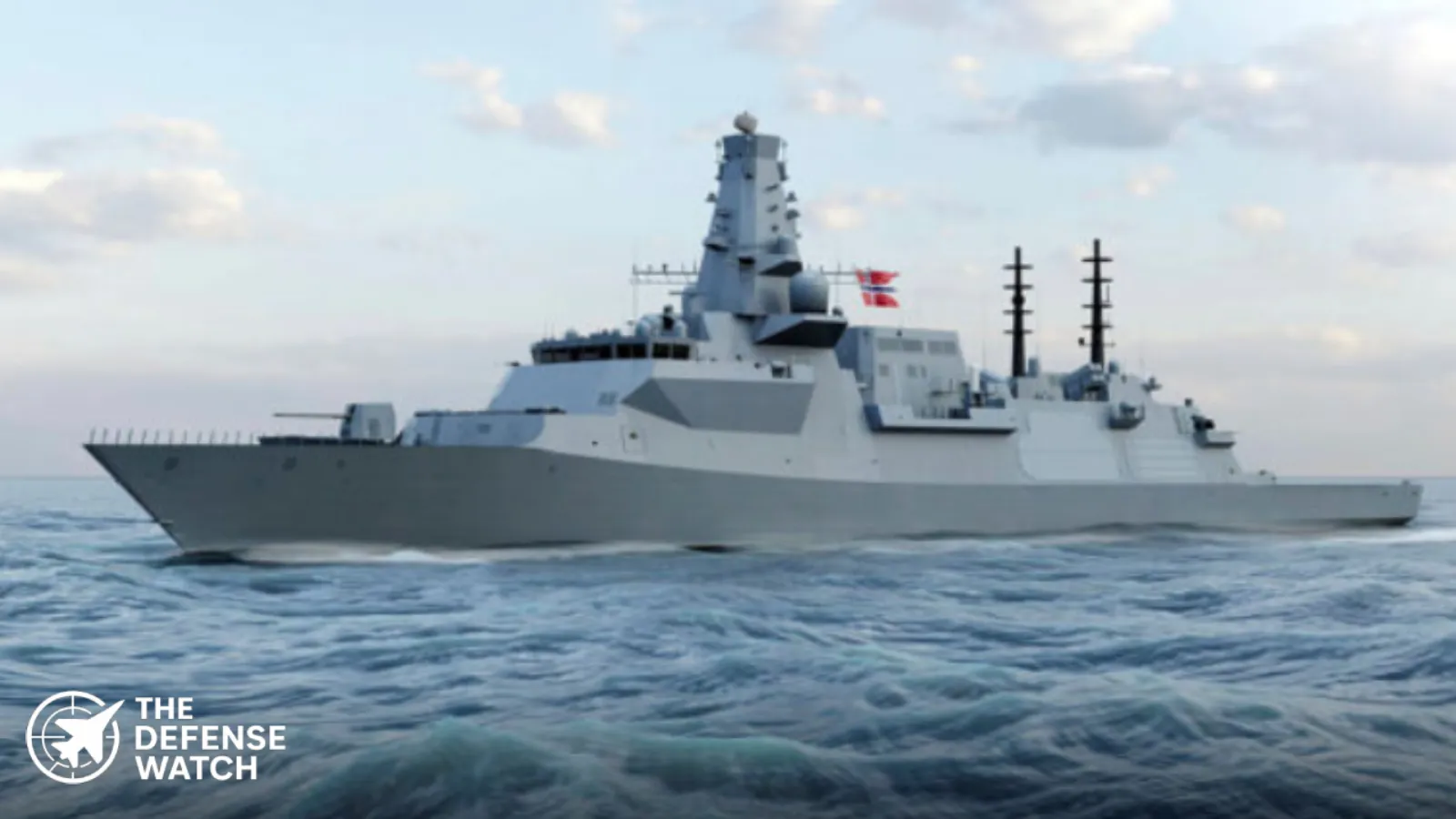
Norway May Cut Type 26 Frigate Purchase as Costs Rise
Norway is evaluating whether to reduce the number of planned Type 26 frigates it will acquire under its long-term defence plan, defence officials told Norwegian media. The possible move comes as the broader armed forces investment plan faces rising costs and competing priorities.
Under Norway’s Long-Term Plan on Defence, adopted in 2024, the Royal Norwegian Navy was set to receive five new British-built Type 26 anti-submarine warfare frigates to replace its older Fridtjof Nansen-class ships. The Type 26 design, built by BAE Systems in the UK, has also been chosen by the Royal Navy and other allies, underscoring its role in NATO’s northern maritime strategy.
Budget Pressures and Strategic Trade-Offs
According to reporting by Norwegian daily VG, leaders within Norway’s Ministry of Defence and defence staff are considering a trimmed frigate buy to better align with the defence budget framework approved by Parliament. Rising costs in other programmes, including expanded submarine acquisition plans, are cited as a key factor in the reassessment.
The Storting had unanimously backed the new Long-Term Plan, but new cost data suggest the defence envelope may be under strain as investment in submarines and army systems grows. As a result, the number of surface combatants may be cut to keep overall spending within limits through 2036.
Type 26’s Role in Norwegian Naval Strategy
Norway’s choice of the Type 26 followed a multi-month evaluation that also included proposals from French, German, and U.S. frigate designs. The Type 26 fleet was intended to give the Royal Norwegian Navy advanced anti-submarine capabilities for operations in the North Atlantic and High North, and to enhance interoperability with the Royal Navy’s own frigates.
Initial deliveries of the Norwegian vessels were expected to begin around 2030, with the design closely aligned to the Royal Navy’s specification.
Political and Industry Context
The potential decision to reduce the number of ships has drawn attention across political lines in Oslo. Some parties have called for tighter fiscal discipline, arguing that prioritization is essential. Others emphasize the strategic value of maintaining robust surface combat strength alongside submarine forces.
For the UK defence industrial base, Norway’s order had been one of the largest export wins for the Type 26 platform, marking a deepening of Anglo-Norwegian defence industry cooperation.
What Comes Next
At this stage, Norway’s Ministry of Defence has not made a final decision on the frigate numbers. A revised force structure proposal is expected to be presented to Parliament in the spring, where lawmakers will decide whether to adjust the planned acquisition.
Get real time update about this post category directly on your device, subscribe now.
