
U.S. Patriot Interceptor Stocks Face New Pressure
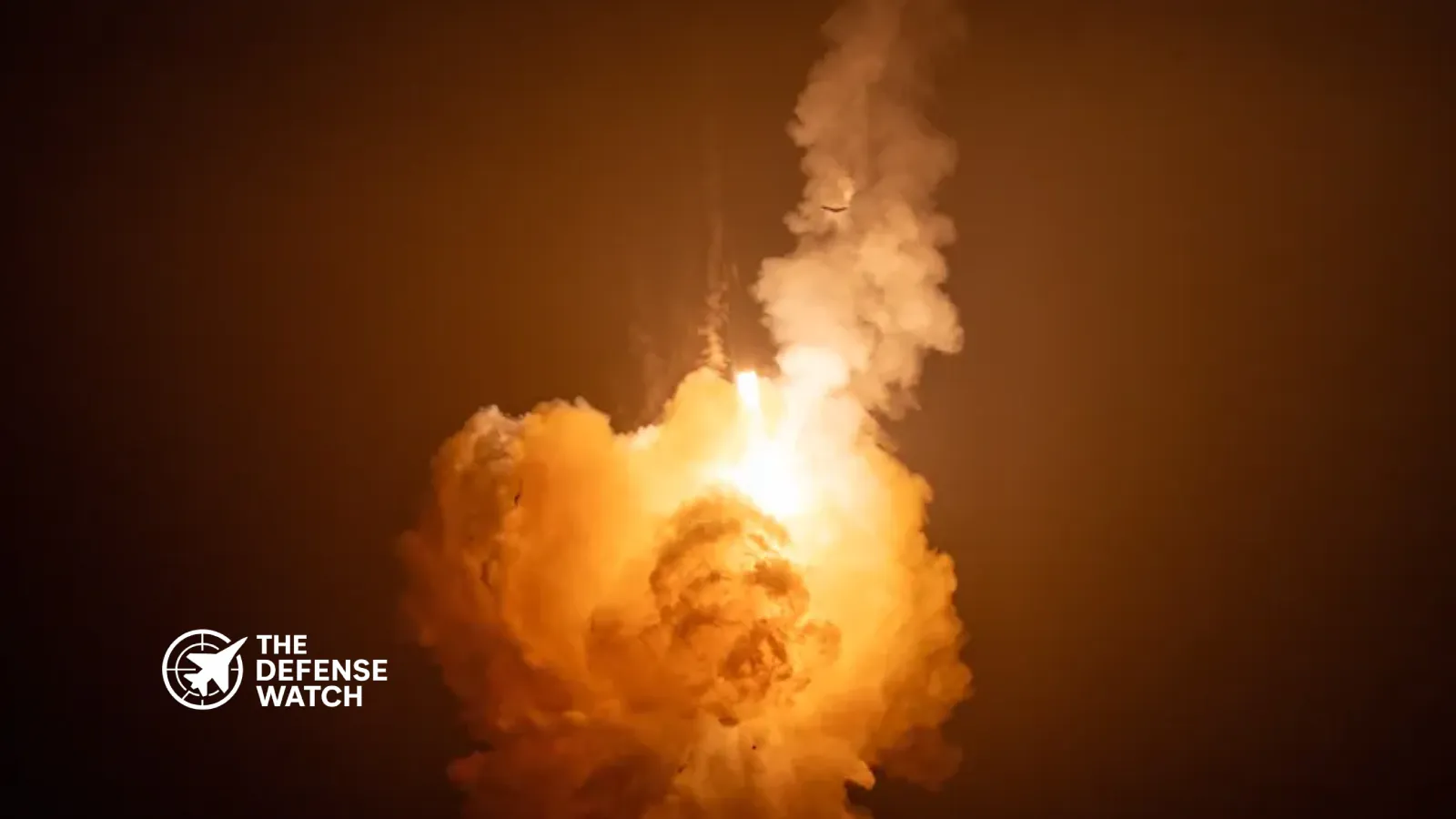
U.S. Patriot interceptor stocks are facing renewed pressure as American forces continue to rely heavily on air and missile defense systems against Iranian ballistic missile attacks. Open source intelligence assessment estimating that U.S. forces launched between 96 and 128 Patriot interceptors against approximately 32 Iranian ballistic missiles during one reported engagement over Jordan.
- U.S. Patriot Interceptor Stocks Face New Pressure
- Takeaways
- What The Reported Patriot Engagement Means
- Patriot Inventory Estimates Remain Uncertain
- PAC-3 MSE Production Is Being Expanded
- Why Replenishment Takes Years
- The Global Demand Problem
- The Cost Exchange Favors Large Missile Salvos
- Implications For U.S. Defense Planning
- A Replenishment Effort Is Already Underway
- Bottom Line
Takeaways
Heavy use of Patriot interceptors against Iranian ballistic missile attacks is putting additional pressure on a U.S. missile defense inventory that was already being rebuilt.
The reported expenditure has not been independently confirmed by the U.S. Department of War or U.S. Army, and the precise number of Patriot interceptors available to the United States is not publicly disclosed. The estimate should therefore be treated as an open source assessment rather than an official expenditure figure.
The broader concern, however, is supported by independent defense analysis. The Center for Strategic and International Studies estimated in July that the U.S. Patriot inventory had fallen below 1,000 interceptors after extensive use during the Iran conflict.
What The Reported Patriot Engagement Means
The reported engagement illustrates a central problem in modern integrated air and missile defense: defeating a relatively small number of incoming ballistic missiles can require multiple interceptors.
According to the open source assessment, 96 to 128 interceptors were launched against approximately 32 Iranian ballistic missiles. That equates to roughly three to four interceptors per incoming missile if the estimate is accurate.
Such an engagement does not necessarily mean that every interceptor was required to destroy a separate missile. Air defense forces can employ multiple interceptors against a single target to increase the probability of a successful intercept, particularly when defending high-value bases, personnel or critical infrastructure.
The cost implications are also significant. If an interceptor costs approximately $4 million, as cited in the report, the estimated expenditure for 96 to 128 interceptors would correspond to approximately $384 million to $512 million. That calculation is illustrative and should not be treated as a confirmed U.S. government cost figure.
Patriot Inventory Estimates Remain Uncertain
The most important qualification surrounding current Patriot stockpile reporting is that the U.S. government does not publicly disclose a precise operational inventory.
CSIS previously estimated that the United States had approximately 2,330 Patriot interceptors before the current Iran conflict. Its subsequent analysis placed the inventory at approximately 1,030 when an April ceasefire took effect, with later fighting reducing the estimated stockpile further.
A later Washington Post report citing CSIS estimates put the remaining inventory between approximately 759 and 827 interceptors following additional fighting. Those figures are estimates, not official Pentagon inventory disclosures.
This distinction matters because inventory calculations can differ depending on the interceptor variant, readiness status, location, training stocks, maintenance requirements and whether missiles allocated to allies are included.
The latest public estimates nevertheless point to a clear strategic issue: the United States has been consuming high-end air defense interceptors faster than the industrial base can immediately replace them.
PAC-3 MSE Production Is Being Expanded
Washington has already taken steps to address the problem.
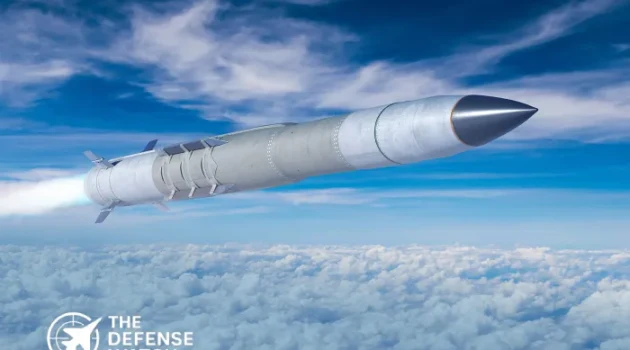
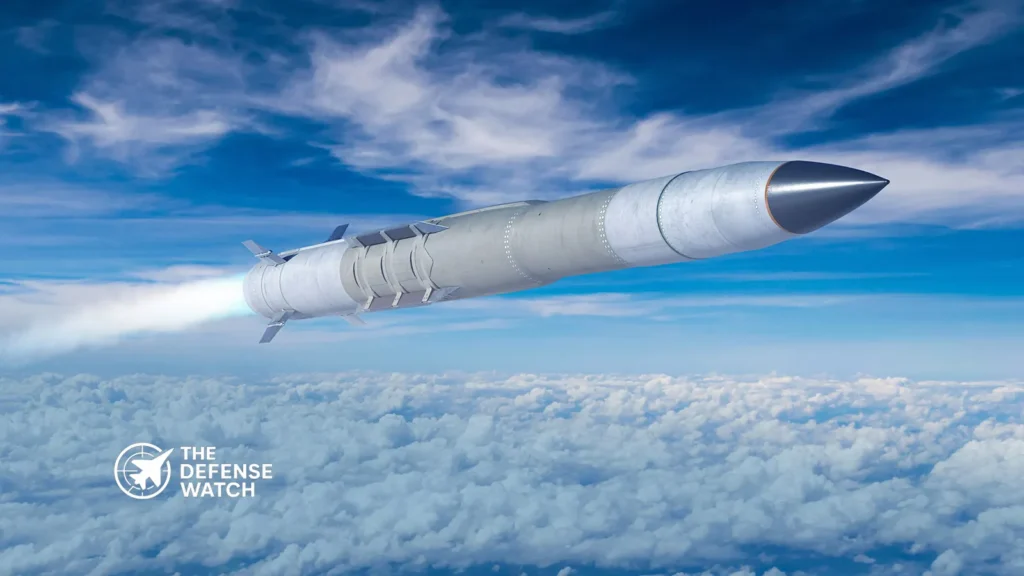
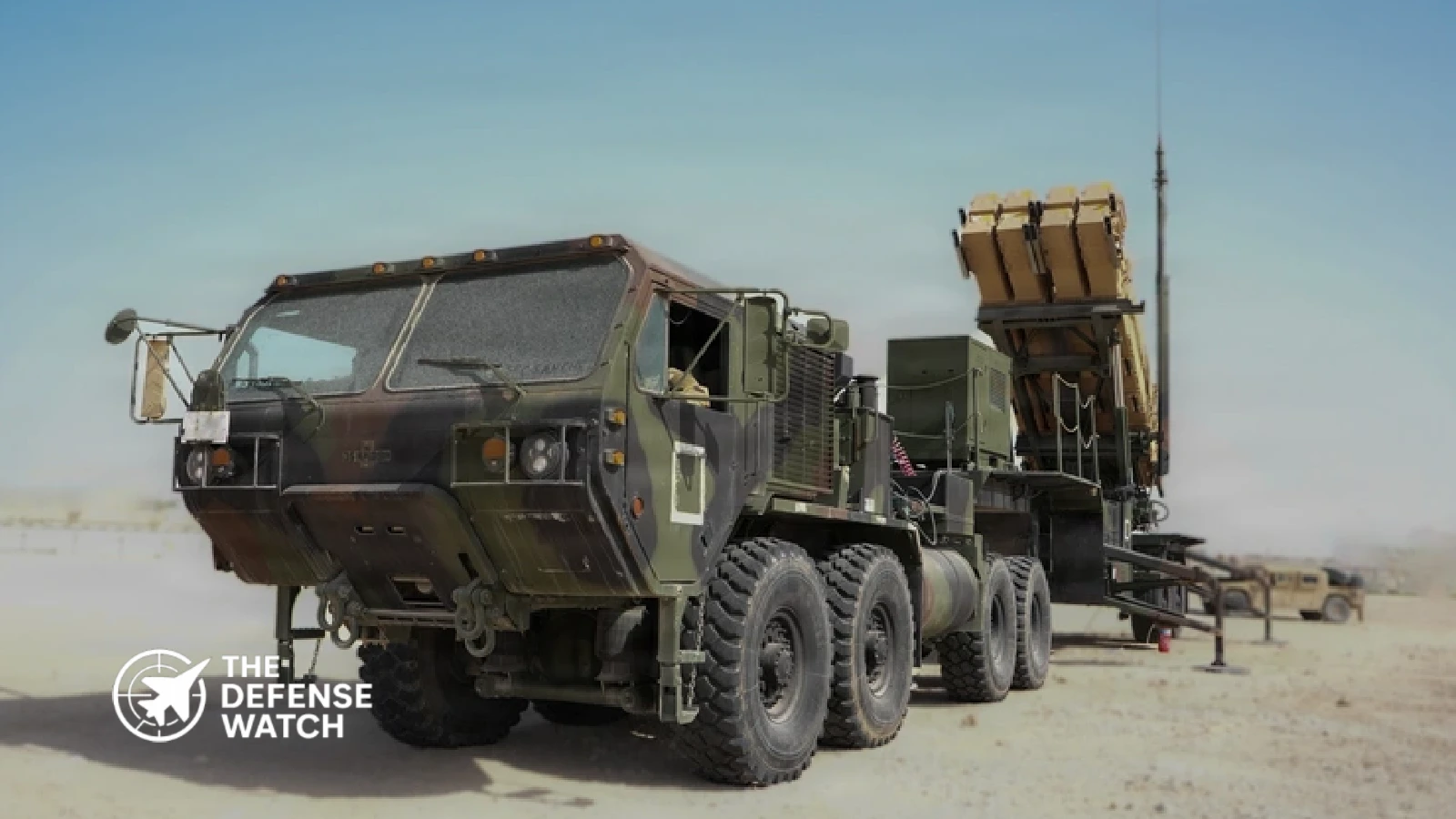
The Patriot system uses several interceptor variants, with the PAC-3 Missile Segment Enhancement, or PAC-3 MSE, serving as a major component of the Army’s ballistic missile defense architecture. The interceptor uses hit-to-kill technology and is designed to engage tactical ballistic missiles as well as other advanced aerial threats.
In January, Lockheed Martin announced a seven-year framework agreement intended to raise PAC-3 MSE annual production capacity from approximately 600 missiles to 2,000. The company said it had delivered 620 PAC-3 MSE interceptors in 2025.
The U.S. Army subsequently awarded Lockheed Martin a $4.7 billion contract action in April to support accelerated PAC-3 MSE production.
In July, the Army expanded the arrangement into a seven-year undefinitized contract action with a ceiling of approximately $58.62 billion, including the earlier one-year award. The Army said the arrangement is intended to provide industry with a predictable production requirement and support investment in manufacturing capacity and suppliers.
Metric Current Public Information Earlier PAC-3 MSE annual capacity About 600 Planned annual capacity About 2,000 Seven-year contract ceiling Up to $58.62 billion PAC-3 MSE deliveries in 2025 620 Estimated U.S. Patriot inventory Below 1,000 in CSIS assessment The production target is significant, but it does not solve an immediate inventory shortage. Manufacturing capacity takes time to expand, and missile production depends on a network of specialized suppliers and components.
Why Replenishment Takes Years
Patriot interceptor production is considerably more complicated than simply increasing assembly-line output.
The missiles contain sophisticated guidance electronics, propulsion systems, control components and other specialized hardware. Expanding output therefore requires additional tooling, qualified workers, supplier capacity and testing infrastructure.
CSIS estimates that critical defense munitions can have manufacturing lead times ranging from roughly 25 to 51 months. The organization has identified PAC-3 MSE production expansion as one of several major U.S. efforts intended to reduce the gap between wartime consumption and industrial replenishment.

Image Source : Lockheedmartin That creates a difficult planning problem for the U.S. military.
A missile fired in combat is immediately removed from inventory, while a replacement produced through an expanded industrial base may not become available for years. A sustained conflict can therefore consume inventory much faster than industry can restore it.
The Global Demand Problem
The Patriot issue is also not confined to the Middle East.
The system is an important element of air and missile defense for U.S. forces and allied militaries in Europe, the Middle East and the Indo-Pacific. Ukraine has also placed significant demand on Patriot interceptors as it defends against Russian ballistic and cruise missile attacks.
That creates a global allocation problem.
Every interceptor transferred to an ally or fired in combat represents a missile that may not be immediately available for another theater. For U.S. planners, the challenge is therefore not simply how many Patriot missiles exist, but how those missiles should be distributed among competing operational requirements.
The problem is especially important for the Indo-Pacific, where U.S. forces must plan for the possibility of large missile salvos in a conflict involving China. European allies also require credible air and missile defenses against Russian missile capabilities.
The Cost Exchange Favors Large Missile Salvos
The Patriot stockpile issue highlights an increasingly important feature of modern warfare: the cost exchange between offensive missiles and defensive interceptors.
A ballistic missile attacker can potentially launch large salvos using relatively inexpensive missiles compared with the cost of sophisticated interceptors. Defenders then face the choice of firing expensive interceptors, accepting a higher risk of leakage, or employing a layered defense that combines different systems.
This is why the United States is increasingly pursuing a broader integrated air and missile defense approach rather than relying exclusively on Patriot.
Patriot can provide a critical terminal defense layer, but it is more sustainable when combined with other sensors, interceptors, electronic warfare capabilities and lower-cost defenses against less sophisticated threats.
The distinction is particularly important when ballistic missiles are mixed with drones and cruise missiles. Using a high-end PAC-3 interceptor against every incoming low-cost drone would create an unfavorable economic exchange and rapidly consume scarce missile stocks.
Implications For U.S. Defense Planning
The current situation reinforces several priorities for U.S. defense planners.
First, production capacity has become a strategic capability in its own right. The ability to manufacture thousands of interceptors annually is increasingly important because high-intensity conflicts can consume inventories at rates that peacetime procurement models were not designed to accommodate.
Second, stockpile requirements need to account for multiple theaters. The United States cannot plan Patriot inventory solely around current Middle East operations while ignoring requirements in Europe, the Indo-Pacific and support for allies.
Third, layered defense is becoming more important. A mix of high-end interceptors, medium-range systems, short-range air defenses, electronic warfare and lower-cost interceptors can reduce the number of situations in which the most expensive missiles must be used.
Finally, the issue reinforces the importance of allied industrial capacity. Expanding production in the United States is central, but allied production, maintenance and local air defense capabilities can reduce pressure on U.S. stocks.
A Replenishment Effort Is Already Underway
The U.S. response is not limited to Patriot.
The Pentagon has been pushing defense companies to expand production of several classes of munitions following concerns about depleted inventories. CSIS has identified expanded production plans for PAC-3 MSE, THAAD and Precision Strike Missile as part of a broader effort to rebuild U.S. weapons inventories.
For Patriot specifically, the move toward 2,000 PAC-3 MSE interceptors annually represents a major increase from the previous production rate. Lockheed Martin has also announced investments intended to expand manufacturing capacity across its U.S. industrial network.
The key question is timing.
Even if the planned production rate is achieved, it will take time to rebuild stocks depleted during sustained combat. The U.S. military must therefore manage current inventories while simultaneously expanding future production.
Bottom Line
The reported launch of 96 to 128 Patriot interceptors against approximately 32 Iranian ballistic missiles should not be treated as an officially confirmed U.S. expenditure figure. It is an open source estimate, and the precise number of missiles fired remains publicly unverified.
The larger issue is less disputed. Independent analysis indicates that U.S. Patriot stocks have fallen substantially during the Iran conflict, while Washington is accelerating PAC-3 MSE production to rebuild capacity.
For the United States, the challenge extends beyond replacing individual missiles. It involves rebuilding sufficient interceptor depth to support simultaneous commitments in the Middle East, Europe and the Indo-Pacific while creating an industrial base capable of sustaining production during a prolonged high-intensity conflict.
The expansion of PAC-3 MSE production to a planned 2,000 interceptors annually is therefore not simply an acquisition program. It is part of a broader effort to restore the magazine depth required for modern integrated air and missile defense.