Lockheed Martin Expands Air Defense Portfolio With New Interceptor Designs
Lockheed Martin is advancing several air and missile defense programs intended to address different parts of the aerial threat spectrum, from short-range threats to ballistic missiles and emerging hypersonic weapons. In a company feature published October 12, 2026, the U.S. defense contractor outlined its plans for the PAC-3 Edge, PAC-3 ACE, QuadStar and other systems within its integrated air and missile defense portfolio.
- Lockheed Martin Expands Air Defense Portfolio With New Interceptor Designs
- PAC-3 Edge targets the Army’s Future Interceptor requirement
- PAC-3 ACE aims to reduce interceptor costs
- Existing systems remain central to layered defense
- QuadStar addresses short-range air defense
- IFPC interceptor is intended to fill another defensive gap
- Production capacity and integration will shape results
The portfolio combines upgrades to established interceptors with new designs intended to improve engagement performance, lower acquisition costs or fill gaps between existing air defense layers. The proposals remain at different stages of development and procurement, and the company’s announcement does not establish that all the systems are operational or have been selected for production.
PAC-3 Edge targets the Army’s Future Interceptor requirement
The most prominent new system is PAC-3 Edge, which Lockheed Martin introduced on October 12 as its entry in the U.S. Army’s Future Interceptor competition.
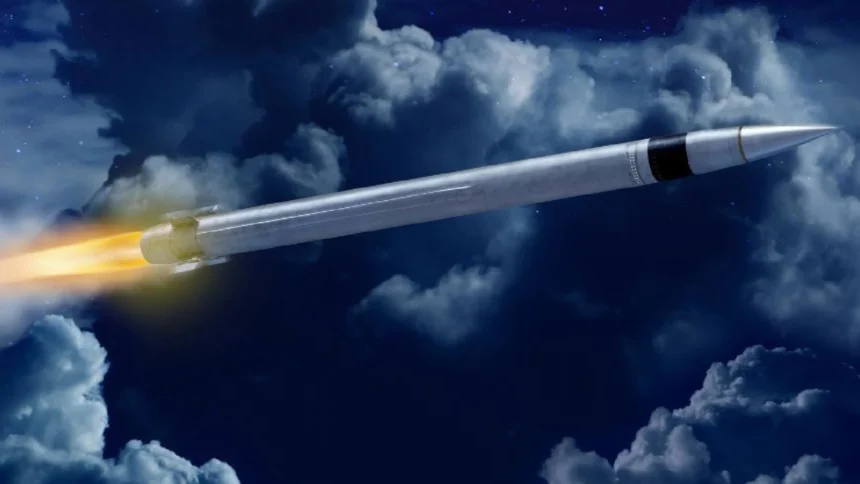
According to the company, PAC-3 Edge builds on the Patriot Advanced Capability-3 Missile Segment Enhancement (PAC-3 MSE), incorporating a redesigned seeker, an advanced propulsion system and upgraded flight controls. The interceptor is intended to engage a range of air and missile threats, including advanced and hypersonic weapons, at greater altitudes and longer ranges than the capabilities it is designed to complement.
Lockheed Martin has identified 2031 as its target for achieving residual operational capability for the Future Interceptor concept. That is a development objective, not confirmation of an operational deployment date.
The competition is important because the Army needs to address evolving missile threats while maintaining its existing air defense network. PAC-3 Edge would complement the PAC-3 MSE and Terminal High Altitude Area Defense (THAAD), rather than immediately replace either system.
The company has not publicly established a final procurement quantity, unit price or complete set of independently verified performance specifications for PAC-3 Edge.
Why a new interceptor matters
An interceptor’s effectiveness depends on more than its maximum range. Its seeker must identify and track the intended target, while propulsion and flight-control systems must provide the energy and maneuverability needed to complete an engagement.
Lockheed Martin says the new seeker’s design and propulsion improvements are intended to extend engagement capability. However, publicly available information does not provide enough independently verified test data to quantify the improvement against specific hypersonic threats.
The program’s progress will therefore depend on testing, Army evaluations, integration with existing command-and-control systems and the outcome of the competitive acquisition process.
PAC-3 ACE aims to reduce interceptor costs
Another element of the company’s strategy is the PAC-3 Adapted Capability Effector, or PAC-3 ACE.
Lockheed Martin describes PAC-3 ACE as a lower-cost interceptor that reuses technologies, components and systems from the PAC-3 MSE. The company says the design is intended to cost less than half as much per unit as PAC-3 MSE. That figure is a manufacturer claim, and a verified procurement price has not been disclosed in the cited material.
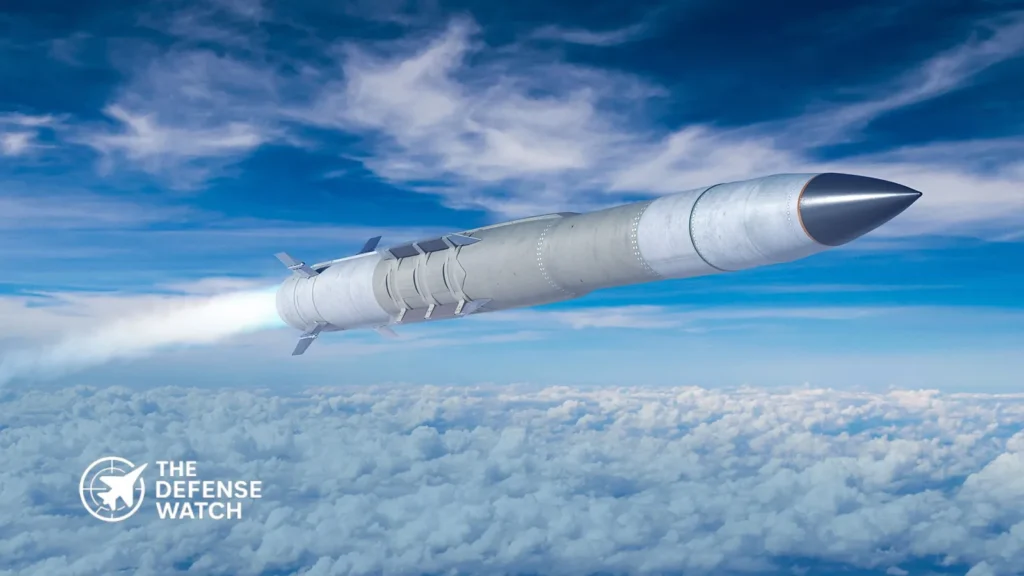
The underlying objective is to make air defense more affordable without requiring every engagement to use the same high-cost interceptor.
Missile defense forces face a difficult resource problem when responding to attacks involving different types of weapons. Expensive interceptors may be necessary for demanding ballistic missile threats, but using them against less challenging targets can consume inventories needed for other engagements.
A lower-cost interceptor could give commanders additional options if its performance, reliability and target compatibility meet operational requirements.
However, lower acquisition cost alone does not establish that PAC-3 ACE will be more economical in service. Testing, production volume, maintenance, integration and the range of threats it can defeat will all affect its eventual value.
Lockheed Martin also describes work to improve interoperability between air defense systems, including efforts involving PAC-3 MSE and THAAD. The extent of the proposed integration and its eventual operational configuration will depend on the relevant development and qualification work.
Existing systems remain central to layered defense
The new interceptor programs are part of a broader architecture that uses different sensors, command networks and weapons to protect against distinct threats.
THAAD is designed to intercept ballistic missiles during their terminal flight phase, including engagements inside and outside the atmosphere. PAC-3 MSE provides another layer, using hit-to-kill technology against selected ballistic and other aerial threats.
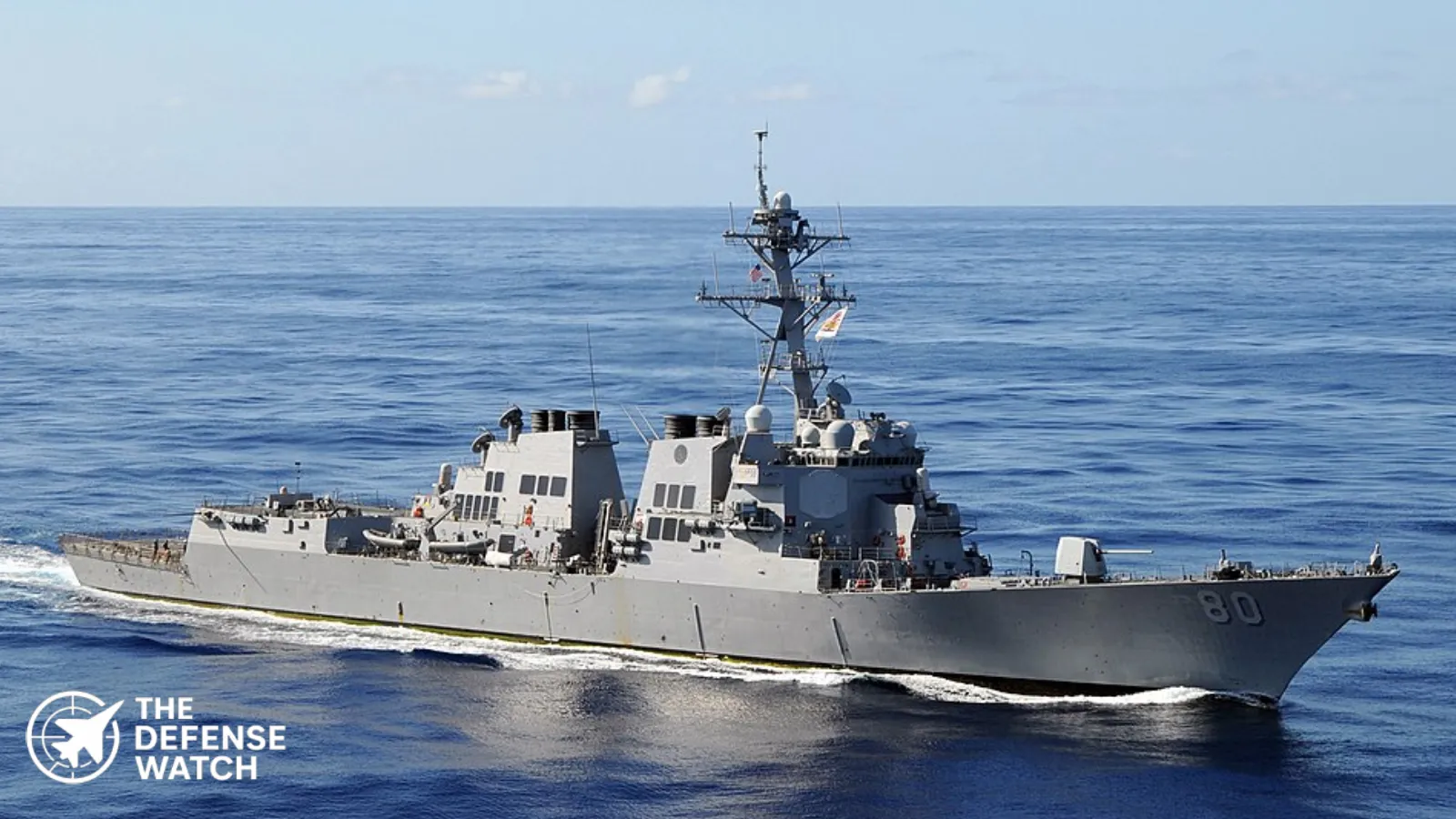
At sea, the Aegis combat system provides integrated air and missile defense capabilities for U.S. and allied naval forces. Connecting these systems with wider sensor and command networks can help commanders build a common picture of incoming threats and coordinate available weapons.
The operational advantage of a layered architecture is that no single interceptor has to address every threat under every condition. The approach instead provides multiple defensive options, although its effectiveness depends on sensor coverage, communications, engagement timelines and sufficient interceptor stocks.
For deployed forces, the ability to integrate new weapons with existing systems can also affect how quickly a new capability enters service. A technically capable interceptor still requires compatible software, command interfaces, training and supporting logistics.
QuadStar addresses short-range air defense
Lockheed Martin is also competing to supply the U.S. Army’s Next Generation Short-Range Interceptor (NGSRI), a program intended to replace the Stinger missile.
The company’s proposed solution, QuadStar, is designed for short-range air defense against existing and emerging aerial threats. Lockheed Martin identifies advanced optical detection technology, a high-speed interceptor and network integration as features of its offering.
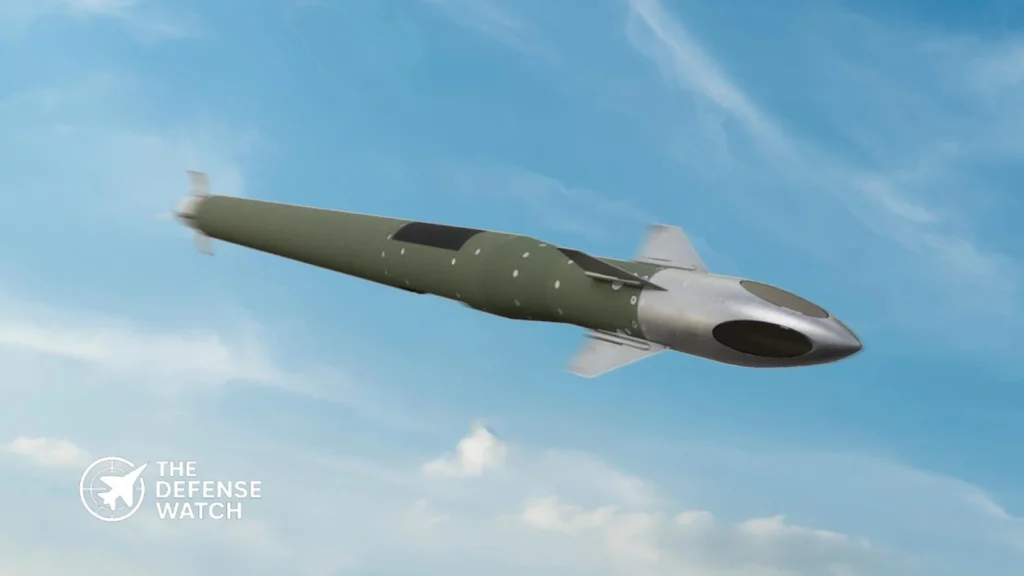
The program addresses a different requirement from PAC-3 Edge. Short-range defenses protect troops and assets against threats that may be detected or engaged at relatively close distances, while larger missile defense systems address other engagement requirements.
Maintaining this lower tier is increasingly important as military forces contend with aircraft, helicopters and unmanned aerial systems operating near defended units. The specific threats a short-range interceptor can defeat will depend on its sensor, guidance, engagement envelope and integration with the wider defense network.
QuadStar remains Lockheed Martin’s proposed solution for the Army competition. The company’s announcement does not establish a final selection, production quantity or fielding schedule.
IFPC interceptor is intended to fill another defensive gap
Lockheed Martin is also working on the Integrated Fires Protection Capability (IFPC) 2nd Interceptor program.
The Army’s IFPC requirement addresses a gap between short-range air defense and the Patriot system. The intended role is to provide another defensive option against threats that may not be best addressed by either of those layers.
Lockheed Martin said the Army awarded it an Other Transaction Authority project agreement in late 2025 to support work on the capability. The October 2026 feature does not disclose a final production contract value or a confirmed fielding date.
The program’s significance lies in the wider architecture. An additional interceptor layer could expand the number of engagement options available to commanders, but its value will depend on the threats assigned to it, its cost and how well it works with the Army’s existing sensors and battle-management systems.
Production capacity and integration will shape results
Developing new interceptors is only part of the challenge. The United States and its allies also need enough missiles, spare parts and trained personnel to sustain air defense operations over time.
Lockheed Martin said a strategic framework agreement with the U.S. government is intended to triple PAC-3 MSE production capacity over seven years. The company also cited a July contract valued at $53.86 billion for increased PAC-3 MSE production. Those figures describe the company’s account of its production expansion and contract, not the cost or quantity of the new PAC-3 Edge interceptor.
The distinction matters because PAC-3 MSE production and Future Interceptor development serve related but separate needs. Existing forces require continued deliveries of fielded weapons while the Army evaluates possible replacements or complementary systems.
The wider defense architecture also increasingly depends on software and command systems that can combine data from multiple sensors and weapons. In an August 26 announcement, Lockheed Martin said it demonstrated an artificial intelligence-enabled battle-management prototype for the Guam Defense System in a simulated operational environment. The company reported that the prototype combined information from multiple air and missile defense systems and generated fire-direction recommendations. This was a prototype demonstration, not proof of a fully deployed operational capability.
That work illustrates why future air defense performance will depend on more than missile design. Faster threat assessment, suitable weapon selection and reliable coordination can help commanders use available interceptors more efficiently, although the results depend on system integration and operational testing.
Lockheed Martin’s latest plans therefore span both near-term production of existing weapons and development of new interceptors. PAC-3 Edge remains subject to the Army’s Future Interceptor competition, PAC-3 ACE is presented as a lower-cost option, QuadStar is the company’s Stinger replacement proposal, and IFPC 2nd Interceptor addresses a separate Army requirement.
Their eventual contribution will be determined by demonstrated performance, procurement decisions, affordability and the ability to deliver systems at the scale required by U.S. and allied forces.