U.S Army First LRIP 2 Sentinel A4 Radar Delivered
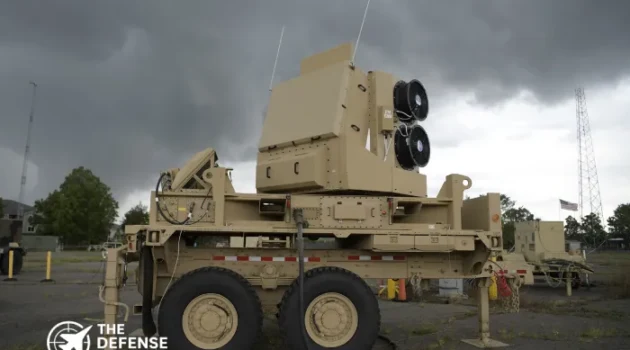
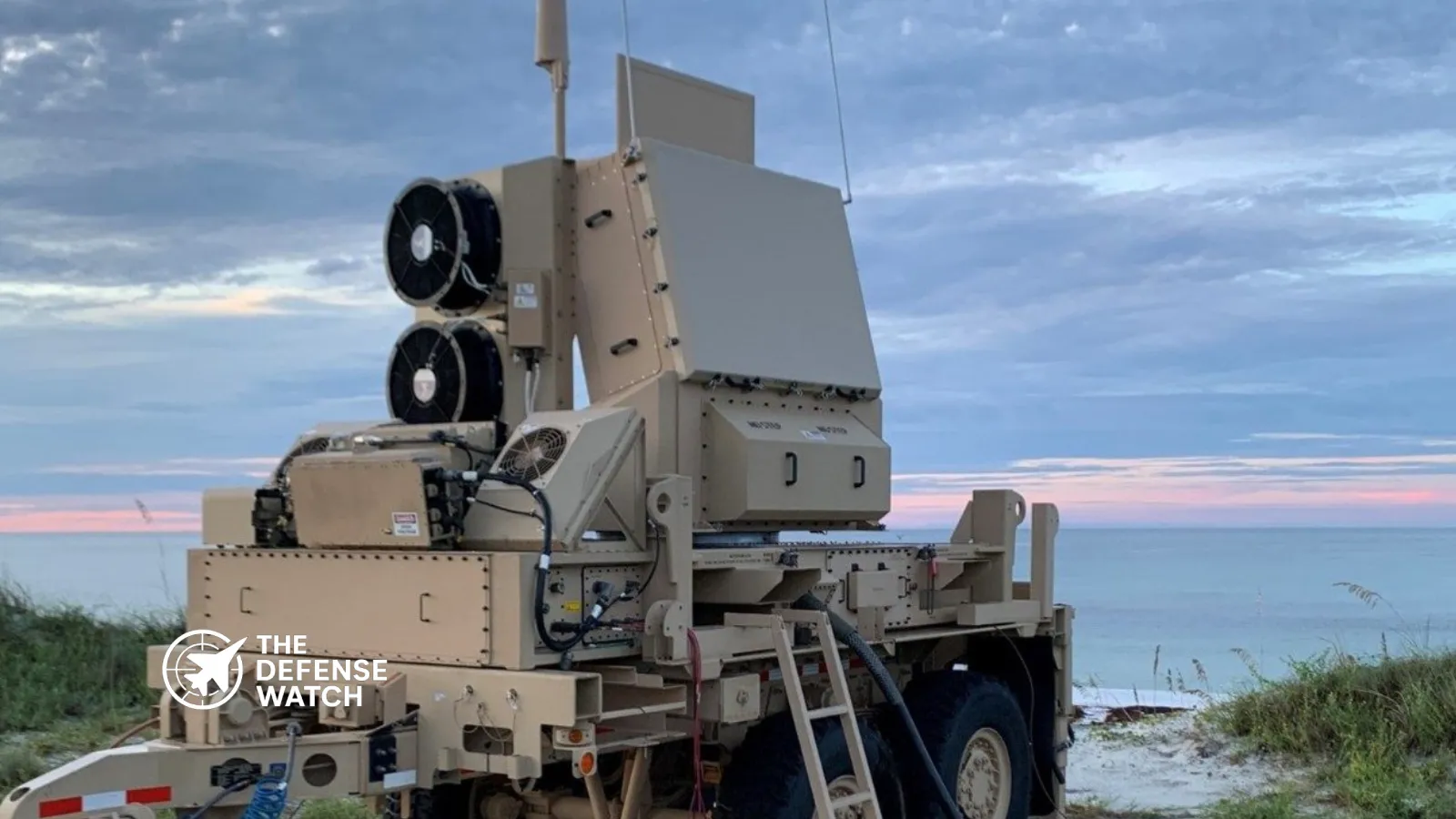
The U.S Army has received the first Sentinel A4 radar system under its Low Rate Initial Production 2 contract with Lockheed Martin, marking a key step in fielding the next-generation air defense radar. The delivery follows completion of the first phase of Initial Operational Test and Evaluation (IOT E) and moves the program closer to full rate production.
New Radar Replaces Sentinel A3
The Sentinel A4 is set to replace the legacy Sentinel A3 radar. The Army and Lockheed Martin say the updated system uses a modern digital active electronically scanned array, improved signal processing, and open architecture to support layered air defense.
The AESA design gives wide 360 degree coverage and improved tracking performance across a range of airborne threats, including cruise missiles, unmanned aerial systems, fixed and rotary wing aircraft, and indirect fire threats such as rockets, artillery, and mortars.
First of 19 Systems in LRIP 2
Lockheed Martin delivered the first of 19 planned LRIP 2 units. The IOT E Phase I process integrated Sentinel A4 with the Army’s Forward Area Air Defense Command and Control network, validating interoperability with existing command and control systems.
This staged delivery approach lets the Army receive early operational systems while continuing tests to refine performance and tactics ahead of a transition to larger scale production.
Designed for Modern Threats
The Sentinel A4 builds on the Army’s broader air and missile defense modernization effort, which includes advanced sensors and networked battle management systems. The radar’s digital architecture supports integration with the Integrated Air and Missile Defense Battle Command System, enabling shared situational data across defense networks.
Lockheed Martin and Army officials emphasize the improved detection range and tracking accuracy over the older A3 model, and the capacity to operate in complex terrain and contested environments.
Path Toward Full Rate Production
Delivery of the LRIP 2 unit and completion of the initial testing phase are milestones on the path toward full rate production. Lockheed Martin has indicated it will ramp up production once testing and operational validation support the Army’s requirements.
Further deliveries under LRIP 2 will support ongoing testing and early fielding to Army units. These will help confirm system performance and support tactics development before the Army moves into larger scale production.
Get real time update about this post category directly on your device, subscribe now.