
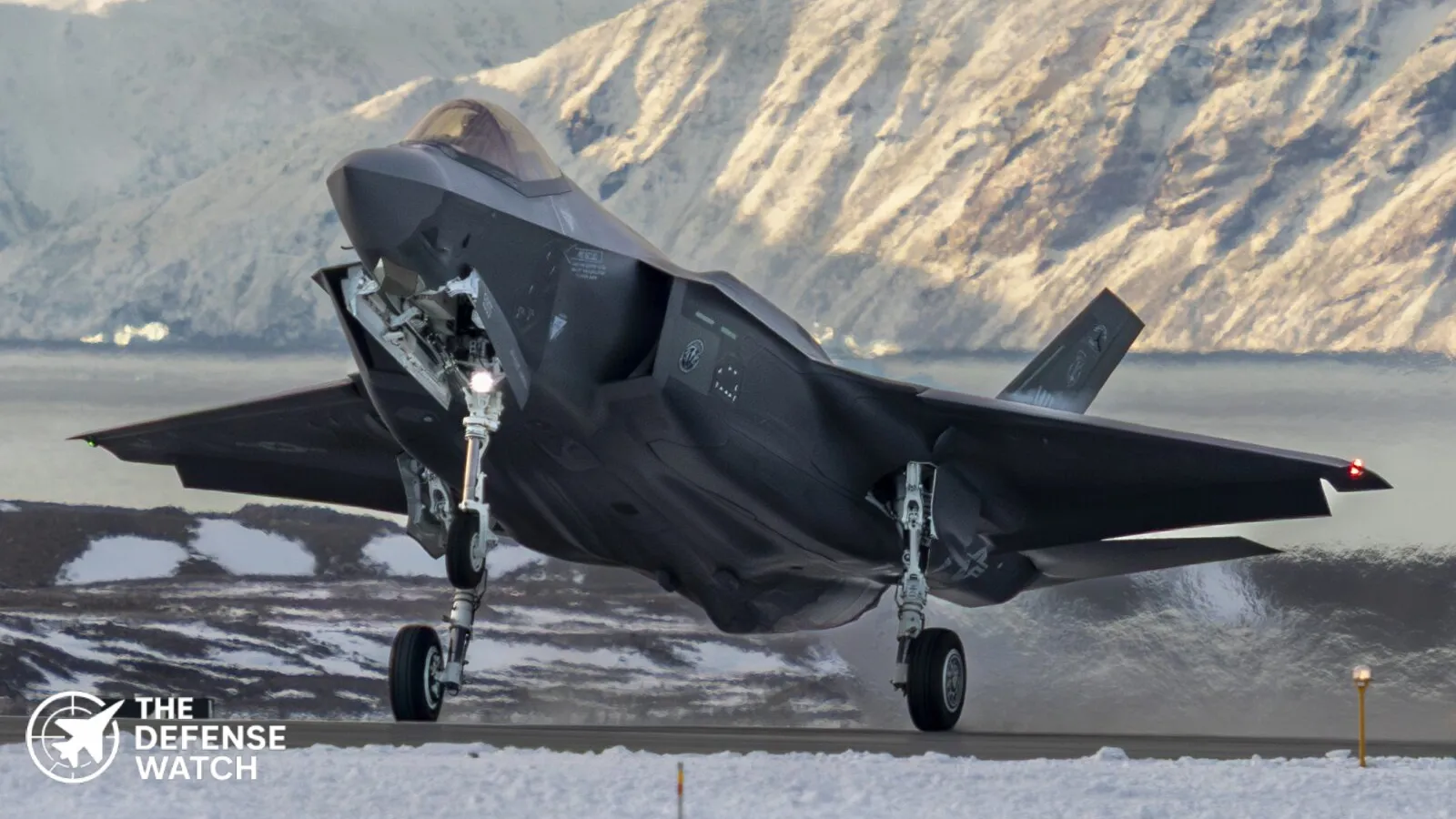
The North American Aerospace Defense Command (NORAD) confirmed on January 19, 2026, the deployment of multiple aircraft to Pituffik Space Base in Greenland. While NORAD maintains the mission is a “routine, long-planned” exercise, the move comes during a period of heightened geopolitical friction regarding the status of the world’s largest island.
Key Takeaways: The January 2026 Deployment
- Official Status: Routine, pre-scheduled activities coordinated with the Kingdom of Denmark.
- Strategic Context: Occurs as the U.S. administration reiterates interest in acquiring Greenland, leading to recent tariff threats against European allies.
- Primary Assets: While specific 2026 aircraft types are undisclosed, previous iterations included F-35 Lightning IIs, F-16s, and KC-135 Stratotankers.
- Base Significance: Pituffik (formerly Thule) is the northernmost U.S. military installation, critical for missile warning and Arctic air defense.
Strategic Shift: Why Pituffik Matters in 2026
Pituffik Space Base serves as the “eyes and ears” of North America’s northern approach. Operated by the U.S. Space Force’s 821st Space Group, the base has seen a surge in investment and strategic reorganization over the past year.
Alignment with U.S. Northern Command (USNORTHCOM)
In 2025, the U.S. Department of Defense shifted the operational responsibility of Greenland from European Command (EUCOM) to Northern Command. This move signals a permanent shift in viewing Greenland not just as a NATO outpost, but as a central pillar of Homeland Defense.
Infrastructure Overhaul
Recent military contracts have initiated massive upgrades to Pituffik’s:
- Runway Lighting: Advanced systems for extreme-weather, 24/7 operations.
- Facility Resilience: Retrofitting aging structures to withstand accelerating Arctic environmental changes.
- Communication Arrays: Enhanced satellite links to support the 41st Air Expeditionary Group.
Routine Exercise vs. Geopolitical Friction
NORAD’s insistence on the “routine” nature of this deployment is likely a diplomatic effort to de-escalate tensions. On the same day as the announcement (January 19), Danish and Greenlandic officials met with NATO Secretary General Mark Rutte in Brussels to discuss Arctic sovereignty.
Expert Insight: “By framing this as a ‘long-planned’ event, NORAD is attempting to maintain operational transparency and avoid misinterpretation by both allies (Denmark) and adversaries (Russia/China) during a volatile diplomatic cycle.”
History of Operations: Operation Noble Defender
The current deployment builds on the success of Operation Noble Defender, a recurring exercise focused on interoperability.
| Feb 2025 | Noble Defender | F-16, CF-18, CC-150 | Testing U.S.-Canadian binational integration. |
| Oct 2025 | Dynamic Ops | F-35, F-16, KC-135 | Rapid deployment in extreme Arctic conditions. |
| Jan 2026 | Routine Deployment | Confidential | Sustained Arctic presence and surveillance. |
FAQ
Pituffik Space Base is the northernmost installation of the U.S. Armed Forces, located 750 miles north of the Arctic Circle in Greenland. It was renamed from Thule Air Base in 2023 to honor the local Greenlandic Inuit heritage.
Under a 1951 defense treaty between the U.S. and Denmark, the U.S. maintains a military presence in Greenland to provide early warning for ballistic missiles and to control the aerospace of the North American Arctic.
NORAD states the deployment was planned over a year in advance and is strictly operational. However, analysts note that the presence of U.S. fighters reinforces the strategic “value” currently being discussed in Washington and Copenhagen.
Final Thoughts for 2026 Arctic Security
The deployment of aircraft to Pituffik is a clear signal that regardless of political rhetoric, the U.S. military footprint in the Arctic is expanding. For North American defense, Greenland remains the most critical “high ground” in the world.
Get real time update about this post category directly on your device, subscribe now.
