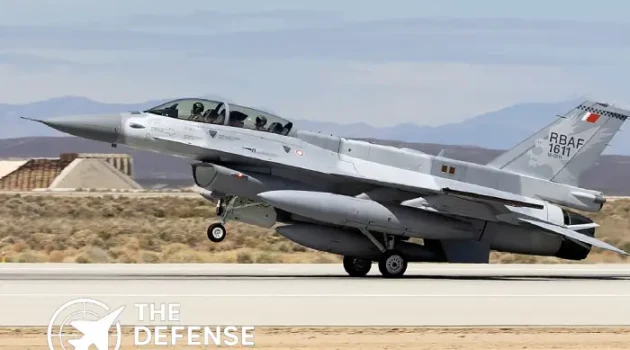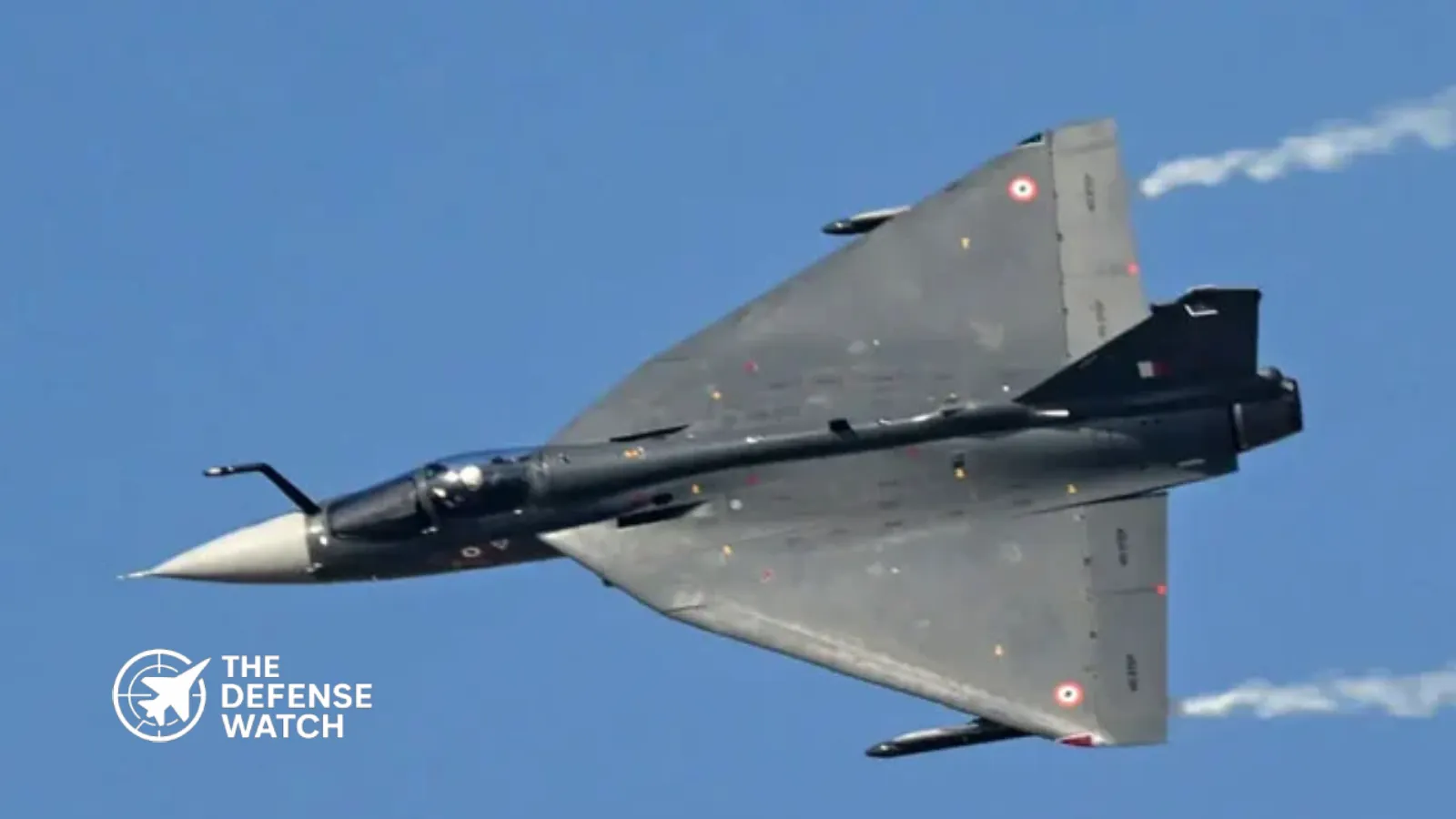
- ► An Indian Air Force Tejas fighter jet crashed during a training landing.
- ► The pilot survived and avoided serious injury.
- ► The aircraft was completely destroyed in the incident.
- ► This marks the third Tejas crash since March 2024.
- ► India has ordered 180 advanced Tejas variants for the Air Force.
Indian Air Force Tejas Crash Highlights Ongoing Safety Scrutiny
The Indian Air Force Tejas crash during a training sortie has once again drawn attention to India’s flagship indigenous fighter program, after the aircraft was destroyed while landing.
According to Indian media reports, the locally manufactured Tejas fighter jet was conducting a routine training flight when the accident occurred during landing. The pilot survived the incident and avoided serious injury, but the aircraft was declared a total loss.
The aircraft was one of 32 Tejas fighters delivered to the Indian Air Force to date. This incident marks the third confirmed Tejas crash since March 2024.
Third Tejas Accident Since 2024
The first crash occurred in Jaisalmer in March 2024. A second incident was reported during the Dubai Airshow the same year. The latest accident now raises fresh questions about fleet reliability and operational maturity as India expands Tejas production.
India’s Ministry of Defence has not yet released a formal technical cause for the latest accident. Standard Indian Air Force procedure in such cases involves convening a Court of Inquiry to determine whether the incident was caused by mechanical failure, human factors, or environmental conditions.
Historically, early production fighter programs worldwide have experienced attrition incidents as fleets transition from limited operational capability to full squadron service. However, repeated accidents in a relatively small fleet can place pressure on training pipelines and maintenance cycles.
Tejas Program and Production Outlook
The Tejas fighter jet is developed by Hindustan Aeronautics Limited and serves as India’s domestically produced light combat aircraft. It was designed to replace aging MiG 21 aircraft in Indian Air Force service.
India has placed an order for 180 advanced Tejas variants, including the improved Mk1A configuration. The Mk1A version is expected to feature enhanced avionics, upgraded radar systems, improved electronic warfare suites, and reduced maintenance requirements compared to earlier variants.
The Tejas program is central to India’s push for defense self reliance under its broader domestic manufacturing policy. Sustained production rates and operational reliability are critical as India seeks to reduce dependence on foreign fighter imports.
Operational Impact on the Indian Air Force
With only 32 aircraft delivered so far, fleet size remains limited relative to the total planned procurement. Each aircraft loss represents a measurable reduction in available operational inventory.
That said, single aircraft losses do not automatically indicate systemic flaws. Accident investigations often reveal isolated technical or procedural causes. Without official findings, it is premature to attribute the crash to design deficiencies.
Still, repeated incidents can affect perceptions among policymakers and defense planners, especially as India negotiates follow on production schedules and capability upgrades.
The Indian Air Force currently operates a diverse fighter inventory that includes Su 30MKI aircraft and Rafale fighters, among others. Tejas is intended to fill the light combat aircraft segment within this broader force structure.
Training and Fleet Expansion Considerations
As India increases Tejas squadron induction, pilot training tempo will rise accordingly. Training phases often carry higher operational risk than standard patrol missions due to repeated takeoffs and landings.
Landing accidents in particular may stem from runway conditions, weather factors, or aircraft systems related to landing gear or flight control. Only the official investigation will clarify the sequence of events in this case.
From a modernization perspective, maintaining confidence in indigenous programs is strategically significant. India’s long term airpower plans depend on the successful scaling of Tejas production before transitioning to next generation platforms such as the planned Advanced Medium Combat Aircraft.
Strategic Context
The Tejas fighter jet represents more than a tactical aircraft. It is a test case for India’s ability to design, certify, produce, and sustain advanced combat aircraft domestically.
Internationally, emerging aerospace programs frequently face early stage technical hurdles. The key metric is whether corrective measures are rapidly implemented and whether fleet reliability improves over time.
For India, the upcoming delivery of 180 advanced Tejas variants will serve as a critical benchmark. Production consistency, supply chain stability, and flight safety performance will shape long term program credibility.
At this stage, the confirmed facts remain limited. The pilot survived. The aircraft was destroyed. An inquiry is expected.
Further official updates from the Indian Air Force will determine whether the latest Tejas crash reflects an isolated training mishap or points to broader operational considerations.
Get real time update about this post category directly on your device, subscribe now.