
- ► France, Germany and the UK urged Iran to resume negotiations amid rising regional tensions.
- ► Appeal follows active military exchanges involving Iran, the United States and Israel.
- ► Iranian ballistic missiles and drones triggered air defense responses across Gulf states.
- ► European powers warned that continued escalation risks wider regional instability.
- ► Diplomatic efforts aim to prevent broader conflict across the Middle East.
Iran Negotiations Amid Escalating Regional War
France Germany and the United Kingdom urged Iran on February 28 to return to diplomatic talks and seek a negotiated solution to the spiraling conflict with the United States and Israel. The appeal came as military actions between Tehran and Western allied forces intensified across the Middle East.
Western officials framed their call for negotiations as critical to preventing wider instability. The intervention of France Germany and the UK underscores concerns over the rapid escalation of hostilities that began with joint strikes by Israeli and US forces on Iranian territory.
Shortly after those strikes, Iran responded with a broad set of ballistic missile and drone attacks on military bases and allied infrastructure in the region. Iranian statements asserted the right to self-defense under international law.
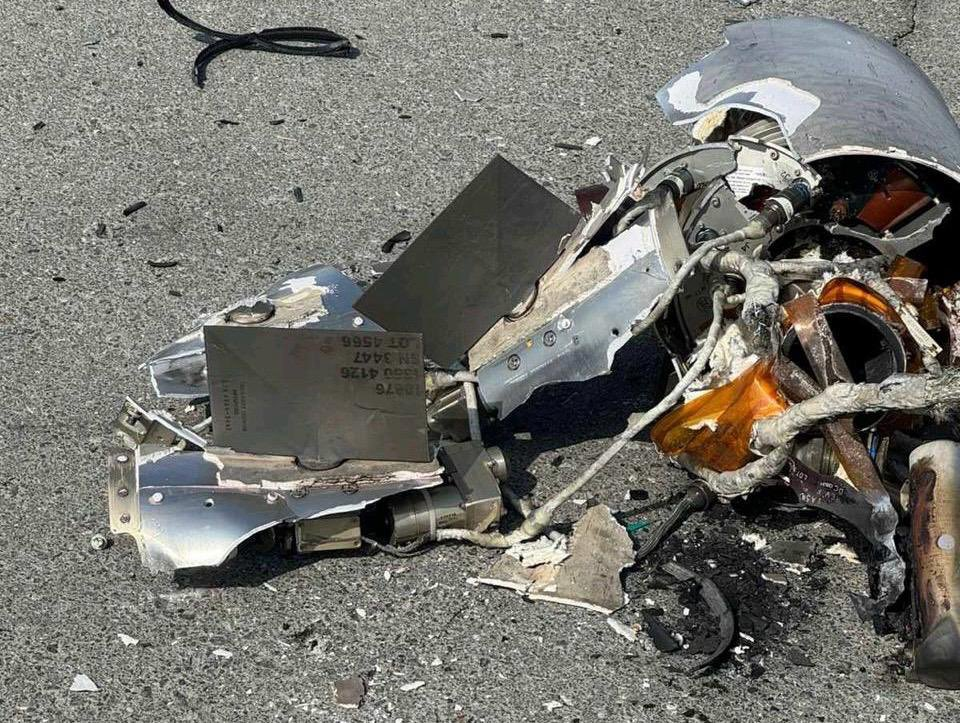
Iranian missile launches caused air defense alerts and interceptions in multiple Gulf states, including the United Arab Emirates, Bahrain, Qatar and Kuwait. United Arab Emirates authorities reported one fatality in Abu Dhabi linked to debris from intercepted missiles.
Diplomatic Pressure From Europe
The public call from France Germany and the UK highlighted efforts by Western European powers to revive some form of dialogue. Diplomats emphasized that military escalation threatens regional security, global energy markets and broader international stability.
Officials from the three countries emphasised that a negotiated outcome would reduce the risk of miscalculation and wider confrontation. Their joint statement appeared against the backdrop of stalled talks earlier in the year aimed at limiting Iran’s nuclear program and curbing regional military tensions.
European foreign ministries positioned diplomacy as the only viable path forward, even as battlefield conditions deteriorated across the Middle East.
Military Escalation Dynamics
The recent military exchanges represent a significant escalation in tensions that have been building for years over Iran’s nuclear ambitions, ballistic missile programs, and support for regional militia groups opposing Israel and US allies.
U.S. and Israeli air assets conducted coordinated strikes on Iranian military and nuclear infrastructure early on February 28. Iranian armed forces followed with widespread missile and drone barrages aimed at U.S. bases and allied facilities in the Gulf region.
Ballistic missiles launched by Iran posed significant risks to U.S. bases in Bahrain Qatar Kuwait and other host nations, prompting defensive operations across multiple countries.
Regional and Strategic Implications
The clash has prompted diplomatic reactions beyond Europe. Russia condemned the U.S. and Israeli strikes as unprovoked acts of aggression and offered support to Tehran.
Gulf Cooperation Council members activated air defenses and condemned attacks that violated national sovereignty. The conflict has triggered disruptions in civil aviation and heightened alert statuses in capitals throughout the region.
Outlook
The push by France Germany and the UK for resumed negotiations reflects growing concern that continued military escalation could draw in external powers and destabilize key strategic corridors. Whether diplomatic channels can offset the ongoing kinetic clashes between Iran and U.S. Israel forces remains a central question for policymakers in Washington London and European capitals.
Get real time update about this post category directly on your device, subscribe now.
