US Air Force Expands B-21 Raider Production by 25%
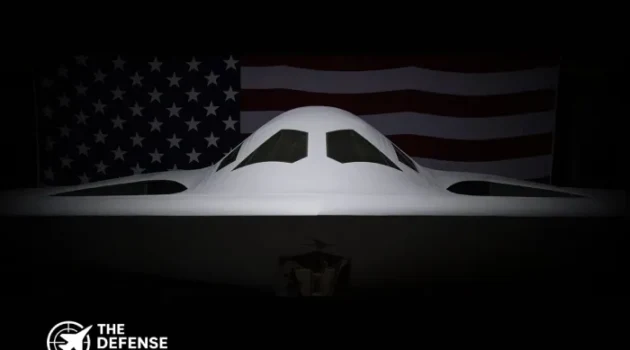
The US Air Force and Northrop Grumman are expanding manufacturing capacity for the B-21 Raider stealth bomber, adding factory infrastructure intended to support faster aircraft production as the program approaches its first operational deployment.
The latest step is the construction of a new final assembly line at Air Force Plant 42 in Palmdale, California. According to Defence Industry Europe, the groundbreaking took place on September 29, 2026, with the project forming part of a broader expansion that includes more than 1 million square feet of facilities.
The work builds on an agreement announced by the Department of the Air Force on February 23, 2026, to increase annual B-21 production capacity by 25 percent. The agreement uses $4.5 billion in funding authorized and appropriated under fiscal year 2025 reconciliation legislation to accelerate the approved acquisition profile.
The expansion is intended to shorten delivery timelines. However, a 25 percent increase in production capacity does not necessarily mean that aircraft deliveries will immediately rise by the same proportion. Actual output will depend on manufacturing progress, supplier performance, workforce availability, testing and the Air Force’s acquisition schedule.
A new assembly line supports the production ramp
Plant 42 is a key manufacturing location for the B-21, which Northrop Grumman is developing and producing under contract to the US Air Force. The new assembly infrastructure is intended to give the program additional room to increase output without relying solely on the existing production footprint.
The reported facility expansion exceeds 1 million square feet. That figure describes the scale of the infrastructure effort, not the number of aircraft the factory can produce annually. The Air Force and Northrop Grumman have not publicly established a specific new annual delivery rate in the cited announcement.
Manufacturing capacity is especially important for an aircraft as complex as the B-21. Its low-observable structure, integrated mission systems and advanced manufacturing requirements demand coordination across final assembly, component production, engineering, quality assurance and testing.
Expanding factory space can help remove physical constraints on production, but facilities alone do not guarantee a faster delivery schedule. Specialized components, skilled labor, production quality and the successful completion of flight testing must also keep pace.
Northrop Grumman has previously said it invested more than $5 billion in digital engineering and manufacturing infrastructure for the program. The company has presented these investments as part of its effort to prepare for higher production volumes, although that company-reported figure should not be confused with the separate $4.5 billion in federal funding associated with the Air Force’s production acceleration agreement.
Why the 25% increase matters
The B-21 program is intended to modernize the US bomber fleet while preserving the ability to conduct long-range conventional and nuclear missions against heavily defended targets.
The Air Force plans to acquire at least 100 Raiders. The aircraft is expected to replace the B-1B Lancer and B-2 Spirit progressively, although the timing of individual retirements will depend on future force-structure decisions and the pace of B-21 fielding. The service identified the minimum 100-aircraft objective in its September 2024 program update.
Increasing production capacity could help the Air Force introduce the new bomber fleet sooner than under the previous production plan. A larger and more readily available fleet would give commanders additional options for long-range strike missions and nuclear deterrence.
The B-21 is designed to carry both conventional and nuclear weapons. Its low-observable design and modern mission systems are intended to help it operate in environments where advanced air defenses make conventional aircraft operations more difficult. The aircraft’s actual effectiveness against future threats will depend on its tested capabilities, mission planning, supporting systems and the defenses it encounters.
Production acceleration also has implications for the defense industrial base. The program depends on a distributed network of suppliers, specialized manufacturing processes and skilled workers. Increasing output at the final assembly stage requires those supporting elements to deliver components and systems at a compatible pace.
The Air Force’s decision to commit additional funding to production capacity suggests that manufacturing throughput is a priority alongside technical development. However, the available public information does not establish how much earlier the expanded facilities will bring individual aircraft deliveries forward.
Flight testing remains a critical milestone
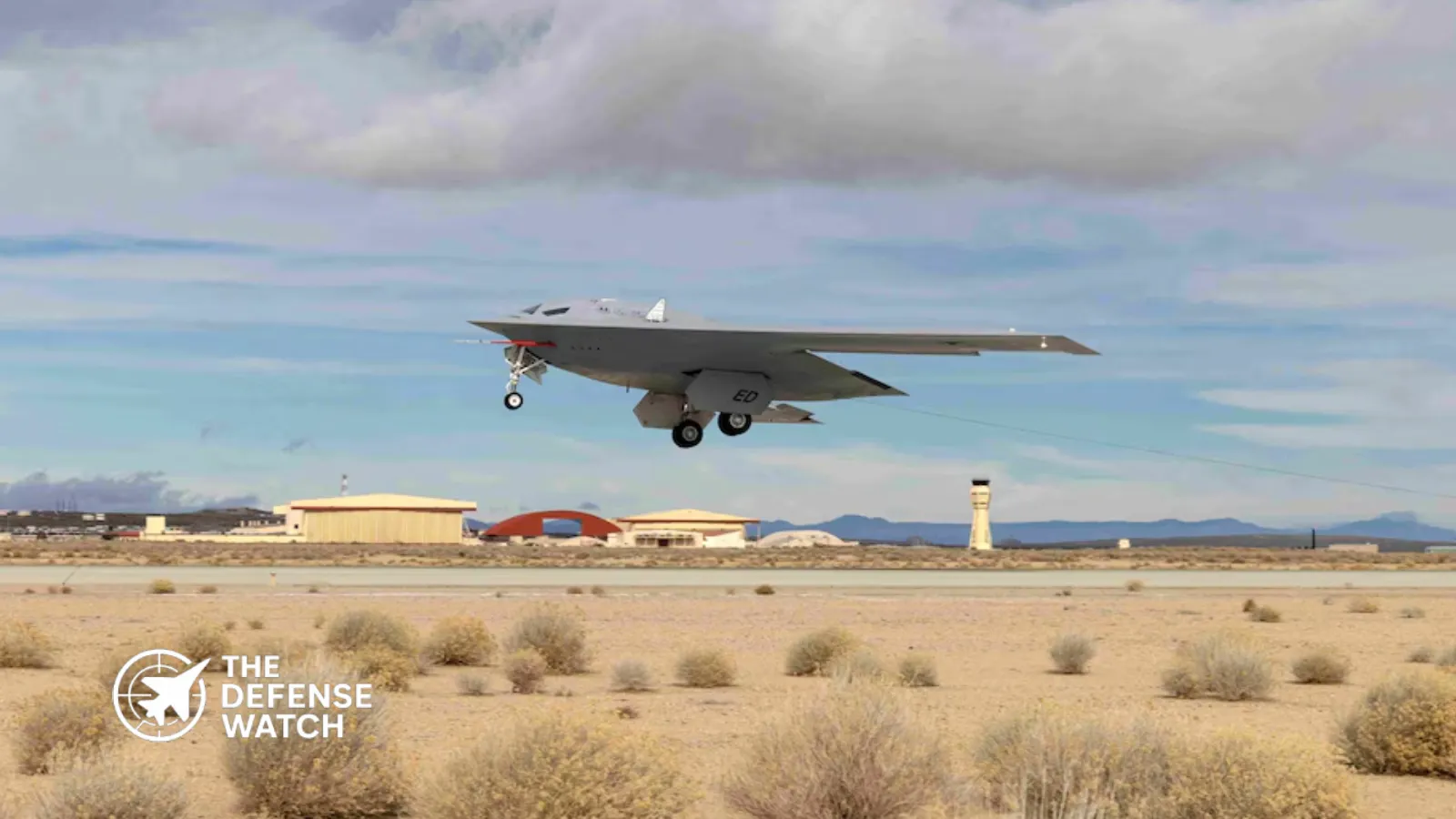
Factory expansion is proceeding while the B-21 continues through flight testing. The Air Force announced in September 2025 that a second test aircraft had arrived at Edwards Air Force Base in California, expanding the program’s ability to conduct flight evaluations and mission-systems integration work.
Testing must establish that the aircraft performs as intended before the service can fully transition to operational use. The process includes evaluating flight characteristics, aircraft systems and mission capabilities. Production growth and test progress are related, but they are separate measures of program readiness.
The Air Force has maintained its expectation that B-21 aircraft will arrive at Ellsworth Air Force Base in South Dakota in 2027. Ellsworth is designated as the first main operating base and will also host the formal training unit.
That timeline makes the next phase of manufacturing and testing important. Additional factory capacity may help support a faster production schedule, but it does not by itself establish when the aircraft will achieve initial operational capability or how quickly the Air Force will build a deployable fleet.
Production capacity is not the same as delivered aircraft
The distinction between production capacity and actual output is central to understanding the announcement.
A 25 percent capacity increase means the program is preparing to support a higher annual production rate than under its previous plan. It does not necessarily mean that 25 percent more bombers will be delivered immediately, nor does it establish a new delivery schedule for every aircraft.
Several factors will determine the result, including the completion of new facilities, supplier readiness, workforce growth, manufacturing quality and progress through flight testing. The public announcements reviewed for this report do not provide a revised annual delivery target or a detailed schedule quantifying the acceleration.
The $4.5 billion funding allocation is intended to support the production expansion. It should not be interpreted as the total cost of the B-21 program or as a disclosed price for the new assembly line alone.
For the Air Force, the practical measure of success will be whether the expanded industrial capacity translates into earlier deliveries while maintaining aircraft quality, program affordability and the required operational capabilities.
The Palmdale expansion is a concrete step toward that objective. Its ultimate effect on the bomber’s fielding schedule will become clearer as construction progresses, production rates are established and the flight-test program advances.
Get real time update about this post category directly on your device, subscribe now.