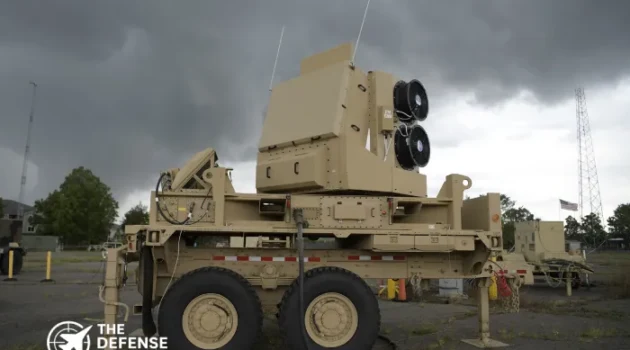
Lockheed Martin has delivered the first Sentinel A4 radar from the second Low-Rate Initial Production (LRIP 2) batch to the U.S. Army, advancing the program closer to full-rate production of the next-generation air defense sensor.
What Was Delivered and Why It Matters
The U.S. Army received the first of 19 Sentinel A4 radars built under LRIP 2 on February 2, 2026. This delivery follows the company’s earlier production deliveries and completes the first phase of Initial Operational Test and Evaluation (IOT&E).
Army and industry officials describe the milestone as critical in fielding a modern, 360-degree active electronically scanned array (AESA) radar designed to detect and track a wide range of aerial threats. These include unmanned aerial systems (UAS), cruise missiles, helicopters and fixed-wing aircraft.
The Sentinel A4 is expected to replace the legacy Sentinel A3 radar and integrate with existing Army command and control networks such as Forward Area Air Defense Command and Control (FAAD-C2). This integration aims to improve layered air defense situational awareness across units.
Program Background and Capabilities
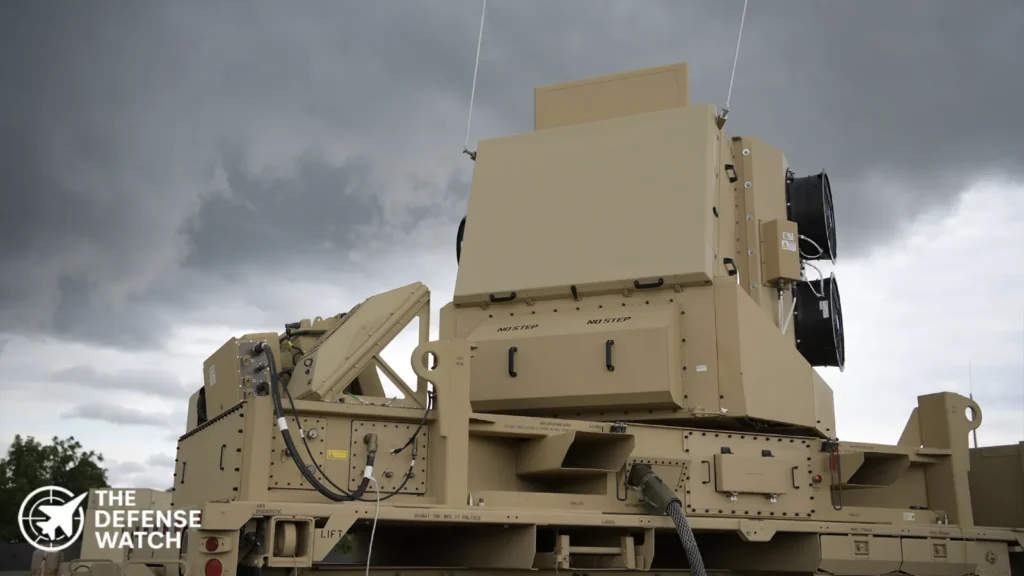
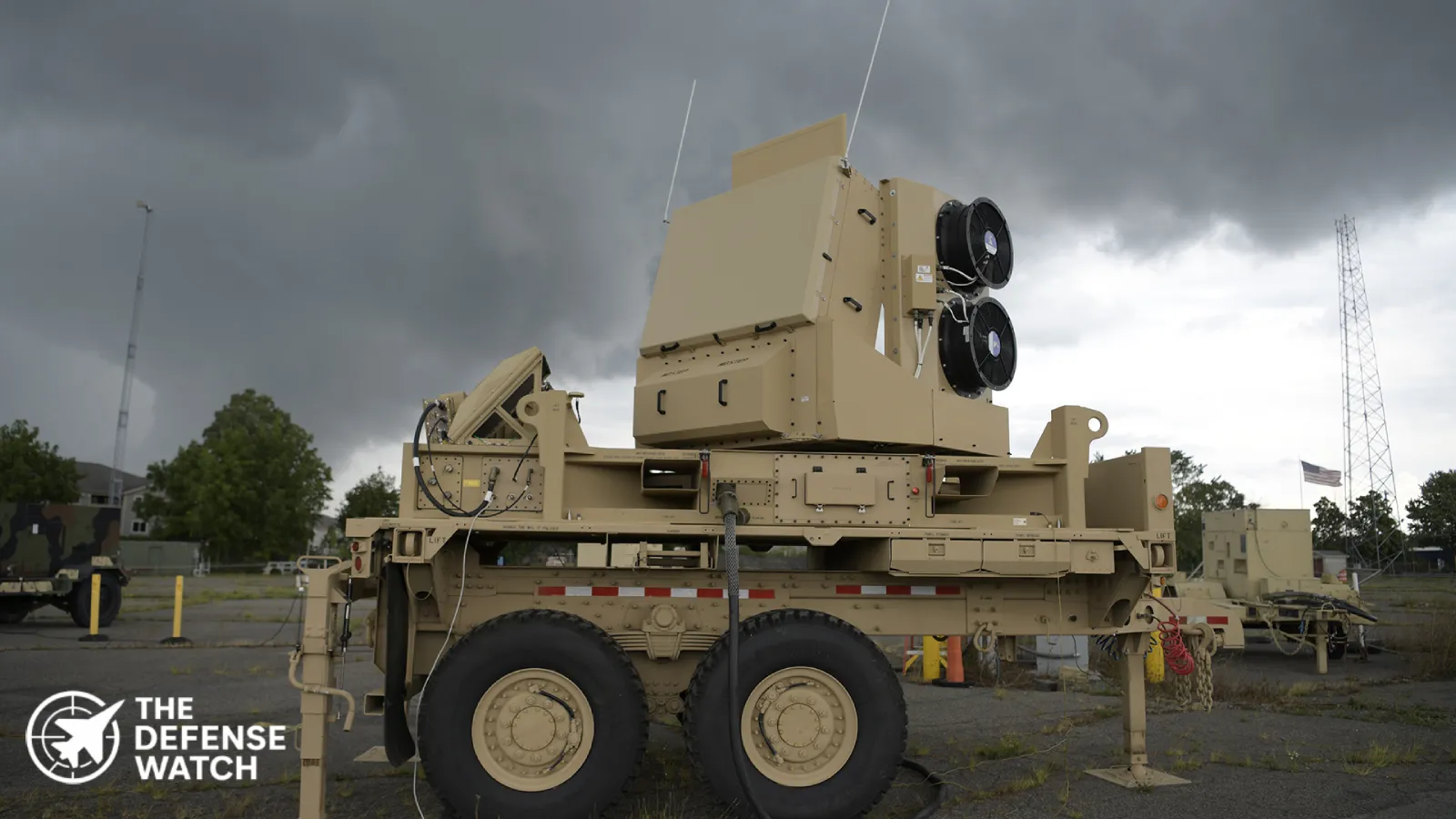
The Sentinel A4 radar (designated AN/MPQ-64A4) is a next-generation ground-based sensor developed by Lockheed Martin for the U.S. Army’s air and missile defense architecture. It employs a digital AESA design, offering greater range and sensitivity than the preceding A3 variant.

Image Source : lockheedmartin According to Lockheed Martin materials, Sentinel A4 delivers full 360-degree coverage with high-resolution tracking and can operate in complex environments. It is designed to detect and classify threats such as UAS, cruise missiles, rotary wing aircraft, artillery, rockets and mortars.
The radar’s open architecture enables interoperability with existing and future command and control networks, helping commanders make rapid decisions in contested environments.
Testing and Integration Work
During the first phase of IOT&E, Sentinel A4 was integrated with FAAD-C2 systems to validate its interoperability and performance in realistic operational scenarios. Continued testing will support refinement of tactics and readiness for broader deployment.
Further deliveries from LRIP 2 will continue through Army fielding plans and are expected to support additional testing and operator familiarization ahead of a full-rate production decision later in 2026.
Broader Army Air Defense Context
The Sentinel A4 program is part of the Army’s wider air and missile defense modernization effort, which includes integration with the Integrated Air and Missile Defense Battle Command System (IBCS) and other sensors and effectors.
Recent reports indicate planned deployments of Sentinel A4 radars to defend critical infrastructure, including in the National Capital Region, highlighting the system’s role in homeland air defense.
What Comes Next
As the Army moves through LRIP deliveries and operational testing, the focus will be on data collection, performance validation and preparing units for fielding. Industry and service officials aim for a full-rate production decision later this year as part of the radar’s transition from test units to operational capability.
Get real time update about this post category directly on your device, subscribe now.