Denmark Deploys F-35 Lightning II To NATO Arctic Sentry
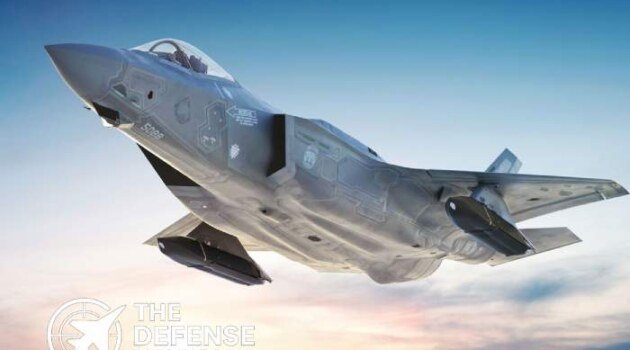
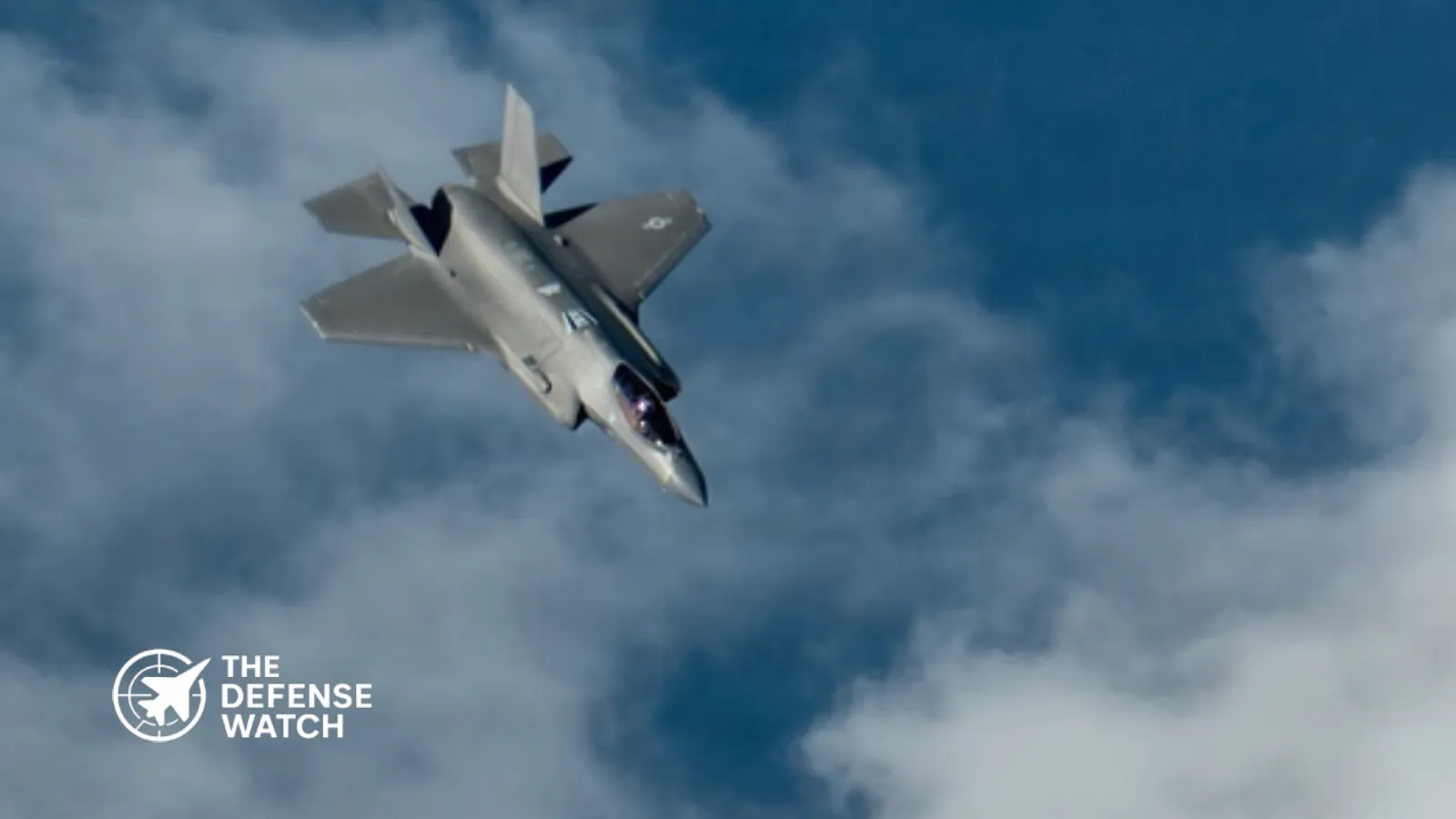
Denmark has deployed its F-35 Lightning II fighters as its first national contribution to NATO Arctic Sentry, marking a significant step in strengthening Allied air defense and surveillance operations in the High North.
The deployment, confirmed by the Danish Ministry of Defence and reported by Defence Industry Europe, places Royal Danish Air Force fifth-generation aircraft into a coordinated NATO activity focused on deterrence and situational awareness across the Arctic region.
The move comes as NATO increases attention on the Alliance’s northern flank amid rising strategic competition in the Arctic.
First Danish F-35 Contribution To Arctic Operations
This marks the first time Denmark has committed its F-35 Lightning II fleet to a NATO Arctic Sentry mission. The aircraft are operated by the Royal Danish Air Force and are gradually replacing Denmark’s aging F-16 Fighting Falcon fleet.
Denmark selected the F-35A variant in 2016, joining a growing group of NATO nations operating the platform. According to the Danish Ministry of Defence, the F-35 provides enhanced sensor fusion, stealth characteristics, and networked capabilities designed to operate effectively in contested environments.
By deploying the F-35 Lightning II to Arctic Sentry, Denmark signals that its transition to fifth-generation airpower is entering an operational phase within NATO structures.
NATO Arctic Sentry: Reinforcing The High North
NATO Arctic Sentry is an Allied activity focused on air domain awareness, interoperability, and coordinated operations across the Arctic and North Atlantic regions. The initiative supports NATO’s broader deterrence and defense posture, particularly following Finland and Sweden’s accession to NATO, which has reshaped the Alliance’s northern geography.
The Arctic has gained strategic importance due to emerging sea routes, natural resources, and increased military activity. NATO has emphasized that Arctic Sentry is defensive in nature and designed to enhance surveillance and readiness.
By contributing F-35 Lightning II fighters, Denmark adds advanced ISR capabilities and secure data sharing to the mission. The aircraft’s sensors allow pilots to collect and distribute real-time information across NATO networks, strengthening joint operational awareness.
Strategic Importance For Denmark
Denmark occupies a unique position in the Arctic due to the Kingdom’s sovereignty over Greenland and the Faroe Islands. The Arctic is therefore not only a NATO priority but also a core national security interest for Copenhagen.
The deployment of the F-35 Lightning II aligns with Denmark’s broader defense modernization plans and its increased defense spending commitments under NATO guidelines.
Danish defense officials have emphasized that contributing advanced air assets supports collective security and demonstrates burden sharing within the Alliance.
Integration With Allied Air Forces
The F-35 Lightning II is operated by multiple NATO members, including the United States, the United Kingdom, Norway, the Netherlands, Italy, and others. Its standardized data links and mission systems enable seamless interoperability during joint operations.
During Arctic Sentry, Danish F-35s operate alongside other Allied aircraft, enhancing joint training and operational coordination in cold-weather conditions. Arctic environments present unique challenges, including extreme temperatures, remote basing, and limited infrastructure.
Fifth-generation platforms like the F-35 are designed to operate in complex and contested environments. Their ability to fuse radar, infrared, and electronic intelligence data provides NATO commanders with a clearer operational picture.
Broader Arctic Security Context
The Arctic region has seen heightened geopolitical attention in recent years. Russia maintains significant military infrastructure in the High North, while NATO nations have increased exercises and patrols.
Denmark’s F-35 Lightning II deployment under Arctic Sentry reflects a broader trend among NATO members to strengthen air policing and surveillance capabilities in northern latitudes.
NATO has repeatedly stated that its activities are defensive and aimed at maintaining stability and predictability in the region.
Outlook
As Denmark continues to receive and integrate additional F-35 aircraft into its force structure, further participation in NATO missions is expected. The current deployment signals operational confidence in the platform and reinforces Denmark’s role in Allied Arctic security.
The F-35 Lightning II’s integration into Arctic Sentry also underscores NATO’s emphasis on advanced, networked capabilities in safeguarding its northern approaches.
Get real time update about this post category directly on your device, subscribe now.