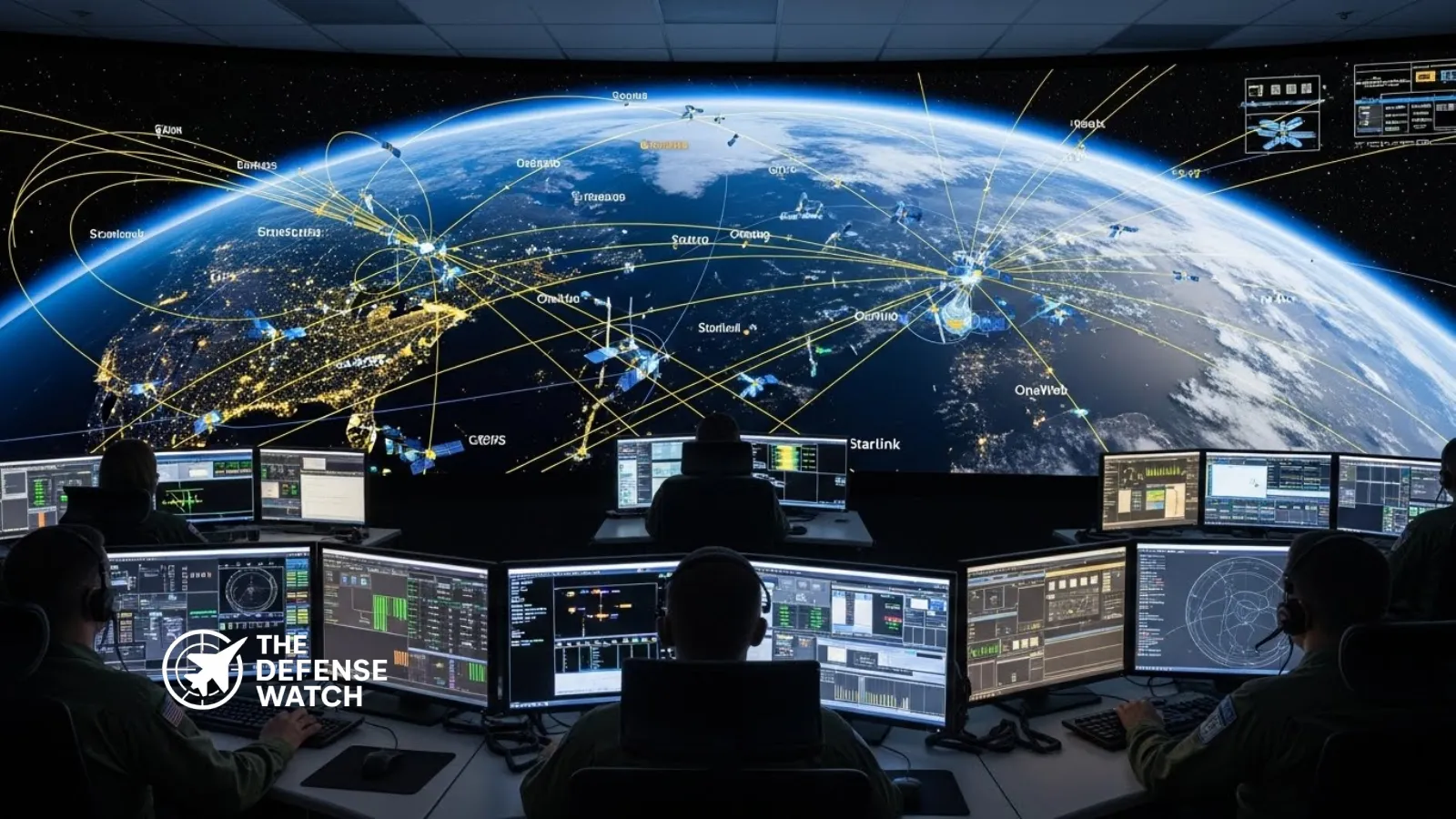
Militarization of Space Enters a New Phase
The militarization of space has moved from theory to reality. What was once a largely peaceful domain used for communication, navigation, and scientific research is now a contested arena tied directly to military power and national security. The United States, China, Russia, and several other nations are investing heavily in military space capabilities, ranging from surveillance satellites to counterspace weapons designed to disable or disrupt adversary systems.
- Militarization of Space Enters a New Phase
- From Cold War Competition to Orbital Rivalry
- Why Space Matters to Modern Militaries
- Counterspace Weapons and Capabilities
- The Rise of Space Forces and Military Commands
- Commercial Space and Dual-Use Challenges
- Arms Control and the Limits of Existing Treaties
- Strategic Stability and Escalation Risks
- U.S. Strategy and Allied Perspectives
- Analysis: Space as the Backbone of Military Power
- Looking Ahead
- FAQs
Space assets already play a critical role in modern warfare. Satellites enable precision strikes, secure communications, missile warning, intelligence gathering, and global navigation. As reliance on these systems grows, so does the incentive to protect them and, if necessary, deny them to an opponent. This shift has placed the militarization of space at the center of defense planning and strategic competition.
The result is a new battlefield that sits hundreds of kilometers above Earth, largely invisible to the public, but deeply connected to events on the ground.
From Cold War Competition to Orbital Rivalry
Space has had military relevance since the Cold War. The first satellites were closely linked to ballistic missile development and reconnaissance missions. Both Washington and Moscow used space systems to verify arms control agreements and monitor troop movements. Despite the rivalry, there was an informal understanding that space should not become an active combat zone.
That restraint is now eroding. Technological advances have lowered barriers to entry, while geopolitical tensions have increased the value of space-based intelligence and communications. Anti-satellite weapons, once rare and symbolic, are now part of several countries’ military toolkits.
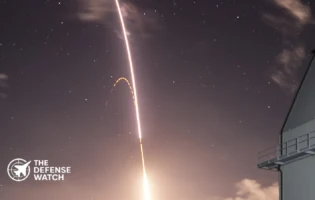
China conducted a destructive anti-satellite test in 2007 that created thousands of pieces of orbital debris. Russia followed with its own test in 2021. The United States has tested missile defense interceptors with potential anti-satellite applications, though it has since pledged to limit debris-producing tests. These events highlight how militarization of space has shifted from passive support to active competition.
Why Space Matters to Modern Militaries
Space systems underpin nearly every major military operation. GPS enables precision-guided munitions and troop movement. Early warning satellites detect missile launches within seconds. Intelligence satellites provide near real-time imagery and electronic surveillance. Secure satellite communications allow commanders to coordinate forces across continents.
If these systems are disrupted or destroyed, modern militaries could lose situational awareness and operational coordination. This vulnerability drives investment in both defensive measures and offensive counterspace capabilities. The logic is straightforward. If space is essential to warfare, it must be defended, and adversaries must be deterred from exploiting it.
The militarization of space is therefore less about placing weapons in orbit and more about controlling access to information, timing, and positioning.
Counterspace Weapons and Capabilities
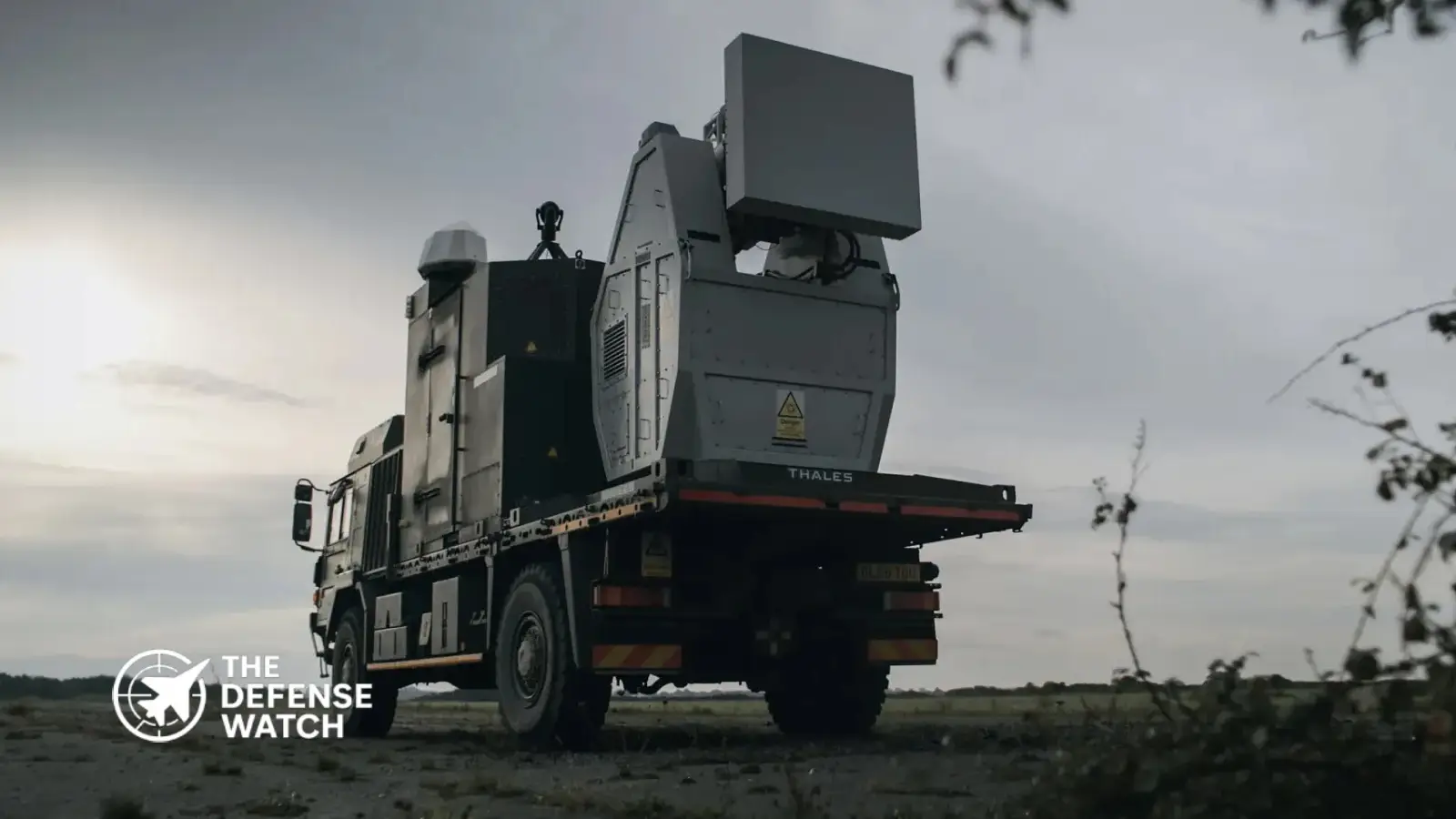
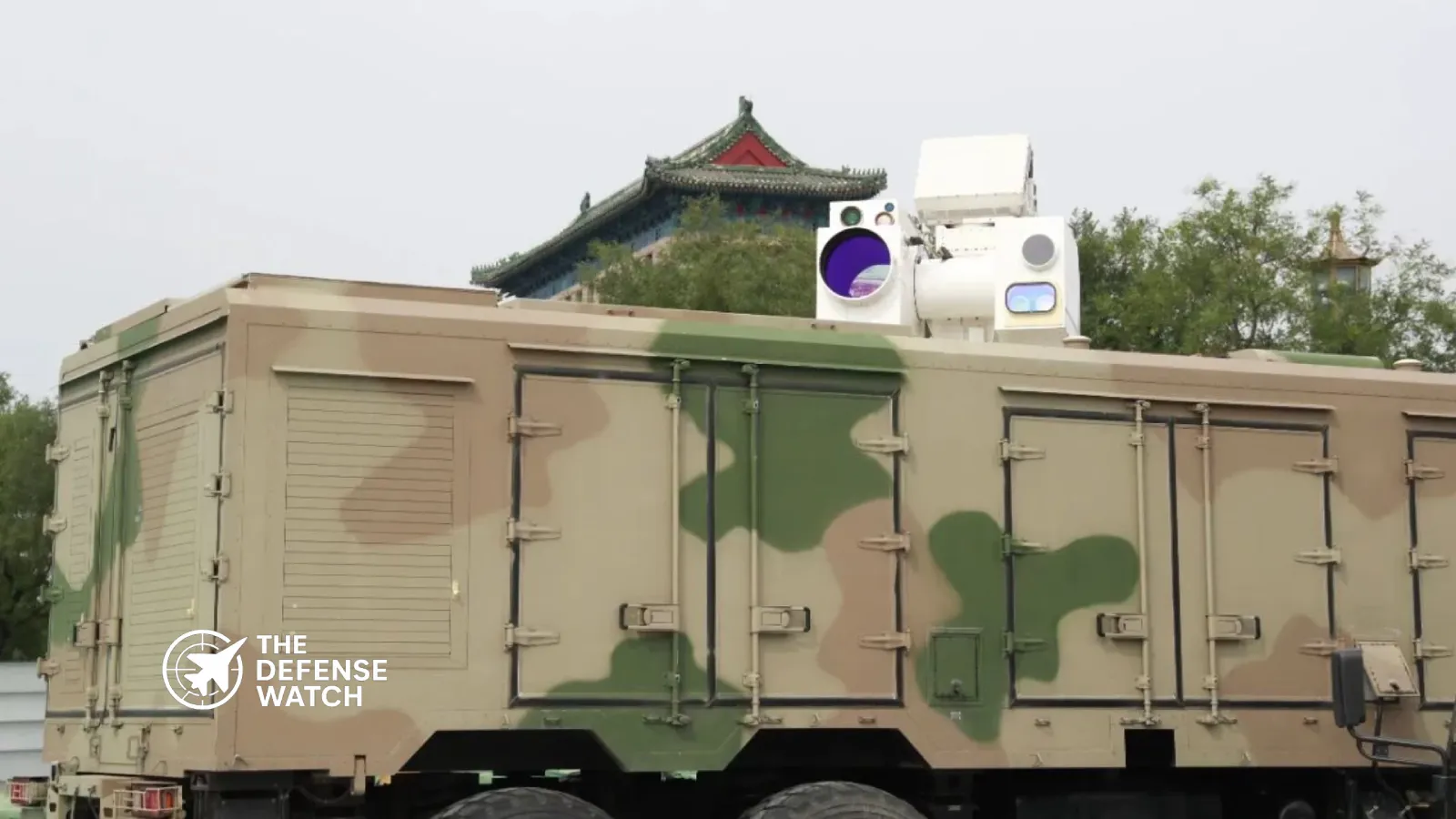
Counterspace systems come in many forms. Some are kinetic, such as missiles designed to physically destroy satellites. Others are non-kinetic, including jamming systems, cyber tools, and directed energy weapons that can temporarily blind or disrupt sensors.
Non-kinetic options are especially attractive because they offer deniability and reversible effects. Jamming a satellite signal or hacking a ground station may not leave clear evidence, making escalation management easier. This ambiguity complicates deterrence and crisis stability.
Many analysts warn that the growth of counterspace tools increases the risk of miscalculation. A temporary disruption during a crisis could be misinterpreted as preparation for a larger attack, triggering rapid escalation.
The Rise of Space Forces and Military Commands
One of the clearest signs of space militarization is the creation of dedicated military organizations. The United States established the U.S. Space Force in 2019, recognizing space as a distinct warfighting domain alongside land, sea, air, and cyber. Its mission includes protecting U.S. and allied space assets and ensuring freedom of operation in orbit.
China has integrated space operations into its Strategic Support Force, combining space, cyber, and electronic warfare under a single command structure. Russia maintains its own space forces focused on missile warning, satellite control, and counterspace operations.
Other countries, including France, Japan, and India, have expanded military space units or doctrines. This trend reflects a shared view that space is no longer a benign environment.
Commercial Space and Dual-Use Challenges
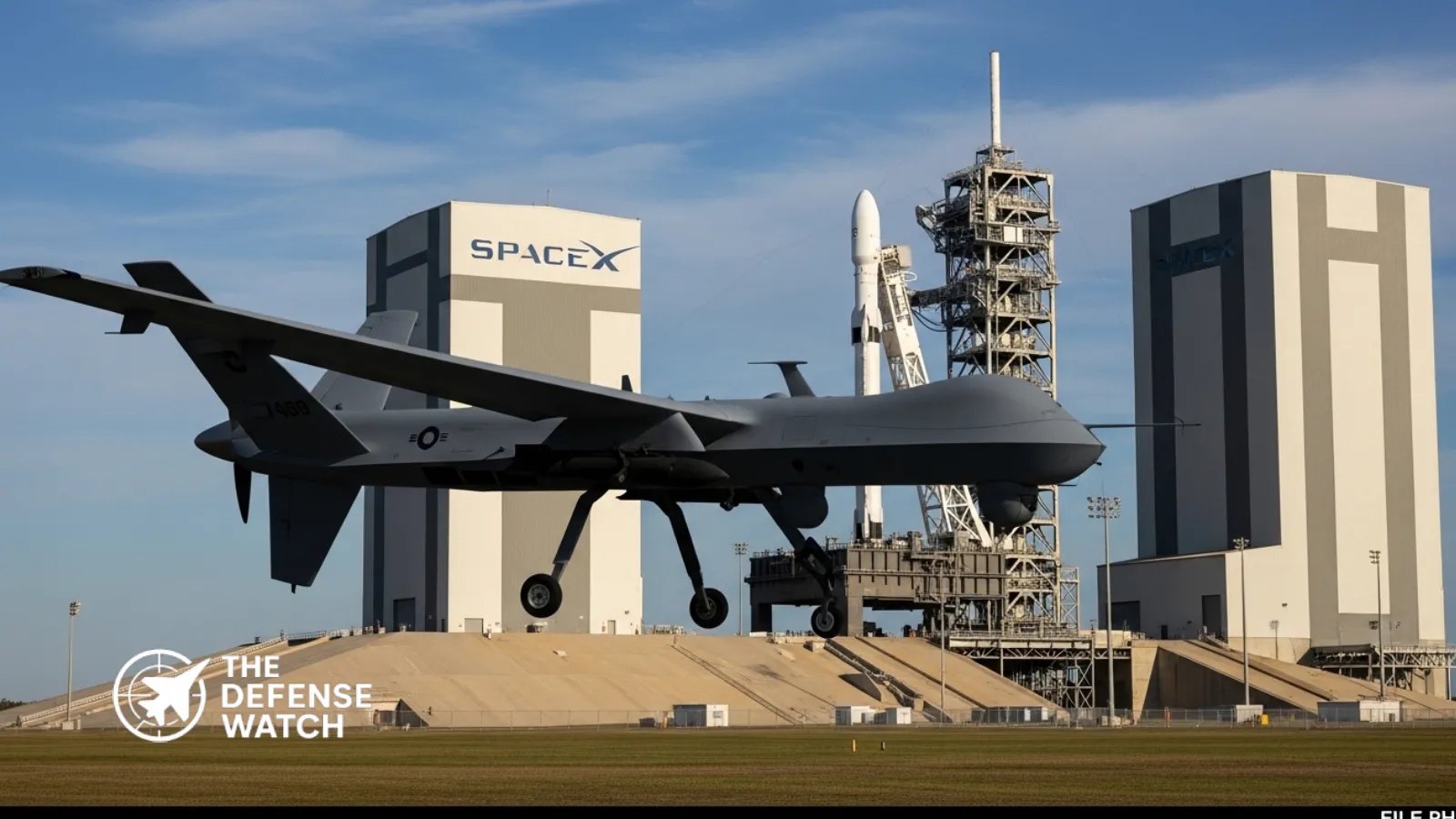
The line between civilian and military space systems is increasingly blurred. Commercial satellites provide imagery, communications, and tracking services that can support military operations. During recent conflicts, commercially operated constellations have played key roles in maintaining connectivity and situational awareness.
This dual-use nature creates legal and strategic challenges. Civilian systems may become military targets, even if they are not owned by governments. At the same time, commercial innovation has reduced costs and increased resilience through large constellations, making it harder for adversaries to disable space capabilities entirely.
The militarization of space is therefore not limited to government programs. Private companies are now part of the strategic equation, whether they intend to be or not.
Arms Control and the Limits of Existing Treaties
International law has struggled to keep pace with developments in space warfare. The 1967 Outer Space Treaty bans weapons of mass destruction in orbit and declares space the province of all humankind. However, it does not prohibit conventional weapons or counterspace activities.
Efforts to create new rules have faced political resistance. Major powers disagree on definitions, verification mechanisms, and enforcement. Some proposals focus on banning debris-producing tests, while others call for broader norms of responsible behavior.
The United Nations continues to host discussions on space security, but progress is slow. In the absence of binding agreements, military planners are preparing for a more contested environment. For background on existing legal frameworks, see the United Nations Office for Outer Space Affairs overview of the Outer Space Treaty at https://www.unoosa.org.
Strategic Stability and Escalation Risks
One of the most serious concerns surrounding the militarization of space is its impact on strategic stability. Space systems are closely linked to nuclear command and control, early warning, and missile defense. Attacks on these assets could be interpreted as preparations for a larger strike.
This creates a dangerous incentive structure. In a crisis, a state may feel pressure to act first to protect its space capabilities or deny them to an adversary. The speed of space engagements and the difficulty of attribution increase the risk of unintended escalation.
Analysts at the Center for Strategic and International Studies have warned that norms and communication channels are essential to reduce these risks. Their assessments on space security trends can be found at https://www.csis.org.
U.S. Strategy and Allied Perspectives
The United States frames space as a vital national interest and emphasizes deterrence through resilience. This includes building redundant systems, distributing capabilities across multiple orbits, and working closely with allies. Shared awareness and integrated command structures are seen as key advantages.
Allied nations are increasingly involved in space security initiatives, from shared satellite programs to joint exercises. NATO has declared space an operational domain, reinforcing its role in collective defense.
China and Russia, meanwhile, argue that U.S. missile defense and space surveillance efforts drive militarization. Each side accuses the other of destabilizing behavior, underscoring the political complexity of space security debates.
Analysis: Space as the Backbone of Military Power
The militarization of space reflects a broader reality. Modern military power depends on information dominance. Satellites provide that edge, making them both valuable and vulnerable. As long as armed forces rely on space systems, competition in orbit will continue.
The challenge for policymakers is balancing deterrence with restraint. Total demilitarization is unrealistic, but unchecked competition could undermine the very systems that keep global security stable. Incremental steps, such as transparency measures and debris limits, may offer the most practical path forward.
Looking Ahead
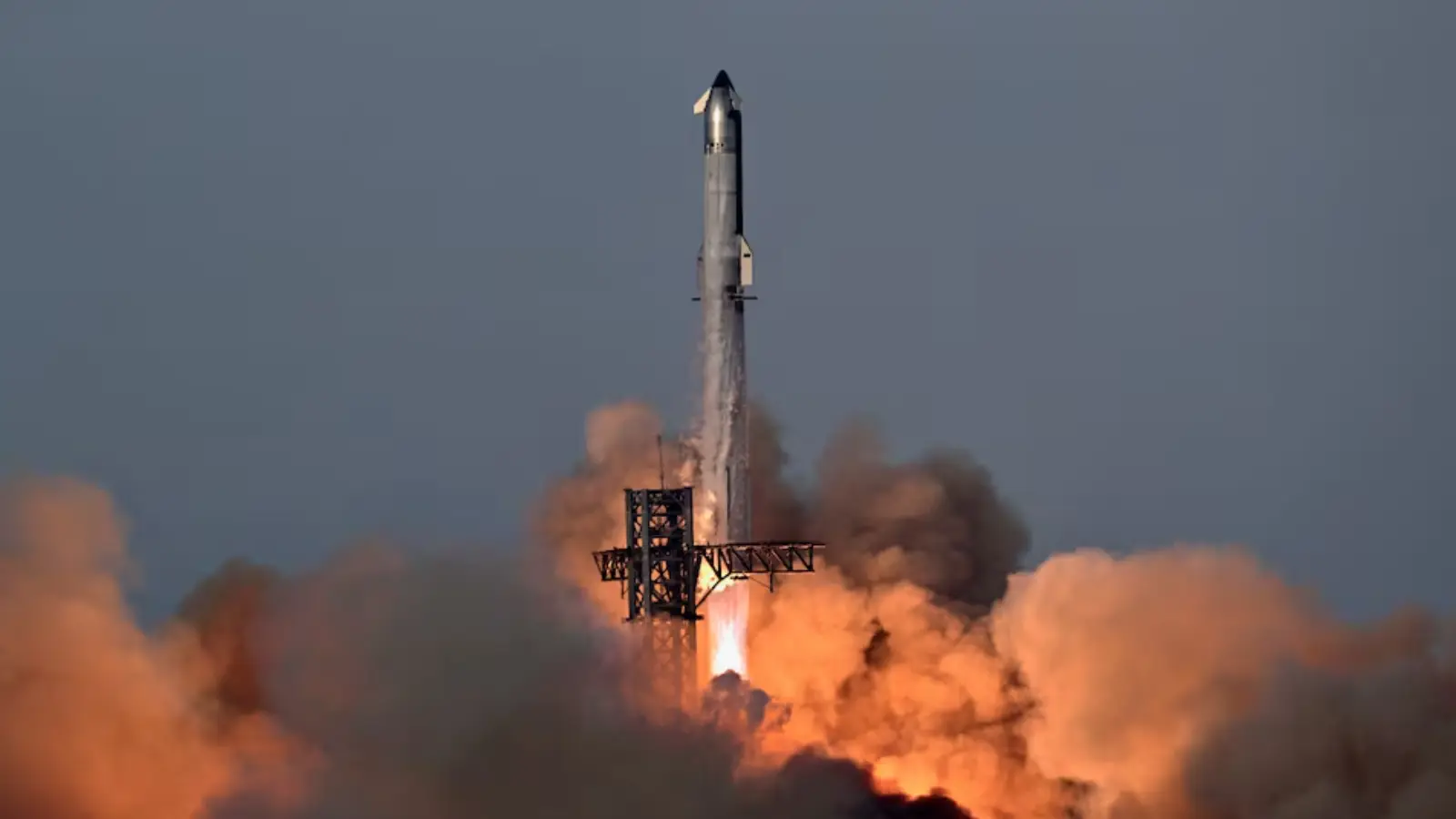
The next decade will likely see further integration of space into military planning. Artificial intelligence, autonomous satellite operations, and rapid launch capabilities will change how states protect and replace space assets. At the same time, the risk of congestion and debris will grow.
Militarization of space is no longer a future concern. It is a defining feature of today’s security environment. How nations manage this new battlefield will shape both conflict and cooperation beyond Earth’s atmosphere.
FAQs
It refers to the use of space systems for military purposes, including surveillance, communications, missile warning, and counterspace operations.
International law bans weapons of mass destruction in orbit but does not prohibit conventional military activities or counterspace systems.
They enable navigation, targeting, intelligence collection, and secure communications, which are essential for modern military operations.
The United States, China, and Russia are the primary leaders, with several allies expanding their own space forces.