Ukrainian Innovation Against Hypersonic Threats
Ukraine has reportedly developed a novel countermeasure against one of Russia’s most advanced weapons: the Kh-47M2 Kinzhal hypersonic missile. Ukrainian military sources reveal that the Lima electronic warfare (EW) system is capable of jamming the missile’s satellite navigation guidance by transmitting a patriotic Ukrainian anthem, “Our Father Is Bandera.” This approach disrupts the missile’s trajectory, forcing it off course and reducing the risk to civilian and military targets.
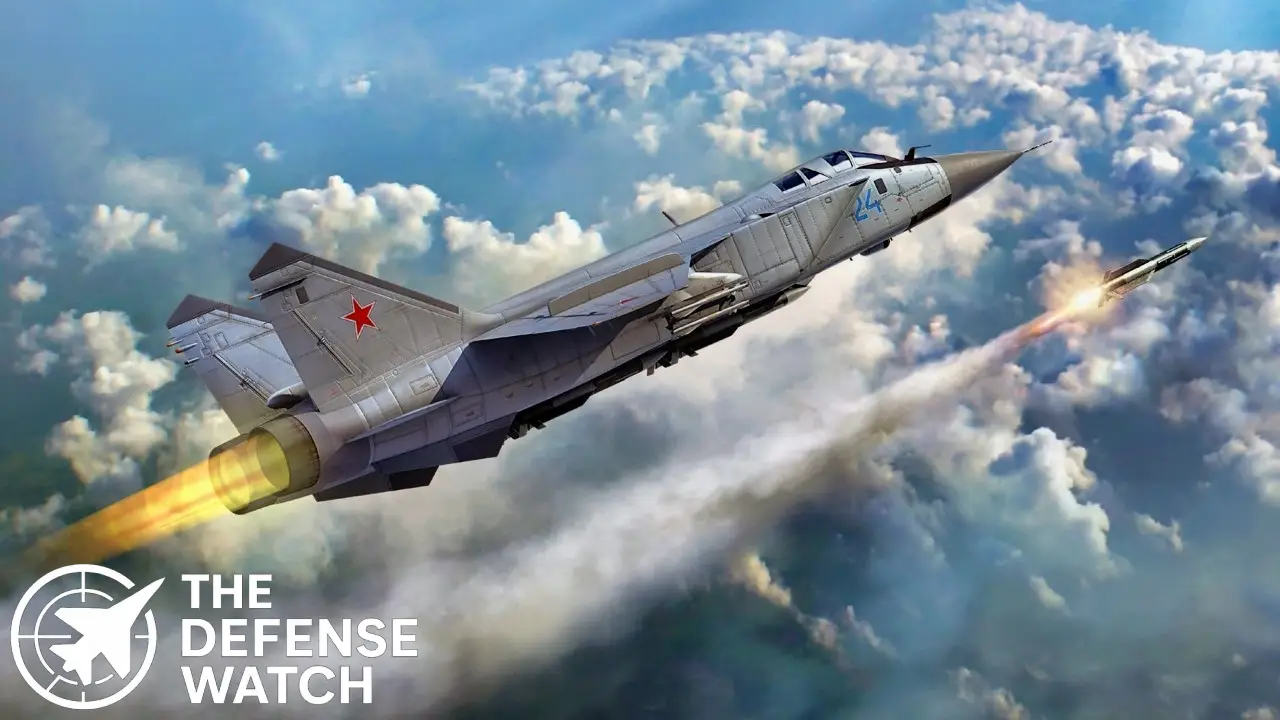
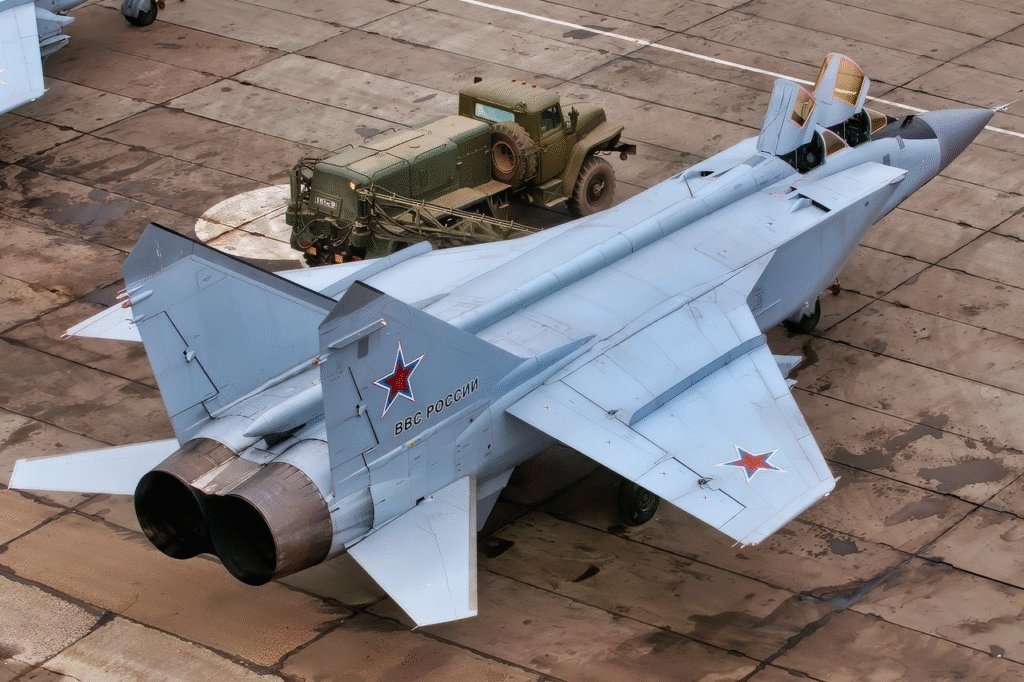
The Kinzhal, a Mach 10 air-launched derivative of the Iskander-M ballistic missile, is known for its extreme speed and maneuverability. Launched from modified MiG-31K or Tu-22M3 aircraft, the missile carries a 1,000-pound warhead and can strike targets up to 300 miles away. Its high velocity and terminal-phase evasive maneuvers—dives and lateral shifts—have significantly challenged Ukraine’s air defense, particularly Patriot missile batteries.
Russian Tactics to Evade Interception
Recent modifications to the Kinzhal’s flight profile have lowered its interception rate around Kyiv from approximately 37% in August to just 6% in September. Russian forces have employed complex maneuvers, including abrupt pull-downs and lateral jinks, often embedded in mixed missile salvos. Slower missiles in these salvos mask the hypersonic Kinzhal, making radar tracking and target prioritization more difficult for Ukrainian defenders.
Lima EW: A Creative Electronic Defense
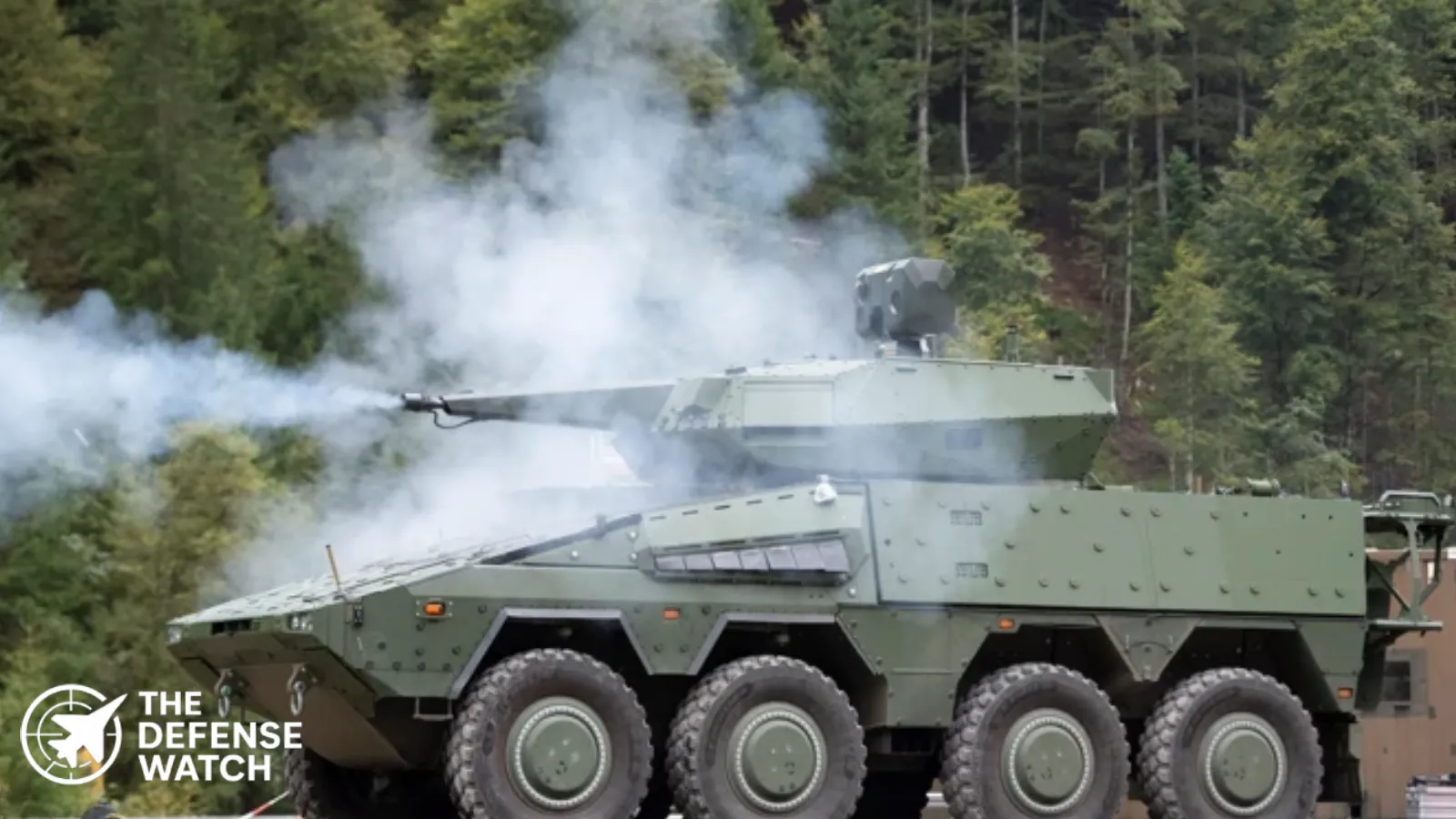
Ukraine’s Lima EW system, initially designed to counter Russian guided bombs, has proven adaptable against the hypersonic threat. By injecting nonstandard navigational data in the form of music, the system corrupts satellite guidance signals, effectively “spoofing” the missile. Operators report that Lima’s performance surpasses that of comparable foreign systems, reflecting Ukraine’s ability to leverage asymmetric tactics against technologically superior adversaries.
Strategic and Technological Implications
The use of musical payloads in electronic warfare highlights a broader trend in modern conflict: combining digital deception with traditional defense measures. For U.S. and NATO planners, Ukraine’s success illustrates the growing importance of EW capabilities in countering high-speed hypersonic threats, which conventional missile defense systems struggle to intercept. Lima’s effectiveness may inform future research into low-cost, agile electronic countermeasures capable of disrupting advanced missile guidance.
Moreover, the incident underscores the vulnerability of even sophisticated missile systems to adaptive countermeasures. As hypersonic technology proliferates globally, the development of complementary electronic and cyber defenses will be crucial to maintaining strategic stability.
Conclusion: Forward-Looking Defense Considerations
Ukraine’s innovative approach to neutralizing Kinzhal missiles demonstrates that creative electronic warfare can alter the balance against cutting-edge threats. For U.S. defense planners, investing in agile EW solutions alongside kinetic interceptors will be essential in preparing for the next generation of hypersonic weapons. Lima’s performance may signal a shift toward integrating asymmetric countermeasures as standard practice in modern air defense.