Air Force and Secret Service Strengthen Counter-Drone Readiness at MacDill
The U.S. Air Force and Secret Service are strengthening cooperation against unauthorized drone activity through joint counter-unmanned aircraft systems training at MacDill Air Force Base, Florida.
Joint Interagency Task Force 401 (JIATF 401) conducted the training with personnel from the Air Force’s 6th Security Forces Squadron and U.S. Secret Service agents, according to a Department of War announcement published November 5, 2026. The exercise focused on improving readiness to protect critical installations and infrastructure against evolving unmanned aircraft threats.
The activity brings military installation security personnel and federal law enforcement into a shared counter-drone training environment. It also reflects the growing importance of coordination between military and civilian agencies as small unmanned aircraft become more accessible and can be used for surveillance, disruption or hostile activity.
The department has not publicly disclosed the specific equipment used during the training, the scenarios presented to participants or any performance results.
Why Air Force and Secret Service Coordination Matters
Military installations and sensitive government facilities face different security requirements, but unauthorized drone activity can create similar challenges for both military and federal law enforcement organizations.
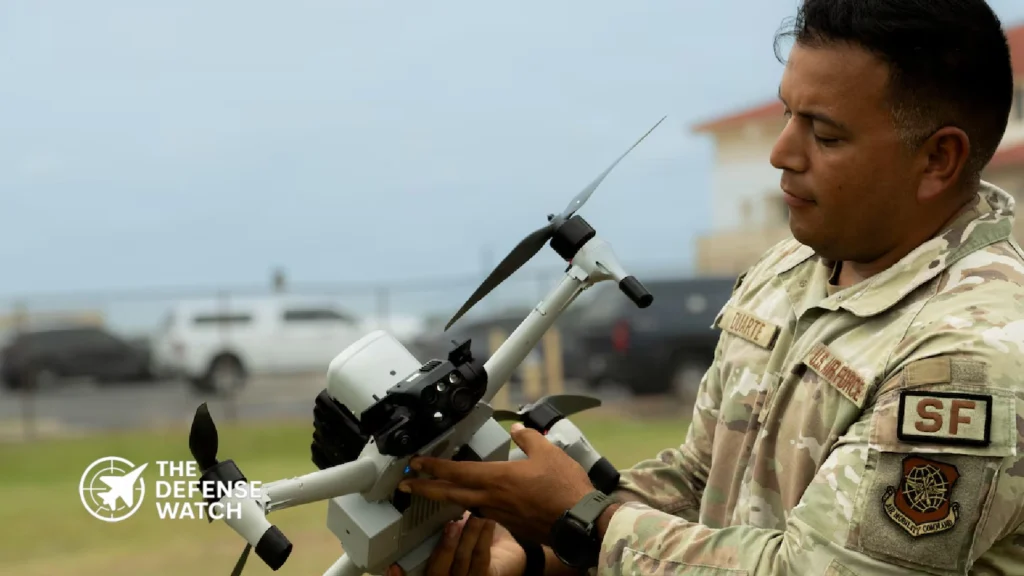
Air Force security forces are responsible for protecting personnel, aircraft, facilities and other installation assets. The Secret Service has protective responsibilities involving senior government officials and designated locations and events.
Both organizations may need to identify suspicious aircraft, establish the nature of a potential threat and coordinate an appropriate response.
The challenge extends beyond detecting a drone. Security personnel must also distinguish authorized aircraft from unauthorized activity and determine whether an incident requires further investigation or immediate protective action.
That distinction matters because commercially available drones can serve legitimate purposes, including photography, inspection and public safety operations.
The November 5 training provides an example of how military and federal agencies are working together to improve their preparedness for these situations.
JIATF 401 Expands the Interagency Counter-UAS Role
Joint Interagency Task Force 401 is a central Pentagon organization responsible for coordinating counter-unmanned aircraft efforts across military and government partners.
Its work extends beyond providing equipment. The task force also supports coordination, capability integration, training and efforts to improve access to counter-drone technology.
During an August 21, 2026, media roundtable, JIATF 401 Director Brig. Gen. Matt Ross explained that the organization is not an operational command. Its role includes working with federal, state and local authorities, industry and other partners to improve protection of critical infrastructure and public spaces.
The same discussion highlighted several elements of the domestic counter-drone mission:
- Detection and identification of unmanned aircraft.
- Electronic warfare and other mitigation capabilities.
- Training and preparedness before drone incidents occur.
- Information sharing between government agencies.
- Investigation and forensic exploitation following incidents.
This broader approach is important because counter-drone defense is not simply a matter of acquiring equipment. Effective responses also depend on trained personnel, clear responsibilities and coordination between organizations.
Air Force Is Building a Broader Installation Defense Capability
The MacDill training takes place as the Air Force develops additional capabilities to protect its installations against unmanned aircraft.
Air Combat Command has been exploring commercially supplied counter-drone services, including systems that can detect, track and identify different categories of drones.
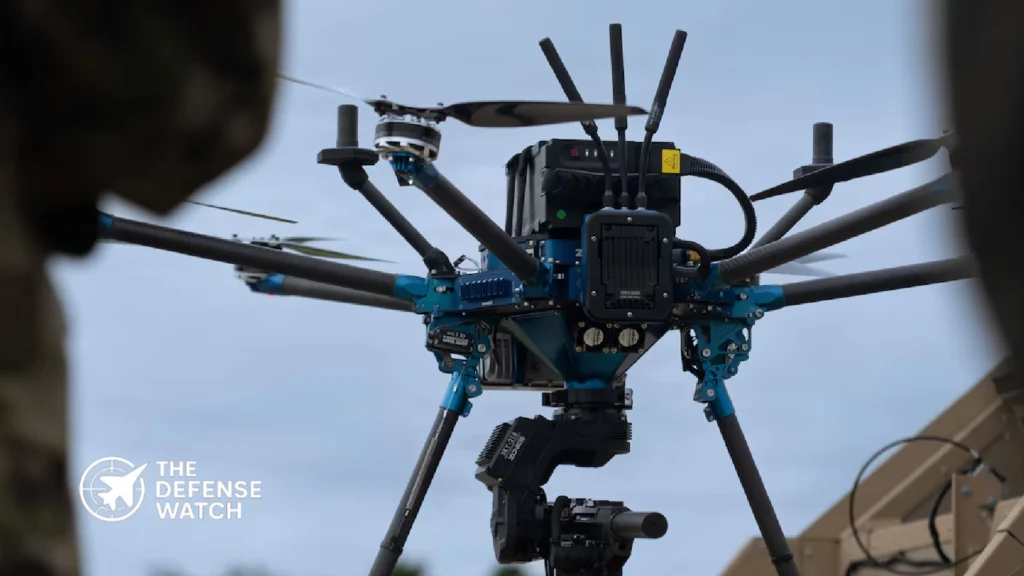
An October 2026 report by Air & Space Forces Magazine described an Air Combat Command market survey seeking integrated counter-UAS services. The proposed approach included personnel, equipment, training, sustainment and continued technology upgrades.
The Air Force is also equipping installations with Small Unmanned Air Defense Systems (SUADS), according to the same reporting.
These efforts reflect the need for layered protection rather than reliance on a single counter-drone technology.
Depending on the threat and installation requirements, counter-UAS defenses can combine surveillance sensors, detection systems, command-and-control capabilities, electronic warfare and physical interception.
However, the specific capabilities employed during the MacDill exercise have not been identified publicly.
Cost, Identification and Operational Restrictions Remain Challenges
Counter-drone operations present technical and operational challenges that extend beyond detecting incoming aircraft.
During the August JIATF 401 roundtable, Ross emphasized the importance of evaluating the full cost of counter-UAS systems, including procurement, maintenance, power requirements and operational availability.
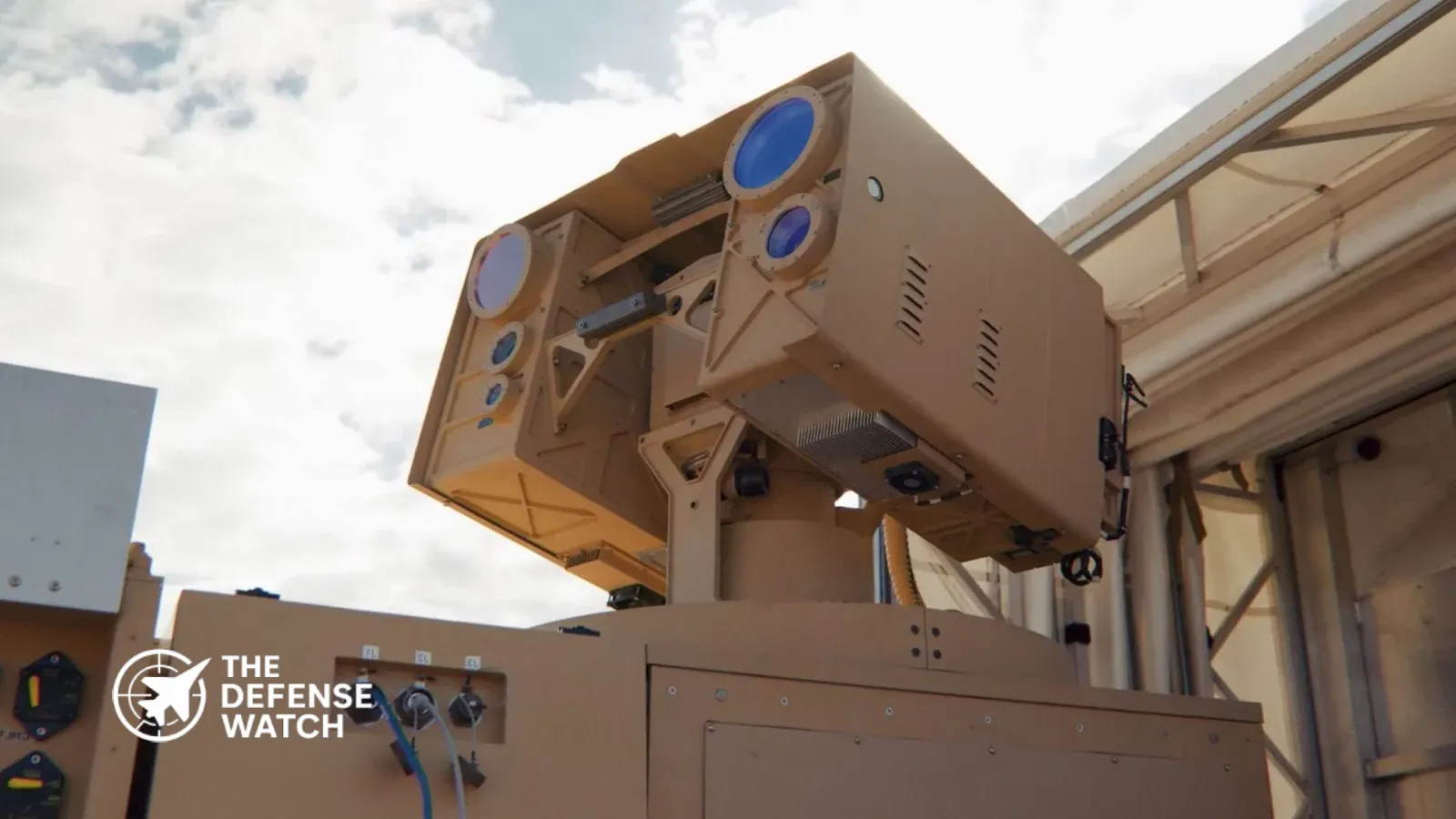
He also discussed the potential role of high-energy lasers and high-power microwave systems in installation defense. The task force planned a year-long directed-energy pilot at selected military installations to evaluate how these technologies perform under operational conditions.
Another challenge involves the cost exchange between an inexpensive commercial drone and the equipment used to defeat it.
Using an expensive interceptor against a relatively inexpensive unmanned aircraft can create an unfavorable economic equation, particularly when defending against multiple simultaneous threats.
Electronic warfare and directed-energy systems offer alternative approaches, although their suitability depends on the target, operating environment and system limitations.
Identification is equally important. A suspicious drone may be unauthorized without necessarily representing a hostile attack. Military and law enforcement personnel therefore need procedures that support threat assessment, investigation and an appropriate response.
MacDill Training Adds to a Wider Homeland Defense Effort
The November exercise demonstrates continued cooperation between the Air Force, federal law enforcement and the Pentagon’s counter-drone organization.
Its immediate significance is improved coordination and readiness rather than the introduction of a newly announced weapon or operational counter-drone system.
For the Air Force, installation protection is becoming an increasingly integrated mission involving security forces, specialized counter-UAS equipment and interagency support.
For the Secret Service, cooperation with military organizations provides another avenue for strengthening preparedness against unauthorized drone activity affecting protected locations and critical infrastructure.
The Department of War has not released enough information to establish whether the MacDill training will lead to a recurring joint program, additional deployments or new equipment requirements.
What is clear is that counter-drone readiness increasingly depends on more than the technology itself. Personnel training, threat identification, information sharing and coordination across agencies remain essential parts of protecting U.S. facilities.