Why Pakistan Still Relies on F-16 Fighters
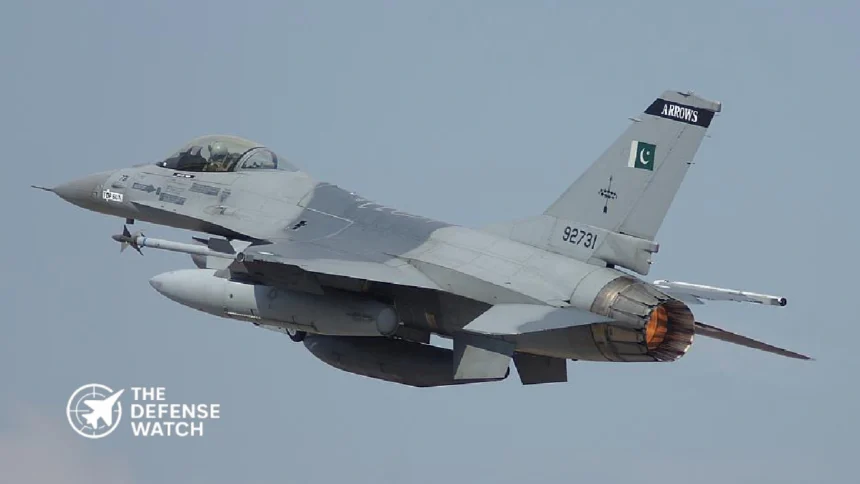
Pakistan’s continued investment in the American-made F-16 Fighting Falcon, despite the induction of Chinese-designed J-10C fighters and the development of the JF-17 Thunder, reflects a practical military calculation. The Pakistan Air Force needs aircraft that can perform different missions, operate within established support networks and remain effective throughout their service lives.
- Why Pakistan Still Relies on F-16 Fighters
- The F-16 is an established part of Pakistan’s air force
- Chinese fighters are changing the equation
- Why Pakistan is continuing to invest in the F-16
- 1. Modernization costs less than rebuilding an entire capability
- 2. Weapons and communications remain important
- 3. Continued support preserves operational options
- F-16 vs. J-10C vs. JF-17: What is the real difference?
- What about Pakistan’s French-origin fighters?
- The strategic calculation behind retaining the F-16
The question is not simply whether Chinese aircraft are more advanced than the F-16. It is whether replacing an established fighter fleet would deliver enough operational benefit to justify the cost, logistical changes and risks involved.
Pakistan’s fighter inventory includes American, Chinese and French-origin aircraft. However, the presence of these platforms does not mean they are interchangeable or that the Pakistan Air Force depends on all three equally. The F-16 remains part of a wider force structure that has increasingly incorporated Chinese technology.
The F-16 is an established part of Pakistan’s air force
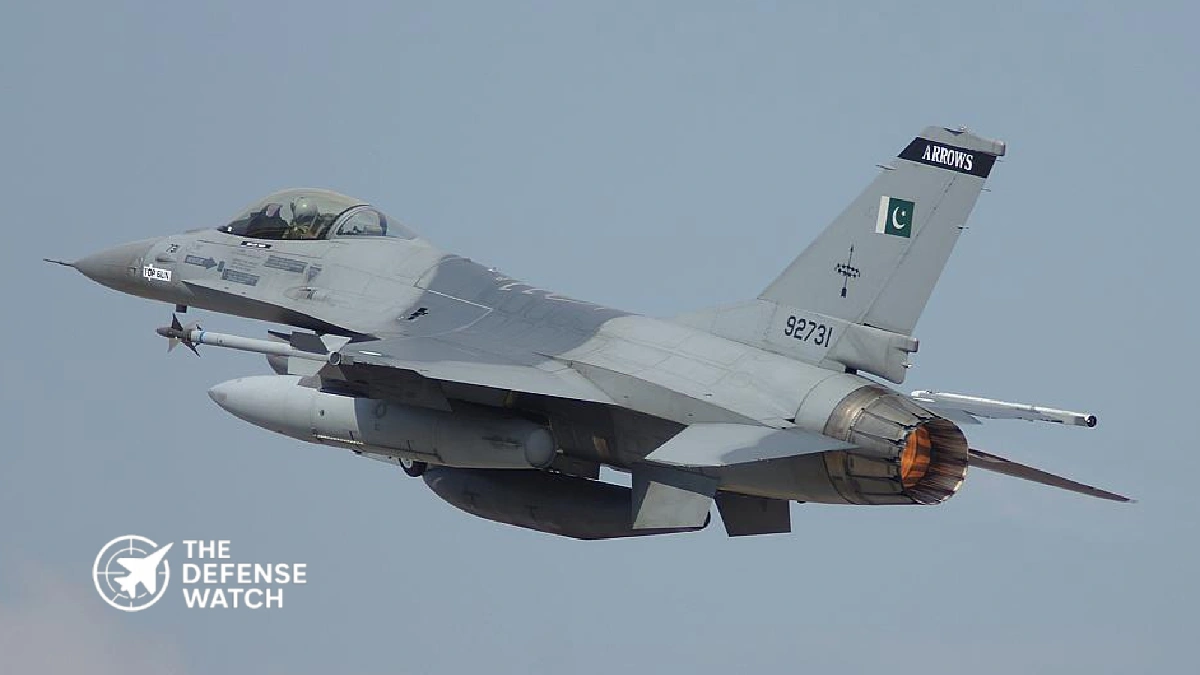
Pakistan has operated the F-16 for decades. During that time, the aircraft has become part of the country’s pilot training, maintenance, weapons integration and operational planning systems.
Replacing a fighter involves considerably more than purchasing a newer aircraft. An air force must train pilots and maintenance personnel, establish supply chains, acquire compatible weapons, update mission planning systems and ensure that aircraft can exchange information with other military assets.
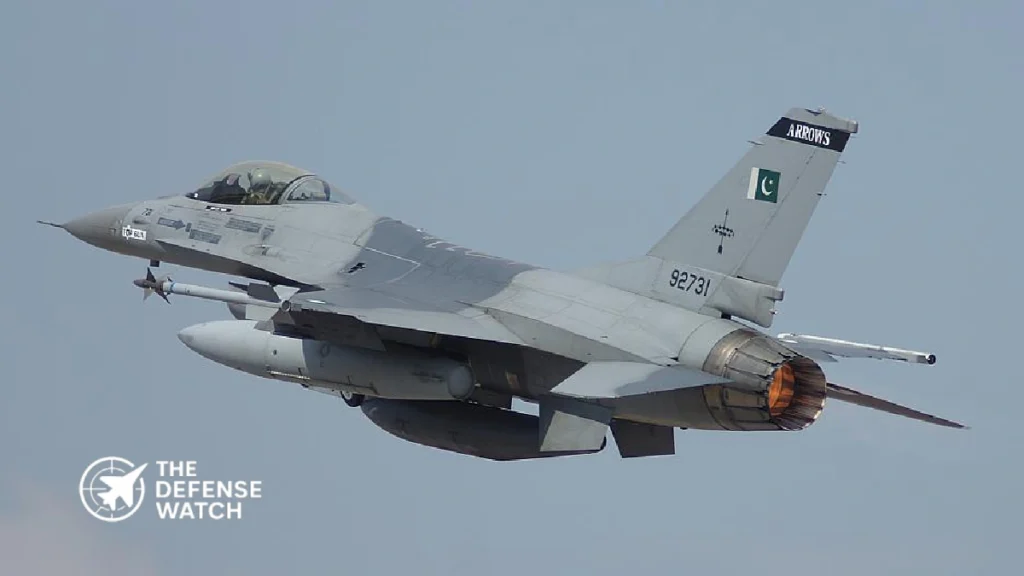
Pakistan has already invested heavily in these supporting capabilities for the F-16. Retaining the aircraft allows the air force to continue using that infrastructure while introducing newer platforms alongside it.
The F-16 also has an established multirole function. Depending on configuration and available weapons, it can support air-to-air combat and precision air-to-ground missions. The U.S. Defense Department has described Pakistan’s F-16 fleet as an important multirole capability, particularly for operations requiring air-to-ground weapons.
This does not establish that the F-16 is superior to Pakistan’s Chinese-origin fighters. It explains why an aircraft with an older design can remain useful after newer systems enter service.
Chinese fighters are changing the equation
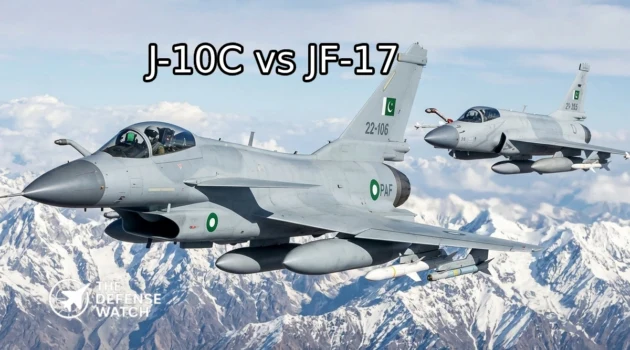
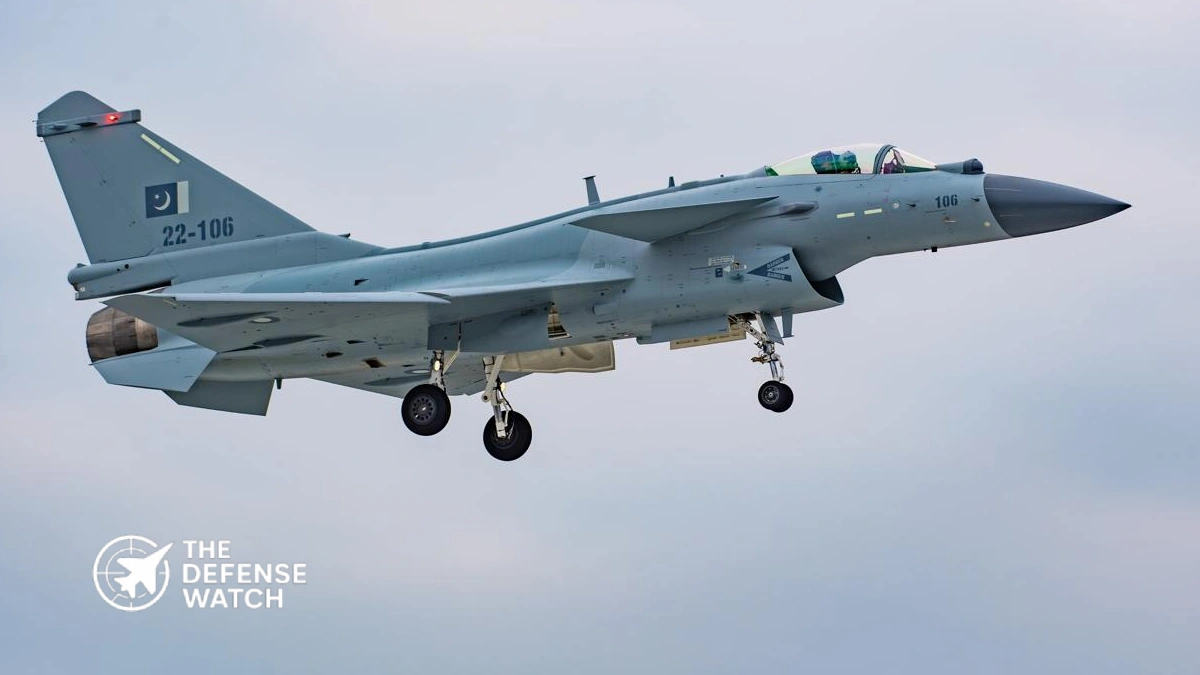
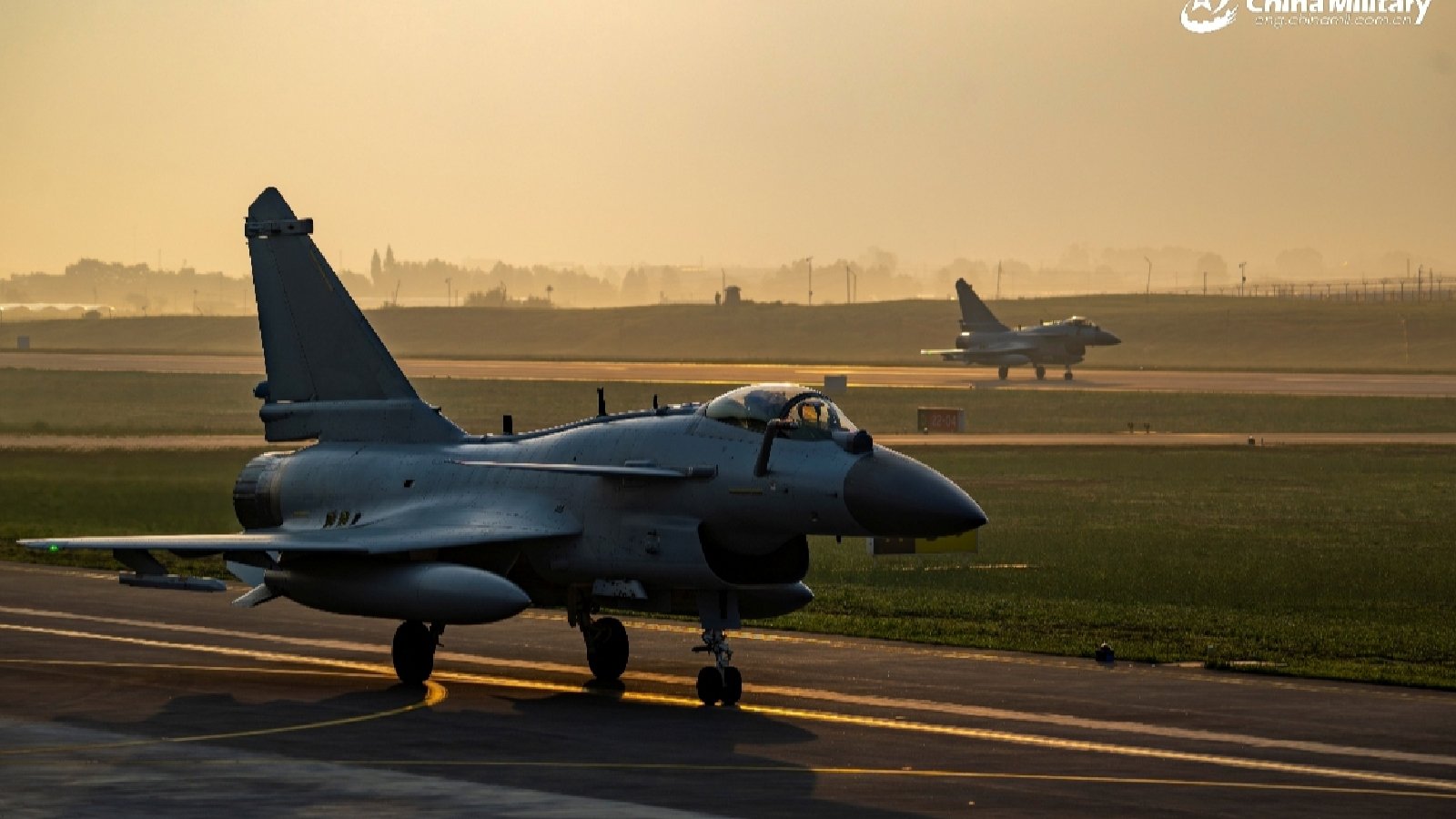
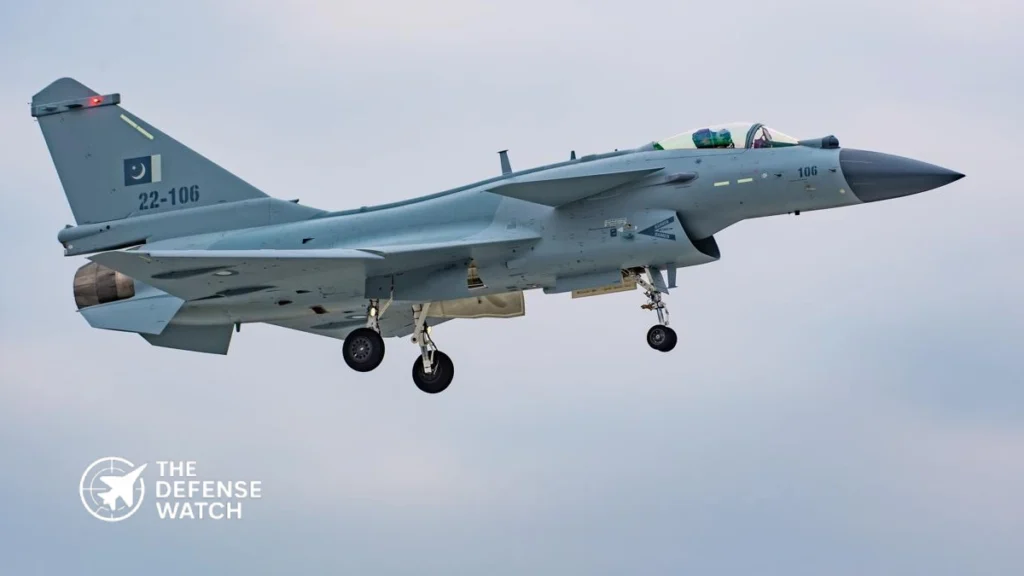
The induction of the Chengdu J-10C expanded Pakistan’s access to modern Chinese fighter technology. The aircraft is part of China’s effort to provide advanced multirole fighters, while Pakistan’s acquisition also strengthened the country’s military aviation relationship with Beijing.
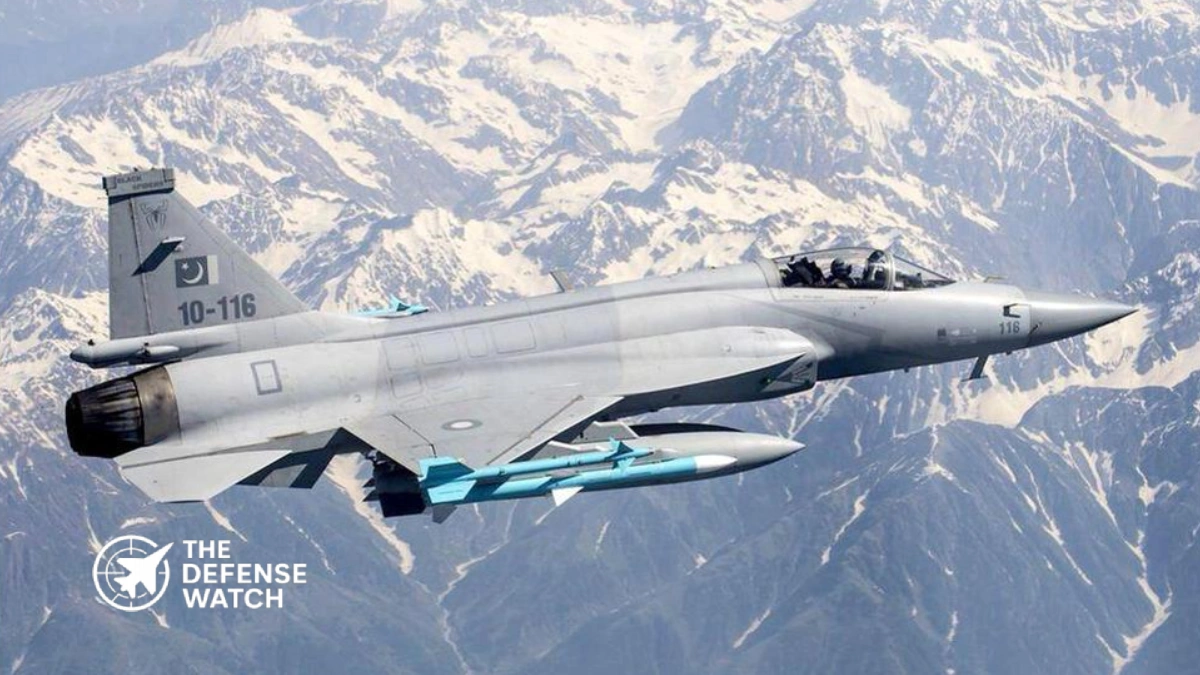
Pakistan’s other major Chinese-linked fighter program is the JF-17 Thunder, developed jointly by Pakistan and China. The program is important because it gives Pakistan a role in the production and continued development of a combat aircraft, rather than relying exclusively on imported fighters.
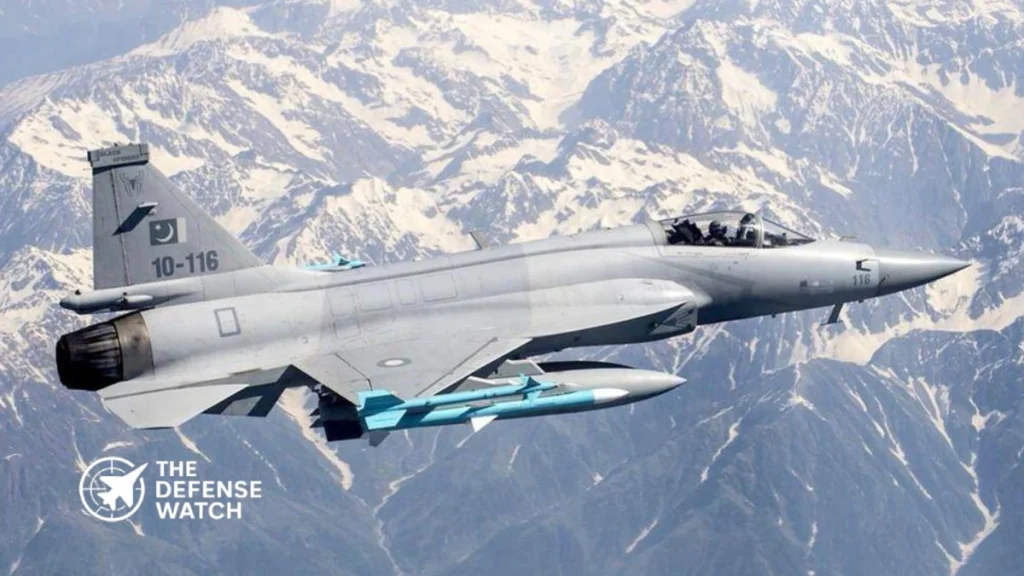
The JF-17 and J-10C serve different purposes within Pakistan’s broader modernization effort. Their capabilities, equipment and operating costs vary by version, and a direct comparison requires information about the specific configurations and weapons available to the Pakistan Air Force.
Pakistan’s official news agency, citing the air force’s public communications, reported the J-10C’s induction in March 2022. The aircraft joined an existing inventory that included the JF-17 and F-16.
Chinese aircraft therefore offer Pakistan additional options. They do not automatically eliminate the value of its existing American fighters.
Why Pakistan is continuing to invest in the F-16
The clearest evidence of Pakistan’s intentions comes from its continuing effort to maintain and update the aircraft.
On September 22, 2026, the U.S. Federal Register published a Defense Department notification concerning a proposed $686 million sale associated with Pakistan’s F-16 Cryptographic Mandate Compliance and Service Life Extension Program. The notice described requested equipment and services for the existing fleet, rather than the purchase of new F-16 aircraft.
The proposed package includes 92 Link-16 systems, avionics and software updates, secure communications equipment, spare parts, training, technical assistance and support for weapons integration.
The U.S. government said the proposed upgrades and refurbishment would support the continued operation of Pakistan’s Block 52 and Mid-Life Upgrade F-16 aircraft, with a stated objective of extending their service life through 2040. The notification is a proposed foreign military sale, so its stated value should not be confused with a confirmed final expenditure or completed delivery.
Three factors help explain why this investment may make sense.
1. Modernization costs less than rebuilding an entire capability
Pakistan does not need to retire a functioning aircraft simply because a newer design is available. If an existing fleet can be upgraded, maintained and equipped for relevant missions, continued operation may be more practical than replacing it immediately.
Buying new aircraft would also require investment in training, maintenance facilities, spare parts, simulators and weapons integration. Those costs extend beyond the purchase price.
Public information does not provide a complete, like-for-like lifecycle cost comparison between Pakistan’s F-16s, J-10Cs and JF-17s. It would therefore be premature to claim that the F-16 is necessarily cheaper to operate than its Chinese counterparts.
2. Weapons and communications remain important
A fighter’s combat value depends on more than its airframe. Sensors, electronic warfare equipment, weapons, communications and access to information from other platforms all influence how effectively it can perform its mission.
The proposed F-16 package includes Link-16 tactical data links and equipment for secure communications and weapons integration. Link-16 is designed to exchange tactical information among participating aircraft, ground units and naval forces.
That capability can help an aircraft operate as part of a wider force rather than relying exclusively on information collected by its own sensors. However, the precise extent to which Pakistan’s different fighter types share data, and the restrictions governing individual systems, are not fully established in public information.
3. Continued support preserves operational options
Pakistan’s relationship with the United States has experienced periods of political tension, and access to American military equipment remains subject to U.S. export controls and policy decisions.
Maintaining the F-16 therefore carries a degree of supply-chain and geopolitical risk. Continued investment also preserves access to a separate set of aircraft, weapons and technical support arrangements.
For Pakistan, keeping American fighters alongside Chinese platforms provides options. It also means managing different maintenance requirements, training systems and equipment standards.
F-16 vs. J-10C vs. JF-17: What is the real difference?

F-16 Fighting Falcon
American design
An established multirole fighter with a mature support history in Pakistan. Its continued usefulness depends on aircraft condition, upgrade status, available weapons and maintenance support.
J-10C
Chinese design
A modern multirole fighter that expands Pakistan’s access to Chinese avionics, sensors and weapons. Its effectiveness in a particular mission depends on its configuration and the wider combat network.
JF-17 Thunder
Joint Pakistan-China development
A multirole fighter program that supports Pakistan’s domestic aviation industry and gives the country a stake in aircraft production, upgrades and long-term fleet development.
There is no reliable basis for declaring one of these aircraft the universal winner. Their performance depends on the variant, weapons, pilot training, electronic warfare environment, intelligence support and mission requirements.
The comparison also has an important limitation: the Pakistan Air Force does not publish all the technical information needed to assess the readiness, software standards and combat performance of each fleet on equal terms.
What about Pakistan’s French-origin fighters?
Pakistan has also operated French-designed Mirage III and Mirage 5 aircraft. These older platforms form part of the country’s historical aviation inventory, but their presence should not be interpreted as evidence that Pakistan has three equally modern fighter fleets.
The age and condition of individual aircraft, the availability of spare parts, upgrade histories and maintenance requirements affect how much operational value an older platform can deliver. Publicly available fleet summaries do not, by themselves, establish the serviceability of every aircraft or the number ready for combat at a given time.
Pakistan’s move toward Chinese-origin fighters and its continued maintenance of the F-16 reflect different aspects of fleet management. The JF-17 supports a longer-term domestic production effort, the J-10C provides another modern fighter option, and the F-16 preserves an established capability with its own support and weapons ecosystem.
The strategic calculation behind retaining the F-16
Pakistan’s decision is best understood as fleet diversification rather than a contest between American and Chinese technology.
The F-16 remains useful because Pakistan has invested in its operation for decades and is pursuing further upgrades. Chinese aircraft expand the air force’s options, while the JF-17 program supports domestic industrial participation. These roles can coexist without requiring the air force to select one foreign supplier for every requirement.
There are trade-offs. Continuing to operate fighters from different countries creates separate supply chains, training demands and integration challenges. Dependence on foreign technology also leaves Pakistan exposed to export restrictions and changing political relationships.
The proposed U.S. support package, with a stated goal of extending the service life of the F-16 fleet through 2040, is a concrete indication that Pakistan has not treated the aircraft as obsolete. It does not prove that the F-16 is superior to the J-10C, or that Pakistan intends to buy more American fighters.
The more useful question is how Pakistan balances the cost of maintaining its existing aircraft against investment in newer fighters, weapons, sensors and domestic aerospace production. Public evidence supports continued F-16 modernization, but it does not establish that Pakistan depends on the aircraft at the expense of its Chinese-origin fleet.