• Home
  • About
  • Defense Systems
  • Manufacturer
  • Comparisons
  • Compare 
  • Tools
TheDefenseWatch.com
  • Aerospace & Aviation
  • Military & Ordnance
  • Naval & Maritime
  • Cyber & Space Defense
  • Policy & Strategy
  • Global News
  • Tools Library
    • Smart Calculator
    • Drone Flight Time Calculator
    • Drone Range Calculator
    • Counter-Drone Jammer Effective Range Calculator
    • Counter-Battery Radar Detection Calculator
    • Artillery Fire Correction Calculator
    • Thermal Camera Detection Range Calculator
    • Missile Range & Time-of-Flight Calculator
    • Radar Detection Range Calculator
    • FPV Strike Drone Payload vs Range Calculator
    • Loitering Munition Endurance Calculator
    • Sniper Ballistic Drop & Windage Calculator
    • Bullet Drop Calculator
    • U.S. Army Combat Fitness Test (ACFT) Calculator
    • Military Pension Calculator
    • Military Retirement Calculator
    • Military Pension Calculator
    • Large Number Calculator
Font ResizerAa

TheDefenseWatch.com

The Defense Watch | U.S. & Global Defense News, Analysis & Military Updates

Search
  • Home
  • About
  • Defense Systems
  • Manufacturer
  • Comparisons
  • Compare 
  • Tools

Stay Updated

Get the latest update

Subscribe

Explore

  • Drone
  • Fighter Jets & Military Aircraft
  • Hypersonic Weapons
  • Aircraft Carriers
  • Strategic History & Missions
  • Tools Library
Home » US Air Force Demonstrates AI Led X-62 Intercept Capability To Expand Autonomous Air Combat Operations
Aerospace & AviationFighter Jets & Military Aircraft

US Air Force Demonstrates AI Led X-62 Intercept Capability To Expand Autonomous Air Combat Operations

TeamDefenseWatch
Last updated: August 5, 2026 4:35 am
TeamDefenseWatch
Share
2 Min Read
US Air Force X-62 AI
SHARE

Executive Summary:

The US Air Force has successfully demonstrated an artificial intelligence controlled airborne interception using its X-62 VISTA experimental aircraft, expanding autonomous flight testing beyond air combat maneuvering into real world interception scenarios. The milestone highlights the growing role of AI in future Collaborative Combat Aircraft and next generation air superiority programs.

US Air Force Demonstrates AI Led X-62 Airborne Intercept Capability

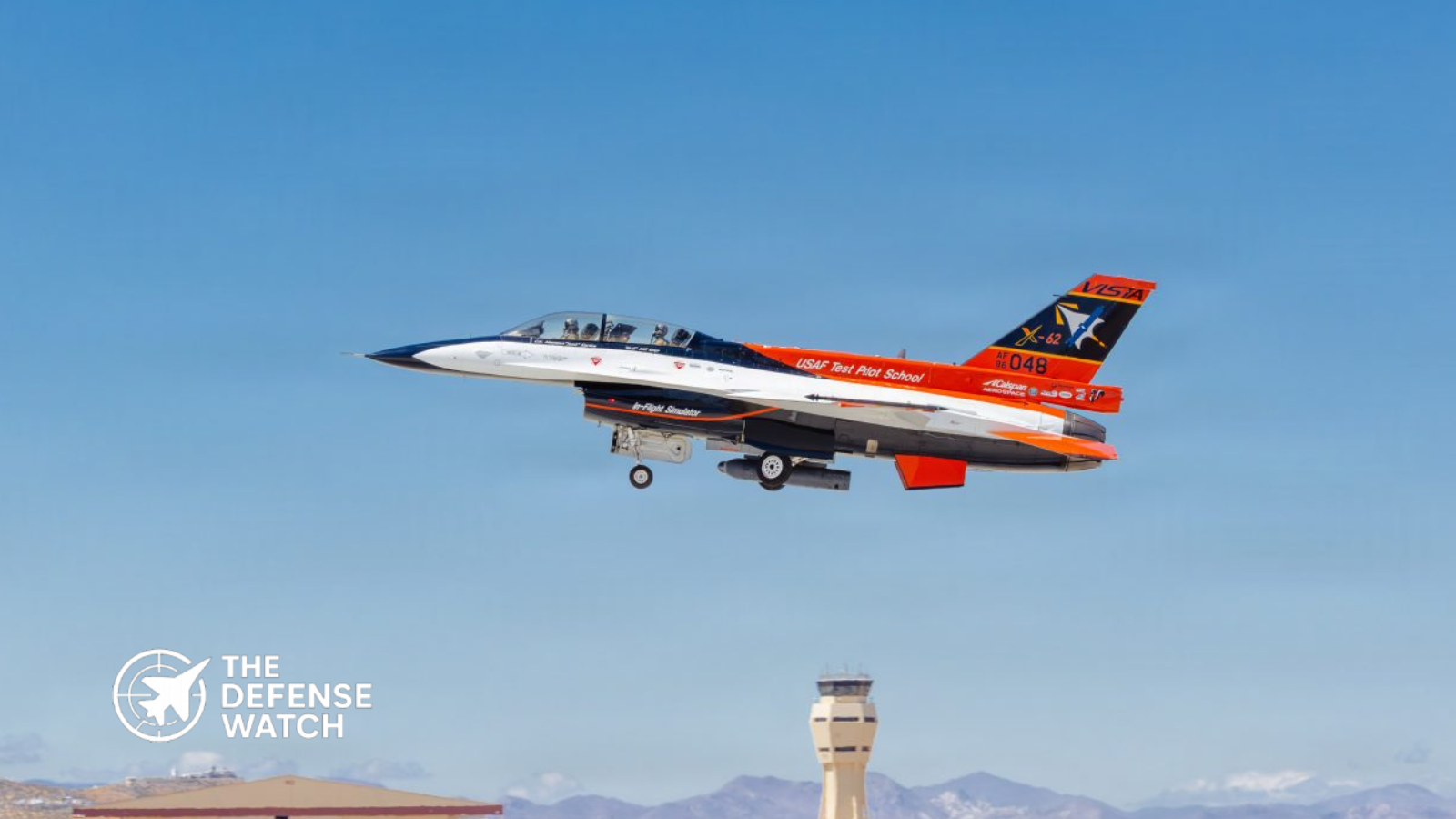
The US Air Force X-62 AI program has reached another milestone after successfully demonstrating an artificial intelligence controlled interception of airborne targets using the X-62A Variable Stability In-flight Simulator Test Aircraft (VISTA). The demonstration marks the first publicly reported instance of AI directing an intercept mission rather than solely executing defensive maneuvers or within-visual-range dogfights.

Contents
  • US Air Force Demonstrates AI Led X-62 Airborne Intercept Capability
  • How The X-62 VISTA Serves As An AI Flight Testbed
  • What Makes Airborne Interception More Challenging
  • Supporting Future Collaborative Combat Aircraft
  • AI Development Continues To Expand
  • Why This Matters

Conducted by the US Air Force Test Pilot School at Edwards Air Force Base, the test represents another step in integrating autonomous software into tactical aviation while retaining a qualified safety pilot onboard.

The demonstration builds upon several years of research under the Defense Advanced Research Projects Agency (DARPA) Air Combat Evolution initiative and ongoing Air Force autonomy programs.

How The X-62 VISTA Serves As An AI Flight Testbed

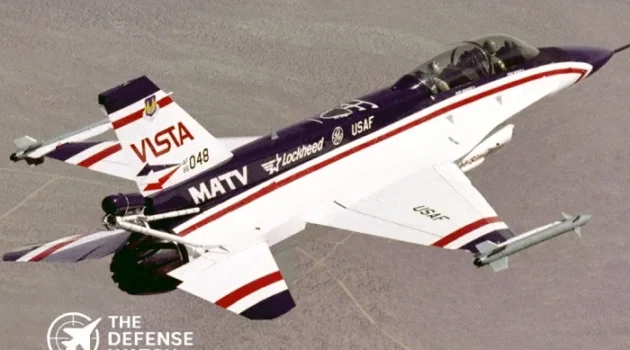
The X-62A VISTA is a heavily modified F-16D Block 30 equipped with advanced simulation software that allows engineers to rapidly install and evaluate different autonomous flight algorithms.

- Advertisement -

Unlike a conventional fighter, the aircraft can emulate multiple aircraft types and flight control characteristics through its Variable Stability In-flight Simulator architecture. Since receiving major autonomy upgrades, it has become the Air Force’s primary flying laboratory for evaluating machine learning in tactical aviation.

Previous milestones include:

  • AI controlled supersonic flight
  • Autonomous dogfight testing against human pilots
  • AI controlled defensive missile evasion
  • Evaluation of collaborative autonomous flight behaviors

The latest airborne interception demonstration expands these capabilities into another mission area that future autonomous combat aircraft are expected to perform.

  • X-62 VISTA Fighter

    X-62 VISTA Fighter

    • Generation: 4th Generation Based Platform
    • Maximum Speed: Mach 2
    • No. of Engines: 1
    • Radar Range: Classified or Not Applicable
    • View Details →
    8.0

    What Makes Airborne Interception More Challenging

    Intercepting another aircraft is significantly more complex than executing scripted maneuvers.

    The autonomous system must continuously:

    Mission FunctionAI Requirement
    Detect targetProcess sensor information rapidly
    Track aircraftPredict changing flight paths
    Maneuver safelyMaintain aircraft performance limits
    Select intercept geometryOptimize closure rates and positioning
    Adapt in real timeRespond to unexpected target maneuvers

    These functions require autonomous software to make rapid decisions while operating within strict flight safety constraints.

    Unlike demonstrations focused solely on aggressive maneuvering, interception requires balancing tactical effectiveness with safe aircraft handling throughout the engagement.

    Supporting Future Collaborative Combat Aircraft

    The demonstration directly supports the Department of the Air Force’s broader effort to field autonomous Collaborative Combat Aircraft (CCA).

    Future CCAs are expected to operate alongside crewed fighters including the F-35A and the forthcoming Next Generation Air Dominance (NGAD) platform.

    Rather than replacing pilots, autonomous aircraft are envisioned to perform missions such as:

    • Forward scouting
    • Airborne interception
    • Defensive counter air
    • Electronic warfare
    • Decoy operations
    • Cooperative missile employment

    Testing these capabilities aboard the X-62 allows engineers to validate software in realistic flight conditions before transitioning algorithms to operational uncrewed aircraft.

    AI Development Continues To Expand

    The X-62 continues to receive upgrades designed to support increasingly sophisticated autonomy testing.

    The Air Force is enhancing the aircraft with advanced mission systems, including modern radar and sensor integration, enabling autonomous software to process more representative combat information during future experiments. Those improvements are intended to support testing involving multiple aircraft and more operationally realistic scenarios.

    The aircraft also complements the VENOM (Viper Experimentation and Next-generation Operations Model) program, which is modifying additional F-16s to accelerate autonomy research across a larger test fleet.

    Why This Matters

    Although the latest demonstration remains an experimental flight test, its significance extends well beyond a single aircraft.

    Modern air combat is increasingly defined by compressed decision timelines, large numbers of airborne sensors, electronic warfare, and cooperation between crewed and uncrewed platforms. Artificial intelligence offers the potential to process information and recommend or execute tactical actions at speeds beyond human capability while allowing pilots to focus on mission command.

    • X-62 VISTA Fighter

      X-62 VISTA Fighter

      • Generation: 4th Generation Based Platform
      • Maximum Speed: Mach 2
      • No. of Engines: 1
      • Radar Range: Classified or Not Applicable
      • View Details →
      8.0

      The interception test also illustrates a gradual shift in Air Force AI development. Earlier efforts concentrated on proving that autonomous systems could safely fly an aircraft or compete in basic dogfights. Current testing is expanding into operational mission sets that reflect how autonomous aircraft may contribute during future combat operations.

      Importantly, the Air Force continues to emphasize that these demonstrations occur with extensive human oversight, rigorous safety controls, and onboard safety pilots. The objective is not fully independent combat aircraft today, but developing trusted autonomous systems that can operate alongside human aircrews in increasingly complex environments.

      As Collaborative Combat Aircraft move toward operational service later this decade, demonstrations aboard the X-62 provide valuable risk reduction by validating software in real flight conditions before integration into next generation autonomous combat platforms.
TAGGED:Artificial IntelligenceX-62 VISTA
Share This Article
Facebook Copy Link Print
ByTeamDefenseWatch
TeamDefenseWatch is the official editorial byline of TheDefenseWatch.com. Working under one umbrella, TheDefenseWatch.com, the team delivers verified, factual reporting on global defense, military technology, aerospace systems, and security developments. Articles are sourced from official statements, defense industry releases, and trusted media, with editorial review to ensure accuracy and clarity.Contact: info@TheDefenseWtach.com
Leave a Comment

Leave a Reply Cancel reply

Your email address will not be published. Required fields are marked *

Latest Defense Systems

  • RUTA B1 Cruise Missile RUTA B1 Cruise Missile
  • XQ-67A Drone XQ-67A Drone
  • B-25 Mitchell Bomber B-25 Mitchell Bomber
  • F-100 Super Sabre F-100 Super Sabre
  • North American F-86 Sabre North American F-86 Sabre
  • North American XB-70 Valkyrie North American XB-70 Valkyrie
  • Northrop YF-23 Fighter Northrop YF-23 Fighter
  • P-51 Mustang Fighter Aircraft P-51 Mustang Fighter Aircraft
  • Rafale F5 Fighter Rafale F5 Fighter

Recent Compares

  • J-10C vs JF-17 Thunder: Which Fighter Is More Capable? J-10C vs JF-17 Thunder: Which Fighter Is More Capable? View Comparison →
  • Tejas vs Gripen: Key Differences and Capabilities Tejas vs Gripen: Key Differences and Capabilities View Comparison →
  • Tejas vs MiG-21 Bison: How India Replaced Its Iconic Supersonic Fighter Tejas vs MiG-21 Bison: How India Replaced Its Iconic Supersonic Fighter View Comparison →
  • F-35 vs F-16: Stealth, Sensors and Combat Roles F-35 vs F-16: Stealth, Sensors and Combat Roles View Comparison →
  • Tejas Fighter Jet vs F-16 Fighting Falcon: Capability Compared Tejas Fighter Jet vs F-16 Fighting Falcon: Capability Compared View Comparison →
  • Rafale Fighter Jet vs F-16 Fighting Falcon : Which Fighter Has the Edge? Rafale Fighter Jet vs F-16 Fighting Falcon : Which Fighter Has the Edge? View Comparison →
  • Su-57 Fighter Jet vs J-20 Fighter Jet: Stealth and Air Combat Compared Su-57 Fighter Jet vs J-20 Fighter Jet: Stealth and Air Combat Compared View Comparison →
  • Mirage 2000 vs Tejas Mk1A: Legacy Combat Power vs Indigenous Modernization Mirage 2000 vs Tejas Mk1A: Legacy Combat Power vs Indigenous Modernization View Comparison →
  • Rafale Fighter Jet vs F-22 Raptor: Which Air Dominance Fighter Has the Edge? Rafale Fighter Jet vs F-22 Raptor: Which Air Dominance Fighter Has the Edge? View Comparison →
  • Tejas Fighter Jet vs. Rafale Fighter Jet: India’s Indigenous Fighter Meets France’s Proven Multirole Combat Aircraft Tejas Fighter Jet vs. Rafale Fighter Jet: India’s Indigenous Fighter Meets France’s Proven Multirole Combat Aircraft View Comparison →

Recent Posts

  • Phoenix Defense Ventures Wins $310.5 Million HH-60W Training Contract
  • Rolls-Royce Showcases Naval Engines and Automation Systems at Euronaval 2026
  • North Korea Tests Cruise Missile With Dispersal Warhead, KCNA Says
  • Saab Unveils Next-Generation 9LV Naval Combat System
  • Saab Flies Its Own AI Fighter Agents on Gripen E in BVR Combat Trials

You Might Also Like

U.S. bomber readiness
Aerospace & AviationFighter Jets & Military Aircraft

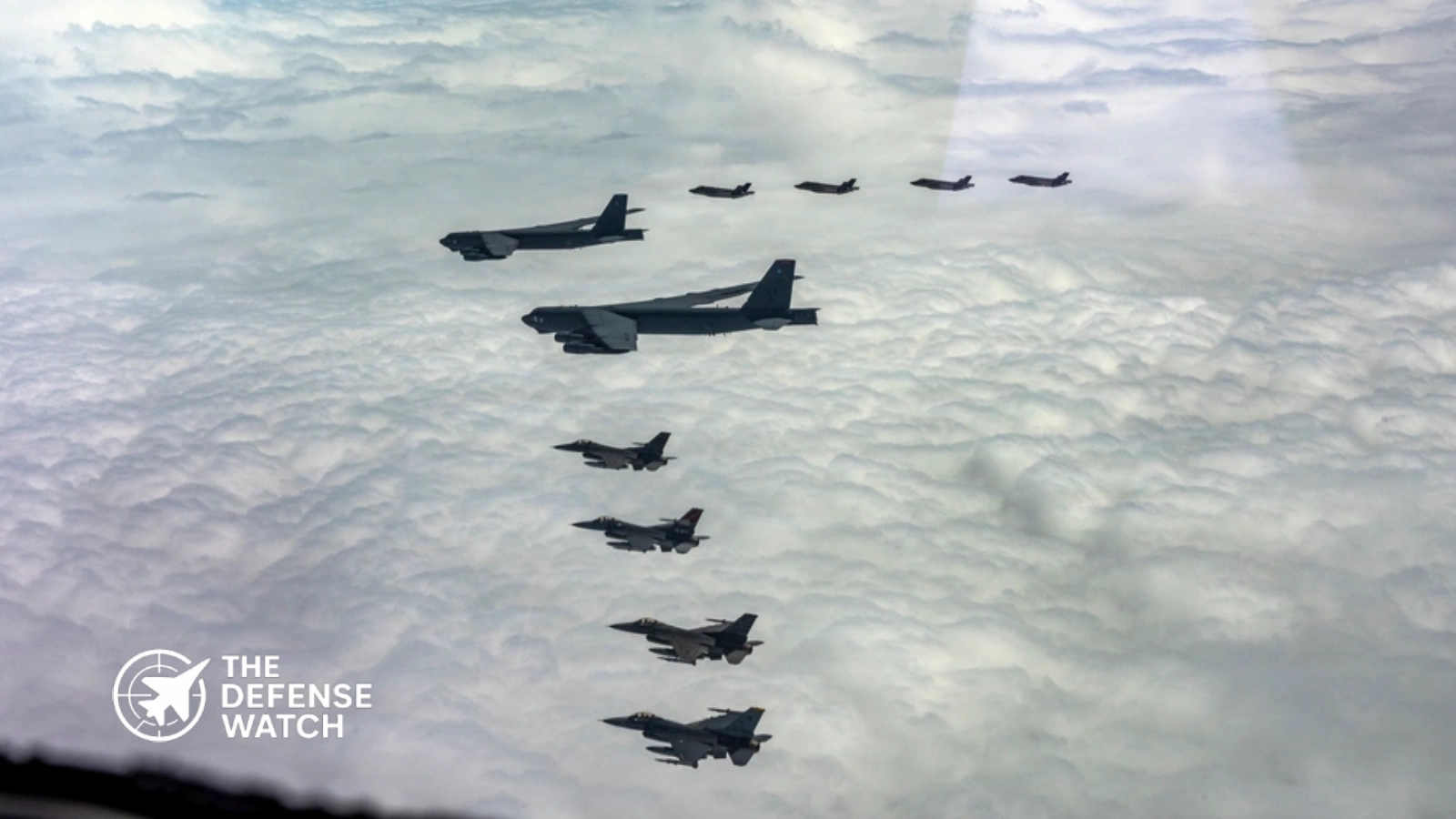
U.S. Air Force Pushes To Put More B-52 And B-1 Bombers Back Into Service

September 14, 2026
VH-92A engine torque testing
Aerospace & AviationFighter Jets & Military Aircraft

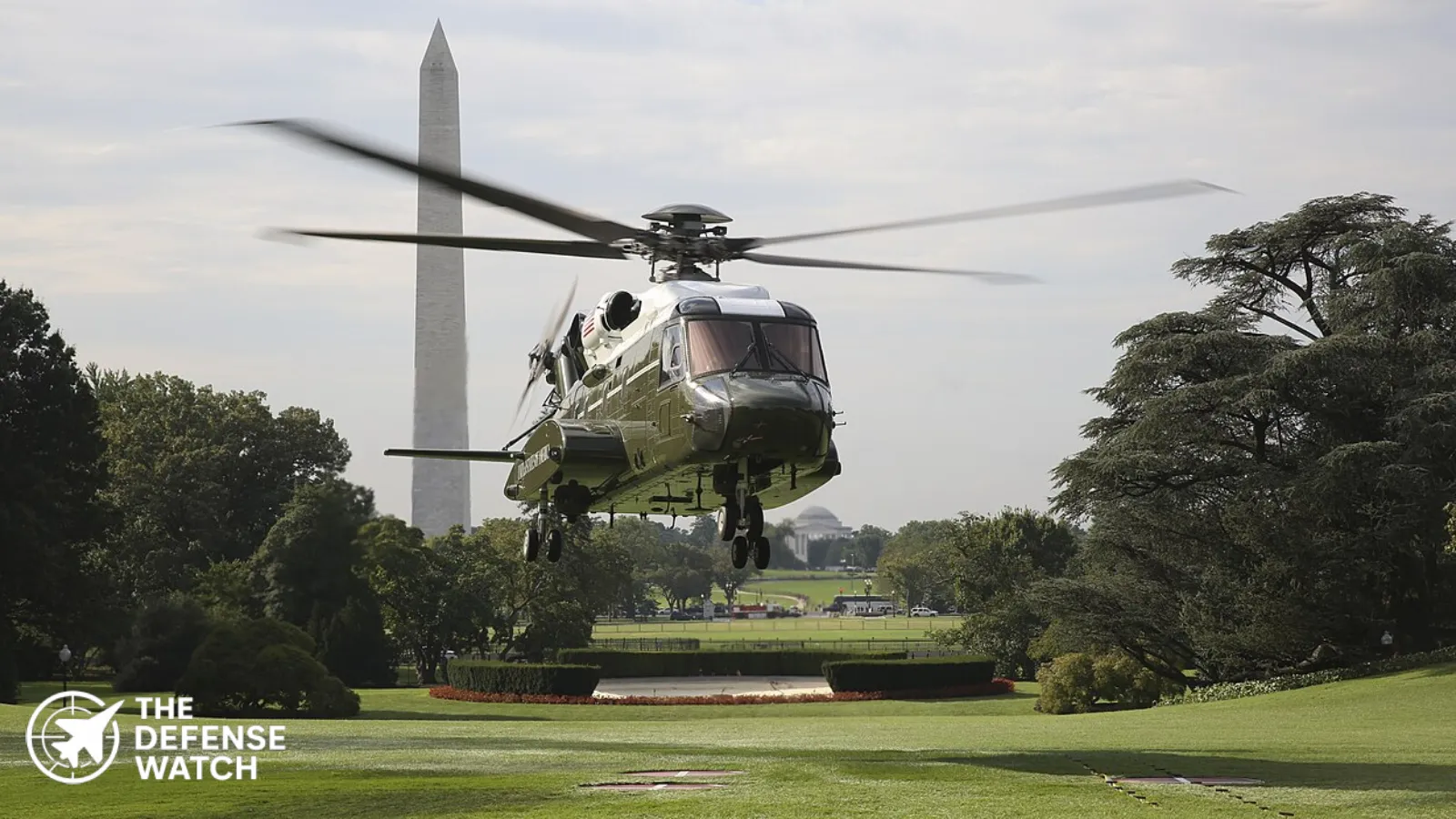
US Navy Awards Sikorsky $21.6M VH-92A Engine Torque Test Contract

September 12, 2026
B-21 Raider production acceleration
Aerospace & AviationFighter Jets & Military Aircraft

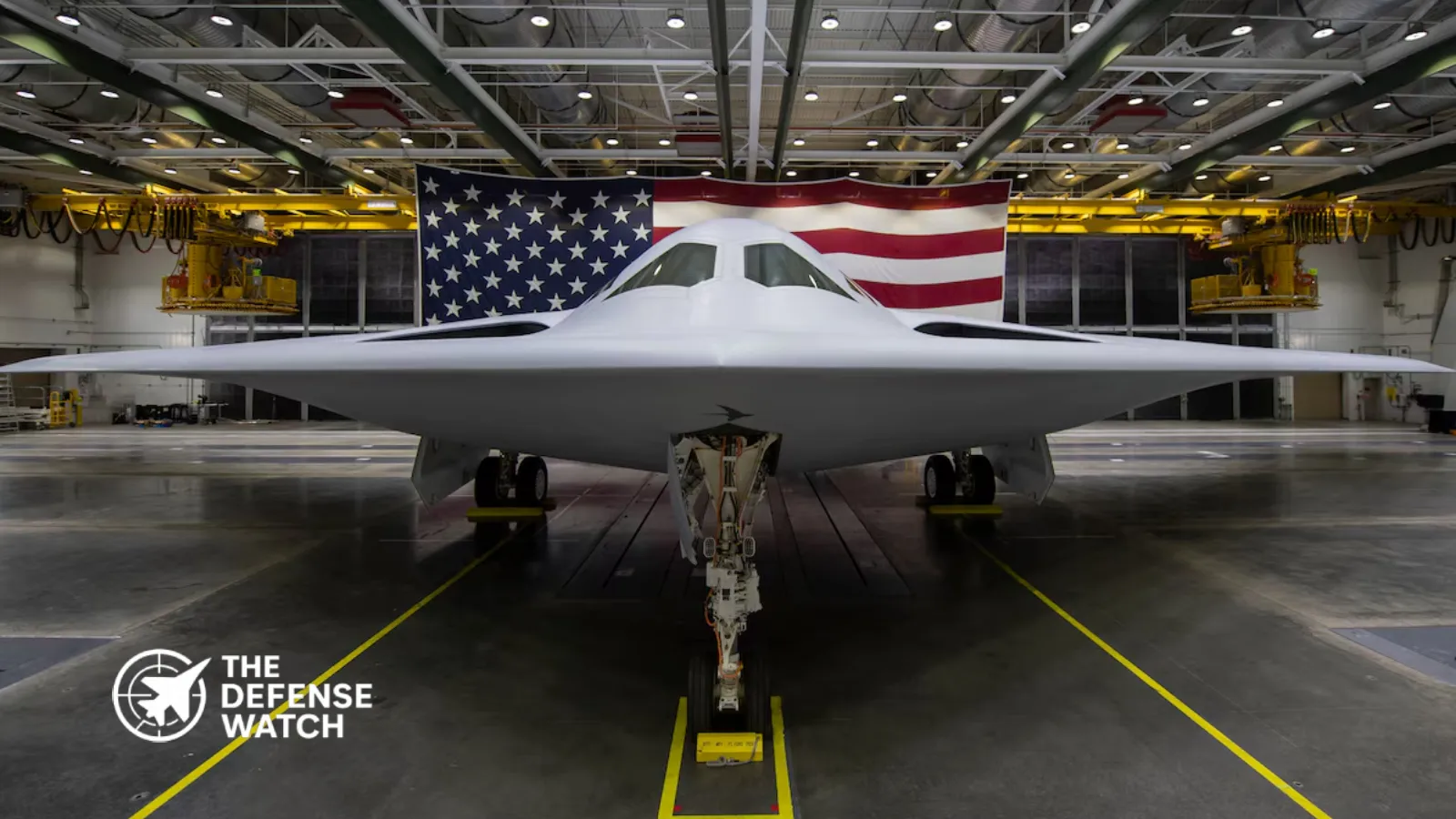
How the B-21 Raider Production Surge Reshapes U.S. Long-Range Strike Strategy

September 7, 2026
Russian Su-57D twin-seat stealth fighter concept designed for drone control and manned-unmanned teaming missions.
Aerospace & AviationStealth Technology

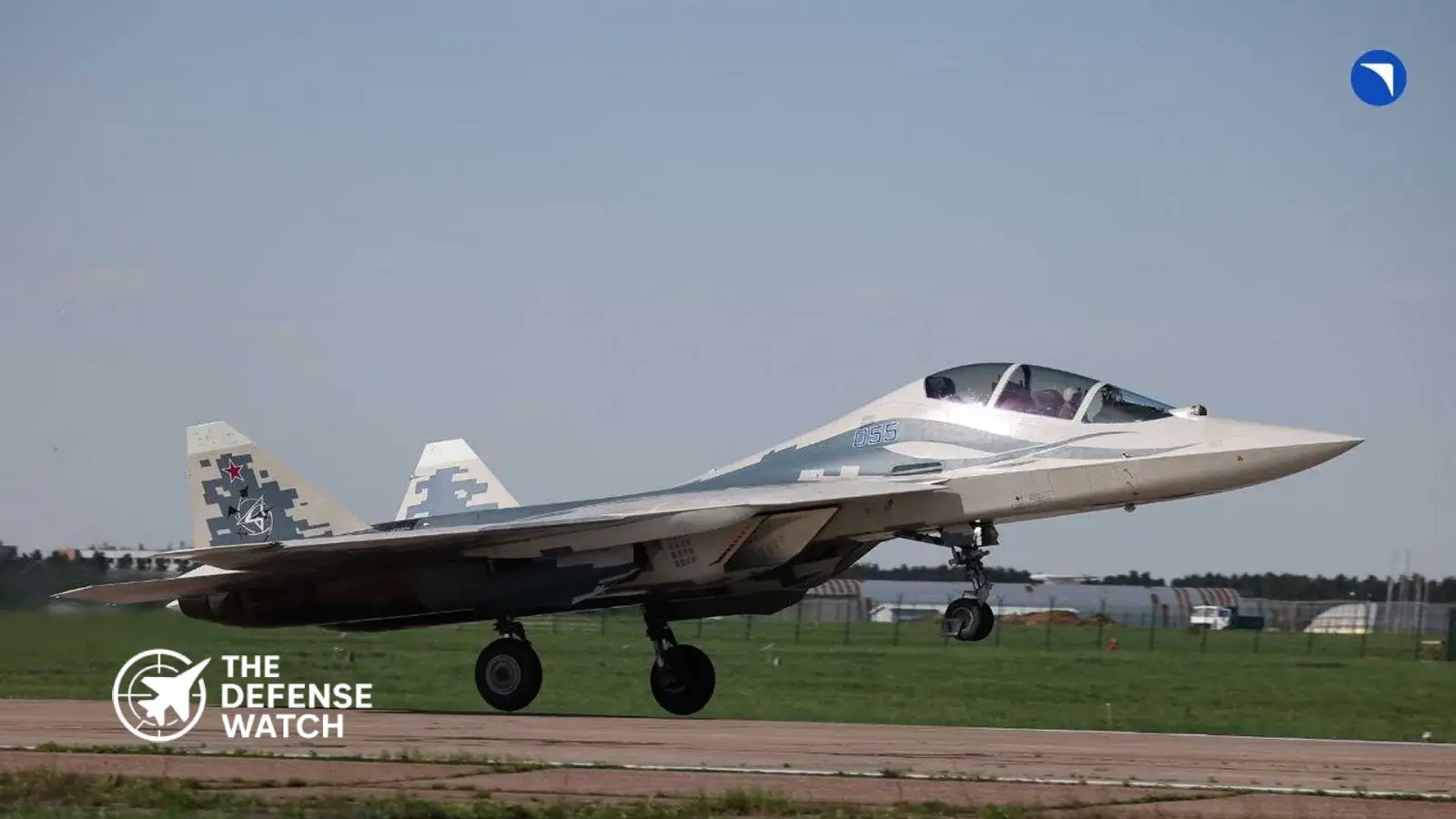
Russia Unveils Su-57D Twin-Seat Stealth Fighter To Expand Drone Command Capability

September 12, 2026

Logo

Copyright © 2026 TheDefenseWatch.com

Helpful Links

  • Home
  • About Us
  • Privacy Policy
  • Terms of Use / Disclaimer
  • U.S. Privacy Notice – CCPA Compliance

Defense Systems

  • Defense Systems
  • Comparisons 
  • Manufacturer
  • Tactical Calculators

Popuplar

Which 5 Air Forces Possess the Costliest Fighter Jet Fleets in the World
Evolving Strategic Value: Carrier Strike Groups in the Indo-Pacific’s Future Security Architecture
Autonomous Weapon Systems Spark U.S. Ethics Debate Amid Rapid Military AI Integration

We report on developments involving military forces, governments, defense companies, research organizations, and security institutions around the world. 

Welcome Back!

Sign in to your account

Username or Email Address
Password

Lost your password?