• Home
  • About
  • Defense Systems
  • Manufacturer
  • Comparisons
  • Compare 
  • Tools
TheDefenseWatch.com
  • Aerospace & Aviation
  • Military & Ordnance
  • Naval & Maritime
  • Cyber & Space Defense
  • Policy & Strategy
  • Global News
  • Tools Library
    • Smart Calculator
    • Drone Flight Time Calculator
    • Drone Range Calculator
    • Counter-Drone Jammer Effective Range Calculator
    • Counter-Battery Radar Detection Calculator
    • Artillery Fire Correction Calculator
    • Thermal Camera Detection Range Calculator
    • Missile Range & Time-of-Flight Calculator
    • Radar Detection Range Calculator
    • FPV Strike Drone Payload vs Range Calculator
    • Loitering Munition Endurance Calculator
    • Sniper Ballistic Drop & Windage Calculator
    • Bullet Drop Calculator
    • U.S. Army Combat Fitness Test (ACFT) Calculator
    • Military Pension Calculator
    • Military Retirement Calculator
    • Military Pension Calculator
    • Large Number Calculator
Font ResizerAa

TheDefenseWatch.com

The Defense Watch | U.S. & Global Defense News, Analysis & Military Updates

Search
  • Home
  • About
  • Defense Systems
  • Manufacturer
  • Comparisons
  • Compare 
  • Tools

Stay Updated

Get the latest update

Subscribe

Explore

  • Drone
  • Fighter Jets & Military Aircraft
  • Hypersonic Weapons
  • Aircraft Carriers
  • Strategic History & Missions
  • Tools Library
Home » NATO Expands Maritime Power As Europe’s Largest Naval Exercise Kicks Off In May
Naval & MaritimeNaval Strategy & Maritime Security

NATO Expands Maritime Power As Europe’s Largest Naval Exercise Kicks Off In May

Samuel Drake | Defense Analyst
Last updated: September 7, 2026 1:00 pm
Samuel Drake | Defense Analyst
Share
2 Min Read
Europe largest naval exercise
SHARE

Europe’s Largest Naval Exercise Signals NATO’s Maritime Shift

Europe’s largest naval exercise is set to unfold in May 2026, bringing together a wide range of NATO forces in a coordinated display of maritime power and operational readiness. The масштаб drills, highlight how the alliance is adapting its naval strategy amid growing security pressures across European waters.

Contents
  • Europe’s Largest Naval Exercise Signals NATO’s Maritime Shift
  • Scale And Scope Of Multinational Operations
  • Strategic Context Driving The Exercise
  • Operational Focus And Capabilities
  • Analysis: Why This Exercise Matters Now
  • Broader Implications For NATO Strategy

The exercise involves dozens of warships, submarines, and aircraft from multiple NATO member states, operating across key maritime regions. Participating forces are expected to conduct complex scenarios, including anti-submarine warfare, amphibious landings, air defense operations, and coordinated strike missions.

¦ KEY FACTS AT A GLANCE
  • Europe’s largest naval exercise is set to take place in May 2026, involving multiple NATO member states.
  • The drills include surface ships, submarines, aircraft, and amphibious forces operating across key maritime zones.
  • The exercise focuses on interoperability, maritime security, and high-intensity conflict scenarios.
  • It reflects NATO’s response to rising tensions and increased military activity in European waters.
  • The event underscores the alliance’s commitment to collective defense and naval readiness.

This large-scale event is not just a routine training cycle. It reflects a broader shift in NATO’s posture, emphasizing readiness for high-intensity conflict and rapid response across contested maritime environments.

Scale And Scope Of Multinational Operations

The scale of Europe’s largest naval exercise underscores NATO’s focus on interoperability. Forces from different nations will operate under a unified command structure, testing their ability to integrate systems, share intelligence, and execute joint missions in real time.

- Advertisement -

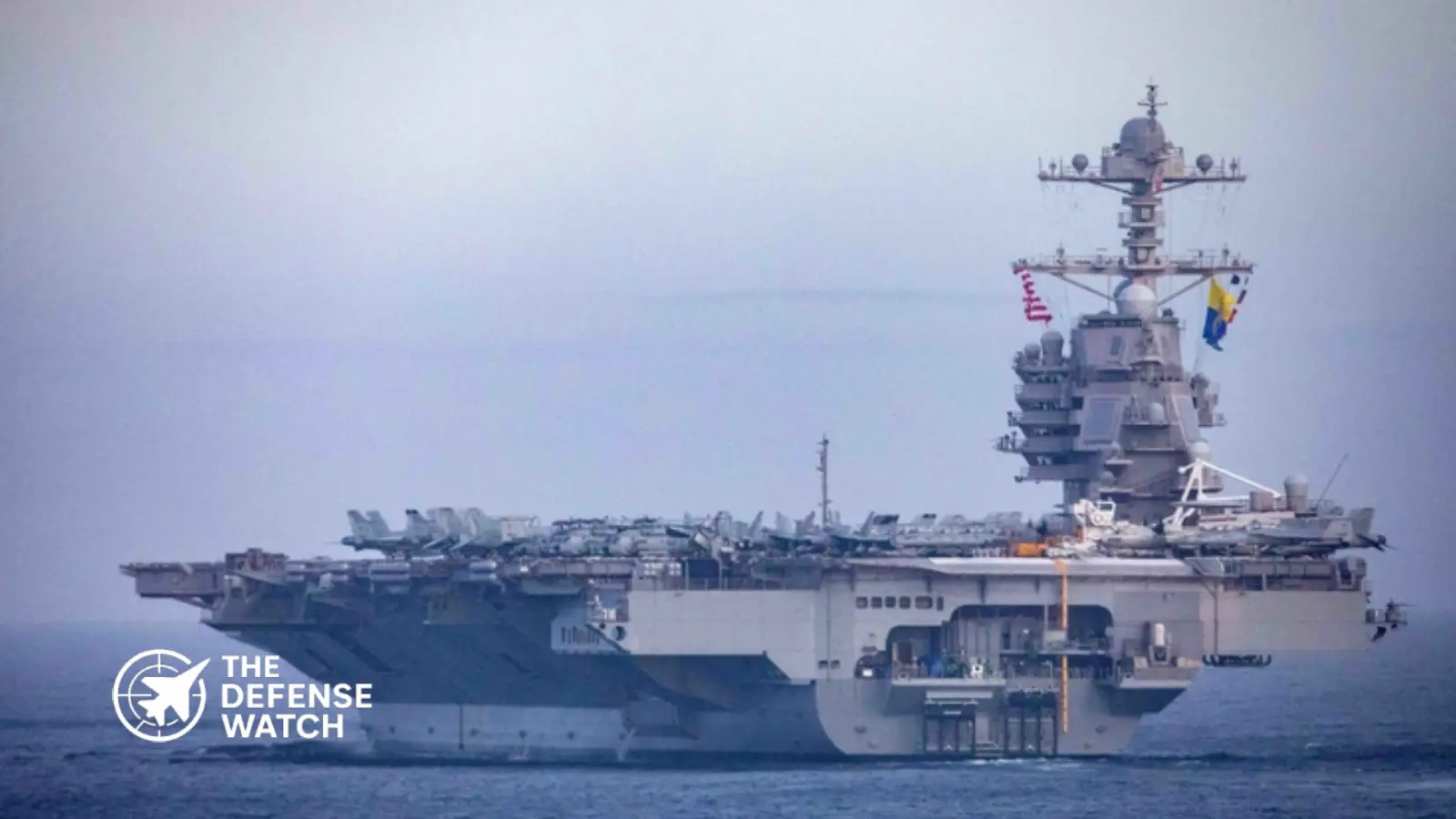
Naval exercises of this magnitude typically involve carrier strike groups, destroyers, frigates, and support vessels, along with maritime patrol aircraft and helicopters. Submarine operations play a critical role, especially in detecting and countering underwater threats, a domain that has gained renewed importance in recent years.

According to defense analysts, such exercises serve as a proving ground for combined operations. They allow allied forces to refine tactics, validate communication systems, and ensure compatibility across platforms built by different nations.

Strategic Context Driving The Exercise

The timing of Europe’s largest naval exercise is closely linked to evolving geopolitical dynamics. Increased naval activity in the North Atlantic, Baltic Sea, and Mediterranean has raised concerns among NATO members, prompting a stronger emphasis on maritime deterrence.

Recent years have seen a resurgence in great power competition at sea. This includes expanded submarine patrols, contested shipping lanes, and heightened surveillance activity. In response, NATO has prioritized maintaining freedom of navigation and securing critical sea lines of communication.

The exercise also reflects lessons learned from recent conflicts and military developments. Modern naval warfare increasingly involves integrated operations across domains, including cyber, space, and electronic warfare. Training scenarios now simulate these conditions, preparing forces for complex, multi-layered threats.

Operational Focus And Capabilities

Europe’s largest naval exercise will test a wide range of capabilities. Anti-submarine warfare remains a central focus, given the strategic importance of detecting and tracking adversary submarines in contested waters.

Air defense operations are another key element. Participating forces will simulate defending fleets against missile and drone threats, reflecting the growing role of unmanned systems in modern conflict.

Amphibious operations are also expected to feature prominently. These drills test the ability to deploy troops and equipment from sea to shore, a capability that remains vital for rapid response and expeditionary missions.

- Advertisement -

From an operational perspective, the exercise provides an opportunity to assess readiness at scale. It allows commanders to evaluate how quickly forces can mobilize, coordinate, and sustain operations over extended periods.

Analysis: Why This Exercise Matters Now

At least part of the significance of Europe’s largest naval exercise lies in what it signals rather than just what it does. The scale and visibility of the drills serve as a strategic message, reinforcing NATO’s commitment to collective defense and deterrence.

The exercise also highlights a shift toward more frequent and complex multinational training. As threats evolve, so does the need for integrated responses. No single nation can address these challenges alone, making joint exercises essential for maintaining a credible defense posture.

Another key factor is the increasing importance of maritime domains in global security. Sea routes remain critical for trade, energy supply, and military mobility. Ensuring their security is a top priority for NATO, particularly in regions where tensions are rising.

From a capability standpoint, the exercise helps identify gaps and areas for improvement. It provides real-world data on how systems perform under pressure, informing future investments and modernization efforts.

Broader Implications For NATO Strategy

Europe’s largest naval exercise aligns with NATO’s broader strategic objectives, including strengthening deterrence, enhancing readiness, and improving interoperability. It also supports the alliance’s focus on forward presence, ensuring that forces can operate effectively in key regions.

The drills are likely to influence future training cycles, shaping how NATO prepares for emerging threats. They may also inform policy decisions related to defense spending, force structure, and capability development.

For European nations, the exercise reinforces the importance of maintaining strong naval forces. It highlights the need for continued investment in ships, submarines, and supporting infrastructure, as well as advanced technologies such as unmanned systems and networked warfare capabilities.


TAGGED:Europe defenseMaritime Securitymilitary drillsNATOnaval exercise
Share This Article
Facebook Copy Link Print
BySamuel Drake | Defense Analyst
Follow:
Samuel Drake is a defense analyst at TheDefenseWatch.com covering naval warfare, military ordnance, maritime technology, fleet modernization, and defense procurement. His reporting focuses on documented capabilities, procurement programs, and military technology.
Leave a Comment

Leave a Reply Cancel reply

Your email address will not be published. Required fields are marked *

Latest Defense Systems

  • RUTA B1 Cruise Missile RUTA B1 Cruise Missile
  • XQ-67A Drone XQ-67A Drone
  • B-25 Mitchell Bomber B-25 Mitchell Bomber
  • F-100 Super Sabre F-100 Super Sabre
  • North American F-86 Sabre North American F-86 Sabre
  • North American XB-70 Valkyrie North American XB-70 Valkyrie
  • Northrop YF-23 Fighter Northrop YF-23 Fighter
  • P-51 Mustang Fighter Aircraft P-51 Mustang Fighter Aircraft
  • Rafale F5 Fighter Rafale F5 Fighter

Recent Compares

  • J-10C vs JF-17 Thunder: Which Fighter Is More Capable? J-10C vs JF-17 Thunder: Which Fighter Is More Capable? View Comparison →
  • Tejas vs Gripen: Key Differences and Capabilities Tejas vs Gripen: Key Differences and Capabilities View Comparison →
  • Tejas vs MiG-21 Bison: How India Replaced Its Iconic Supersonic Fighter Tejas vs MiG-21 Bison: How India Replaced Its Iconic Supersonic Fighter View Comparison →
  • F-35 vs F-16: Stealth, Sensors and Combat Roles F-35 vs F-16: Stealth, Sensors and Combat Roles View Comparison →
  • Tejas Fighter Jet vs F-16 Fighting Falcon: Capability Compared Tejas Fighter Jet vs F-16 Fighting Falcon: Capability Compared View Comparison →
  • Rafale Fighter Jet vs F-16 Fighting Falcon : Which Fighter Has the Edge? Rafale Fighter Jet vs F-16 Fighting Falcon : Which Fighter Has the Edge? View Comparison →
  • Su-57 Fighter Jet vs J-20 Fighter Jet: Stealth and Air Combat Compared Su-57 Fighter Jet vs J-20 Fighter Jet: Stealth and Air Combat Compared View Comparison →
  • Mirage 2000 vs Tejas Mk1A: Legacy Combat Power vs Indigenous Modernization Mirage 2000 vs Tejas Mk1A: Legacy Combat Power vs Indigenous Modernization View Comparison →
  • Rafale Fighter Jet vs F-22 Raptor: Which Air Dominance Fighter Has the Edge? Rafale Fighter Jet vs F-22 Raptor: Which Air Dominance Fighter Has the Edge? View Comparison →
  • Tejas Fighter Jet vs. Rafale Fighter Jet: India’s Indigenous Fighter Meets France’s Proven Multirole Combat Aircraft Tejas Fighter Jet vs. Rafale Fighter Jet: India’s Indigenous Fighter Meets France’s Proven Multirole Combat Aircraft View Comparison →

Recent Posts

  • U.S. Plans Resilient Military Bases With Independent Power and Water Systems
  • China Addresses Report on New Nuclear Submarine Missile Test
  • Destinus Produces 1,750 Ruta B1 Cruise Missiles as European Output Expands
  • Boeing Wins $11.1 Million Contract Modification for Kuwait F/A-18 Training Support
  • U.S. Navy Awards $23.1 Million Contract for Cybersecurity of Shipboard Power Systems

You Might Also Like

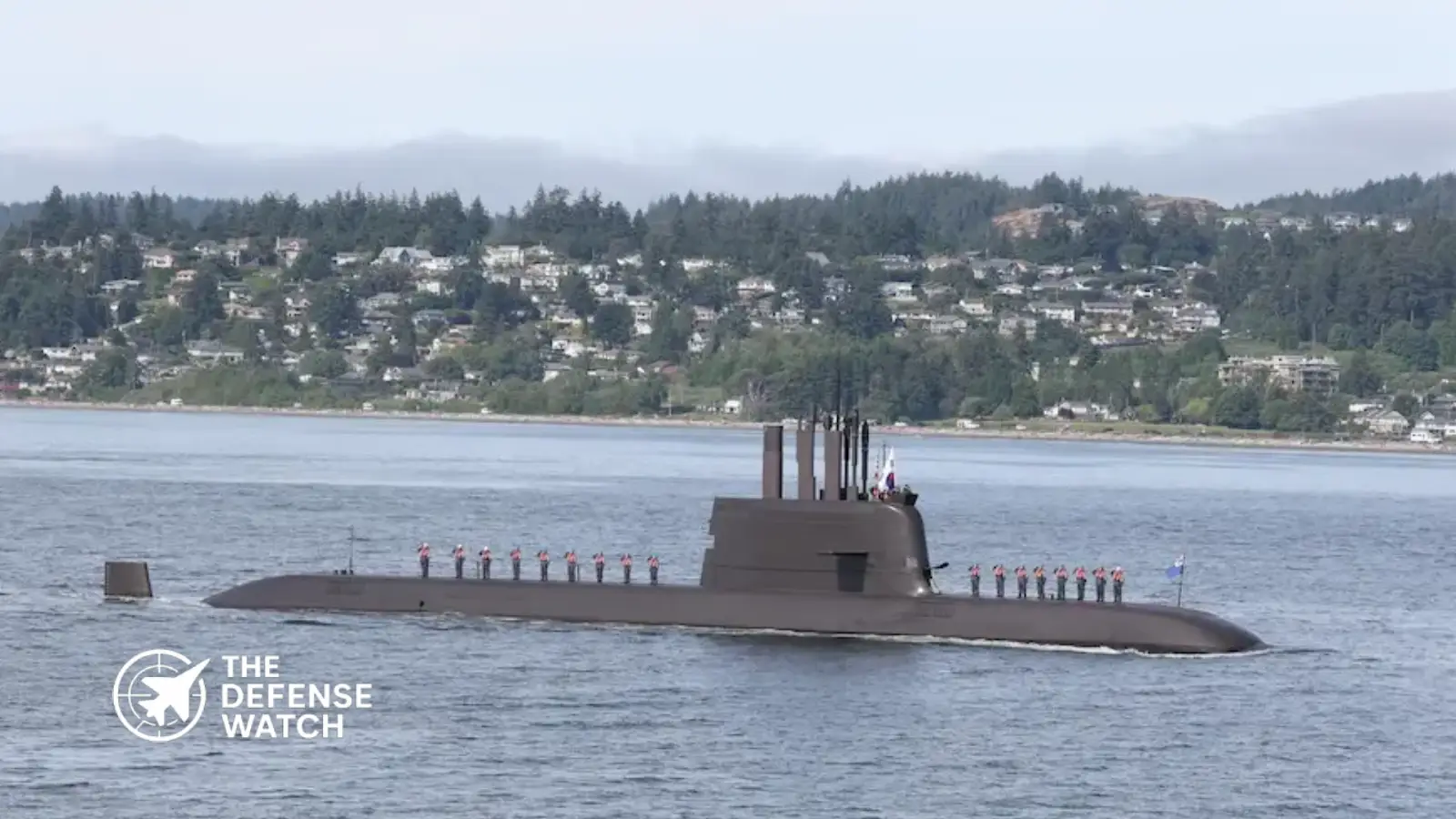
Hanwha Ocean KSS-III submarine arrives in Canada during deployment supporting Ottawa’s future patrol submarine acquisition program
Naval & MaritimeSubmarines

Hanwha Ocean Expands Submarine Reach In Canada With KSS-III Patrol Bid

September 7, 2026
Nuclear Submarines
Naval & MaritimeSubmarines

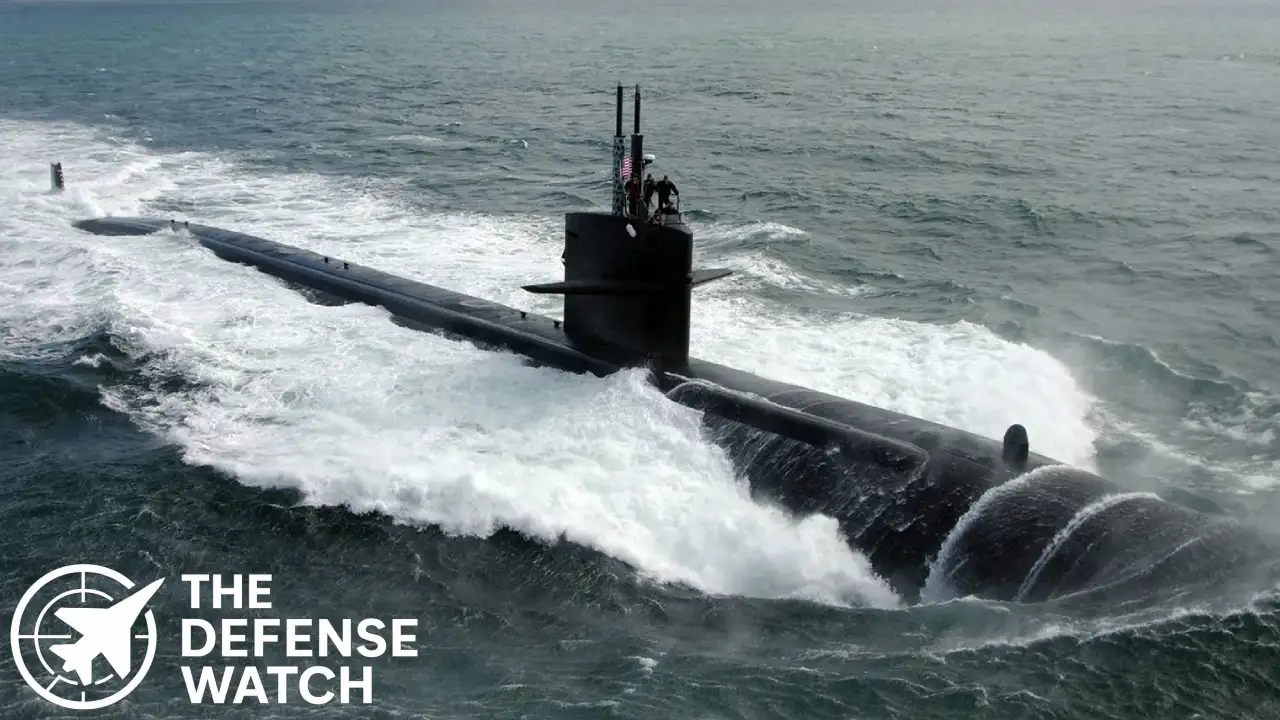
Nuclear Submarines Explained: Silent Strength of the U.S. Navy

September 29, 2025
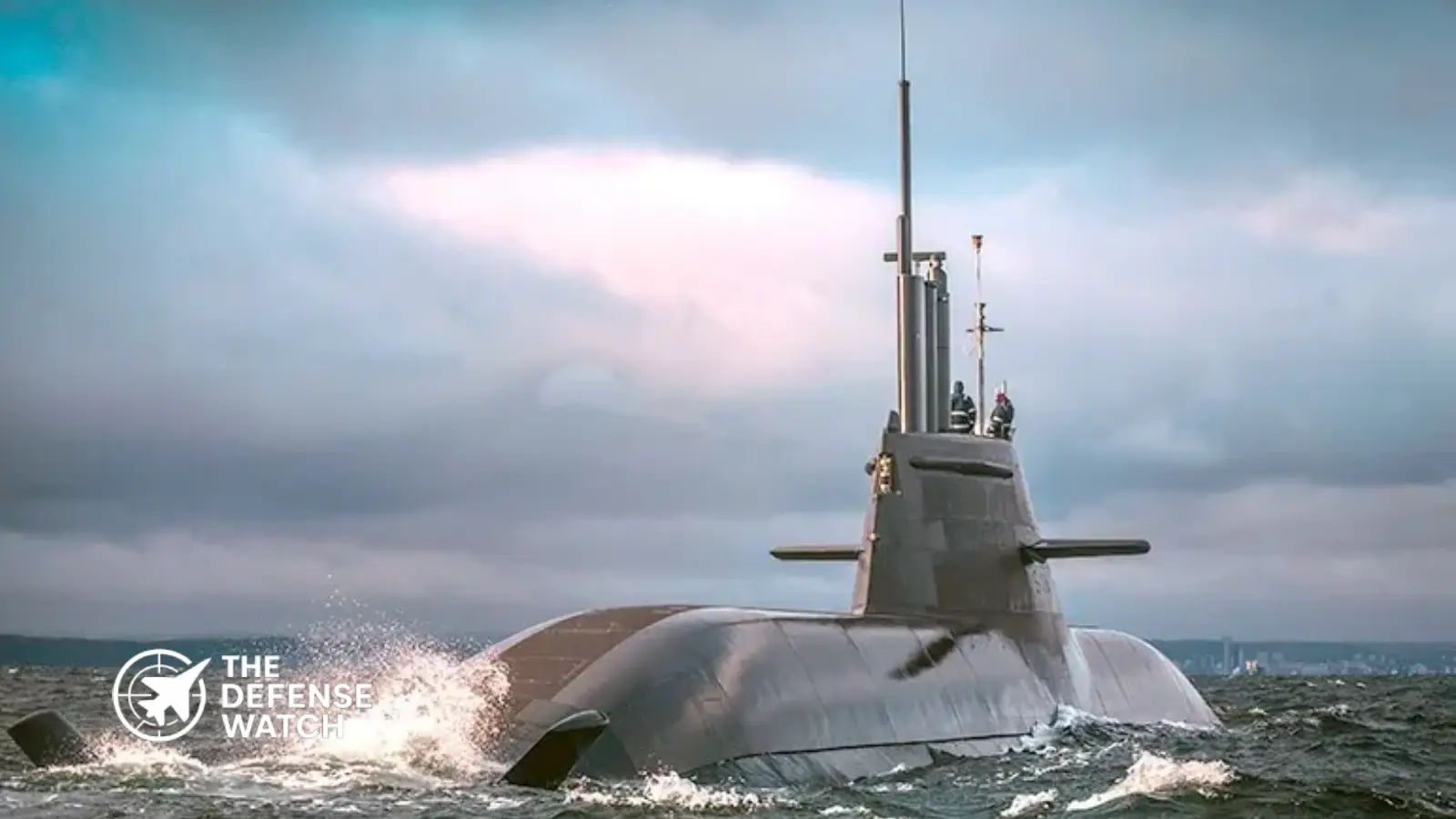
German Type 212CD submarine concept presented as part of Canada's future submarine competition during CANSEC 2026.
Naval & MaritimeSubmarines

Germany Moves To Secure Canada Submarine Deal As $86 Billion Industrial Package Shapes Type 212CD Bid

September 7, 2026
NATO maritime exercises
Alliances & DoctrinesPolicy & Strategy

NATO Moves To Strengthen Maritime Readiness As Political Debate Over Alliance Intensifies

September 7, 2026

Logo

Copyright © 2026 TheDefenseWatch.com

Helpful Links

  • Home
  • About Us
  • Privacy Policy
  • Terms of Use / Disclaimer
  • U.S. Privacy Notice – CCPA Compliance

Defense Systems

  • Defense Systems
  • Comparisons 
  • Manufacturer
  • Tactical Calculators

Popuplar

Which 5 Air Forces Possess the Costliest Fighter Jet Fleets in the World
Evolving Strategic Value: Carrier Strike Groups in the Indo-Pacific’s Future Security Architecture
Autonomous Weapon Systems Spark U.S. Ethics Debate Amid Rapid Military AI Integration

We report on developments involving military forces, governments, defense companies, research organizations, and security institutions around the world. 

Welcome Back!

Sign in to your account

Username or Email Address
Password

Lost your password?