
- Italian Prime Minister Giorgia Meloni announced on April 14, 2026 that Rome is suspending the automatic renewal of its bilateral defense cooperation agreement with Israel.
- The agreement — originally signed in 2003 and ratified in 2005 — covers military equipment transfers, technology research, joint training, and defense industrial cooperation.
- The suspension follows an April 8, 2026 incident in which Israeli forces fired warning shots at a convoy of Italian UNIFIL peacekeepers in southern Lebanon, damaging at least one vehicle.
- Italy had already halted new arms export licenses to Israel in October 2024, while continuing to fulfill pre-war approved orders.
- The move signals a broader European strategic repositioning on Israel, with France and Spain also reporting UNIFIL incidents involving their peacekeeping contingents.
Italy Freezes Israel Defense Pact as UNIFIL Incidents Push Rome Toward Strategic Break
Italy’s suspension of its defense cooperation agreement with Israel marks one of the most significant diplomatic ruptures between Rome and Tel Aviv in decades — and it reflects a broader, accelerating fracture between Israel and its European partners over the conduct of military operations in Lebanon.
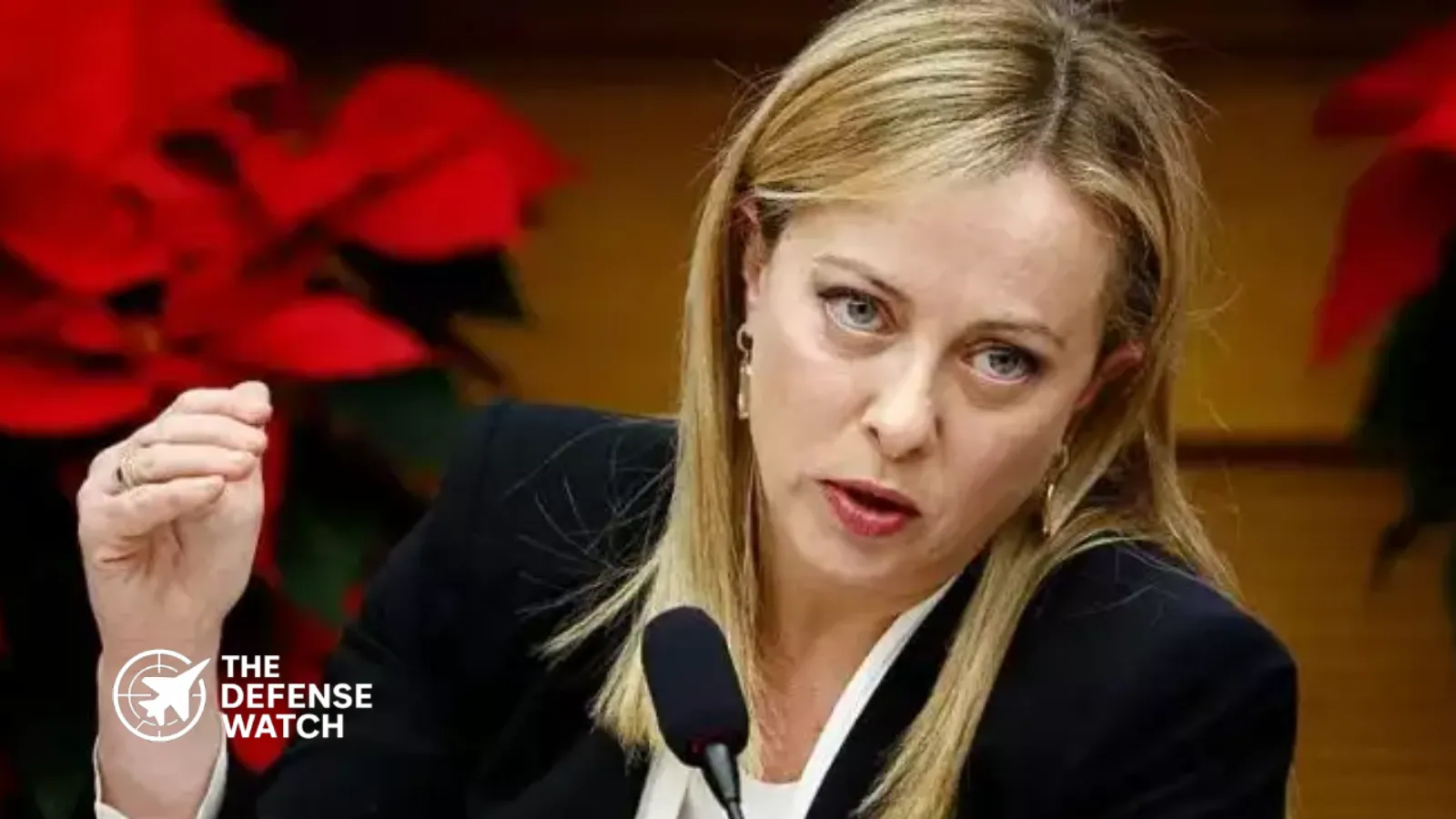
Italian Prime Minister Giorgia Meloni announced the freeze on Tuesday, stating that her government had decided to suspend the automatic renewal of the defense cooperation deal with Israel, citing ongoing conflicts in the Middle East. The announcement was made on the sidelines of the Vinitaly wine industry event in Verona, an understated venue for a decision carrying significant geopolitical weight.
A Two-Decade Framework — Now on Hold
The memorandum was originally signed in 2003 and ratified by the Italian parliament in 2005, renewing automatically every five years since. The pact provided a framework for cooperation in military equipment and technology research, as well as the import, export, and transit of military material. It also covered armed forces training, defense procurement policy, and military agreements between private companies in both countries, subject to government authorization.
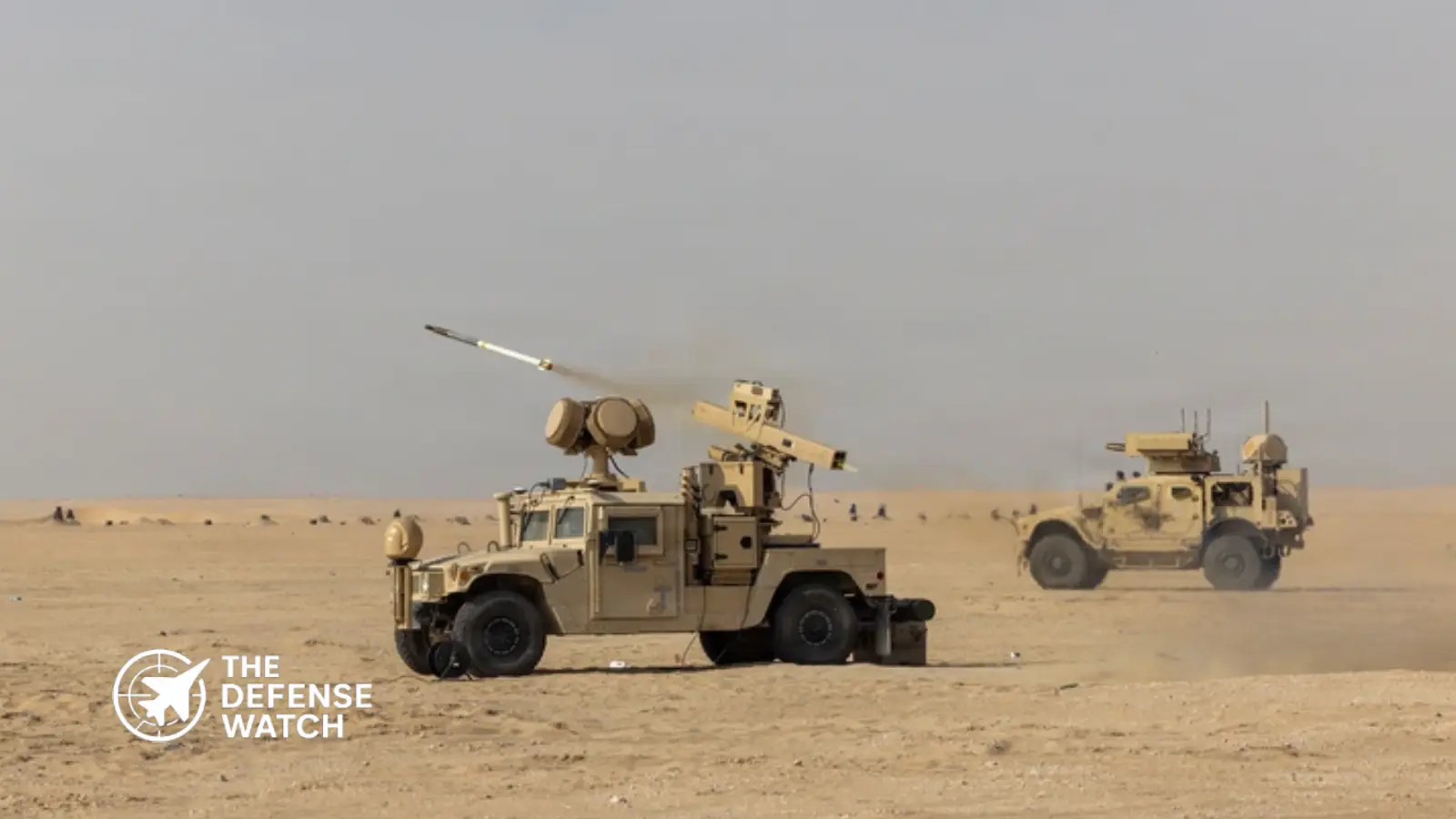
In practical terms, the agreement enabled significant reciprocal procurement. Under a 2020 deal finalized within this framework, the Israeli Air Force purchased Italian-made AW119Kx training helicopters from Leonardo, while Italy acquired Spike missile launchers and missiles from Rafael, along with helicopter simulators from Elbit Systems.
A defense ministry source confirmed that one immediate consequence of the suspension is that Italy will no longer cooperate with Israel on military training. However, the suspension does not affect existing contracts or deliveries already underway.
The UNIFIL Trigger
The diplomatic deterioration did not occur in a vacuum. On April 8, 2026, Israeli forces fired warning shots at a convoy of Italian UNIFIL peacekeepers traveling from Shama to Beirut, damaging at least one vehicle. No injuries were reported, but the incident prompted Rome to summon Israel’s ambassador.
The response from Rome was swift and unambiguous. Foreign Minister Antonio Tajani sharply criticized Israeli attacks on Lebanese civilians, and the Italian government accused Israeli forces of firing on the UN convoy. On April 13, 2026, Israel summoned Italy’s ambassador in response, after Tajani condemned what he called unacceptable attacks on civilians during a visit to Beirut.
The UNIFIL incident was not isolated. The episode came amid a broader deterioration in relations between Israel and European troop contributors in southern Lebanon. The incident with Italian peacekeepers followed Israeli forces briefly detaining a Spanish peacekeeper during the stop of a UNIFIL logistics convoy in southern Lebanon. France had also condemned what it described as absolutely unacceptable intimidation of its UNIFIL contingent following three separate incidents involving French peacekeepers on March 28, 2026.
Rome’s Gradual Pivot Away From Tel Aviv
Italy’s move should be read against a longer arc of policy recalibration, not as a sudden reversal. Italy had already halted new arms export licenses to Israel in October 2024, while continuing to execute orders approved before the Gaza war. The defense agreement suspension is thus the latest — and most consequential — step in a deliberate, step-by-step distancing from Israeli military cooperation.
Meloni’s right-wing government had previously been one of Israel’s closest allies in Europe, but in recent weeks it has criticized Israeli attacks on Lebanon, particularly as those attacks have affected Italian troops serving under a UN mandate.
Meloni’s statement in Verona also reflected broader economic anxieties tied to regional instability. She called for efforts to stabilize the situation and reopen the Strait of Hormuz, describing it as a critical lifeline for Italy not only for fuel but also for fertilizer supplies vital to the agricultural sector.
European Consensus Forming Against Israeli Military Conduct
Italy’s suspension fits squarely into a pattern of European governments reassessing their defense relationships with Israel in response to operations in Gaza and Lebanon.
At the end of March 2026, Israel also said it would reduce defense procurement from France to zero, a move with limited practical effect given the relatively small scale of arms sales between the two countries. Nevertheless, the symbolic dimension of these mutual pullbacks is significant — Israel is simultaneously losing ground with several NATO-member governments that had previously been sympathetic to its security concerns.
From a strategic analysis standpoint, the cumulative effect of these European posture shifts — from arms licensing freezes to outright suspension of bilateral defense frameworks — is beginning to reshape the diplomatic landscape in which Israel operates. While the U.S. remains Israel’s primary strategic patron and arms supplier, the erosion of European political cover carries real costs: diplomatically at the UN, operationally in Lebanon where European UNIFIL contingents provide a stabilizing presence, and industrially as defense-industrial cooperation pipelines are interrupted.
For NATO cohesion, the incidents involving UNIFIL peacekeepers from Italy, France, and Spain represent a stress point that alliance managers in Brussels and Washington will need to address directly. Firing warning shots at allied peacekeepers — regardless of the operational rationale — creates friction that is difficult to contain once it reaches the level of government-to-government confrontation.
What Comes Next
The suspension of the Italy–Israel defense cooperation agreement is formally a freeze on automatic renewal, not a permanent termination. Rome has left the door open for normalization if conditions change. However, given the trajectory of Israeli military operations in Lebanon and the hardening of public and political opinion across Europe, a near-term restoration appears unlikely.
Italy maintains approximately 1,000 troops in Lebanon as part of the UNIFIL mission, making it one of the largest European contributors. That force presence creates a direct and ongoing pressure point in the bilateral relationship — and a guarantee that any future incidents involving Italian personnel will produce immediate political consequences.
Defense industrial ties built over two decades, including Leonardo’s helicopter sales and Italy’s Spike missile procurement from Rafael, are now operating in an uncertain environment. Companies on both sides will need to assess the durability of existing contracts and the prospects for future cooperation under the current political climate.